

Sterling Match Holder
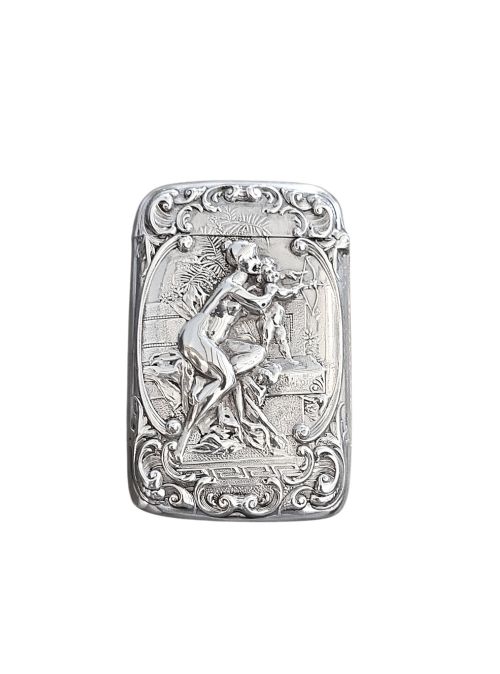
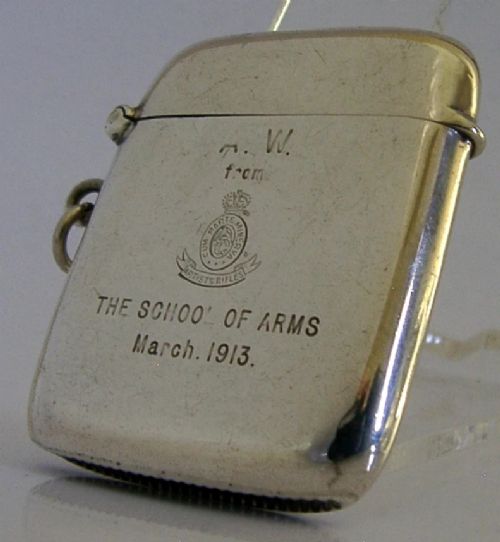
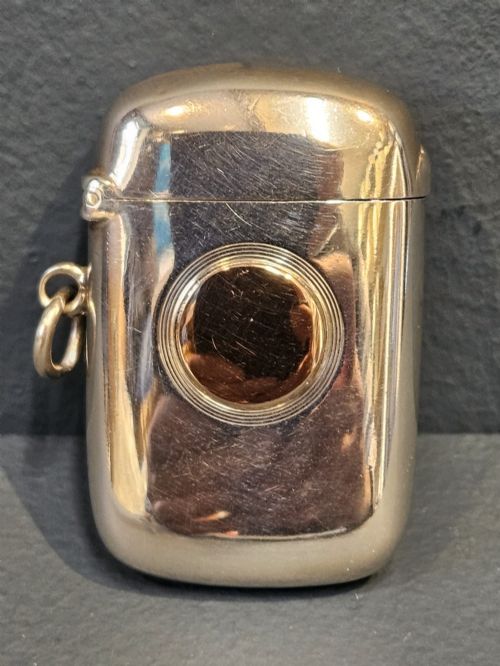
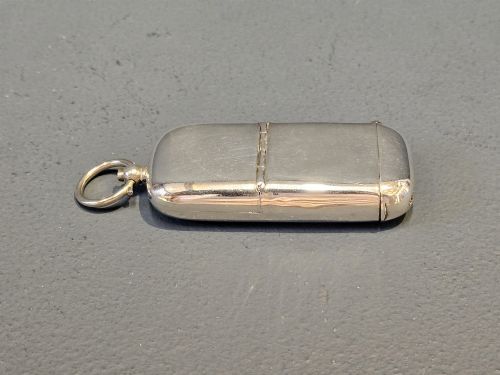
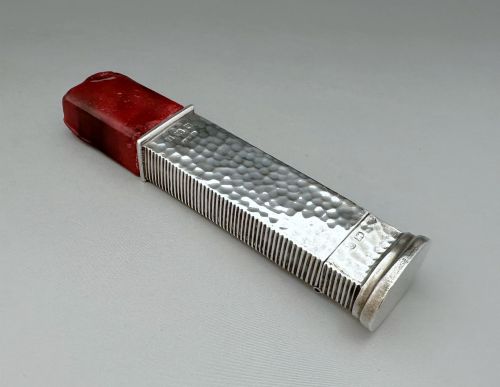
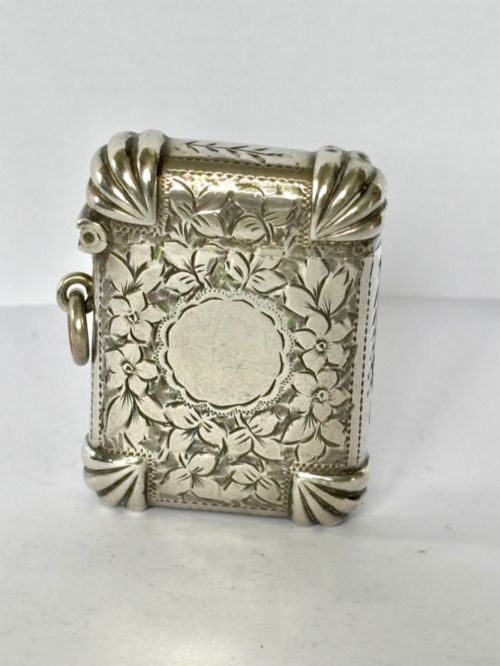
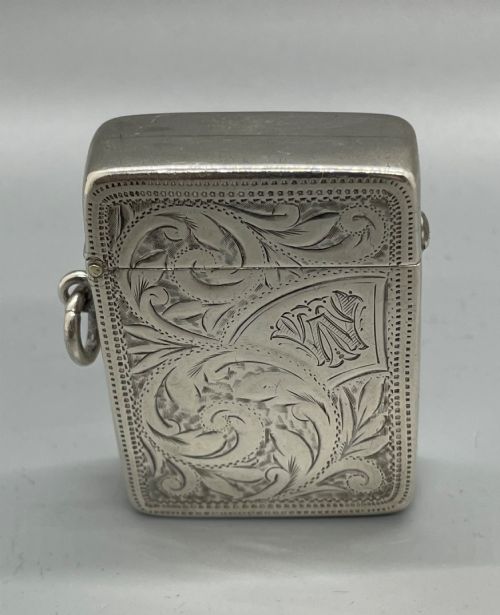
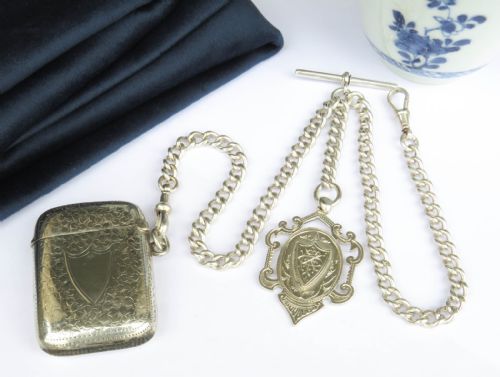
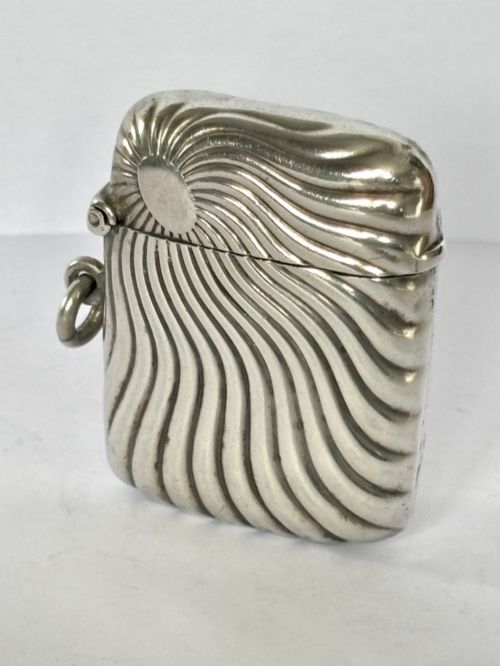
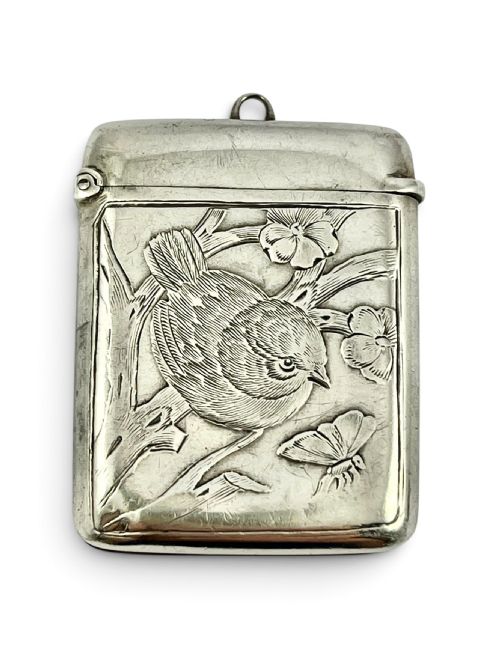
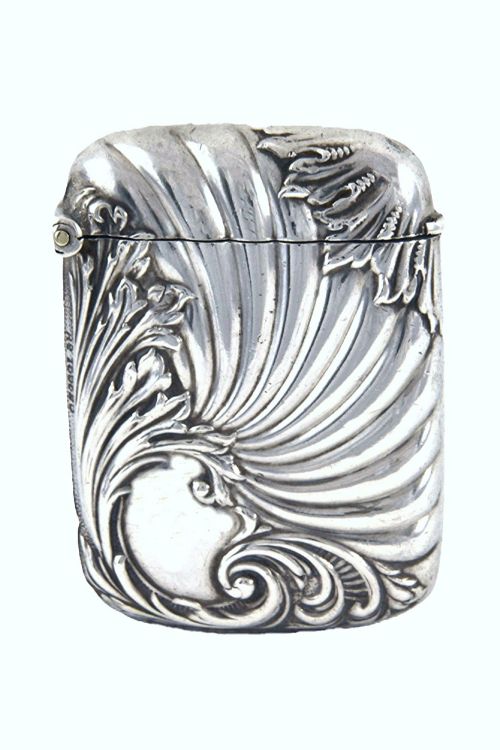
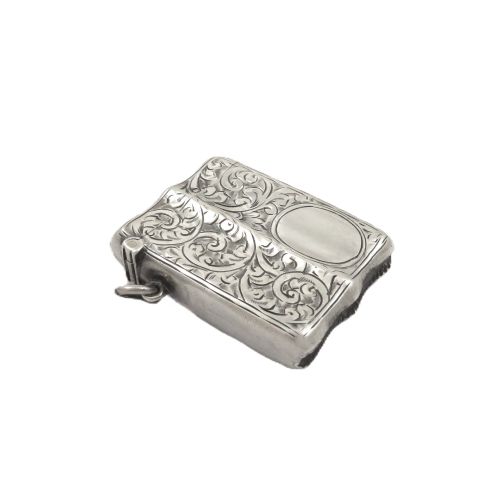
These items of sterling match holder design include vesta cases, match strikers, and matchbox covers from Victorian, Edwardian, and George V periods.
Sterling Match Holder
A sterling match holder encompasses pocket vesta cases, match strikers, matchbox covers, and match safes that house small wax vestas safely. Most pieces date from the Victorian, Edwardian, and George V periods, spanning the late nineteenth and early twentieth centuries.
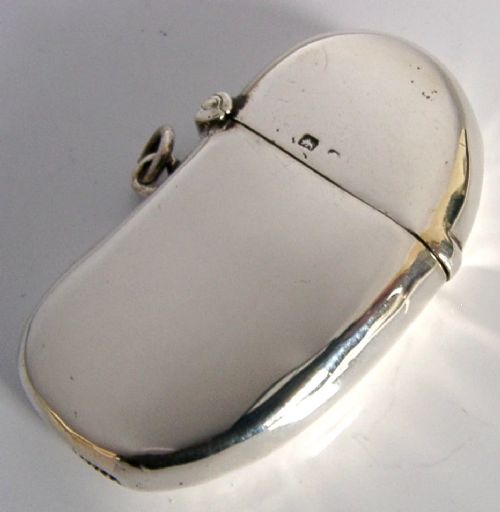
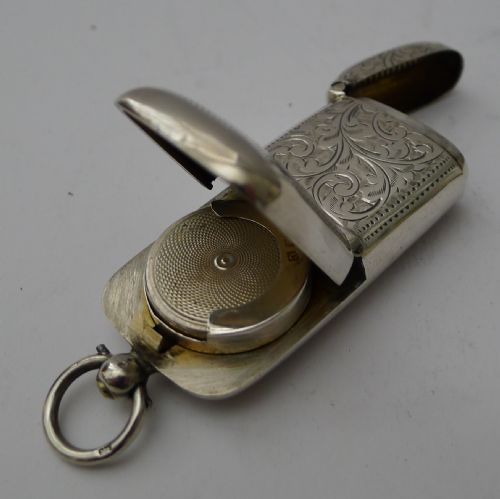
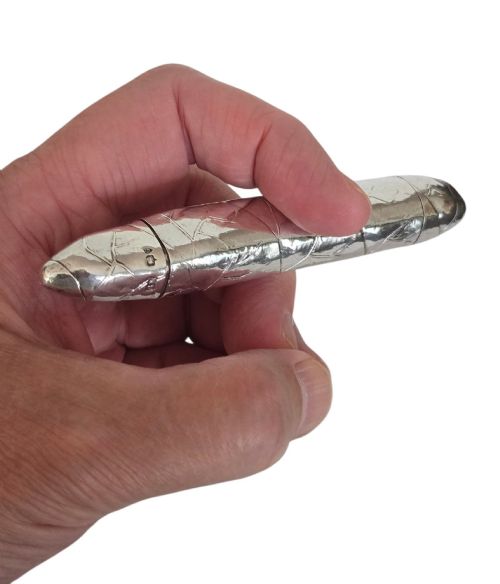
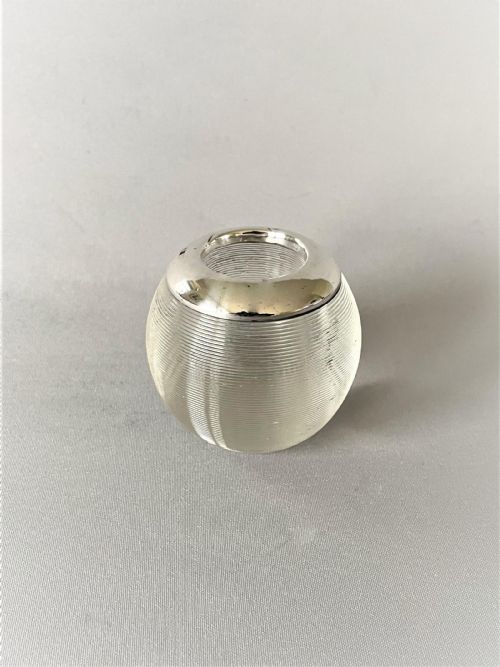
Forms vary from standard rectangular boxes to novelty shapes such as kidney beans, double-ended cigars, and dog heads. Collectors encounter tabletop glass match strikers alongside pocket-sized vesta cases and combination pieces housing sovereign holders or sealing wax compartments.
Makers utilised sterling silver alongside enamel, glass, 9ct gold accents, and sealing wax to create utilitarian objects for daily pocket use. The pieces reflect the smoking habits and social rituals of nineteenth and twentieth century life.
How they were made
Silversmiths constructed these objects primarily from sterling silver, shaping sheet metal through pressing, stamping, and hand soldering. Many incorporate hinged lids with tight spring mechanisms to keep vestas dry.
Surface decoration involved engine turning, chased engraving, and hand-painted vitreous enamel applied to metal bases. Glass match strikers utilise heavy textured glass paired with silver mounts to provide a striking surface for matches.
Sterling Match Holder Retail Price Guide 2026
Typical asking prices for sterling match holder among the pieces listed under this phrase on Sellingantiques today, from the lower quarter to the upper quarter. They describe what is for sale here now, not the wider market.
Listings feature Victorian, Edwardian, and George V periods alongside materials like sterling silver, glass, and enamel.
What varies in quality
Quality depends on the complexity of the manufacture, seen in crisp hallmarks, robust hinges, and secure lids that snap shut firmly. Novelty shapes and pieces featuring hand-painted enamel or gold accents display greater artistry than plain stamped boxes.
The integration of multiple functions, such as combined sovereign cases, watch chains, or sealing wax compartments, indicates higher-tier production by notable makers like Sampson Mordan.
EV Pledge and Son·Robert Chandler·Sampson Mordan and Co·William Neale·Robert Pringle·Mappin and Webb·Alfred Clark·J.B. Bennet
The Sterling Match Holder Glossary
- Vesta case
- A small container designed to hold wax matches safely in a pocket. These cases typically feature a striated base for striking matches.
- Match striker
- A tabletop vessel, often made of textured glass with a silver mount, used to ignite matches. The abrasive surface allows friction ignition.
- Vitreous enamel
- Glass powder fused to a metal base through high-temperature firing. It provides colourful painted or decorative surfaces on silver objects.
- Sovereign case
- A small round pocket container made to hold gold sovereign coins. They frequently appear combined with vesta cases in single combination pieces.
- Hallmark
- An official stamp indicating metal purity, assay office, and date letter. British silver pieces carry these marks to verify authenticity.
Sterling Match Holder: Frequently Asked Questions
What is a vesta case?
A vesta case is a small pocket container designed to hold safety matches or wax vestas securely.
These boxes feature a textured striking strip on the bottom to ignite the matches before use.
How do you use a match striker?
A match striker sits on a table and provides a stable base with a rough glass surface.
Users draw match heads across the textured exterior to create the friction needed for lighting.
What materials are used?
Most examples consist of sterling silver combined with glass, vitreous enamel, or 9ct gold accents.
Some unusual variations incorporate sealing wax or gemstones into the metalwork.
How do I identify the date?
British silver pieces bear hallmarks that include an assay office mark and a date letter.
Reference tables match these stamped letters to specific years of manufacture.