

Sterling Fruit Bowl
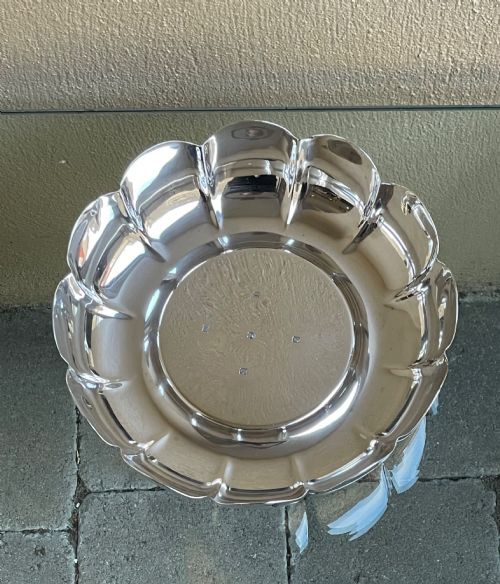
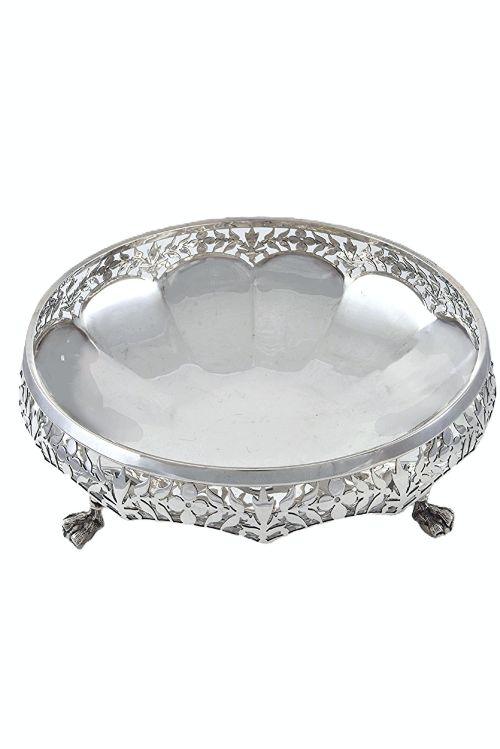
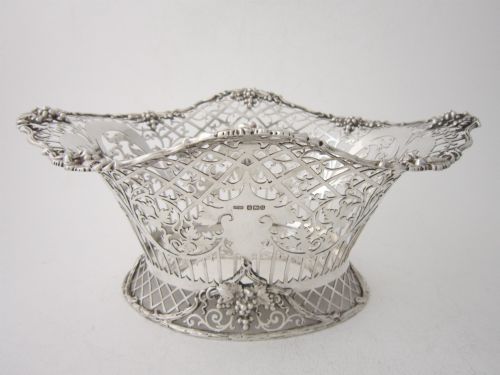
A sterling fruit bowl brings heft and silver polish to the table, taking the form of footed tazze, pierced baskets and deep presentation vessels.
Sterling Fruit Bowl
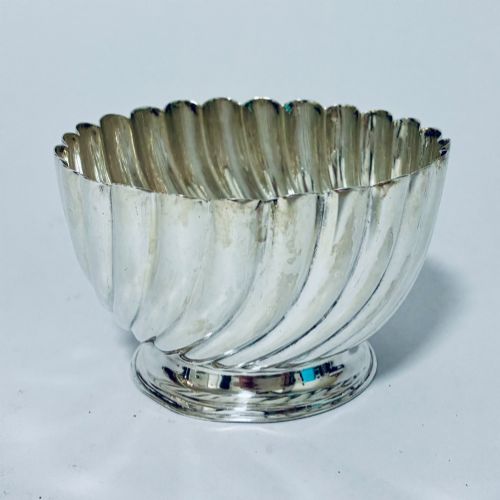
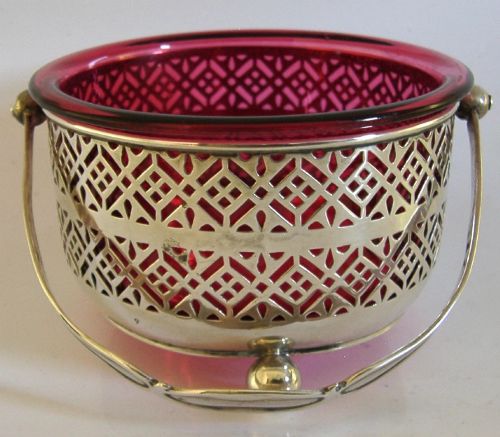
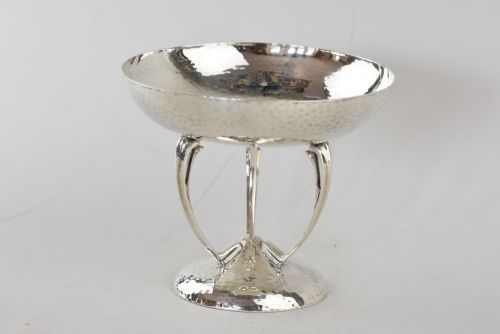
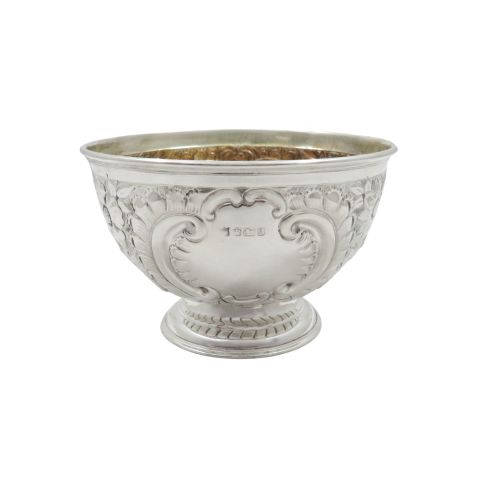
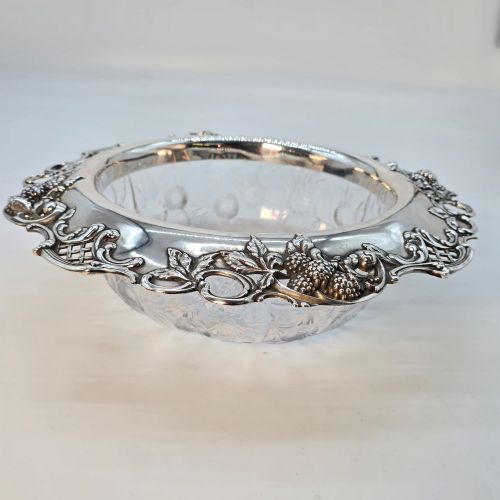
A sterling fruit bowl is a solid silver vessel designed for presentation or dining, appearing frequently as pierced baskets, pedestal dishes and tazzas. The versions met on this page span the Georgian, Victorian, Edwardian and later twentieth-century periods, with strong representation from around nineteen hundred. Makers shaped these objects in solid silver, often incorporating cranberry glass inserts, crystal liners or gilt surfaces.
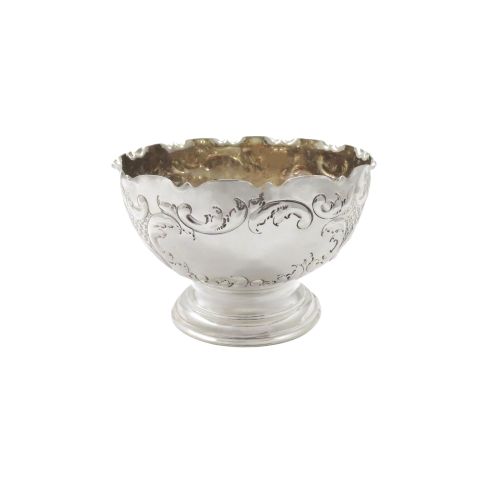
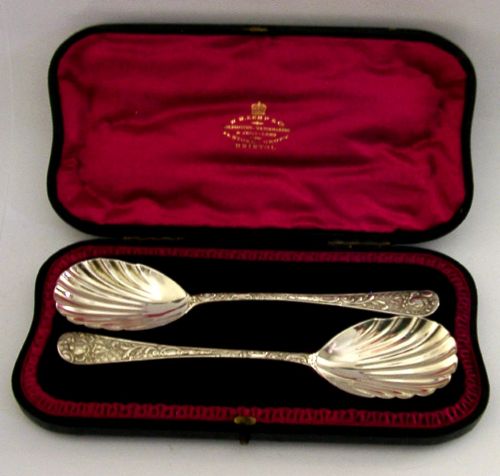
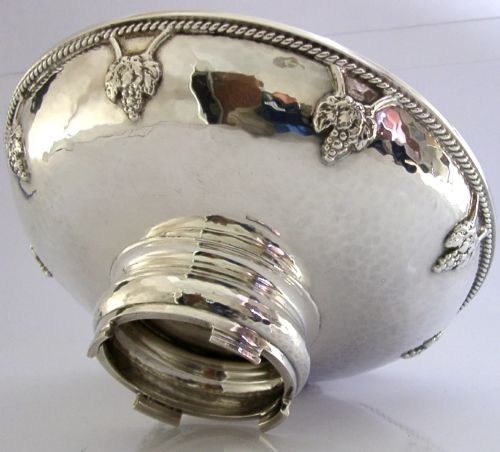
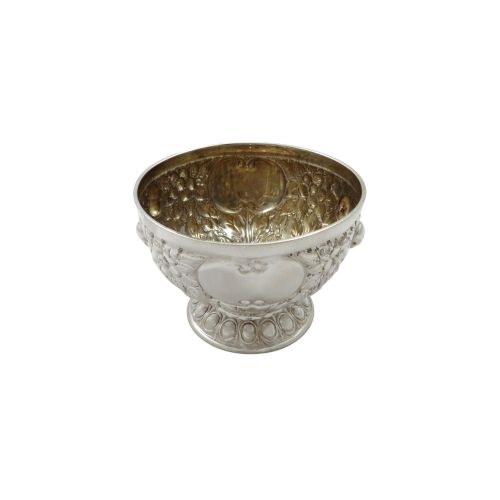
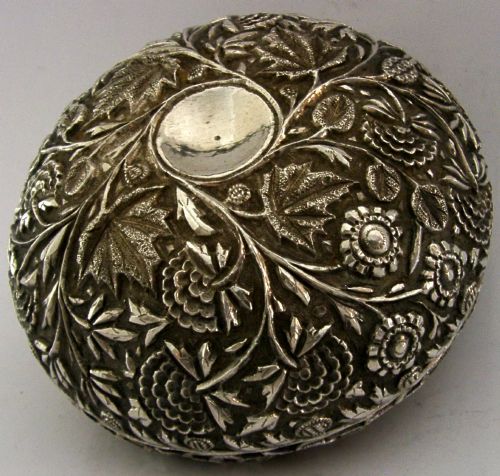
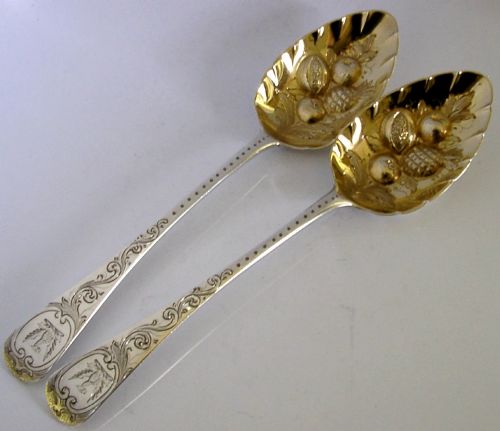
Forms range from large centrepiece bowls and heavy Anglo-Indian repoussé basins to smaller swing-handled baskets and footed bowls with lattice detail. Styles move from ornate Rococo Revival and floral Art Nouveau to clean Arts and Crafts hammered surfaces and geometric Art Deco. Alongside traditional bowls, listings include berry spoons, epergnes and bread dishes created by notable silversmiths.
How they were made
Silversmiths constructed these bowls using sterling silver, solid silver and silver gilt, frequently combining the metal with crystal, cranberry glass, velvet or satin linings. Technique involved hammering, piercing, fretwork and repoussé work, creating intricate lattice details and raised floral motifs.
Larger centrepieces and baskets required substantial weight and secure pedestal feet, while pieces such as tazzas utilised three-legged stands or raised rims to support glass inserts.
Sterling Fruit Bowl Retail Price Guide 2026
Typical asking prices for sterling fruit bowl among the pieces listed under this phrase on Sellingantiques today, from the lower quarter to the upper quarter. They describe what is for sale here now, not the wider market.
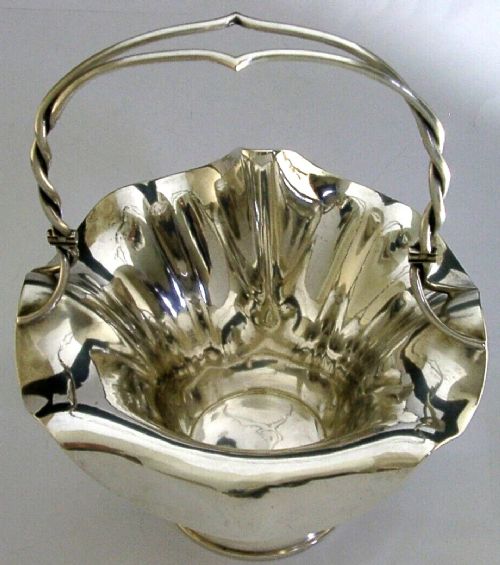
Several heavy baskets come equipped with swing handles, ready for a Victorian butler to pass fruit down a very long table.
What varies in quality
Quality rests on the weight of the silver relative to the size of the bowl, the crispness of pierced fretwork and lattice detail, and the depth of repoussé chasing. Substantial gauge metal ensures rigidity in large centrepieces and swing-handled baskets.
The integration of secondary materials such as cranberry glass or crystal liners, alongside the clarity of hallmarks from makers like Tiffany or Walker and Hall, separates standard production from exceptional work.
A E Jones·Goldsmiths and Silversmiths Company·Charles Boyton·William Chawner II·Joseph Rodgers·Fenton·William Comyns·Walker & Hall·Hammond Creake and Co·William Hutton & Sons·Martin Hall
The Sterling Fruit Bowl Glossary
- Tazza
- A shallow bowl or dish mounted on a stem and foot, often used for serving fruit or small cakes.
- Repoussé
- A metalworking technique where the smith hammers the design from the reverse side to form a raised pattern on the front.
- Epergne
- An ornamental centrepiece for a table, typically featuring a large central bowl with subsidiary dishes or baskets branching off.
- Piercing
- The practice of cutting decorative openings or fretwork through the silver sheet to create open lattice patterns.
- Silver Gilt
- Silver that has been coated with a thin layer of gold on its surface, creating a warm golden interior or finish.
Sterling Fruit Bowl: Frequently Asked Questions
How were fruit bowls used?
These bowls served both practical dining functions and decorative display purposes in formal dining rooms and parlours. Large centrepieces dominated tables, while smaller baskets and dishes held fruit or sweetmeats.
Some designs incorporated swing handles for passing at the table or included glass inserts to protect the silver from acidic fruits.
How do I clean a silver bowl?
Cleaning requires a soft cloth and a reputable silver polish formulated to remove tarnish without abrading the metal surface. Avoid harsh scrubbing on pierced lattice work or delicate repoussé details.
If the bowl includes a glass or crystal insert, remove it before polishing the silver to prevent cleaning agents from contacting the secondary material.
How do I tell periods apart?
Dating relies heavily on hallmarks stamped into the silver, which indicate the assay office, date letter and maker's mark. Stylistic clues also help distinguish eras, such as heavy ornamentation on Victorian pieces or clean lines on Art Deco examples.
Early pieces often feature ornate floral chasing, whereas twentieth-century items frequently display hammered Arts and Crafts textures or geometric forms.