



Stepped Chrome Lamp
A stepped chrome lamp brings genuine Art Deco style into a room through clean geometric lines and polished metalwork.
Stepped Chrome Lamp
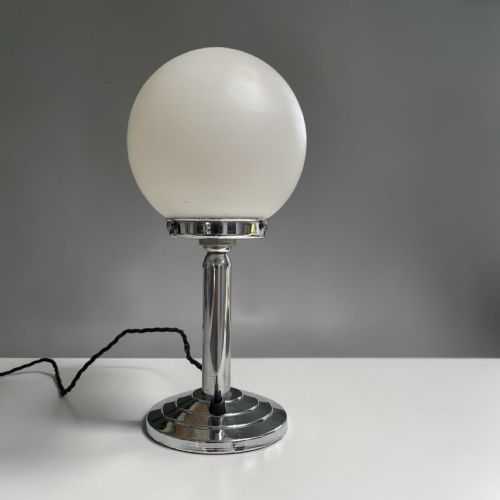
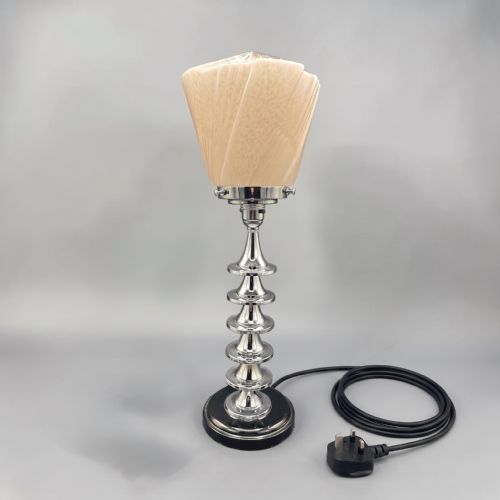
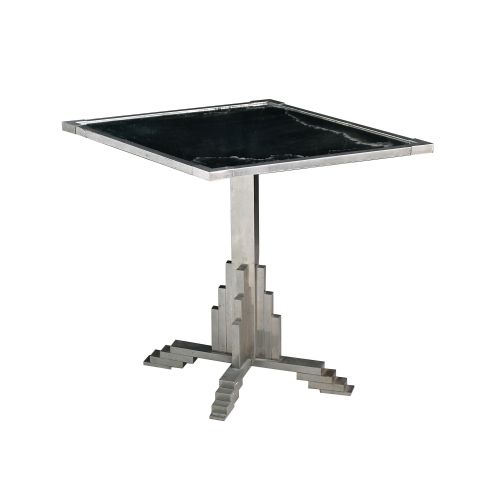
When you search for a stepped chrome lamp, you encounter light fittings and occasional side tables from the 1920 and 1930 periods. These pieces originate in the Art Deco and American Art Deco styles, defined by tiered architectural forms.
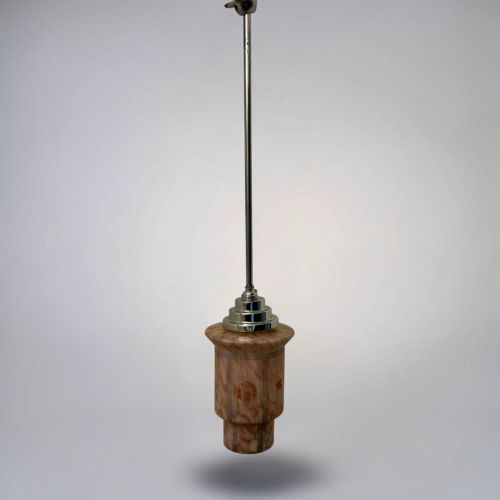
The most common lighting examples on this page take the form of table lamps, wall lights, and ceiling lights. They combine polished metal with glass elements to create a distinct industrial yet decorative presence.
How they were made
Makers utilised chrome and chrome plated metal to construct the reflective tiers and frames that characterise these pieces. This metalwork is frequently paired with glass, including mirrored, frosted, and opaline varieties.
Certain examples incorporate contrasting details in materials such as bakelite, adding subtle texture and tonal variation to the finished object.
Stepped Chrome Lamp Retail Price Guide 2026
Typical asking prices for stepped chrome lamp among the pieces listed under this phrase on Sellingantiques today, from the lower quarter to the upper quarter. They describe what is for sale here now, not the wider market.
Available forms span table lamps, wall lights, pendant lights, ceiling lights, and side tables.
What varies in quality
The standard of a piece rests upon the crispness of its tiered moulding and the integrity of the chrome plating over the underlying metal. Pieces that retain uniform reflectivity and well-defined geometric tiers stand above those with softened lines.
The integration of the glass components also marks the difference between standard production and superior examples. Cleanly fitted frosted, opaline, or mirrored glass elements complete the structural harmony of the design.
The Stepped Chrome Lamp Glossary
- Chrome
- A metallic element used for electroplating to provide a hard, corrosion-resistant, and highly reflective finish. This surface defines the bright metallic sheen of the period.
- Art Deco
- A design style emerging in the 1920s and 1930s characterised by sleek geometric shapes, streamlined forms, and industrial materials. It influences the architecture and lighting of the era.
- Opaline glass
- A milky, semi-translucent glass that diffuses light softly across pendants and shades. It was widely utilised in interior lighting during the early twentieth century.
- Bakelite
- An early form of synthetic plastic known for its durability and dark, lustrous finish. It appears on switches, bases, and structural accents of the era.
Stepped Chrome Lamp: Frequently Asked Questions
What rooms suit a stepped chrome lamp?
These lamps suit spaces that benefit from mid-twentieth-century design elements and metallic finishes. Their geometric profiles complement both modern and period interiors.
They function effectively as desk task lighting or as ambient illumination on side tables and walls.
How do I identify an Art Deco piece?
Look for stepped architectural tiers, symmetry, and the combination of polished chrome with glass elements. These structural traits separate the 1920 and 1930 periods from earlier designs.
Material choices such as bakelite and opaline glass further confirm the era.
Were these lamps used on walls?
Lighting from this period includes wall lights designed to mount directly onto interior surfaces. They distribute light using frosted or opaline glass shades.
Such fixtures provide functional illumination while maintaining clean geometric lines against the wall.
How should I clean chrome and glass?
Wipe the chrome surfaces gently with a soft cloth to maintain the reflective metal finish without scratching the plating. Avoid harsh chemical cleaners that might damage the vintage metal.
Clean the glass components separately using standard glass cleaner applied to a cloth rather than sprayed directly onto the fitting.