

Stem Winding Watch
A stem winding watch offers a mechanical link to the past, doing away with the key to power the movement directly through the crown.
Stem Winding Watch
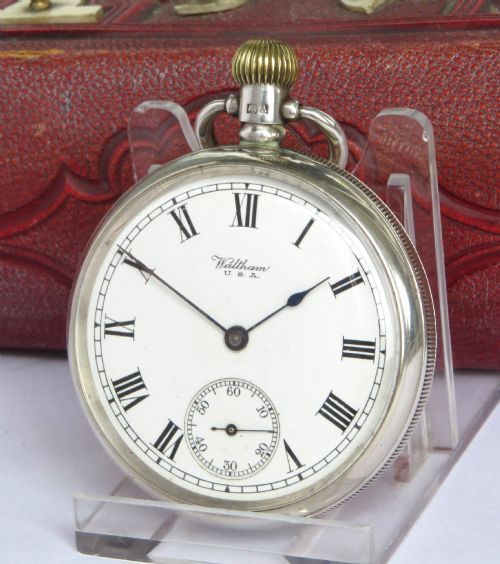
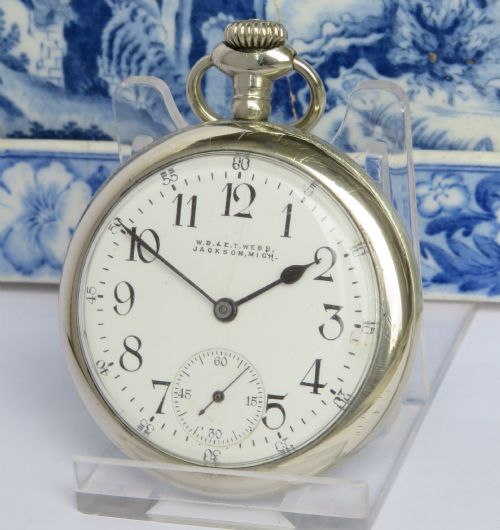
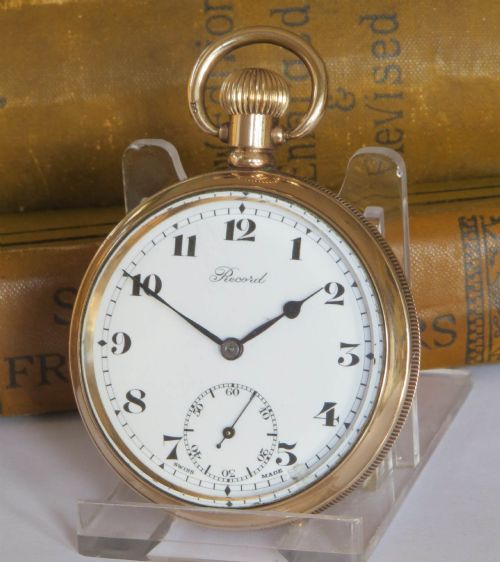
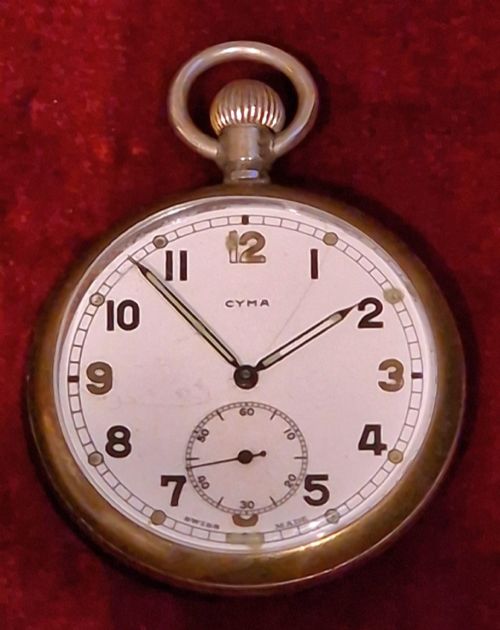
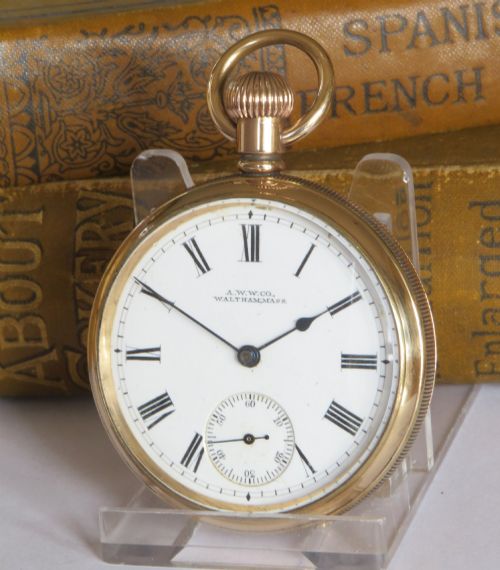
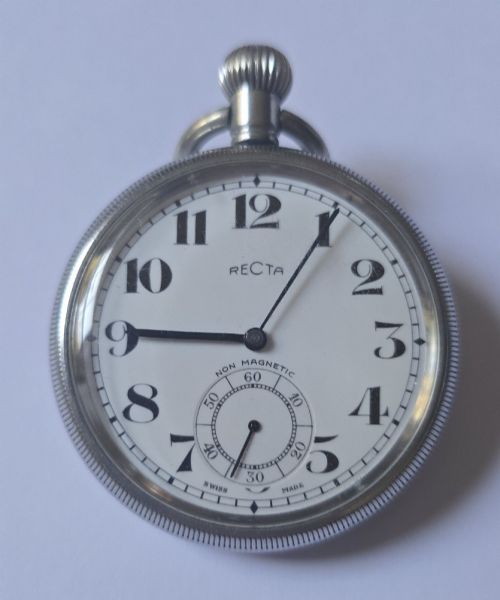
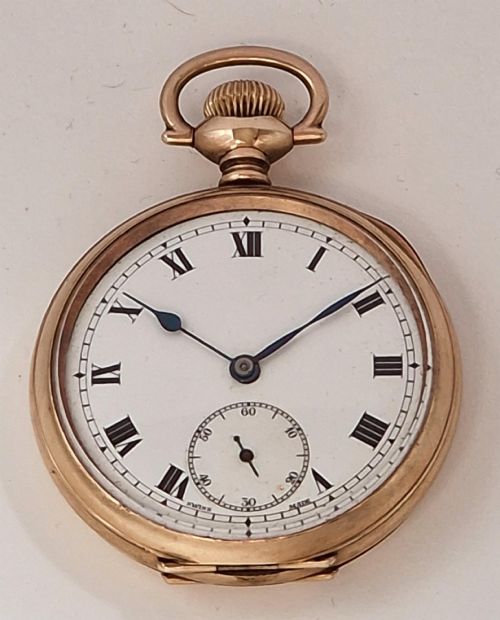
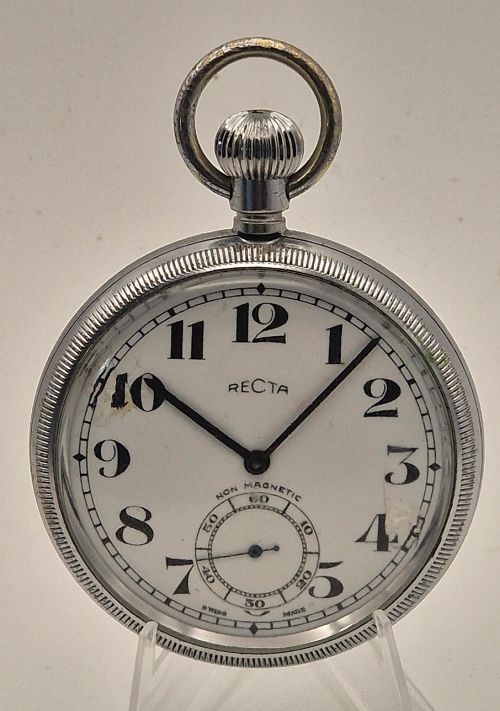
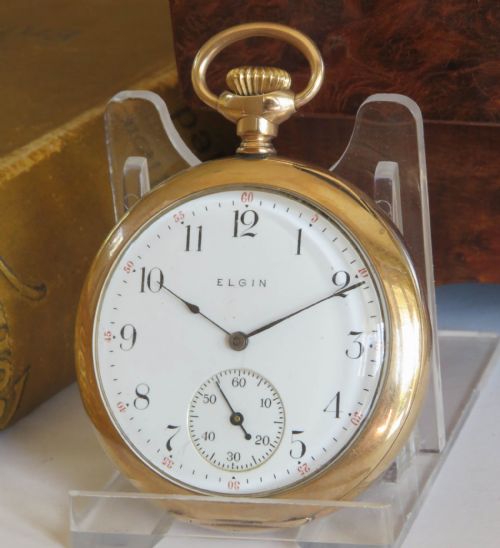
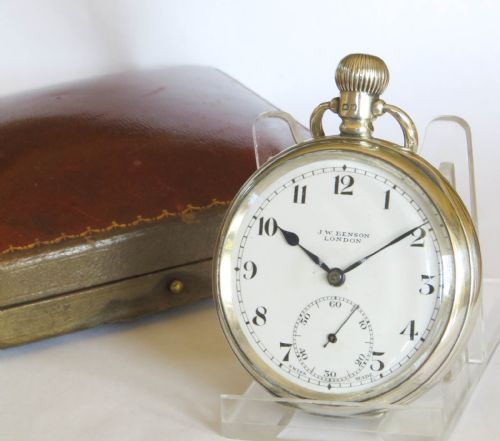
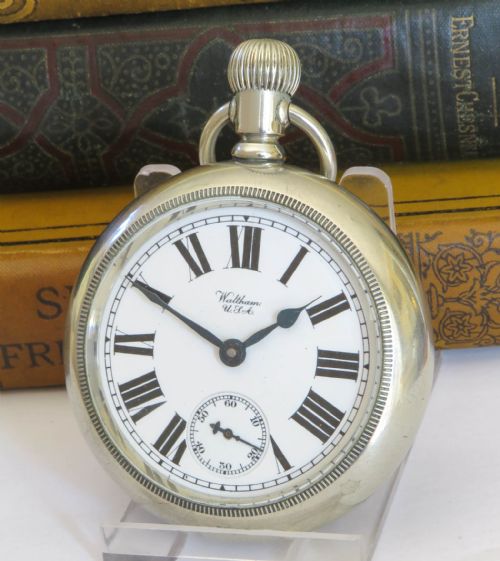
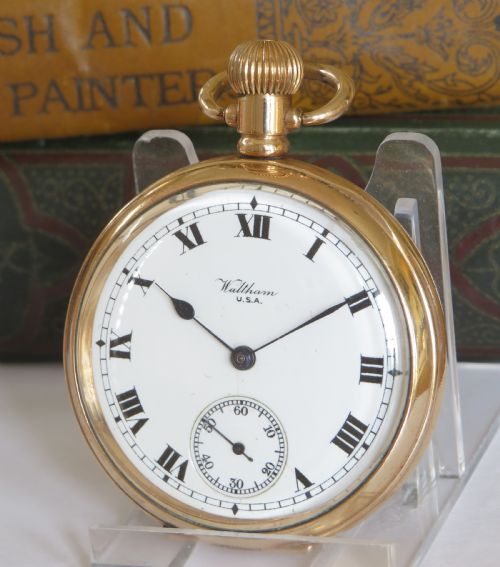
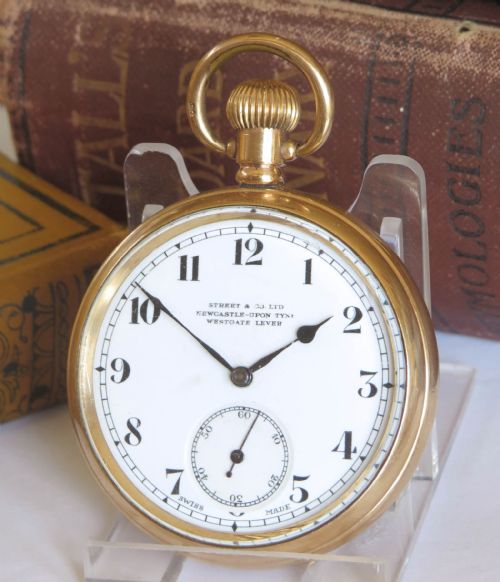
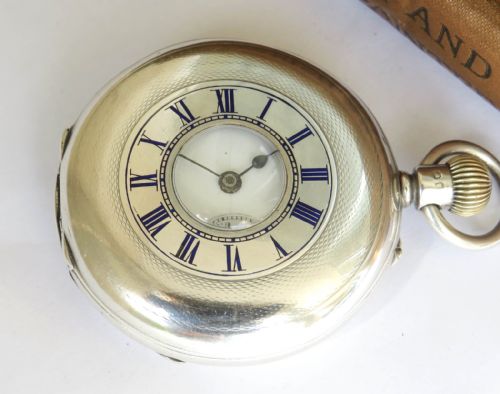
A stem winding watch is a portable timepiece governed by a crown mechanism rather than a separate winding key, spanning periods from the late Victorian era through the mid-twentieth century. The listings on this page consist entirely of pocket watches in forms such as open faced, half hunter, full hunter, and large goliath formats.
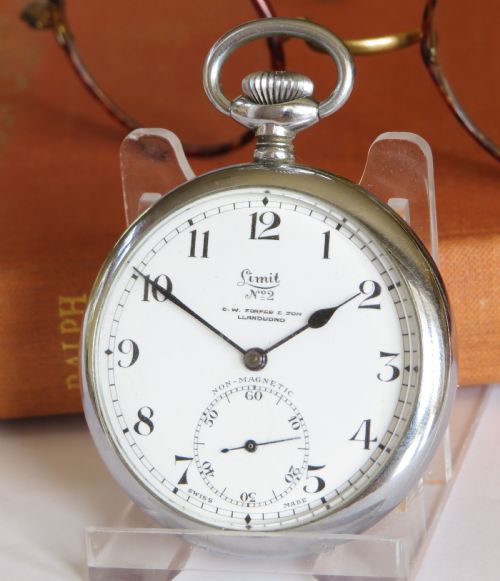
Buyers encounter examples originating from British, Swiss, and American workshops, styled in Victorian, Edwardian, Art Deco, and mid-century designs. Railway editions, such as those marked for the Midlands or Lancashire and Yorkshire lines, appear alongside municipal pieces tied to locations like Llandudno or Limerick.
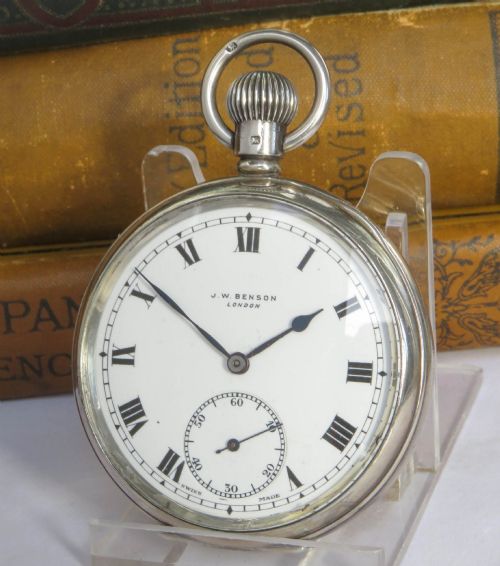
The most common version to meet on this page is the silver pocket watch dating from the early decades of the twentieth century. These pieces frequently incorporate chains and retain legible enamel dials for everyday utility.
Materials and construction
Cases are formed from silver, gold plate, gun metal, brass, steel, nickel, and chrome, housing intricate brass and steel mechanical movements inside. Glass protects the dials, which are typically finished in vitreous enamel with painted numerals.
Makers integrated the winding function into the stem and crown, allowing the wearer to set the time and tension the mainspring without opening the back case. Heavy duty variants utilised robust steel and gun metal housings to withstand industrial railway service.
Stem Winding Watch Retail Price Guide 2026
Typical asking prices for stem winding watch among the pieces listed under this phrase on Sellingantiques today, from the lower quarter to the upper quarter. They describe what is for sale here now, not the wider market.
Railway guards relied on these sturdy pieces to keep steam locomotives running on time across the British network.
Factors of quality
Quality rests in the precision and finish of the internal movement, where jewelled bearings and signed bridges distinguish high grade Swiss and American workshops from standard utility pieces. The weight and consistency of the metal case, whether solid silver or gold plate, mark the original tier of production.
The legibility and condition of the enamel dial, alongside the crispness of any engraved railway or municipal inscriptions on the silver, separate standard examples from finer collector pieces.
Henry Capt·Elgin·J W Benson·Waltham·Limit·Tavannes·Omega·Cyma·Lange & Sohne·Minerva·Bravingtons Renown·Stauffer·Craftsman·Octo·Record·Meyer & Studeli·Zenith·Consul·Everite·Doxa·Hamilton·Pioneer
The Stem Winding Watch Glossary
- Stem winding
- A mechanism that uses the crown at the top of the case to wind the mainspring. This innovation replaced the earlier method of requiring a separate key.
- Half hunter
- A pocket watch case featuring a solid outer cover with a glass or open aperture in the centre. This allows the user to read the hands without opening the front lid.
- Full hunter
- A pocket watch possessing a fully enclosing spring loaded metal cover to protect the dial. The cover springs open via a button integrated into the crown.
- Goliath
- An oversized pocket watch format housed in a substantially larger case. These massive timepieces were often displayed on desks or carried in heavy greatcoats.
- Enamel
- A glassy substance fused to a metal dial substrate through high heat firing. It provides a bright, durable, and smooth surface for painted numerals.
Stem Winding Watch: Frequently Asked Questions
How do I wind a stem winding watch?
Turn the crown clockwise between your thumb and forefinger until you feel a firm resistance. Stop immediately to avoid over tensioning the internal mainspring.
Keep the watch upright while winding to ensure the gears engage properly without unnecessary strain on the stem mechanism.
What is the difference between an open faced and hunter watch?
An open faced watch leaves the glass dial completely exposed for immediate reading. A hunter watch adds a protective metal front lid that shields the face from impacts.
Choose an open faced format for quick time checks during active daily tasks. Select a hunter case when you require extra physical defence for the enamel dial.
How can I tell the period of a pocket watch?
Examine the style of the case ornamentation, typography on the dial, and hallmarks stamped inside the silver or metal back covers. Victorian and Edwardian pieces lean toward ornate script and heavy cases, while Art Deco examples display geometric numerals.
Cross reference any serial numbers found on the internal movement plates with manufacturer production records for a precise year of origin.
Why do some railway watches have special markings?
Railway companies issued and inspected timepieces strictly to ensure precise synchronisation for train scheduling and safety. These watches bear company names or route titles on the dial or movement.
Collectors prize railway editions because their movements were built to exacting standards of timekeeping under heavy working conditions.