




Steel Black Powder Gun
A steel black powder gun carries the smoke and weight of centuries past, offering collectors a tangible piece of military and civilian history.
Steel Black Powder Gun
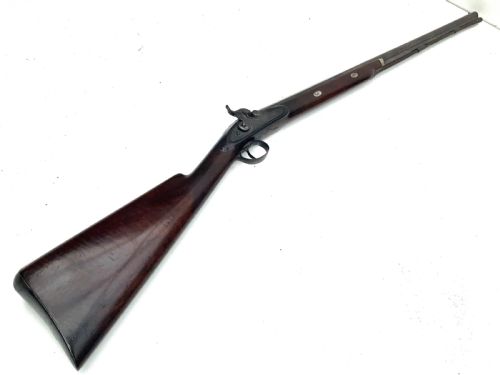
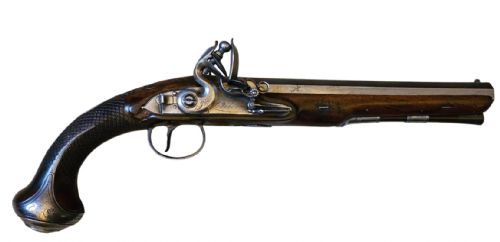
A steel black powder gun encompasses antique firearms designed around muzzle-loading ignition systems, including flintlocks, matchlocks, and percussion cap mechanisms. These arms served military personnel, officers, and civilians across the eighteenth and nineteenth centuries.
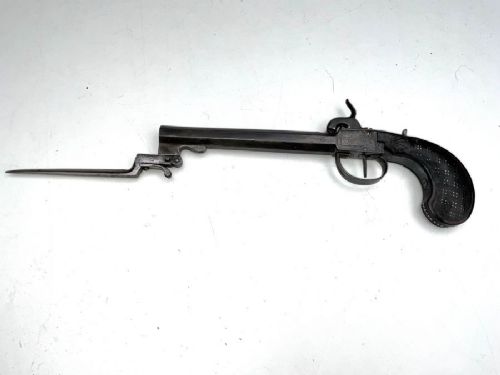
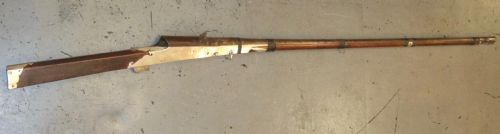
Collectors encountering this phrase will find diverse forms ranging from heavy martial muskets and service pistols to pocket arms, duelling pieces, and sporting fowlers. Origins span British regiments, American arsenals, Ottoman territories, and Indian workshops.
Periods represented stretch from the early eighteenth century through the Victorian era, capturing significant technological transitions in arms design. Each piece reflects the functional requirements of its era, whether for warfare, self-defence, or sport.
How they were made
Construction relies heavily on forged steel and iron for barrels, locks, and internal mechanisms, paired with timber stocks shaped from walnut and various hardwoods. Brass components frequently appear as trigger guards, butt plates, and ramrod pipes.
Gunsmiths and military contractors forged barrels and hand-finished lockplates, stamping them with maker names, inspection marks, and royal ciphers. Stocks were carved to house the mechanism securely, accommodating brass furniture and steel ramrods.
Several pocket pistols hide folding bayonets beneath their barrels, ready to surprise anyone unwise enough to rush a gentleman.
What varies in quality
The standard of a steel black powder gun depends upon the crispness of maker markings, the integrity of the timber stock, and the precision of the metalwork. Retained factory or regimental stampings elevate historical interest.
Originality of components, from matching serial numbers on revolvers to unaltered flintlock or percussion assemblies, distinguishes standard examples from heavily restored or composite arms.
John Manton & Son·Tower·Colt·Barber of Newark·Brasher
The Steel Black Powder Gun Glossary
- Flintlock
- An ignition mechanism utilising a piece of flint struck against a steel frizzen to create sparks that ignite black powder. This system dominated military and civilian arms throughout the eighteenth and early nineteenth centuries.
- Percussion cap
- A later ignition system employing a small priming explosive detonated by a hammer fall upon a nipple. This method largely replaced the flintlock due to superior reliability in wet weather.
- Matchlock
- An early firearm action where a burning slow match is lowered into a pan of priming powder via a serpentine lever. Examples appear in various regional traditions from the early eighteenth century.
- Fowler
- A smoothbore long gun specifically built for shooting wildfowl and game. These sporting arms often feature longer barrels than standard military muskets.
Steel Black Powder Gun: Frequently Asked Questions
How do I identify the age?
Makers' marks, proof stamps, and royal ciphers stamped onto the lockplate or barrel provide the most reliable indicators of manufacture date and origin.
Stylistic elements like stock architecture and lock design further narrow down the period of production.
Were these used in combat?
Many examples saw active service in conflicts such as the American Civil War or Napoleonic campaigns, evidenced by military inspection stamps and regimental markings.
Others served as civilian pocket weapons, officers' private purchases, or sporting arms.
How should I display them?
Keep arms in a stable environment away from high humidity and direct sunlight to protect wooden stocks and prevent metal corrosion.
Secure wall mounting or enclosed glass cabinets allow safe viewing while keeping pieces out of heavy traffic areas.
What is percussion conversion?
Many earlier flintlock arms were later adapted to use the newer percussion cap system to remain operational as technology advanced.
These modifications reflect the working life of the firearm rather than original factory state.