



Steel Pistol
When you handle a steel antique pistol, you hold centuries of mechanical ingenuity and martial history in your hand.
Steel Pistol
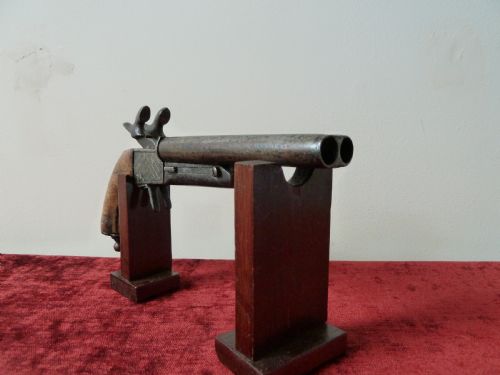
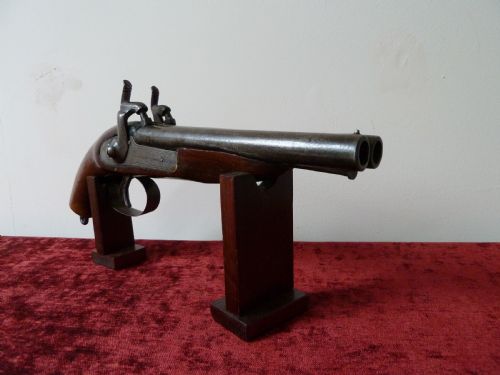
A steel antique pistol encompasses a broad range of historic sidearms, spanning flintlock, percussion, and pinfire ignition systems from the seventeenth to the nineteenth centuries. Collectors encounter military regulation arms, civilian pocket protectors, and duelling pieces originating from British, European, and American workshops.
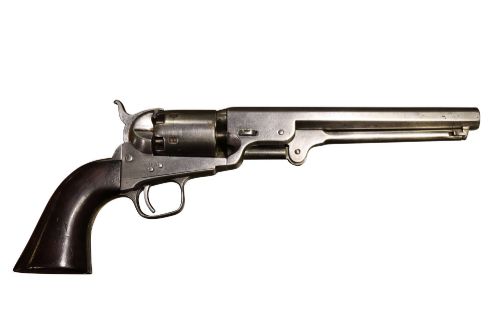
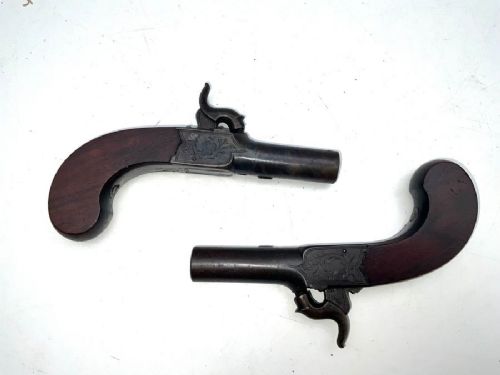
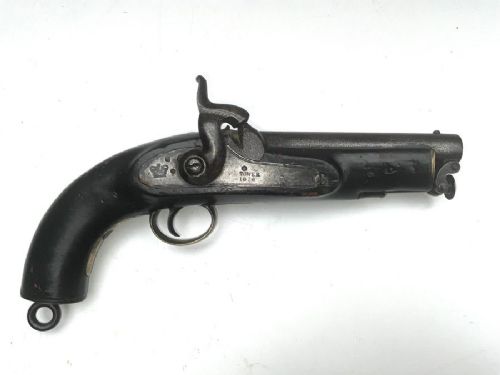
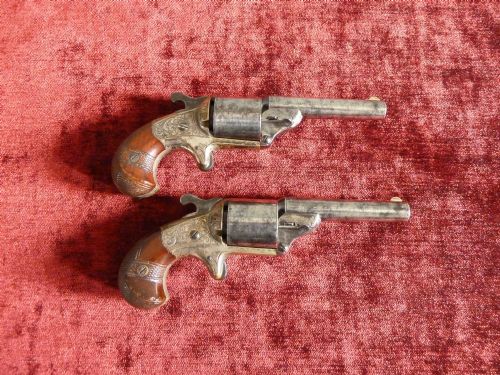
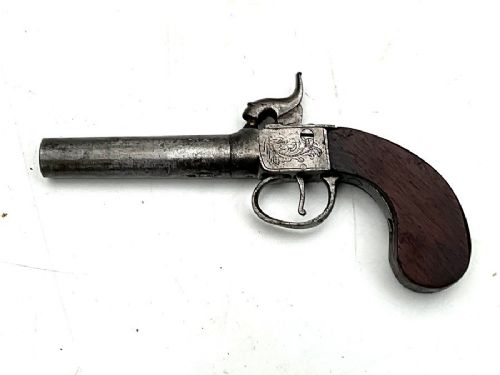
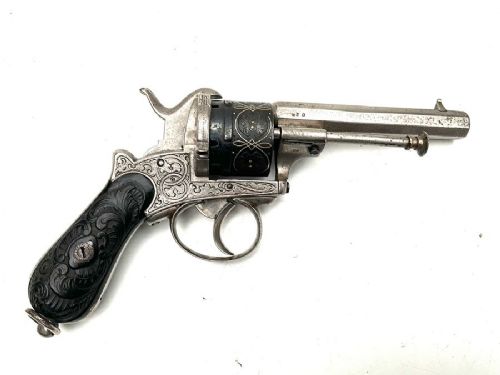
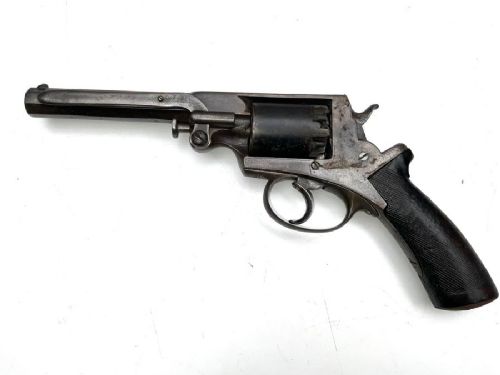
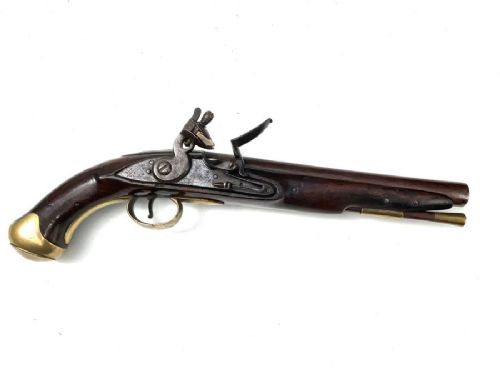
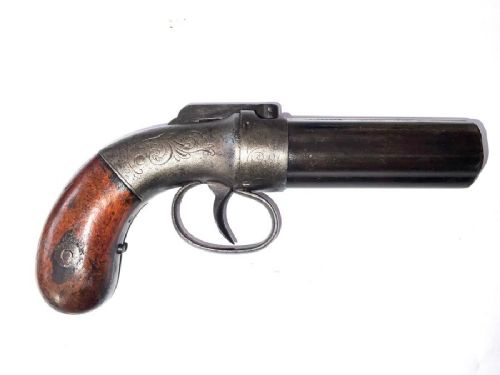
The material record on this page leans heavily toward mid-nineteenth-century percussion revolvers and pocket arms, alongside eighteenth-century flintlock holster and travelling pistols. Examples range from sturdy Tower-stamped military service pieces to intricately engraved civilian muff pistols.
Forms vary from boxlock pocket variants with turn-off barrels to large-bore cavalry pieces and multi-shot pepperbox revolvers. Buyers frequently find matching pairs and cased sets complete with original accessories.
How they were made
Makers built these arms using forged steel for barrels, locks, and internal mechanisms, paired with stocks shaped from walnut, hardwood, or occasionally brass and iron. Metal components often received hand-filed finishes and scroll engraving.
Stocks combined functional durability with decorative detail, utilising brass mounts, silver wire inlay, or carved mother-of-pearl grips. Precision machining advanced significantly by the mid-nineteenth century, allowing for interchangeable parts and multi-chambered revolving cylinders.
Listings feature steel, walnut, brass, iron, and silver across the eighteenth and nineteenth centuries.
What varies in quality
Quality in a steel antique pistol rests on the crispness of the lock mechanism, the legibility of maker signatures and proof marks, and the integrity of the original stock timber. Master gunsmiths integrated refined balance, smooth action movement, and understated ornamentation that elevated a standard service arm into a bespoke commission.
Preservation of original finish, matching serial numbers on components, and untouched metal surfaces distinguish exceptional pieces from heavily altered or restored examples.
Harrison of London·John Campbell of Doune·J.R. Cooper·T. Potts·Twigg·Joseph Egg·Henry Nock·La Motte·Deane Adams and Deane·James Barber·Thomas Henshaw·Timothy Hughes·Thomas Anelli·Allen and Thurber
The Steel Pistol Glossary
- Flintlock
- An ignition mechanism utilising a flint struck against a steel frizzen to create sparks that ignite the gunpowder charge.
- Percussion cap
- A small metal cup containing priming compound placed on a nipple, detonated by the hammer fall to fire the weapon.
- Pepperbox
- A multi-barrelled firearm where the barrels themselves revolve around a central axis rather than using a single barrel with a revolving cylinder.
- Turn-off barrel
- A barrel unscrewed from the breech to allow loading from the front, common on eighteenth-century pocket pistols.
- Proof mark
- An official stamp applied to a firearm barrel confirming it has undergone safety testing under standard powder charges.
Steel Pistol: Frequently Asked Questions
What is a flintlock pistol?
A flintlock pistol uses a flint held in a cock to strike a steel frizzen, generating sparks into a priming pan.
This ignites the main powder charge inside the barrel to fire the projectile.
How do percussion and flintlock differ?
Flintlock arms rely on exposed powder in a pan ignited by a flint and steel spark.
Percussion arms use a closed nipple system struck by a hammer to detonate a chemical cap.
Were these pistols used in combat?
Many examples on this page served military roles for officers and cavalry troops during campaigns.
Others functioned as civilian pocket or travelling arms for personal protection.
How do I identify the maker?
Makers typically signed the lock plate, barrel flat, or silver escutcheon plates.
Official proof house stamps also assist in pinpointing the origin and approximate date.