

Statement Gemstone Ring
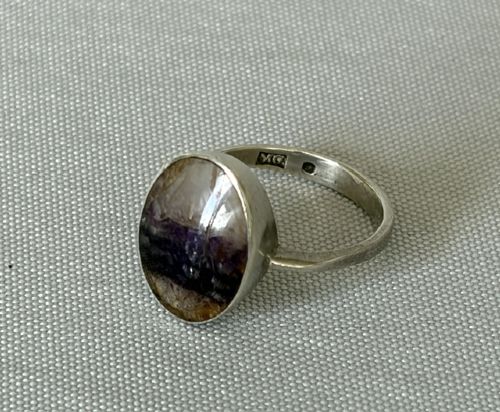
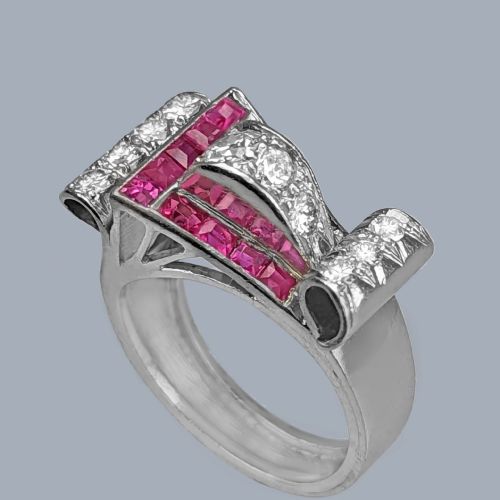
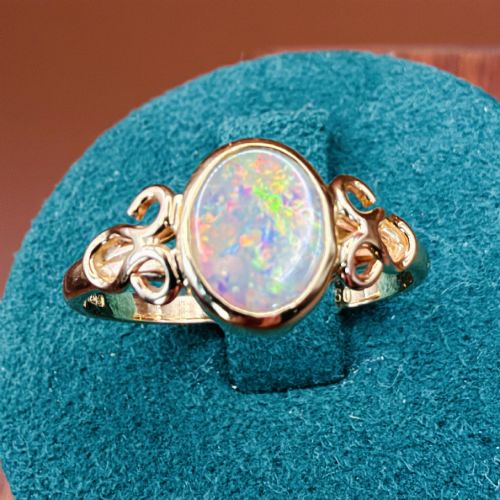
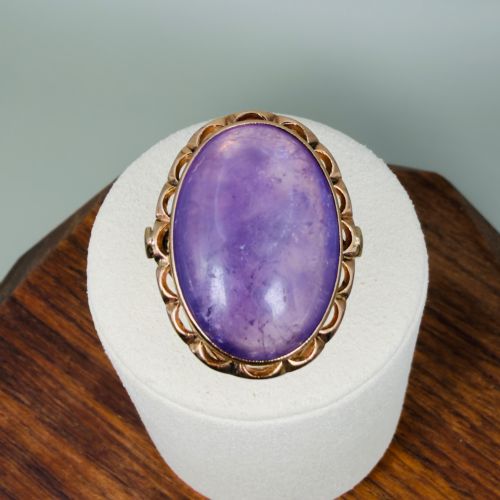
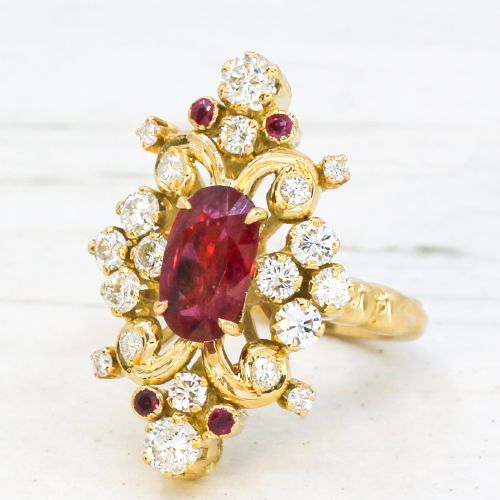
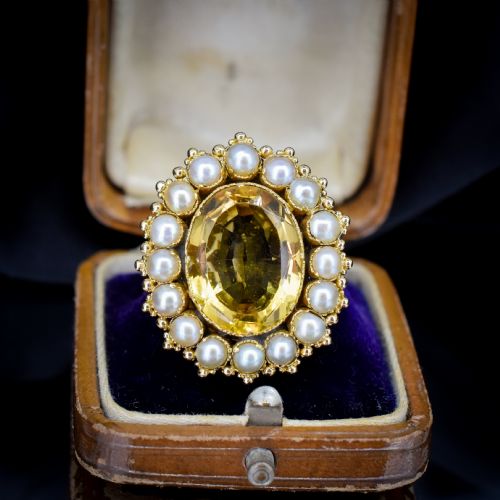
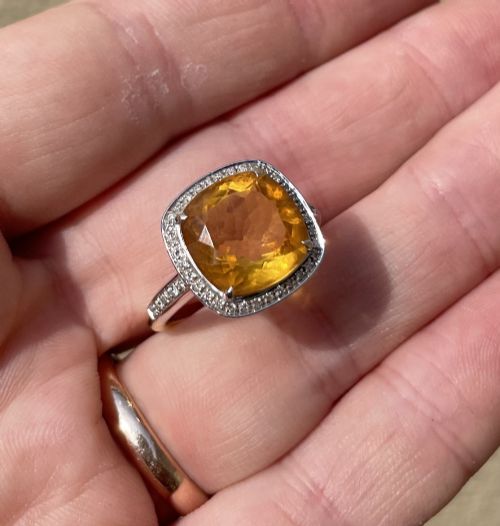
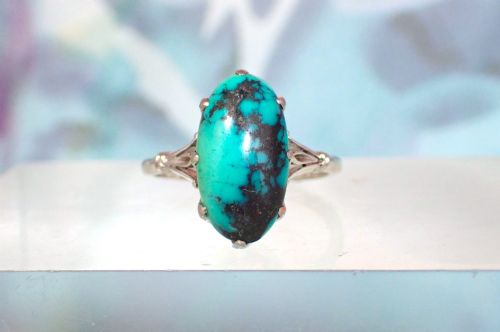
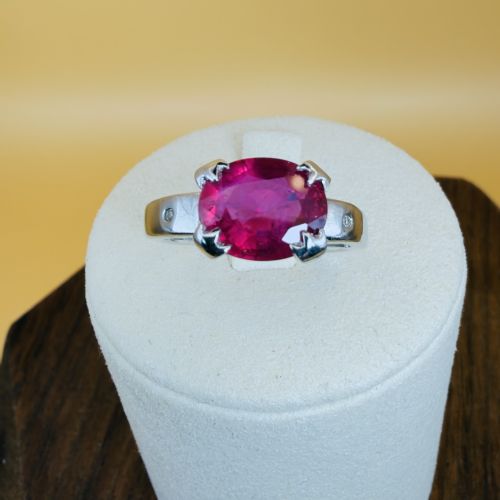
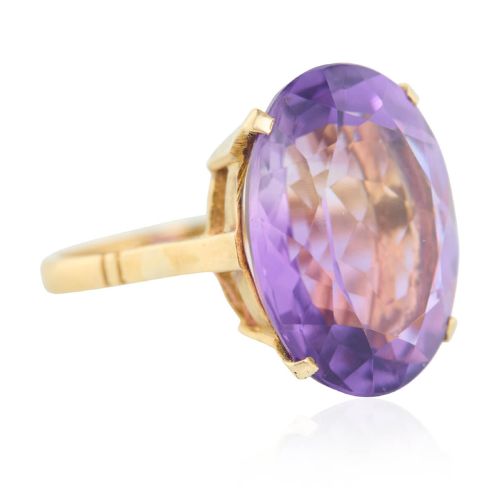
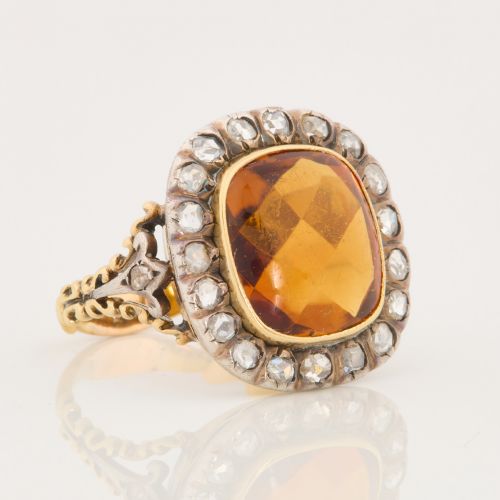
A statement gemstone ring commands the hand with sizeable centre stones, bold clusters and striking precious metals.
Statement Gemstone Ring
A statement gemstone ring draws the eye through substantial scale, prominent central gems and expressive mounting styles. When you browse this selection, you encounter pieces designed to dominate the hand rather than sit quietly on the finger.
The versions most commonly met on this page span the 19th century through the mid-20th century, encompassing Victorian, Art Deco, Retro and mid-century designs. These forms take shape as large cocktail rings, multi-stone clusters and bold solitaires.
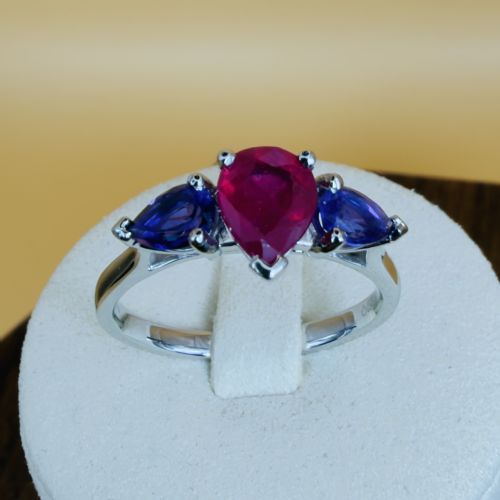
Makers utilised significant stones such as aquamarine, ruby, opal, emerald, citrine and amethyst, often paired with diamond accents. The resulting forms range from geometric platinum mountings to generous yellow and white gold settings.
Materials and construction
Goldsmiths set substantial gemstones using both platinum and various carats of gold, including 9ct, 14ct and 18ct white, yellow and rose variants, alongside sterling silver. Settings rely on secure bezel, prong and cluster configurations to anchor large cabochons and faceted stones safely.
Craftsmen during the Art Deco and Retro periods employed intricate metalwork, such as pierced platinum galleries and tank-style gold mountings, to support heavy centre stones like aquamarine and sapphire. Gemstones are frequently held by detailed claw settings or enclosed in protective bezels.
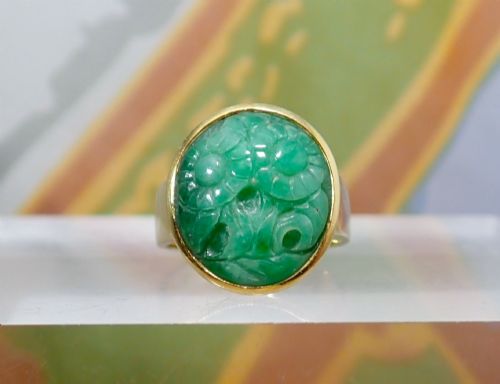
Materials recorded across the inventory include emerald, sapphire, aquamarine, jadeite, amethyst, opal, citrine and turquoise.
Judging the range
Quality separates through the natural characteristics and provenance of the central gemstone, such as unheated rubies, untreated sapphires or high-carat opals with vivid play-of-colour. Superior examples combine exceptional stone weight and clarity with robust, finely executed metalwork.
The artistry of the mounting further distinguishes the tier of a piece, where hand-carved details, platinum gauge and balanced diamond surround clusters elevate the design. Finer rings demonstrate harmonious proportions between the dominant gemstone and the supporting gold or platinum architecture.
Gilbert Albert
The Statement Gemstone Ring Glossary
- Cabochon
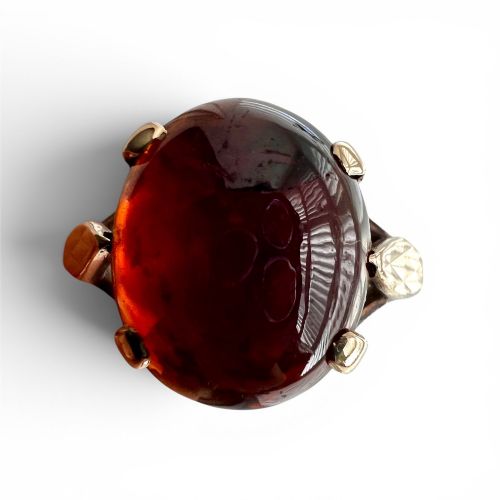
- A gemstone shaped and polished with a smooth, convex domed surface rather than faceted. This cut is frequently utilised for opals, jade, moonstone and garnets to display depth and internal phenomena.
- Cluster ring
- A ring featuring a prominent central gemstone encircled by a group of smaller surrounding stones, usually diamonds. This arrangement maximises visual impact and light reflection.
- Bezel set
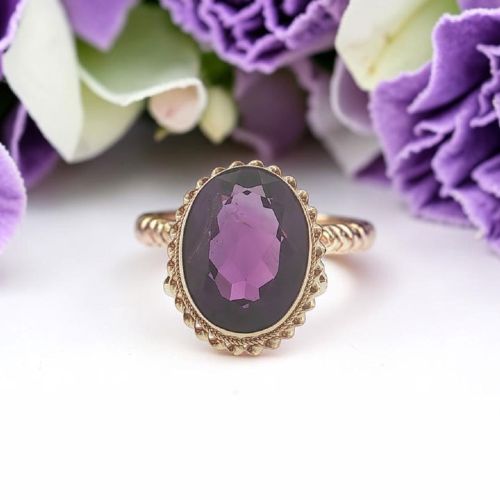
- A method of stone setting where a thin metal collar wraps entirely around the girdle of the gemstone to hold it securely in place. It offers a clean, streamlined profile.
- Solitaire
- A ring designed to showcase a single prominent gemstone without secondary stones on the band. This setting draws complete focus to the qualities of the main gem.
- Old cut
- A vintage diamond cutting style characterised by a high crown, small table and deep pavilion, predating modern brilliant cuts. These cuts produce a softer, candlelit sparkle.
Statement Gemstone Ring: Frequently Asked Questions
How do I style a statement ring?
Wear a bold gemstone ring on its own to let the scale and colour of the centre stone command attention without competition from other hand jewellery.
Pair the metal tone of the ring with your watch or bracelets for a cohesive look, or mix white and yellow gold for a collected, eclectic appearance.
What periods do these rings come from?
The pieces span multiple eras, including the 19th century, Edwardian period, Art Deco years, and mid-century modern designs.
Art Deco rings typically feature geometric platinum settings, while mid-century and retro examples often showcase large aquamarines or rubies in heavy gold mountings.
Are these rings suitable for daily wear?
Many of these sturdy gold and platinum rings withstand regular wear, provided you choose durable stones like sapphire, ruby or diamond for everyday use.
Softer gems such as opal, moonstone or pearl require greater care and benefit from removal during manual tasks to protect the stone.
How are different gemstone types identified?
Gems are distinguished by their natural optical properties, crystal structures, and inclusions visible under magnification.
Lab certifications often accompany high-value stones like unheated rubies or specific emeralds to confirm their origin and treatment status.