
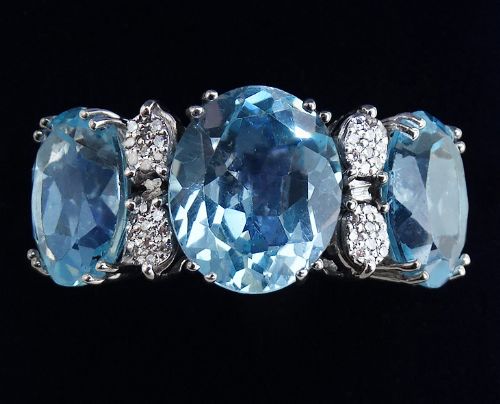
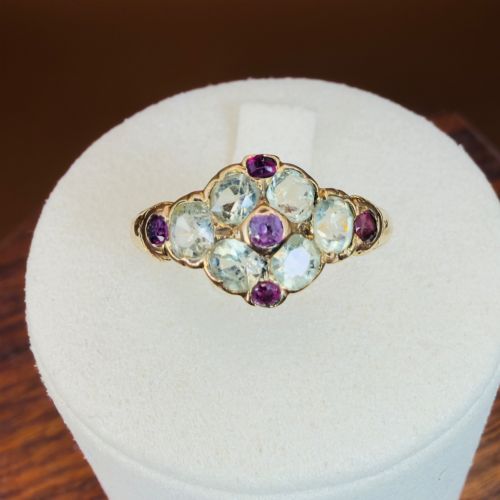
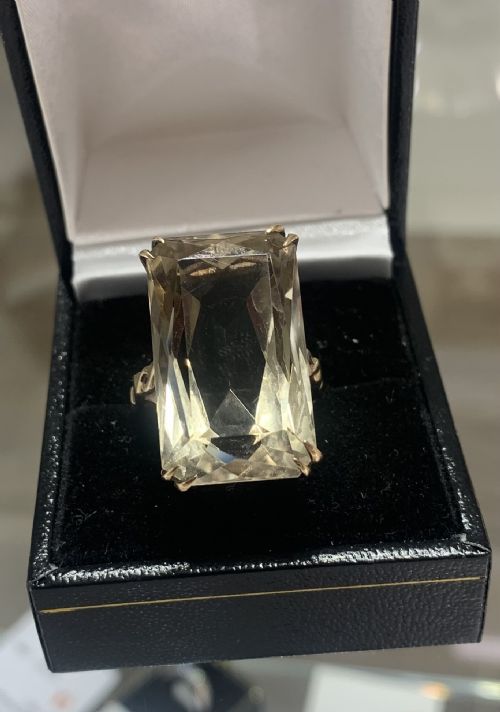
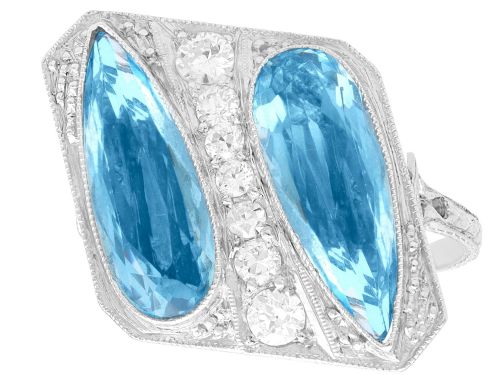
Statement Gemstone Dress Ring
A statement gemstone dress ring brings bold colour and presence to the hand, drawing the eye with large central stones and expressive period settings.
Statement Gemstone Dress Ring
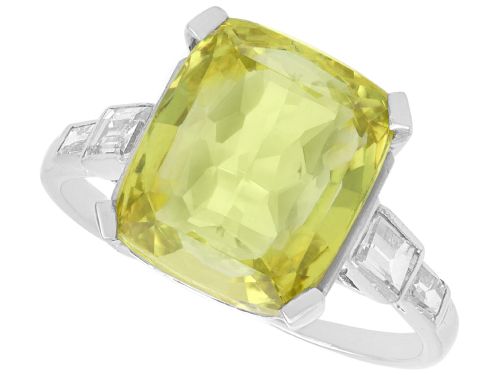
A statement gemstone dress ring centres on a large or brightly coloured stone designed to command attention. These pieces span periods from the Victorian era and Edwardian times through Art Deco and Mid-Century designs.
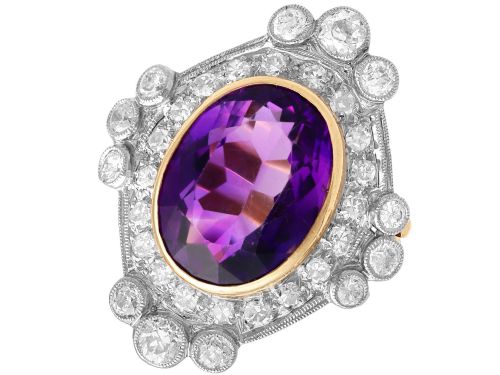
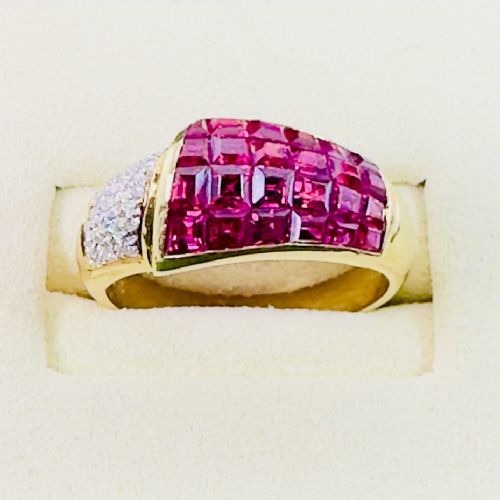
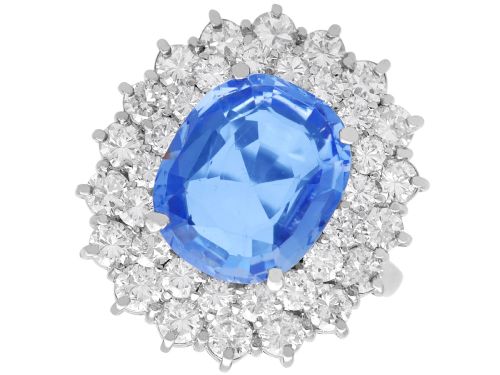
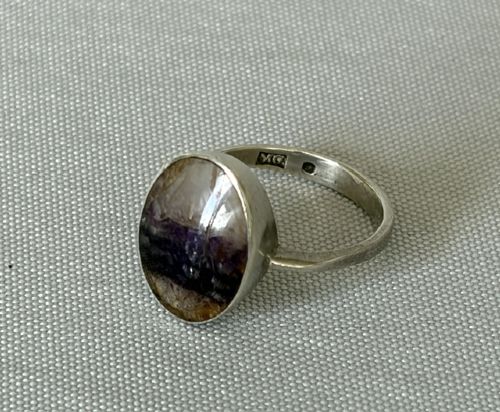
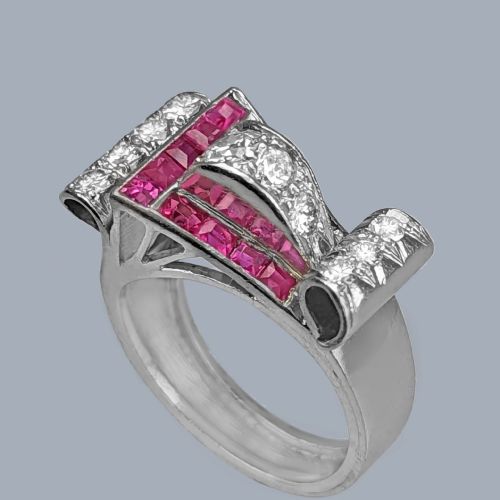
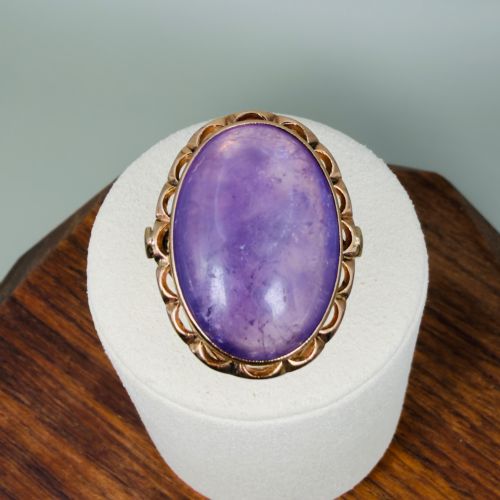
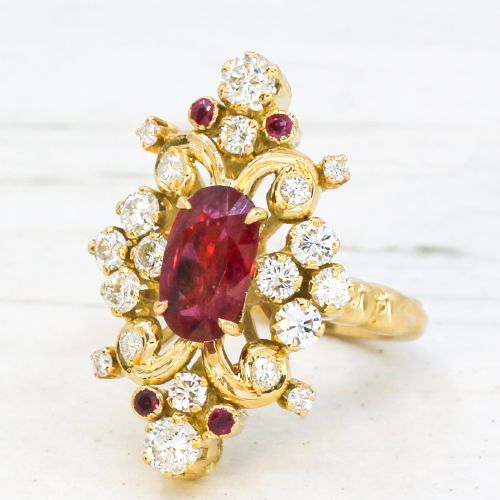
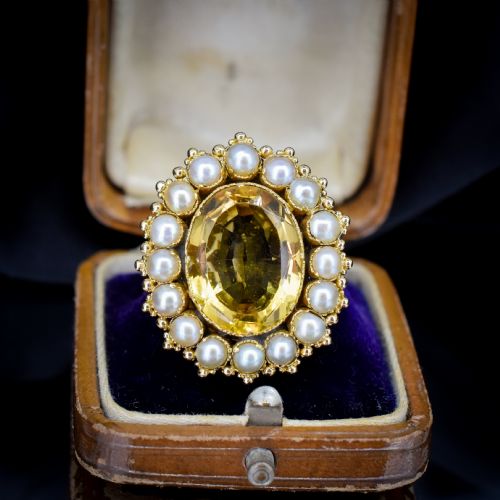
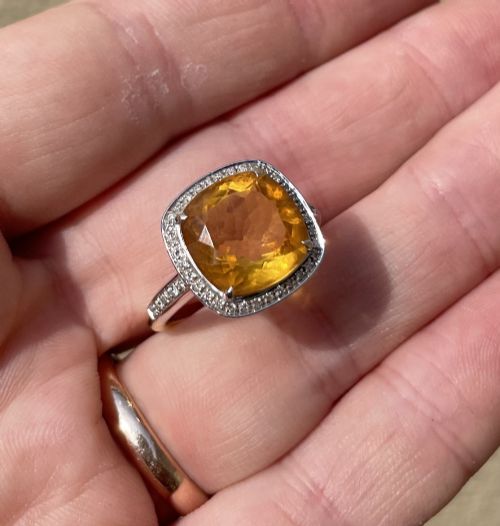
The selections on this page appear in forms such as cocktail rings, multi-gem clusters, and generous solitaires. Mid-Century and Retro pieces featuring substantial aquamarines, amethysts, and rubies dominate the current offerings.
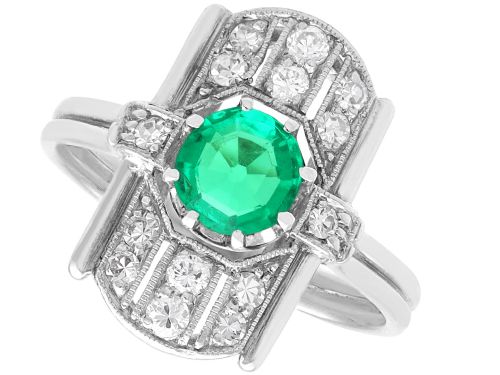
Makers utilised distinctive regional aesthetics, including French Art Deco platinum work and Italian gold settings. Buyers encounter both delicate antique cluster arrangements and heavy geometric tanks from the mid-twentieth century.
How they were made
Goldsmiths worked primarily in yellow gold, 18ct white gold, and platinum, frequently pairing high-carat gold with sterling silver settings in older pieces to enhance the brilliance of diamonds.
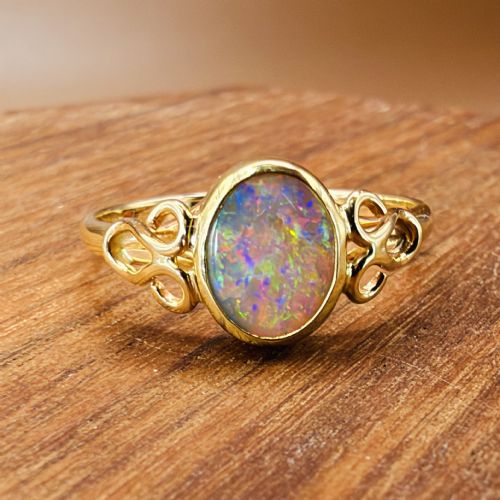
Stones are set using bezel, claw, and cluster techniques, often featuring intricate millegrain edges in Edwardian and Art Deco examples. Cabochon cuts appear alongside emerald cuts and old-cut diamonds to maximise the optical depth of coloured gems.
Some mid-century cocktail rings carry stones heavy enough to give your writing hand a mild workout.
What varies in quality
Quality rests in the natural optical properties of the central gem and the precision of the metalwork. Untreated stones with strong saturation sit at the upper end, alongside substantial aquamarines and Burmese rubies.
Construction integrity dictates endurance, seen in robust claw work, substantial shank thickness, and secure bezel walls that protect the girdle of large cabochons.
The Statement Gemstone Dress Ring Glossary
- Cabochon
- A gemstone shaped and polished with a smooth, rounded domed surface rather than faceted facets. This style highlights the internal colour and chatoyancy of stones like opals and star sapphires.
- Cluster
- An arrangement of smaller gemstones set tightly around a larger central stone. This technique magnifies the visual footprint of the ring on the hand.
- Millegrain
- A decorative technique featuring a line of tiny, raised metal beads along the edges of a setting. It adds delicate texture frequently associated with Edwardian and Art Deco jewellery.
- Solitaire
- A ring featuring a single set gemstone without accompanying side stones. This minimalist approach places full visual weight on the characteristics of the main gem.
Statement Gemstone Dress Ring: Frequently Asked Questions
How do I wear a cocktail ring?
Cocktail rings were originally designed for evening wear and social gatherings where large, visible gestures drew attention to the hand. Today, many wear them as signature everyday pieces on the middle or index finger.
Because these rings project further from the finger than standard bands, take care around thick knitwear and active manual tasks to protect the setting.
What is the difference between an antique and a vintage ring?
Antiques generally refer to pieces older than one hundred years, encompassing Victorian and Edwardian craftsmanship. Vintage pieces span the twentieth century, including Art Deco, Retro, and Mid-Century styles.
Examining the metal hallmarks, setting techniques, and cut of the stones helps establish the exact era of production.
Are coloured gemstones treated?
Many coloured gemstones undergo traditional thermal treatments to enhance colour saturation and clarity. Certified stones often note whether the material is unheated or bears negligible oil.
Reviewing accompanying laboratory reports clarifies the specific origin and treatment history of high-value rubies, emeralds, and sapphires.
How do I care for soft gemstones?
Softer stones such as opals, turquoise, and pearls require gentle maintenance compared to diamonds or rubies. Avoid ultrasonic cleaners, harsh chemicals, and prolonged exposure to direct sunlight or dry heat.
Clean them periodically with a damp cloth and store them individually in soft pouches to prevent surface scratching.