

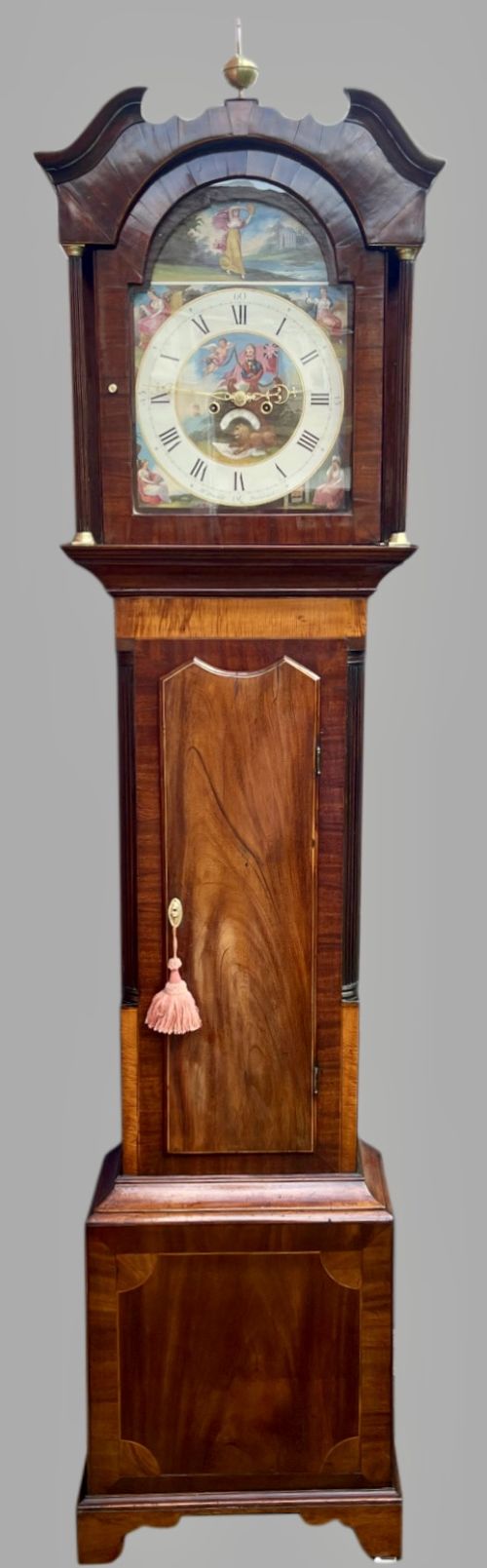
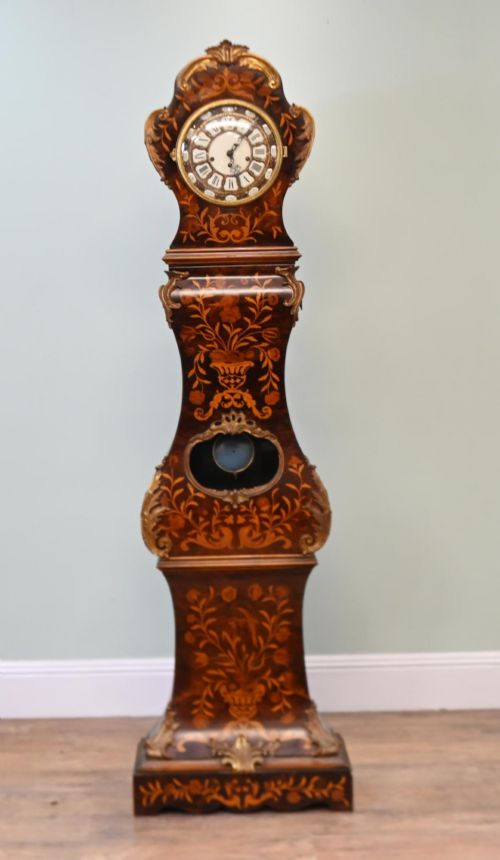
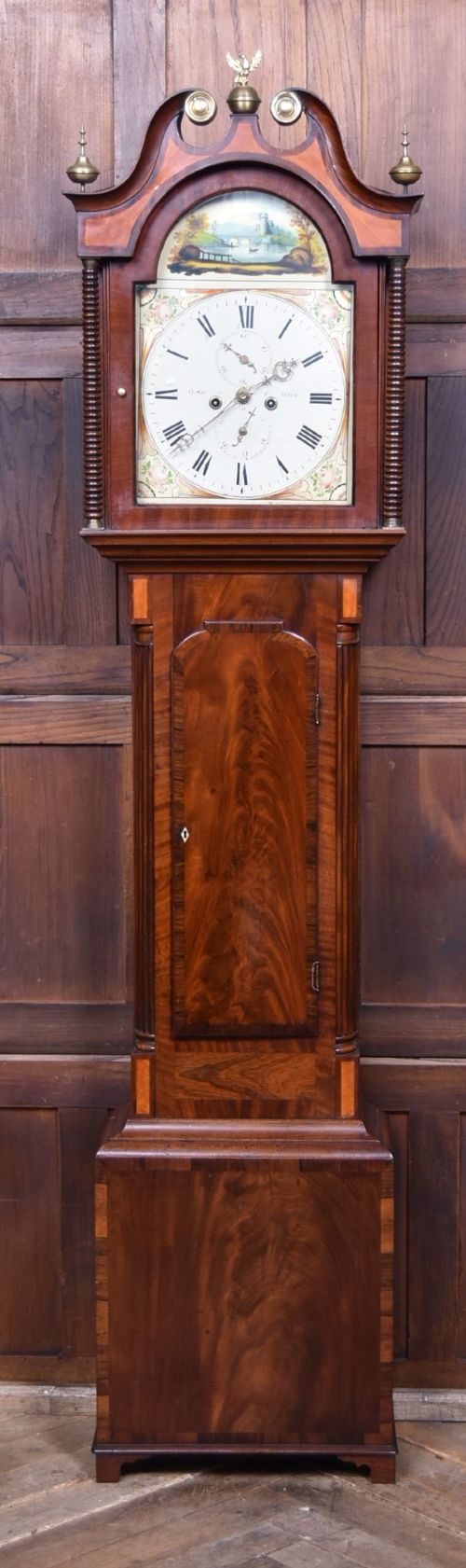
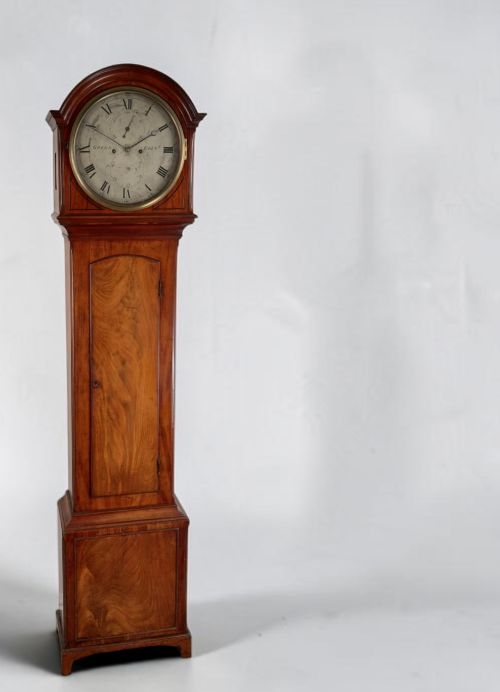

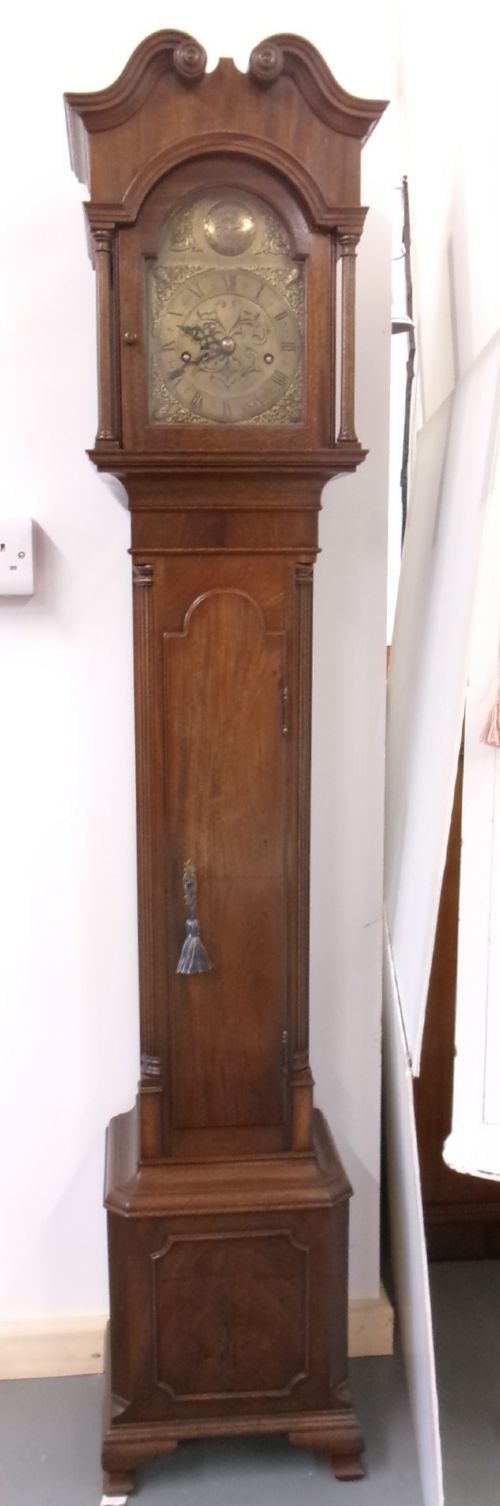


Standing Wooden Pendulum Clock
A standing wooden pendulum clock anchors a room with steady motion and timber warmth, bringing centuries of mechanical skill to your wall or corner.
Standing Wooden Pendulum Clock
When you search for a standing wooden pendulum clock, you enter a tradition of tall floor-standing timepieces that measure hours through the swing of a weighted pendulum. These pieces appear as longcase, grandfather, granddaughter, and grandmother clocks spanning the Georgian, Victorian, and later periods.
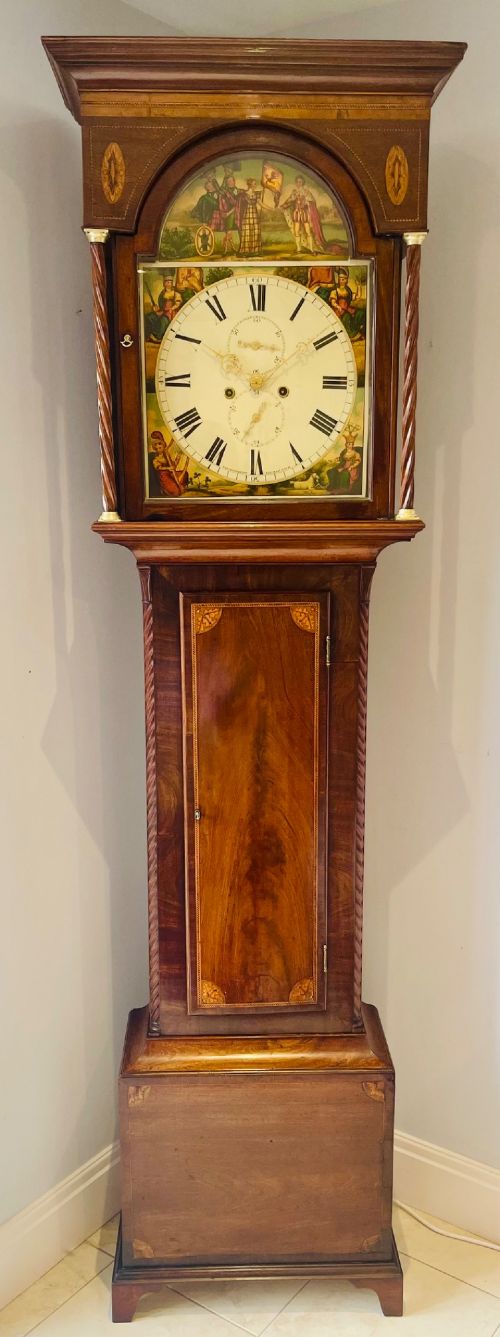
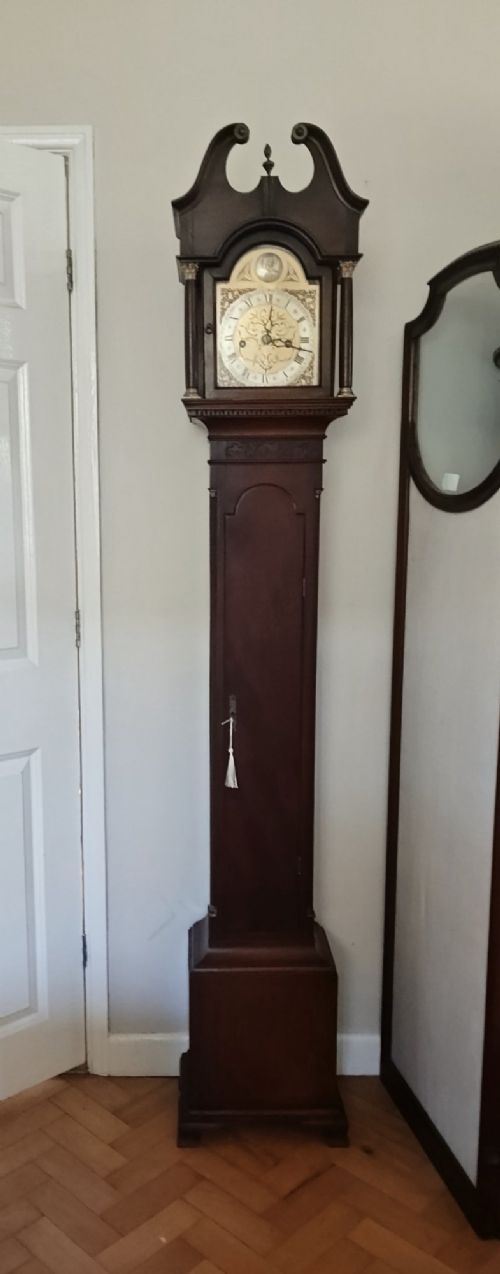
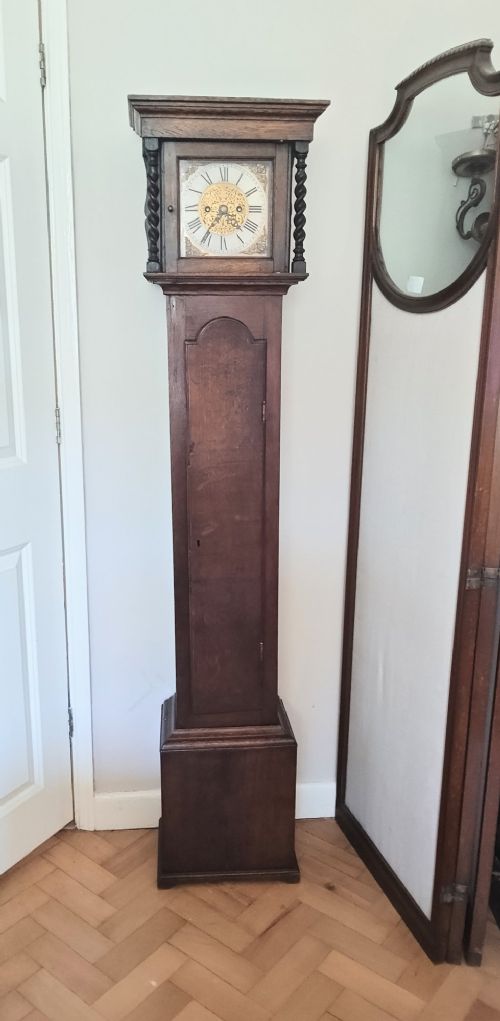
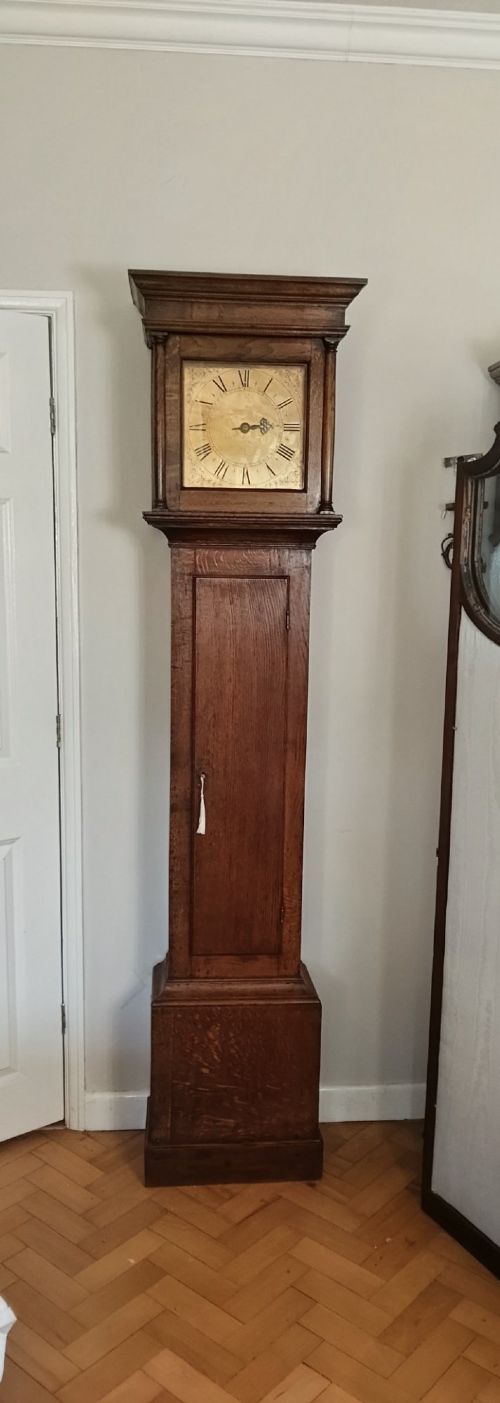
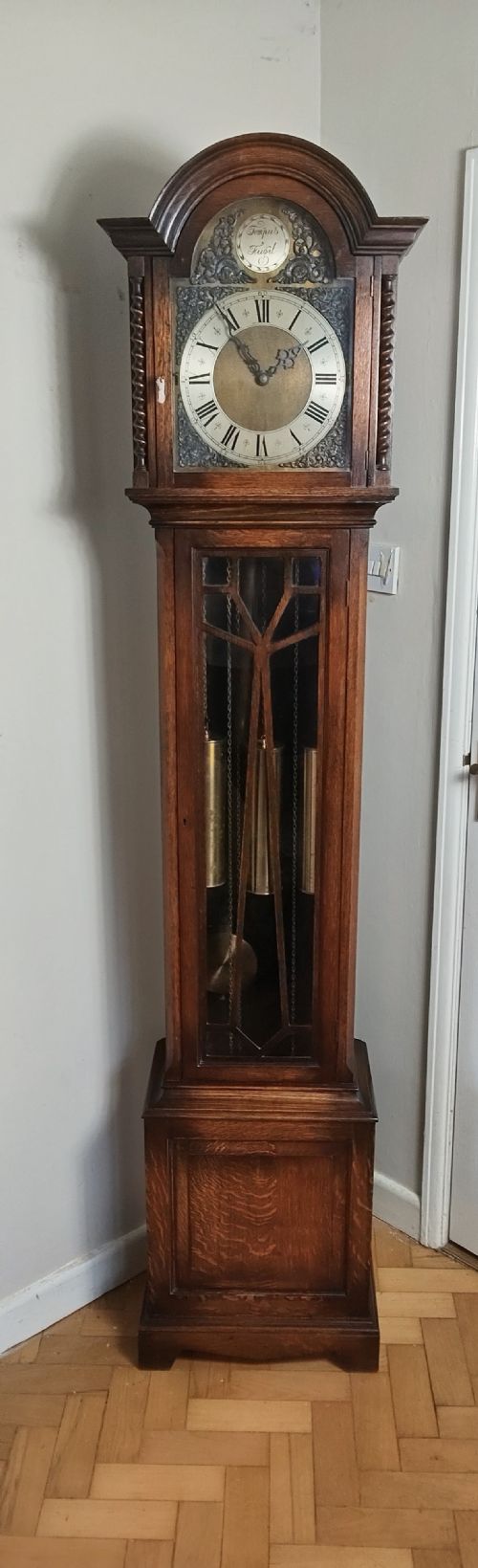
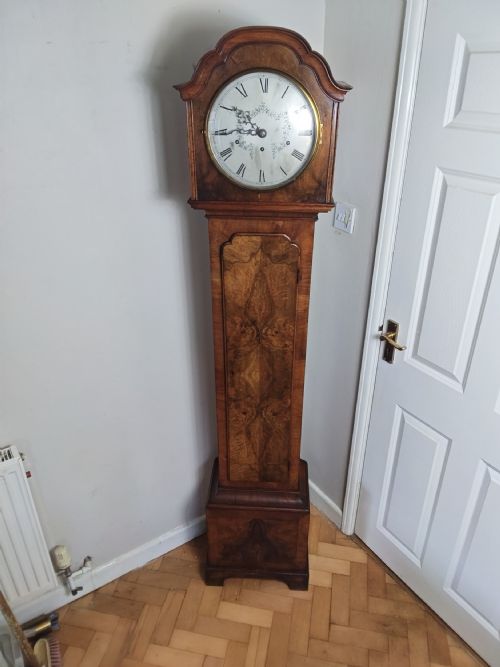
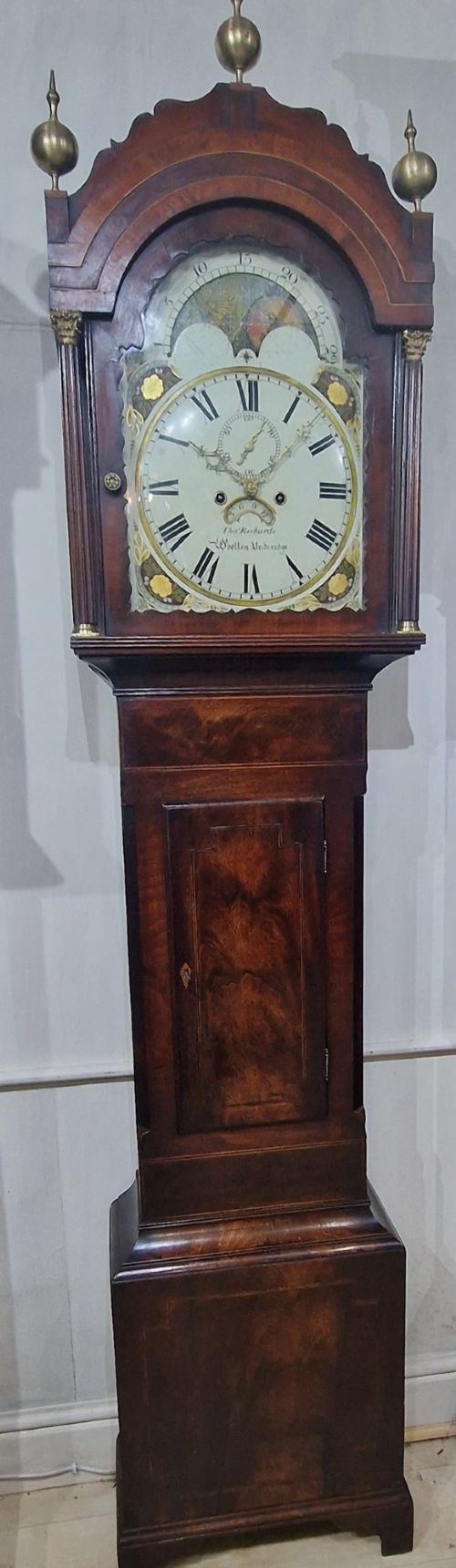
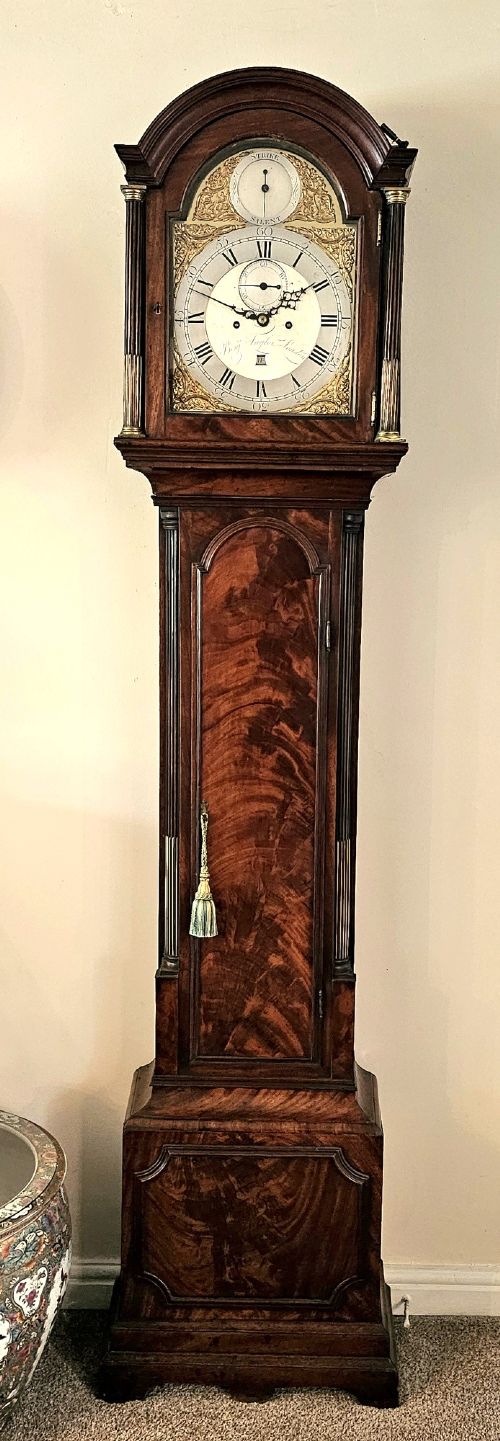
The versions most likely to meet you on this page are tall oak and mahogany longcase clocks from the eighteenth and nineteenth centuries, often signed by provincial or London makers on brass and painted iron dials. Alongside these tall examples, smaller scale walnut and mahogany grandmother or granddaughter clocks from around nineteen hundred represent more compact domestic spaces.
Materials and construction
Cabinetmakers built these tall cases primarily using native and imported hardwoods like oak, mahogany, walnut, and flame mahogany, frequently selecting burr walnut veneers for high-status examples. The timber boards were joined to house the long drop of the weights and the slow, rhythmic swing of the pendulum behind a glazed door.
Movements combine brass gears, iron plates, and steel arbors, driven by lead or iron weights suspended on cords or chains. Dials employ engraved brass, silvered chapter rings, and painted iron faces, often incorporating subsidiary seconds hands, calendar apertures, or moonphase mechanisms.
Standing Wooden Pendulum Clock Retail Price Guide 2026
Typical asking prices for standing wooden pendulum clock among the pieces listed under this phrase on Sellingantiques today, from the lower quarter to the upper quarter. They describe what is for sale here now, not the wider market.
Listings feature movements ranging from standard thirty-hour trains to complex eight-day and musical mechanisms across oak, mahogany, and walnut cases.
Distinctions in quality
The hierarchy among these timepieces rests on the harmony between the cabinetwork and the mechanical movement within. Finer examples display figured timber veneers, crisp dial engraving, and movements signed by skilled makers who incorporated musical chimes or eight-day durations rather than simple thirty-hour trains.
Proportion and dial execution separate standard production from superior work. A well-balanced case with secondary woods chosen with care and a dial bearing refined lettering and subsidiary indicators reflects the ambition of the original workshop.
Green of Edinburgh·D. Straiton, Montrose·Benjamin Taylor·Edward Upjohn·James Coster of Henley·Edward East·Joseph Knibb·John Banks Oldham·Samuel Young Nantwich·Packer Of Reading·Wm Stanford·John Harrington·Jn Wright Linton·Rob Parry Pwllheli·Joseph Windmills
The Standing Wooden Pendulum Clock Glossary
- Longcase clock
- A tall pendulum clock enclosed in a wooden case that stands directly on the floor. These pieces are frequently referred to as grandfather clocks.
- Chapter ring
- The outer ring on a clock dial that bears the numerals for the hours. On better examples, this ring is made of silvered brass.
- Grandmother clock
- A smaller, more slender version of the longcase clock, typically produced in the twentieth century. They fit lower ceiling heights than traditional grandfather clocks.
- Moonphase
- A dial mechanism that tracks the phases of the lunar cycle through a rotating disk behind an arched aperture. This complication often appears on eighteenth and nineteenth-century examples.
- Eight-day movement
- A clock mechanism that requires winding once a week rather than daily. This type utilises a heavier weight drop and additional gearing.
Standing Wooden Pendulum Clock: Frequently Asked Questions
What is the difference between a grandfather and a grandmother clock?
A grandfather clock is a tall floor-standing timepiece dating typically from the eighteenth or nineteenth century. A grandmother clock is a smaller, slender variant usually made around nineteen hundred for rooms with lower ceilings.
Both utilise a wooden case and a suspended pendulum, but the grandmother clock scales down the proportions to suit more compact domestic spaces while retaining weight-driven or spring-driven mechanical movements.
How do eight-day movements work?
An eight-day movement uses dual or triple weights suspended on lines that slowly descend inside the wooden case over the course of a week. The energy from these falling weights drives the gear train and powers the escapement.
This design requires winding every week using a key inserted into winding holes on the dial face, differing from thirty-hour movements that need daily attention.
What timber materials were used?
Cabinetmakers utilised native woods like oak alongside imported timbers such as mahogany and walnut. Flame mahogany and burr walnut veneers were reserved for finer cases to create striking grain patterns on the trunk door and hood.
Secondary woods like deal or pine often appear on internal framing and backboards, reflecting standard eighteenth and nineteenth-century workshop practices.
How do you identify a provincial maker?
Provincial makers inscribed their names and towns directly onto the brass or painted iron dial face. Signatures referencing locations such as Montrose, Henley, Nantwich, or Reading indicate regional workshops outside London.
These provincial pieces often combine local cabinet timbers with movements sourced from specialist dial makers, offering insight into regional horology.