
Standing Vitrine Cabinet
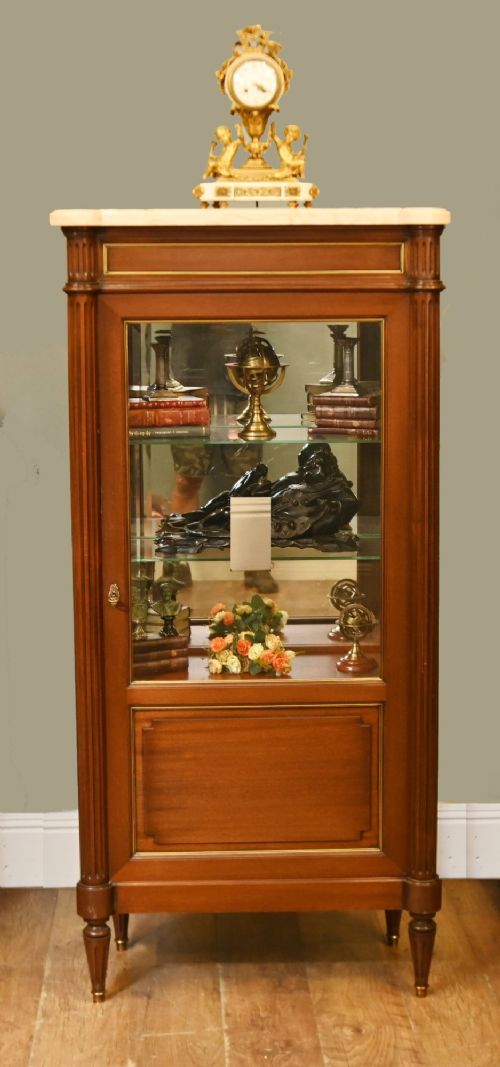
A standing vitrine cabinet displays prized possessions behind glass, offering a clear view of ceramics, silver and glassware from multiple angles.
Standing Vitrine Cabinet
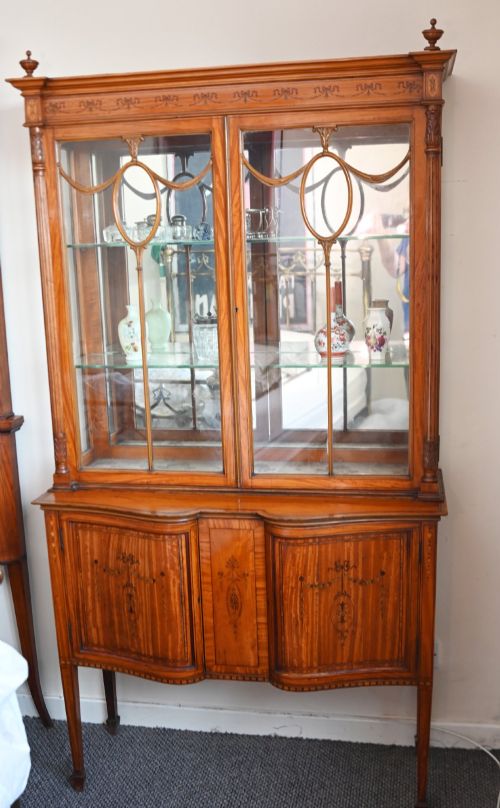
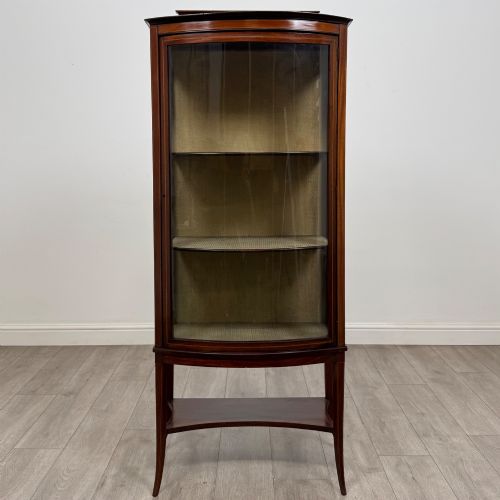
When you search for a standing vitrine cabinet, you encounter glazed display furniture designed to house precious items in domestic interiors. The pieces span periods from the Georgian era through the Victorian and Edwardian years into the 1920s.
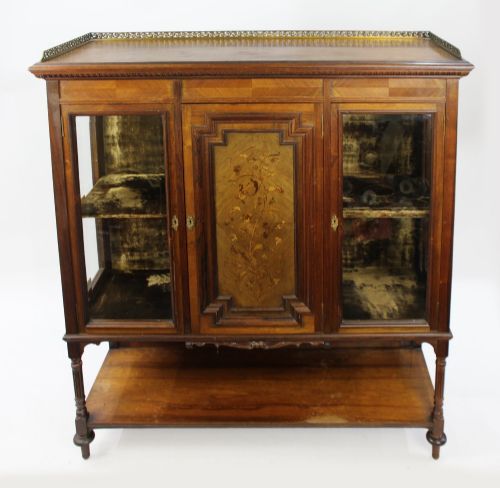
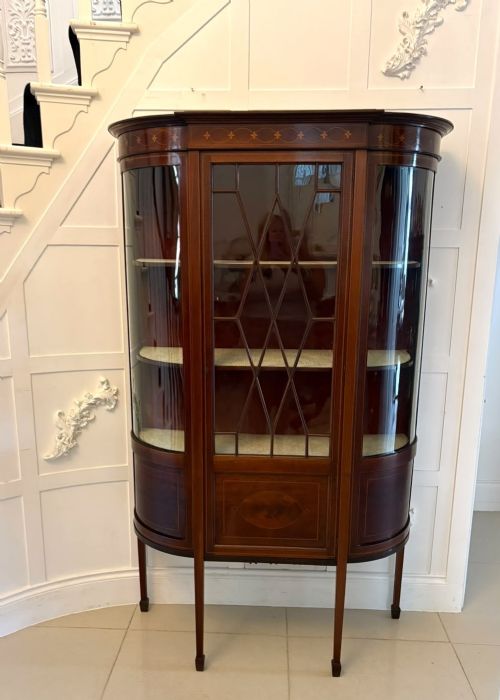
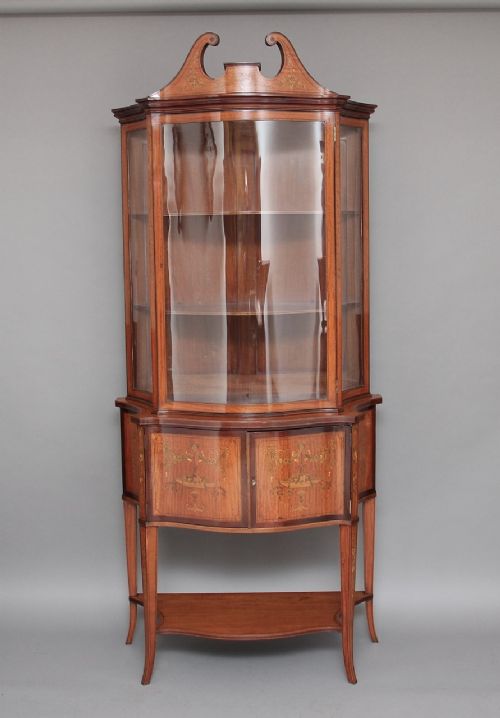
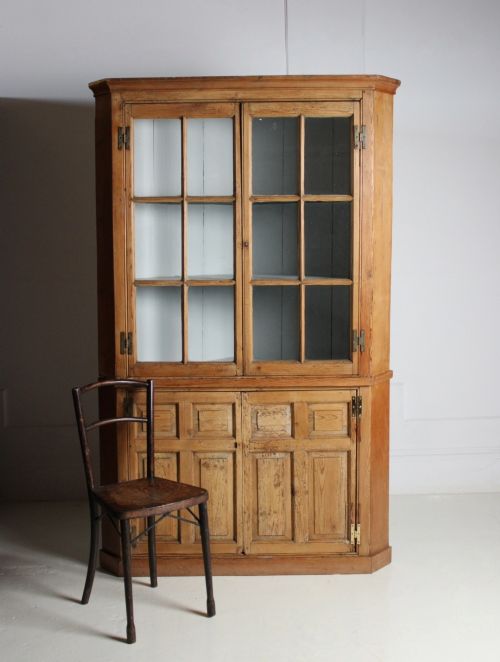
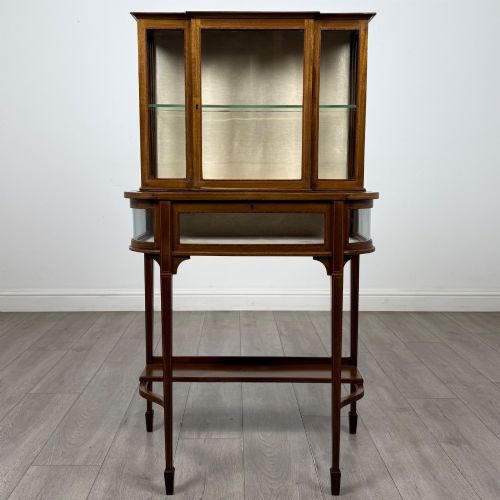
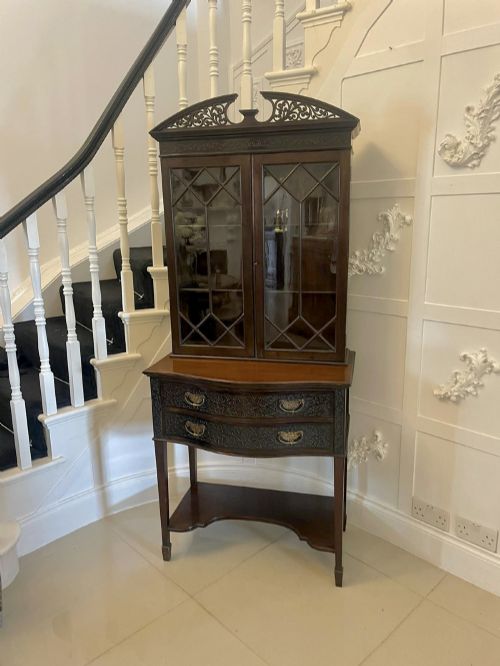
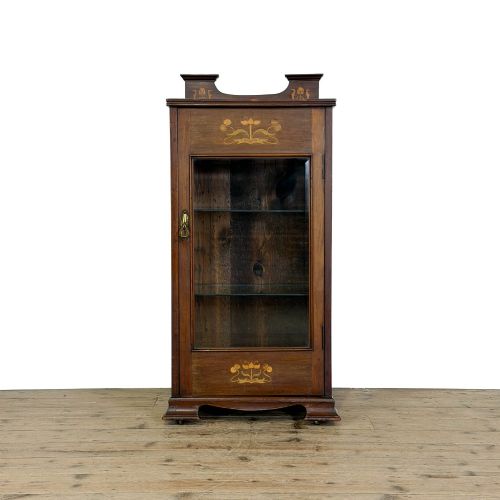
The most common examples on this page are Edwardian mahogany display cabinets featuring satinwood inlay and glass panels. These pieces often take upright rectangular forms or occupy corner spaces with glazed doors.
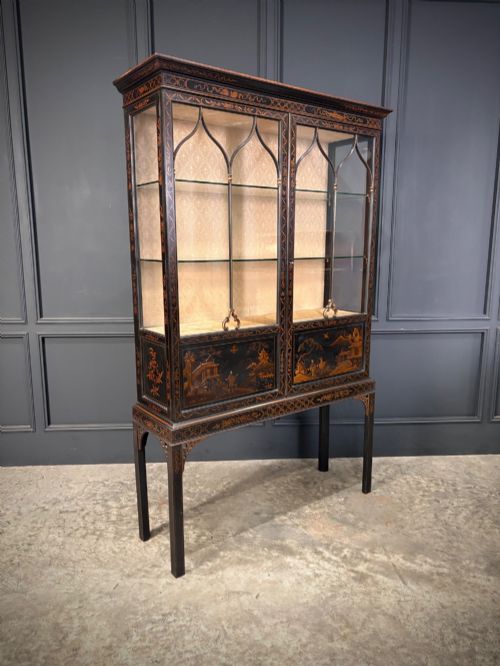
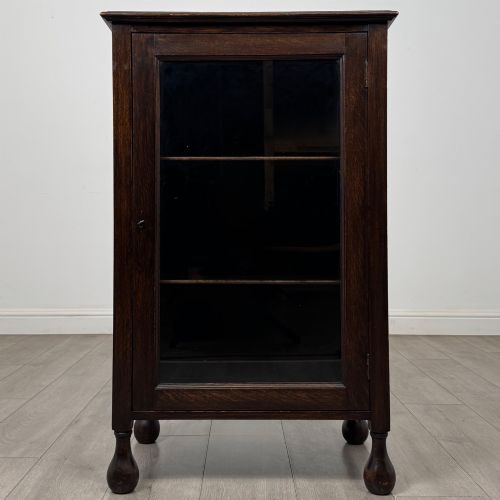
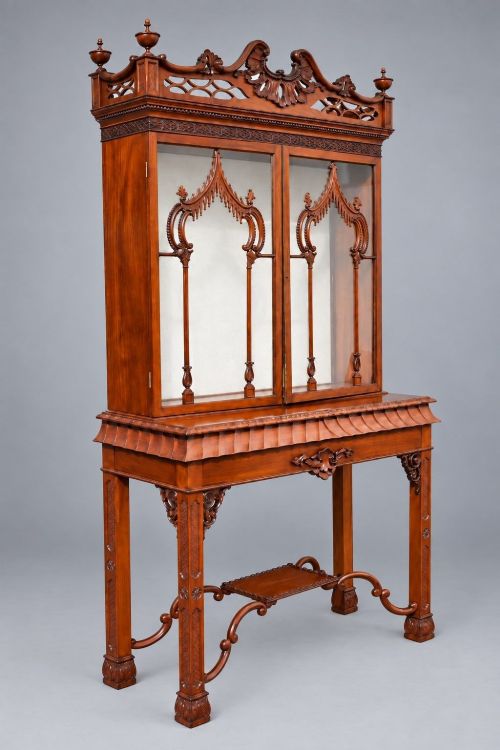
Makers such as Maple and Co and Collinson and Lock contributed to this tradition, producing floor-standing units in mahogany, walnut and rosewood. Cabinets range from straightforward pine cupboards to elaborate Chinese Chippendale style breakfront designs.
How they were made
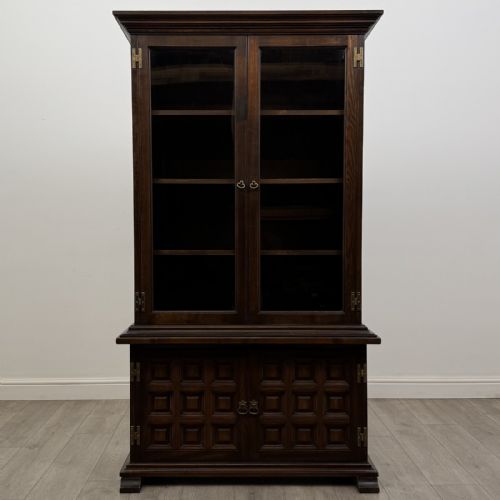
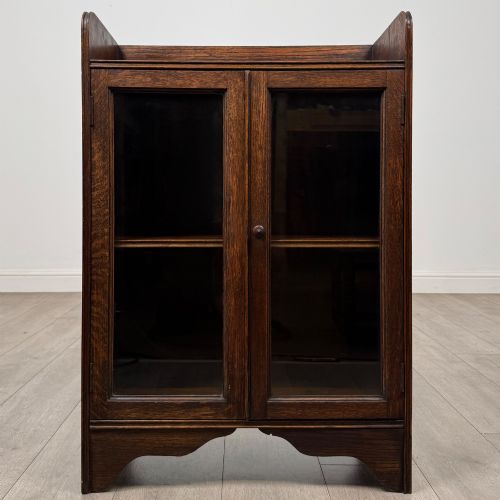
Cabinet makers utilised dense hardwoods like mahogany, walnut and oak for the primary structures, occasionally applying satinwood inlay for decorative contrast. Glass panes were secured within glazed doors, sometimes incorporating astragal bars to divide the light.
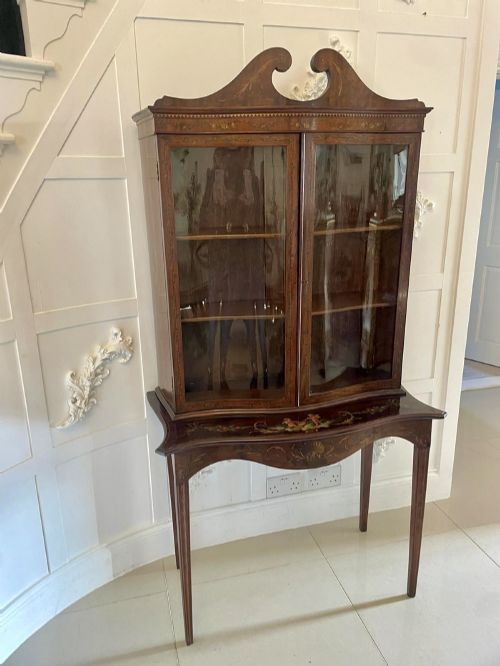
Workshops employed specialised techniques including carved ornamentation, painted decoration and mirror-backed interiors to enhance the display of objects. Structural elements frequently included brass hardware, fabric linings and sturdy stands or plinths.
What varies in quality
The degree of refinement in timber selection and cabinetwork distinguishes standard production from superior pieces. Figured veneers, intricate carved mahogany details and precise joinery indicate higher workshop standards.
The complexity of the design, such as breakfront configurations, Chinese Chippendale fretwork or original painted decoration, elevates the status of a cabinet. The presence of original glass and unblemished brass hardware further separates exceptional examples from ordinary utility furniture.
Maple and Co·Collinson and Lock
The Standing Vitrine Cabinet Glossary
- Vitrine
- A glass-sided display cabinet designed for showing porcelain, curiosities and small collectables. These pieces prioritize maximum visibility through large glazed door panels.
- Astragal
- Moulding strips that divide a pane of glass into smaller sections within a door frame. These wooden bars create a grid pattern common on Georgian and Edwardian cabinet doors.
- Inlay
- Contrasting timber or shell inserted into the surface of a piece to create decorative patterns. Satinwood inlay frequently ornaments mahogany cabinet surfaces from the Edwardian period.
- Breakfront
- A piece of furniture where the central section projects forward from the flanking sides. This architectural arrangement adds depth and presence to large display cabinets.
- Bijouterie
- A low display case or table intended for precious ornaments, jewellery and small collectables. These cabinets often feature glazed tops and sides for overhead and lateral viewing.
Standing Vitrine Cabinet: Frequently Asked Questions
How do I style a vitrine?
Arrange objects of varying height and material inside the cabinet, allowing enough empty space between items to maintain visual balance. Grouping ceramics with glassware creates texture and prevents the shelves from appearing crowded.
Position larger pieces toward the back and lower shelves while keeping delicate items at eye level. Ensure the interior lighting highlights the contents without causing excessive glare on the glass panels.
What periods are available?
Listings feature pieces spanning the Georgian era, the nineteenth-century Victorian period, the Edwardian epoch and into the 1920s. Styles range from classical Georgian forms to Sheraton Revival and Art Deco designs.
Edwardian mahogany and satinwood models appear frequently alongside Victorian carved pieces and earlier corner cupboards. Each period introduces distinct proportions and decorative vocabulary to the cabinet form.
Are these cabinets secure?
Most standing vitrine cabinets feature lockable glass doors fitted with traditional brass hardware and working keys. This mechanism keeps displayed collections safe from accidental knocks while allowing clear viewing.
Internal shelving is generally fixed or supported on wooden glides, designed to bear the weight of porcelain and silver. Heavier collections require careful distribution across the lower sections.
Where should I place a corner cabinet?
Corner cabinets utilise awkward room junctions by angling the display area outward into the living space. They suit dining rooms and drawing rooms where wall space for flat-fronted furniture is limited.
Ensure the adjacent walls allow the door to swing open fully for easy access to the shelves. Positioning the unit away from direct sunlight protects both the timber finish and the displayed contents.