


Standing Towel Horse
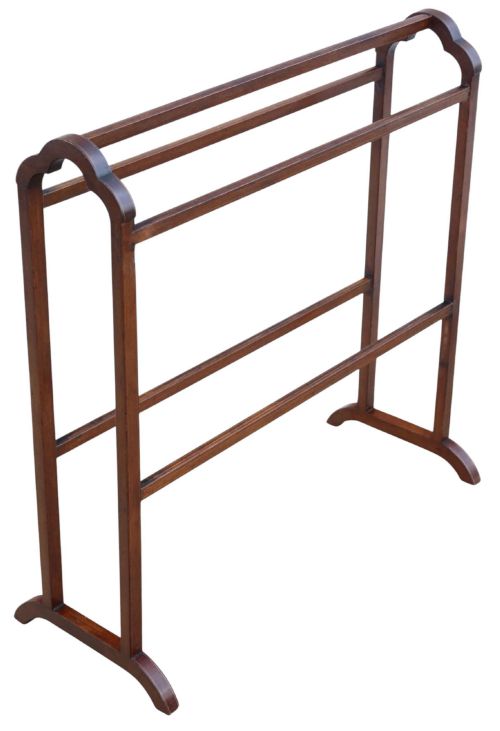
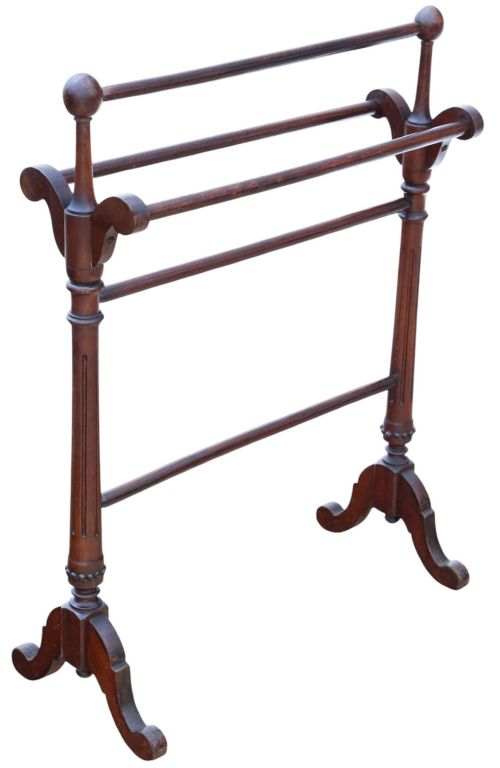
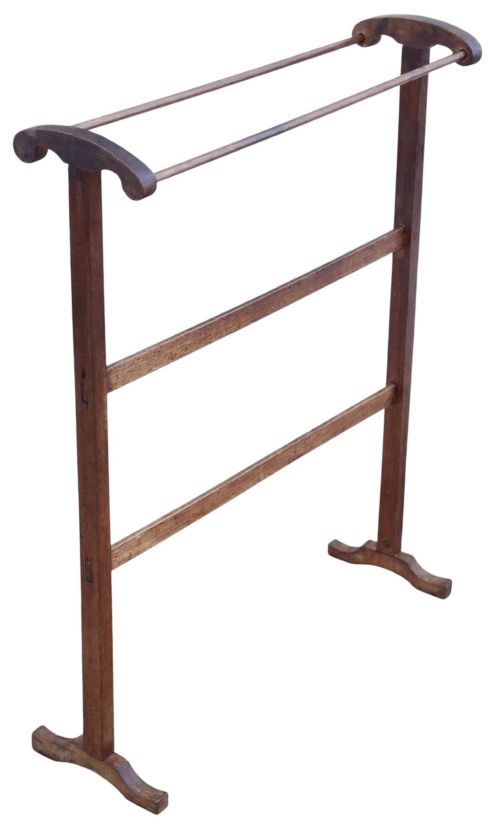
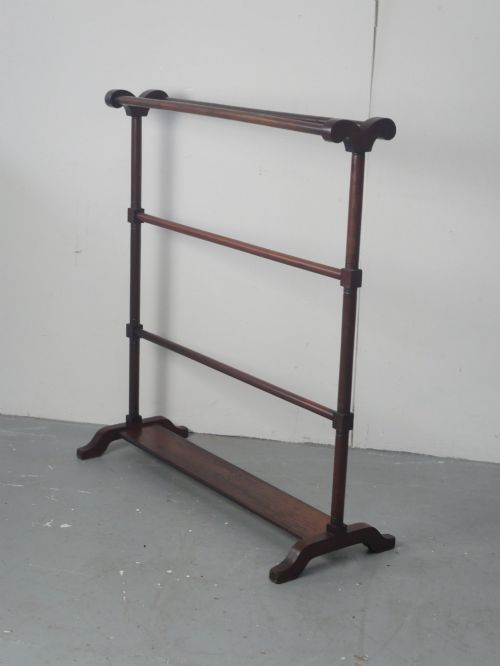
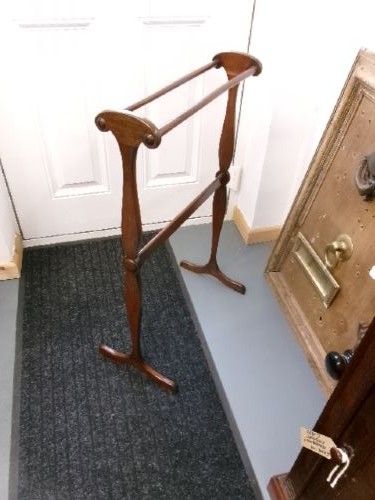
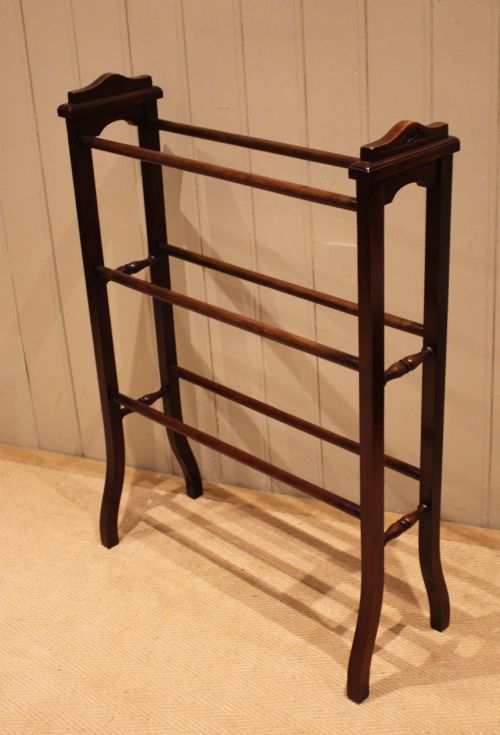
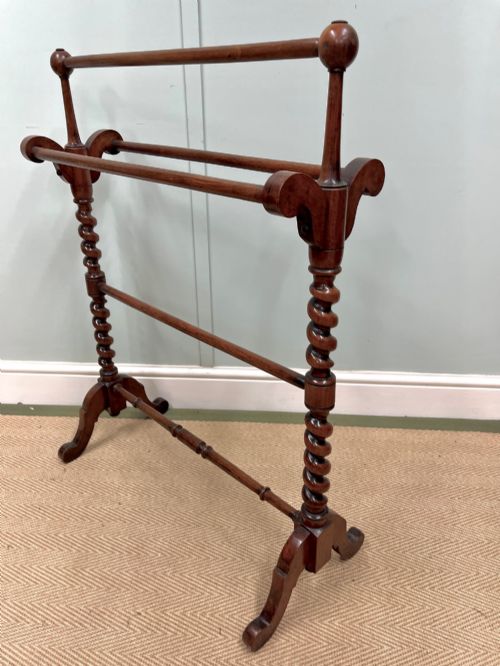
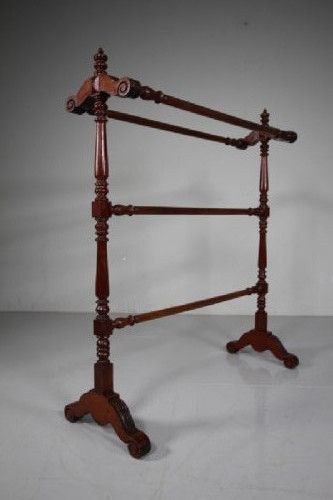
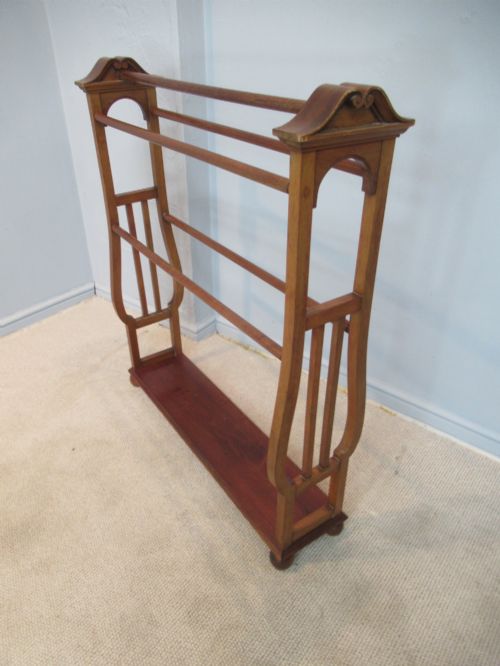
A standing towel horse is a practical piece of wooden furniture designed for drying and airing linens in bedrooms and bathrooms.
Standing Towel Horse
When you search for a standing towel horse, you encounter domestic items designed to hold and air linens, towels and clothes within period interiors. The pieces on this page span the nineteenth century, the Regency era, and the Edwardian period, alongside Victorian Gothic Revival and Arts and Crafts examples.
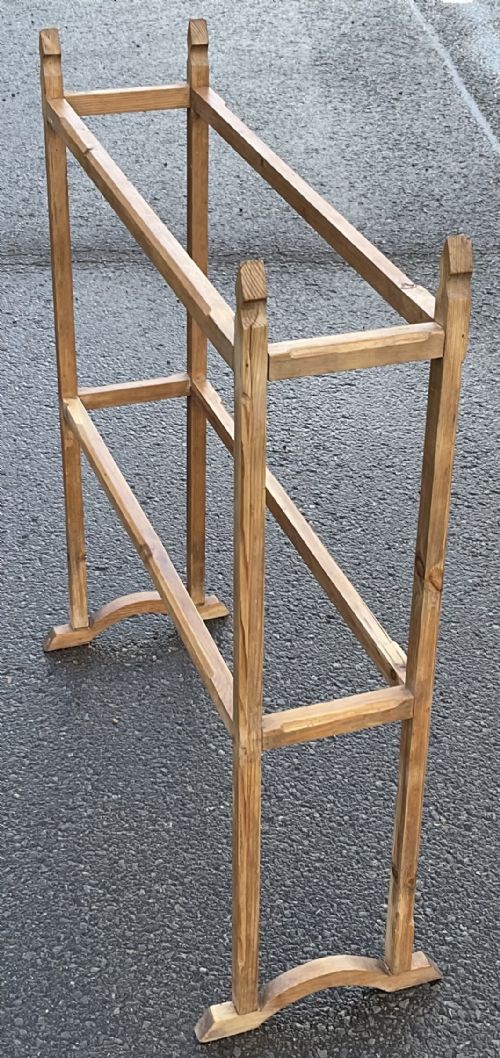
Mahogany forms the majority of these pieces, appearing frequently alongside walnut, oak, pine, and ebonised wood. You find compact single-rail items alongside large, oversized folding frames and five-bar variations intended for generous domestic spaces.
Originating primarily from nineteenth-century English workshops, these items also include distinct variations such as Chinese lacquered robe stands. The primary forms function as towel rails, airers, and clothes racks constructed for daily household utility.
Materials and construction techniques
Cabinetmakers utilised solid timbers such as mahogany, oak, walnut, and pine to construct the vertical supports and horizontal rails. Selected pieces incorporate decorative elements including satinwood inlay, brass fittings, and black ebonised finishes.
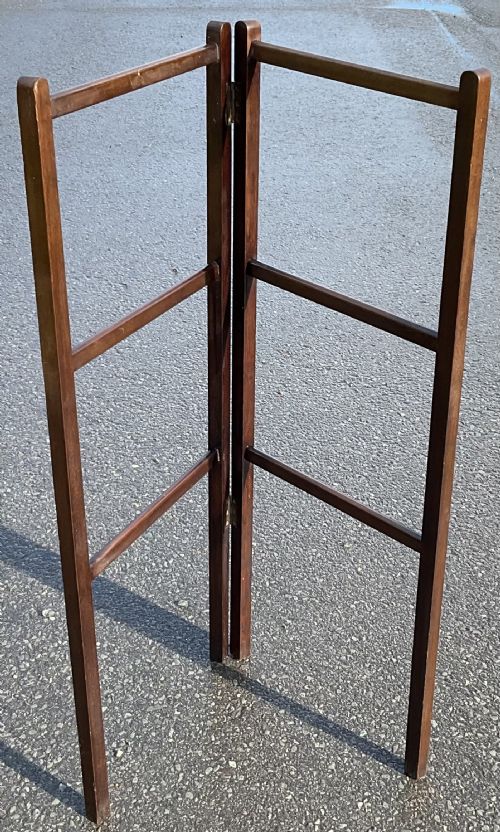
Joinery techniques ranged from simple pegged wooden frames to folding hinges that allowed multi-fold structures to collapse when not in use. Larger freestanding items relied on sturdy side supports and substantial feet to maintain stability under heavy damp textiles.
Some five-bar folding models possess enough hinged joints to rival an antique screen, turning simple laundry day into an exercise in origami.
Distinctions in construction and finish
Quality rests on the selection of timber and the crispness of any decorative additions, such as inlaid satinwood or fine turning on the uprights. Finer examples display carefully joined frames that remain rigid and square, avoiding the looseness found in utilitarian utility pieces.
The presence of secondary woods, the finish applied to the timber, and the scale of the piece dictate its standing. Generous proportions and thoughtful detailing separate standard washstand accessories from substantial country house furniture.
Gillows
The Standing Towel Horse Glossary
- Ebonised Wood
- Timber treated with a dark stain or chemical process to imitate ebony. This dark finish gained popularity during the Victorian period for accentuating formal furniture forms.
- Satinwood Inlay
- Decorative contrasting wood veneer inserted into recesses within a primary timber surface. Cabinetmakers utilised this technique to create geometric or floral patterns on Edwardian pieces.
- Gothic Revival
- An architectural and design movement drawing inspiration from medieval forms. Pieces display pointed arches, quatrefoils, and heavy structural framing.
- Arts and Crafts
- A design movement prioritising traditional craftsmanship and honest construction over mass production. Objects from this tradition feature straightforward joinery and visible timber grain.
Standing Towel Horse: Frequently Asked Questions
How were standing towel horses used originally?
These items stood in bedrooms, dressing rooms, and nurseries to hold freshly washed linens, garments, and towels near a fireplace or radiator. They allowed household textiles to dry and air between uses.
Servants moved them around the house depending on where laundry needed drying or warming before being returned to bedchambers.
Where did people place towel horses in period homes?
Homeowners positioned them close to bedroom washstands or near hearths where heat circulated effectively. Their portable freestanding nature meant they could be shifted out of sight when guests arrived.
Larger multi-fold versions stood against dressing room walls to organise multiple garments and linens simultaneously.
How do I care for an antique wooden towel rail?
Maintain the timber by applying a traditional beeswax polish periodically to nourish the dry wood and preserve the surface sheen. Avoid placing damp or wet textiles directly onto vulnerable antique finishes to prevent water staining.
Keep the piece away from direct heat sources and sudden temperature shifts that might cause the wood to warp or split over time.
How can I tell an Edwardian towel rail from a Victorian one?
Victorian examples tend to use heavier timbers like solid mahogany or walnut with darker finishes, occasionally incorporating Gothic Revival details. They often feature robust turnings and substantial structural proportions.
Edwardian pieces generally present a lighter aesthetic, frequently incorporating satinwood inlay, simpler lines, and pine or lighter mahogany construction.