

Standing Picture Frame
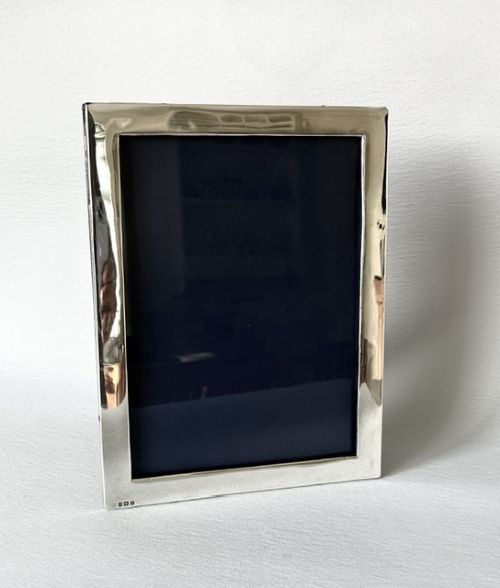
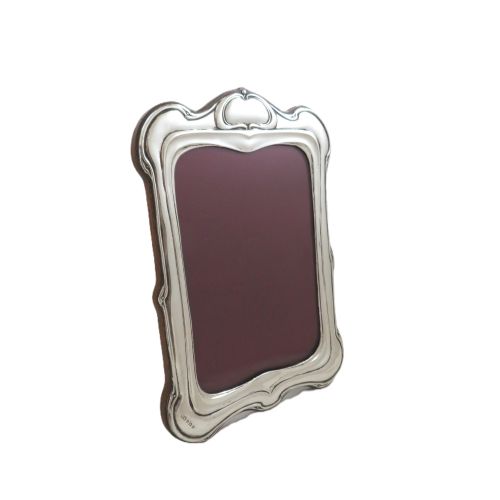
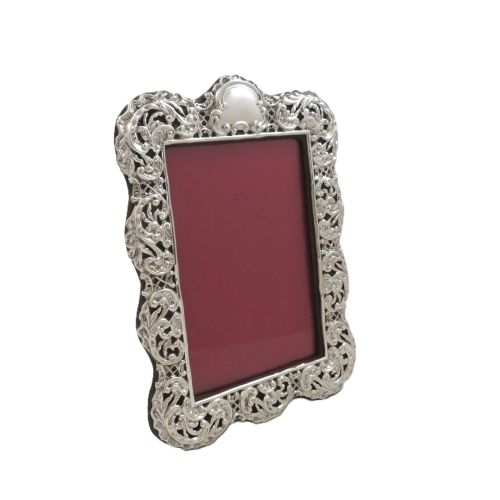
A standing picture frame holds a portrait upright on a desk or mantelpiece, combining decorative metalwork, carved wood or glass with a functional rear strut.
Standing Picture Frame
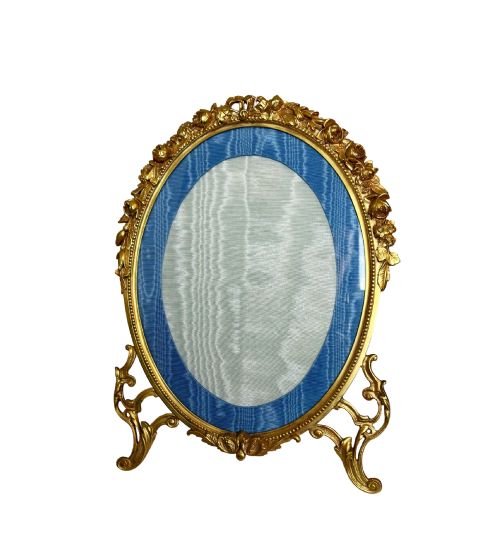
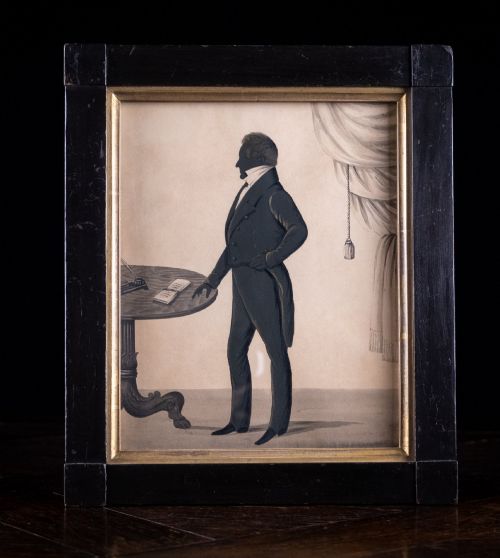
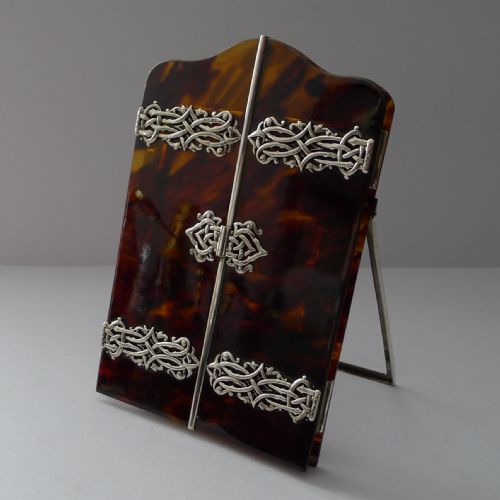
A standing picture frame is designed to display a photograph, silhouette or miniature portrait on a flat surface without requiring wall mounting. The selection spans the Victorian and Edwardian eras through to the Art Deco period, encompassing table mirrors and display easels alongside standard photo frames.
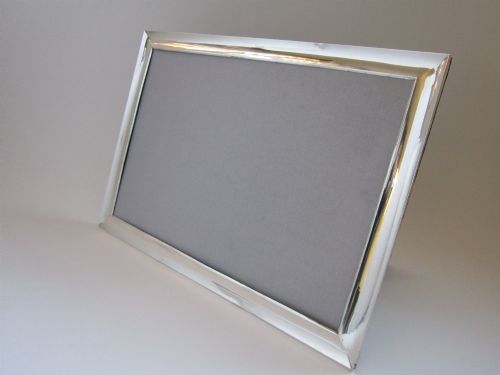
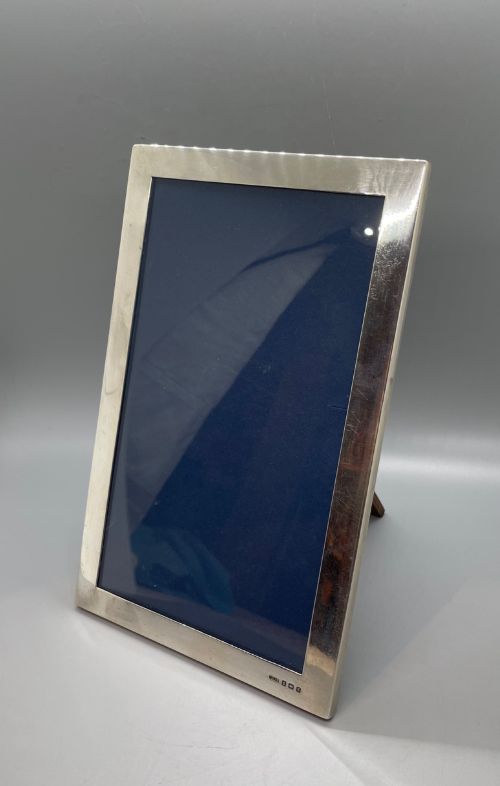
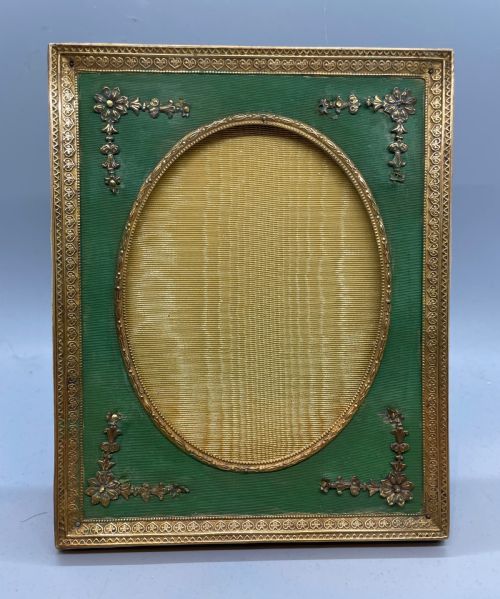
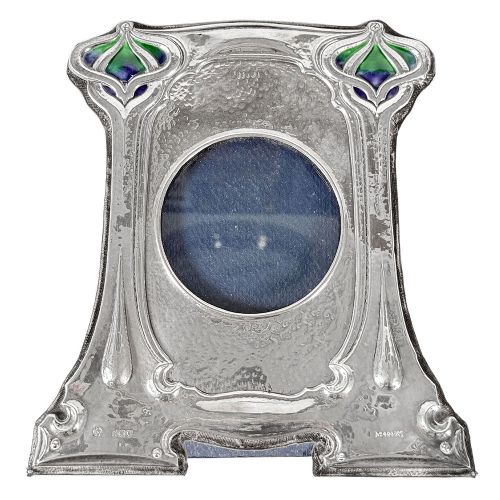
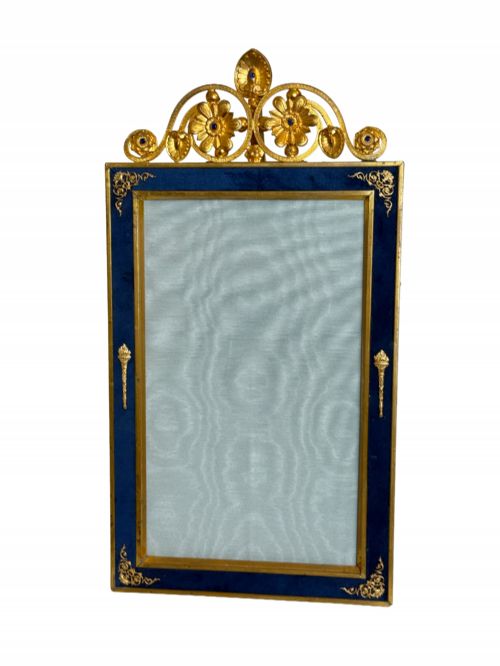
The most frequent examples encountered here are sterling silver photograph frames from the early twentieth century, often bearing hallmarks from Birmingham or Chester. These sit alongside French ormolu, gilt bronze, carved oak and nickel-plated pieces dating from the nineteenth and early twentieth centuries.
Materials and Construction
Makers constructed these pieces using sterling silver, brass, gilt bronze and nickel-plated metal over wooden cores, frequently incorporating velvet, fabric or leather for the backing materials and struts. Metalwork techniques involved embossing floral borders, engine-turning, and casting ormolu mounts in styles ranging from Art Nouveau to Louis XVI Revival.
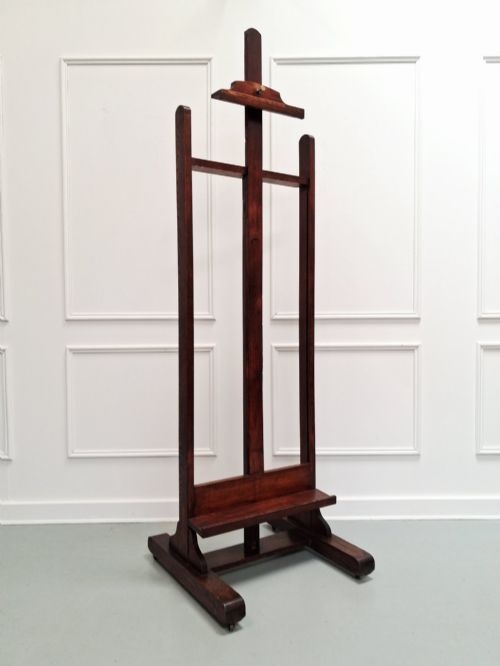
Wooden variants rely on oak and mahogany, often featuring carved details or folding display easel formats. Glazing protects the portrait within, supported by hinged brass or metal struts attached to the reverse.
Listings feature sterling silver, oak, brass, and gilt bronze, spanning the Victorian, Edwardian, and Art Deco periods.
Distinctions in Quality
Quality rests on the crispness of the metal embossing, the weight and purity of the silver or bronze, and the integrity of the original backing materials such as leather or velvet. Pieces by named makers or silversmiths demonstrate superior hand-finishing in decorative borders and joinery.
The survival of original glass, intact struts, and uncompromised hinges distinguishes preserved examples from those altered or repaired over time. The sophistication of the decorative style, whether restrained plain borders or intricate Art Nouveau organic lines, dictates the visual impact.
William Hutton and Sons·Pinci Roma·Syner and Beddoes·Chapman Brothers Chelsea
The Standing Picture Frame Glossary
- Strut
- A hinged support attached to the back of a frame that allows it to stand upright on a table. It is typically covered in velvet, silk fabric or leather.
- Ormolu
- Gilded bronze or brass mounted onto decorative objects or frames, popular in French and English pieces from the nineteenth century.
- Hallmark
- An official stamp applied to precious metals in Britain, indicating the assay office, metal standard, and year of manufacture.
- Engine-turning
- A mechanical technique used to engrave precise geometric patterns onto metal surfaces, frequently seen on silver photo frames.
- Easel
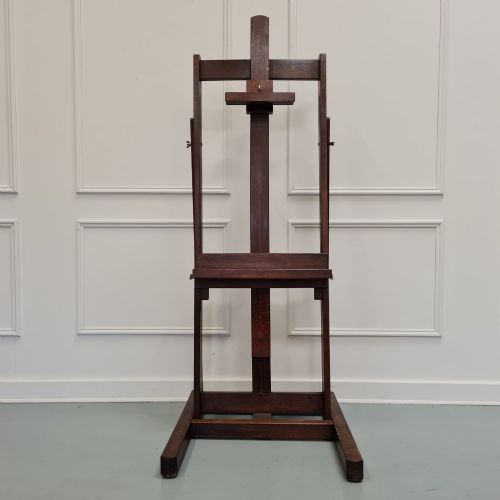
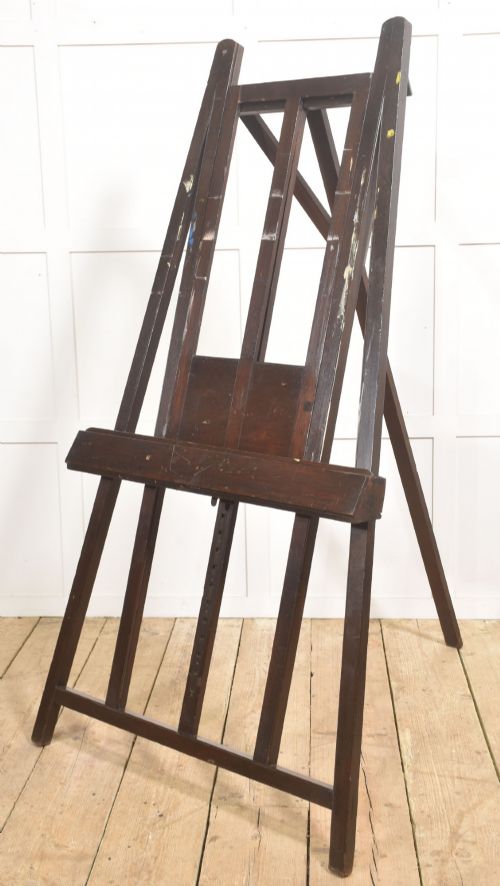
- A framework used to support a picture or mirror upright, occurring in miniature table versions made of carved oak or brass.
Standing Picture Frame: Frequently Asked Questions
How do I date a silver photo frame?
Dating relies primarily on the hallmarks stamped into the metal, which record the assay office, purity and year letter. Stylistic markers such as embossed floral Art Nouveau borders or geometric Art Deco lines also indicate the period.
Backing materials and structural fittings further help narrow down the decade of manufacture when hallmarks are absent or rubbed.
What backs are original to these frames?
Original backs commonly consist of wood, often oak or mahogany, covered in black or coloured leather, velvet or watered fabric. These are fitted with an integrated metal or wooden strut hinged to support the frame upright.
Replacement wooden panels and modern fixings indicate later repairs that affect the originality of the piece.
Can I polish antique silver frames?
Silver frames benefit from gentle cleaning with a soft cloth and appropriate silver polish to maintain the metal finish without wearing down embossed details or hallmarks. Care must be taken to avoid staining delicate backing materials like velvet, silk or leather.
Unpolished silver develops a natural dark tarnish over decades, which many collectors prefer to leave undisturbed.
What is the difference between a photo frame and a table mirror?
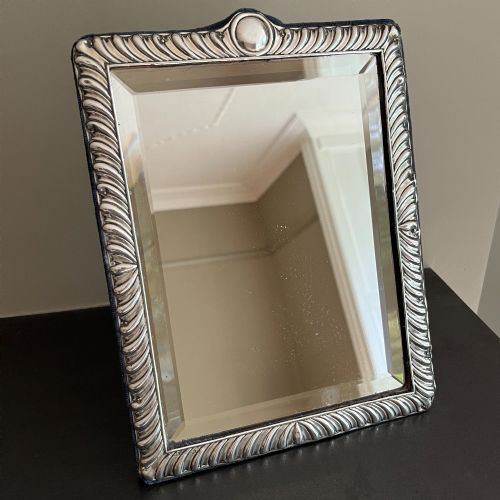
While both share easel backs and similar decorative borders in silver, brass or ormolu, a photo frame contains glazing backed by a panel to hold a portrait. A table mirror substitutes the internal photograph with a reflective glass plate.
Both formats served identical decorative functions on Victorian and Edwardian dressing tables and mantelpieces.