
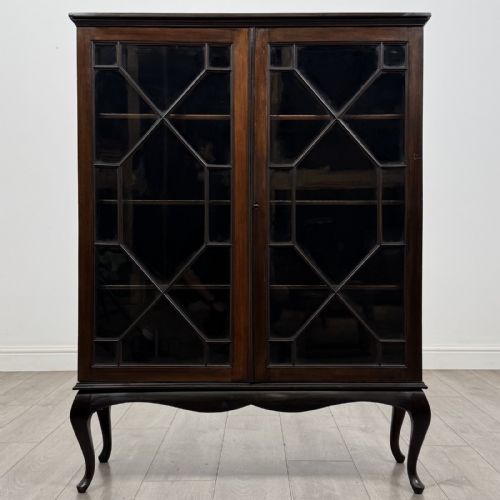
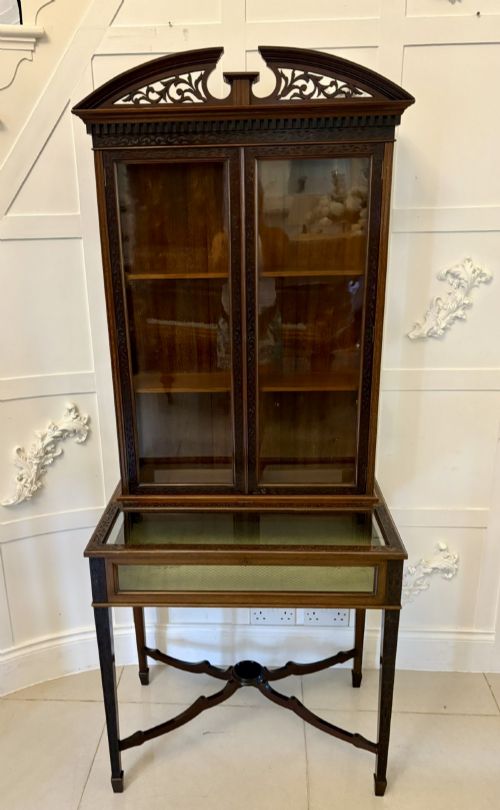
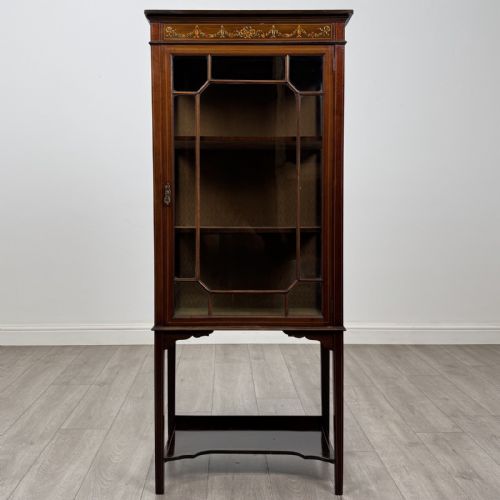
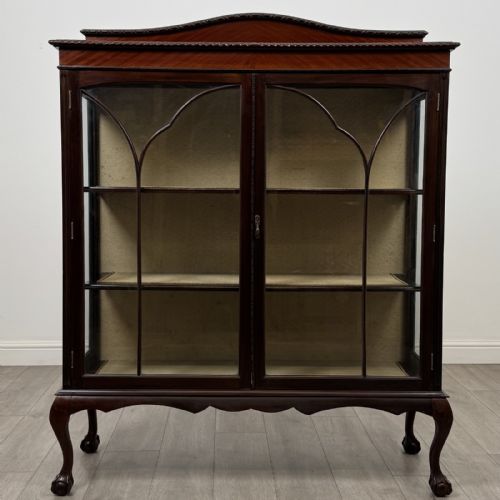
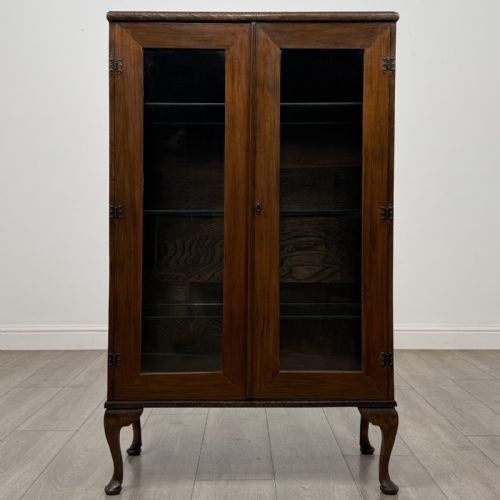
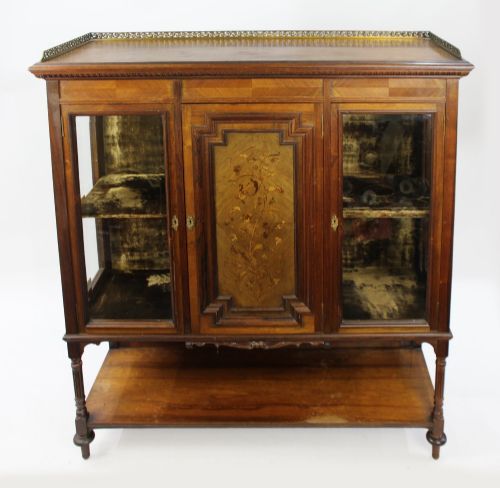
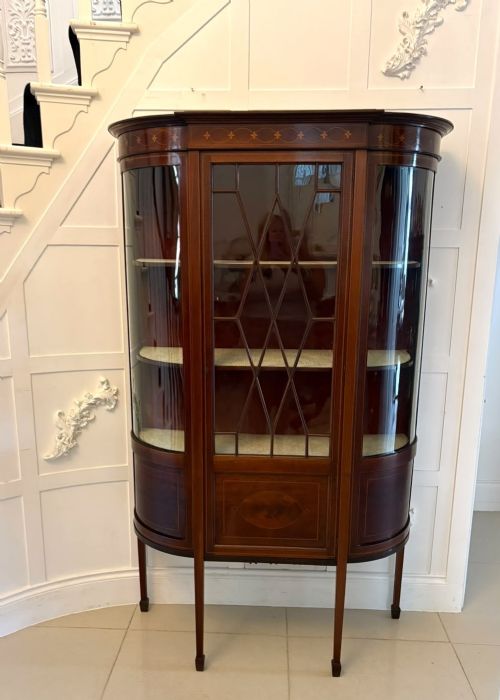
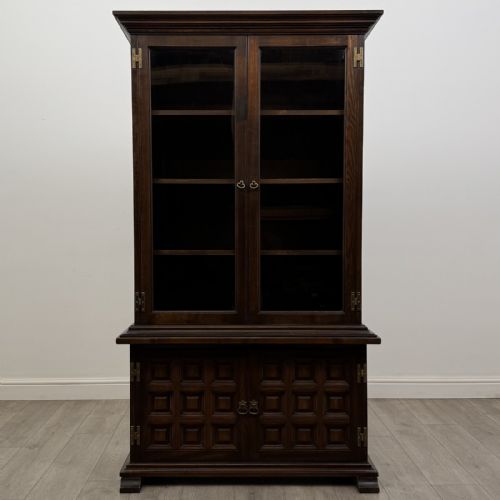
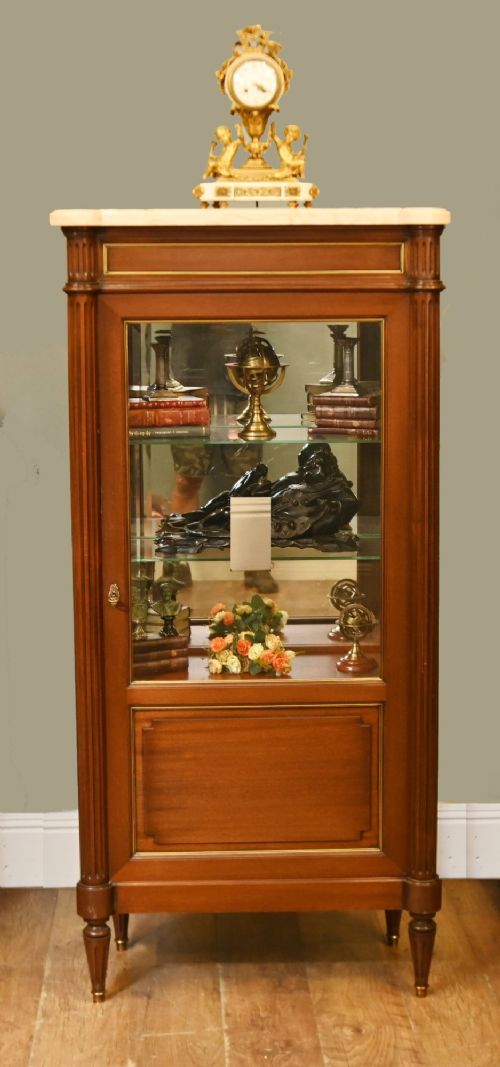
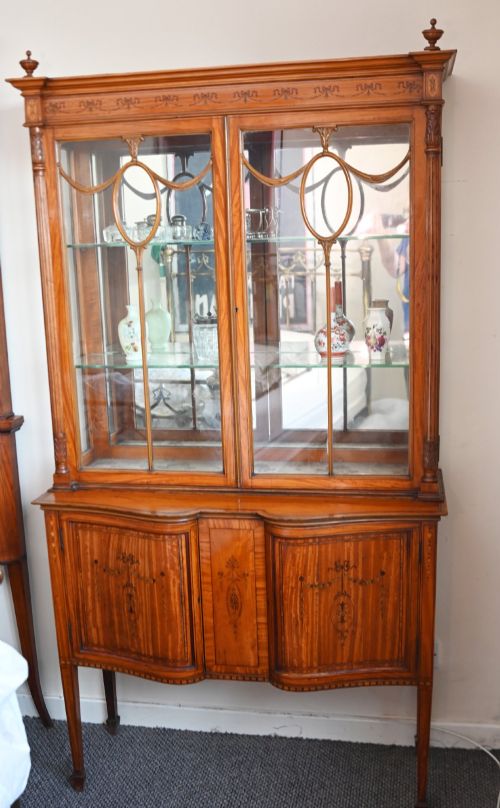
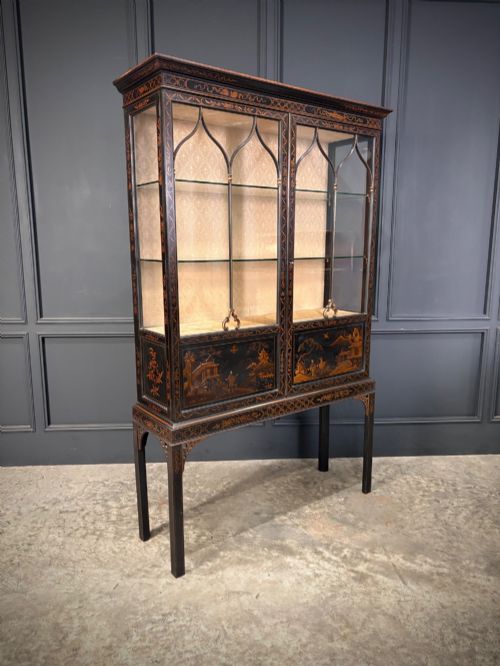
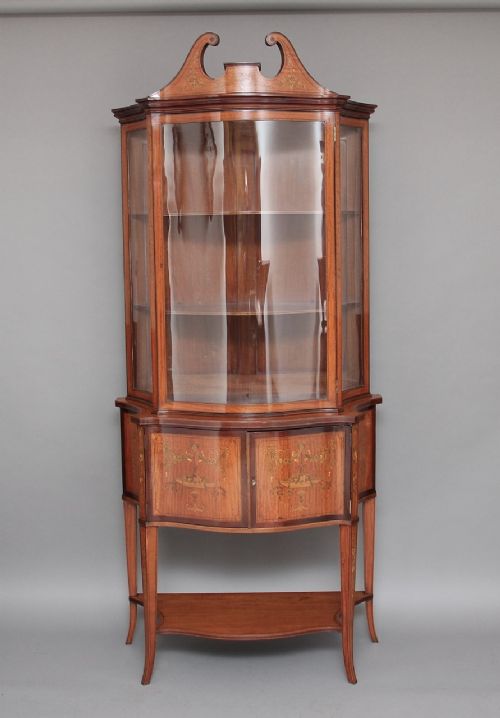
Standing Glass Display Cabinet
A standing glass display cabinet brings light and visibility to cherished objects, framing them behind clear panes for modern rooms.
Standing Glass Display Cabinet
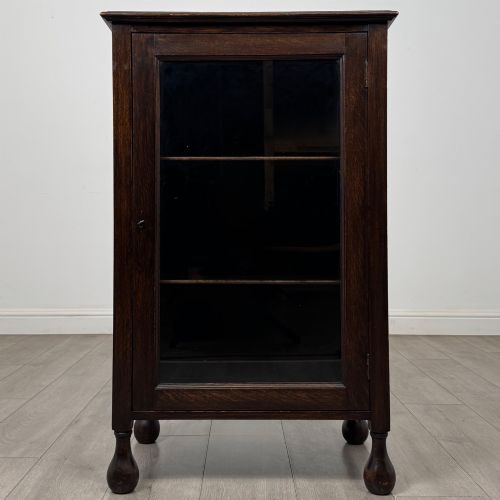
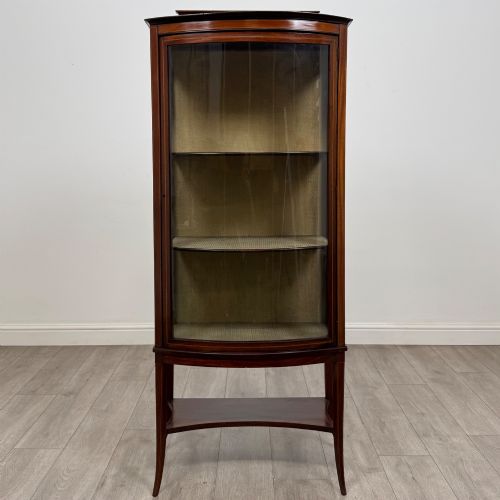
A standing glass display cabinet serves to elevate porcelain, silver and books while protecting them from dust behind glazed doors. The pieces seen on this page span several centuries, reaching from Georgian and Victorian eras through Edwardian times and into the early twentieth century.
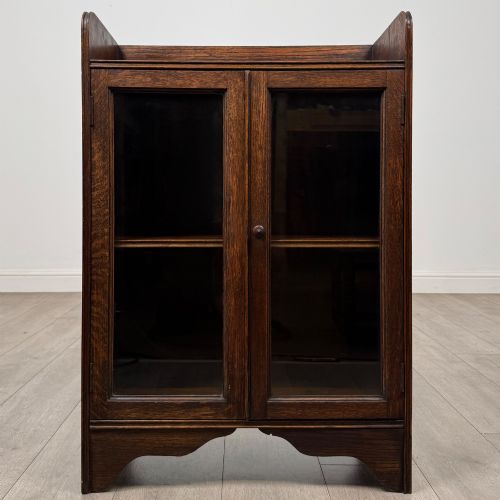
Mahogany forms the backbone of these selections, often enriched with satinwood inlay or brass fittings. Alongside traditional upright display cabinets, buyers encounter corner cabinets, side cabinets and music cabinets.
Edwardian pieces dominate the current selection, frequently rendered in inlaid mahogany with glazed panels. Victorian iterations bring darker timbers like burr walnut and carved mahogany, while earlier Georgian examples display architectural proportions.
Materials and construction
Cabinet makers relied primarily on mahogany, walnut and oak as structural timbers, frequently applying fine veneers and satinwood inlay to create decorative contrast on door panels and friezes. Pine appears in country pieces built for utilitarian domestic use.
Glass is set into timber frames using astragal bars or plain glazing bars to divide the light. Brass hardware secures the doors, while fabric linings occasionally back the interior shelves to showcase porcelain and glassware.
Even music cabinets occasionally found new life housing china.
Craftsmanship and detail
Quality rests in the crispness of the timber carving, the precision of the satinwood inlay and the weight of the brass fittings. Finer pieces demonstrate careful selection of figured walnut or figured mahogany veneers that match symmetrically across the door panels.
The integrity of the original glazing bars and the clarity of the glass panes distinguish standard production from high workshops. Subtle details such as hand-painted decoration or original fabric linings separate ambitious commissions from simpler utilitarian cupboards.
Gabriel Viardot·Maple & Co.·Liberty & Co.·James Winter & Sons
The Standing Glass Display Cabinet Glossary
- Astragal
- A moulding profile used to divide glass panes within a door. These slender wooden bars form geometric grids across display cabinets.
- Satinwood inlay
- A contrasting pale timber inserted into darker primary woods like mahogany. This technique creates delicate borders and classical motifs on Edwardian furniture.
- Vitrine
- A glass-fronted cabinet designed specifically for displaying fine porcelain or curiosities. The term originates from the French word for glass.
- Bijouterie cabinet
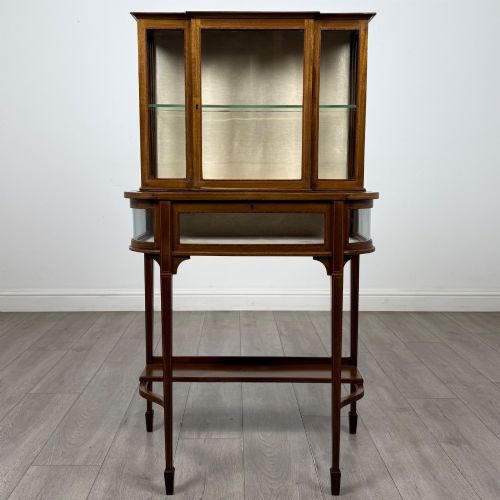
- A glazed display case with a shallow glass-topped compartment intended for small valuables and jewellery. These pieces often stand on slender tapered legs.
- Corner cabinet
- A triangular form built to fit neatly into a room angle. Many feature curved glass doors and internal wooden shelving.
Standing Glass Display Cabinet: Frequently Asked Questions
What is a standing glass display cabinet?
A standing glass display cabinet is a floor-standing piece of furniture featuring glazed doors or panels designed to exhibit decorative objects while keeping them enclosed.
These pieces typically contain interior shelving and range from upright mahogany cabinets to corner units and side tables with glass tops.
How do I date a display cabinet?
Dating relies on observing the prevailing timber choices, construction methods and decorative styles present in the piece. Edwardian cabinets frequently utilise inlaid mahogany, while Victorian examples often feature burr walnut or heavier carved details.
Georgian pieces display earlier proportions and cabinet-making techniques, such as hand-cut dovetails and heavier astragal glazing bars.
Where should I place my cabinet?
These cabinets suit dining rooms, living spaces and hallways where natural light can pass through the glass doors. Corner versions make effective use of unused room angles without dominating floor space.
Keep wooden cabinets away from direct sunlight and strong heat sources to protect the timber and veneer surfaces from drying out.
What items fit inside these cabinets?
Glass display cabinets traditionally house collections of porcelain, glassware, silver and small sculptures. The enclosed shelving protects delicate items from accidental damage and airborne dust.
Shallow bijouterie variants suit smaller items like medals, coins and jewellery viewed through a top glass panel.