




Standing Easel Frame
A standing easel frame holds a treasured photograph or miniature upon a desk or table, supported by its own hinged rear prop.
Standing Easel Frame
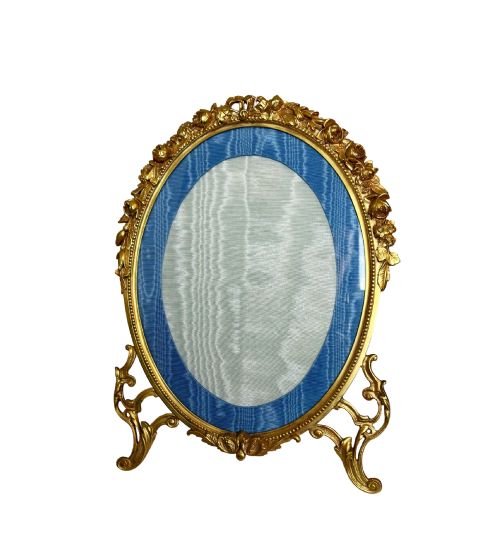
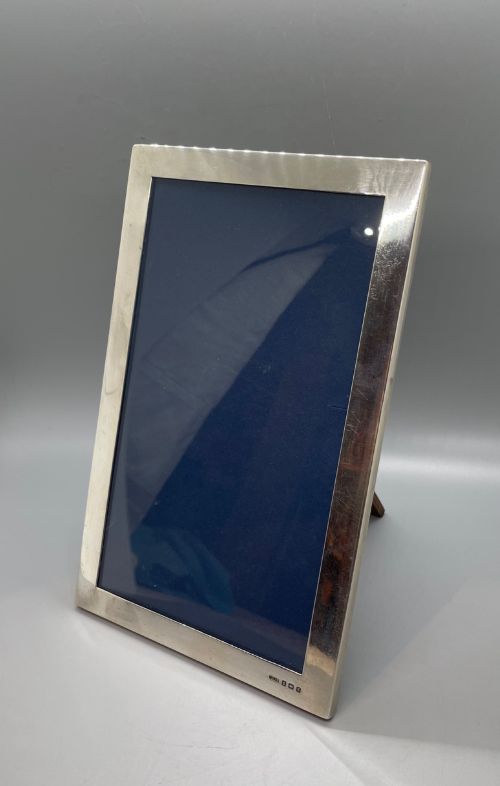
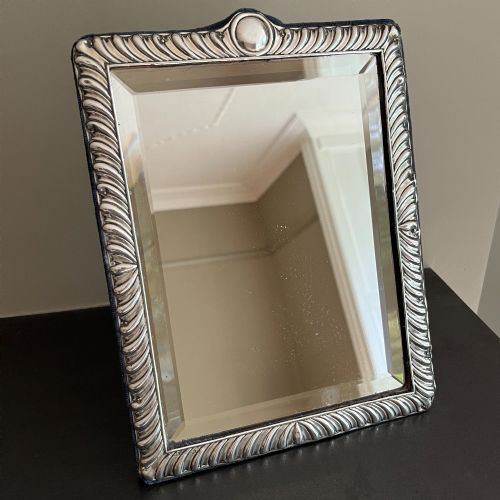
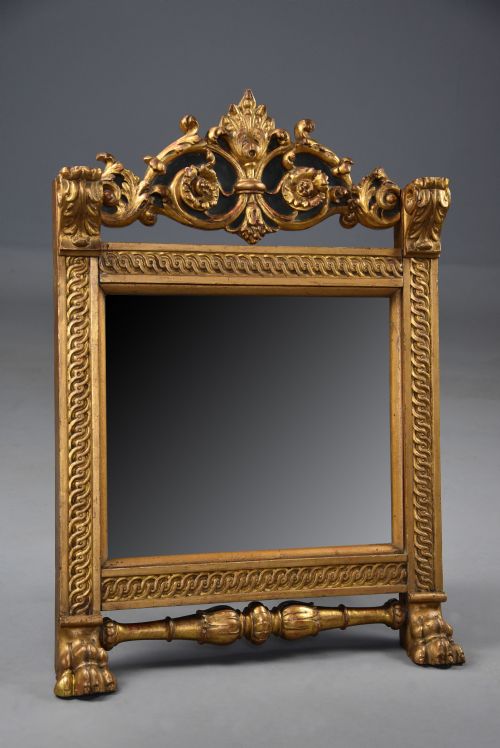
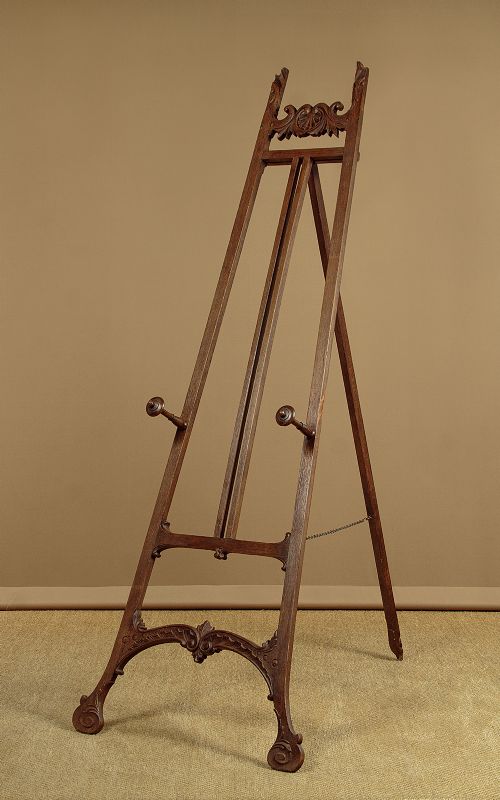
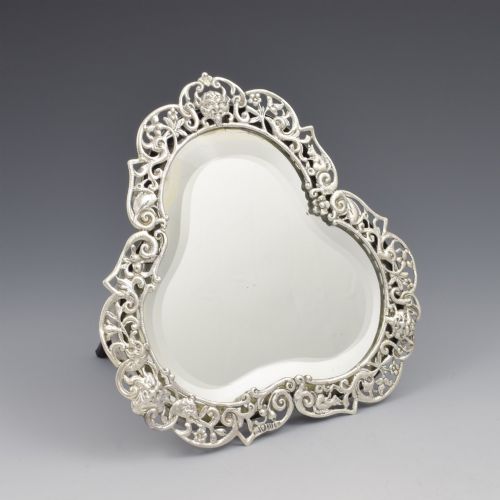
A standing easel frame serves primarily to display portrait photographs, miniature paintings and small mirrors on horizontal surfaces. These pieces range from compact tabletop novelties to substantial studio display stands.
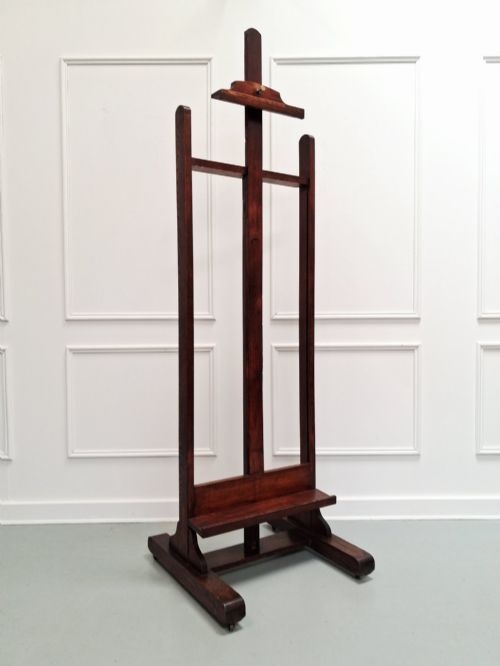
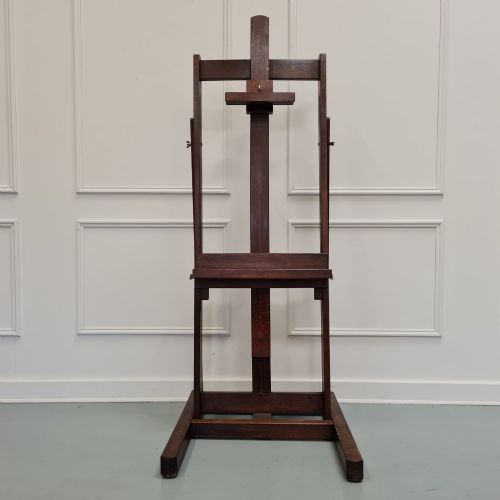
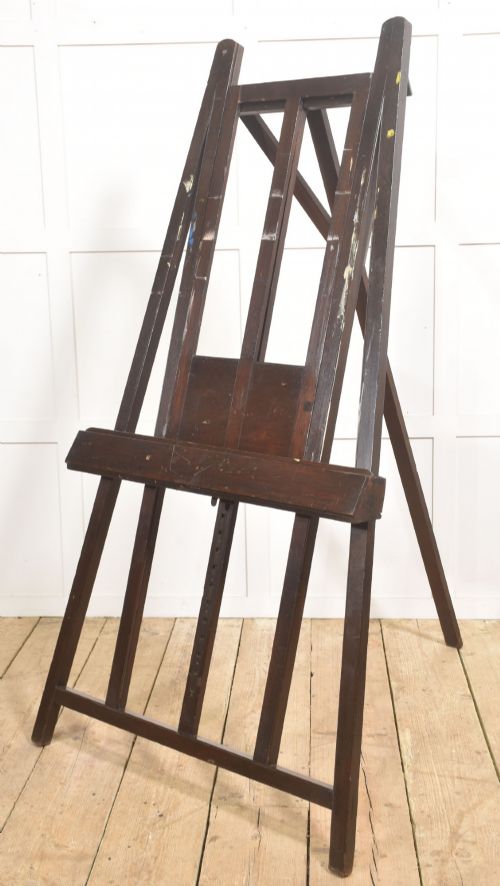
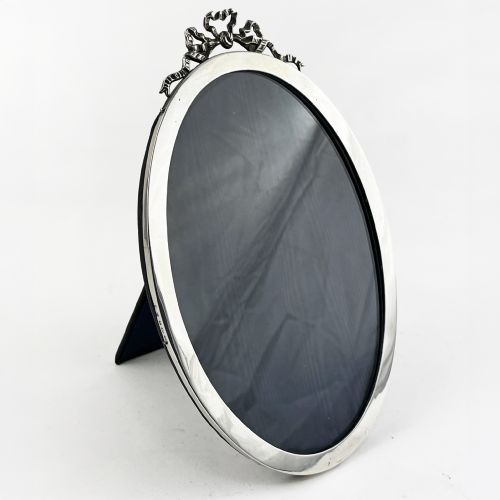
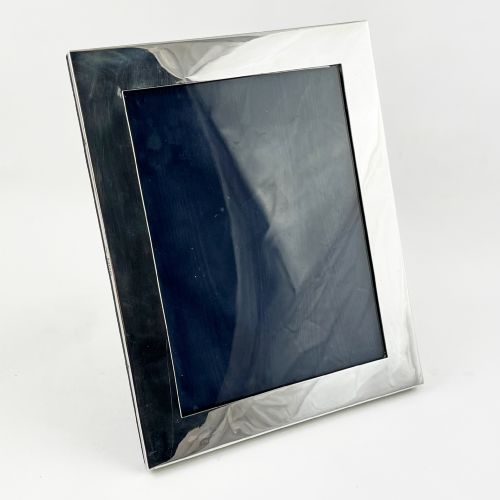
The selections available span the Victorian and Edwardian eras through to the early decades of the twentieth century. Common forms include oval and rectangular picture frames alongside dedicated dressing table mirrors and oak display easels.
Materials and construction
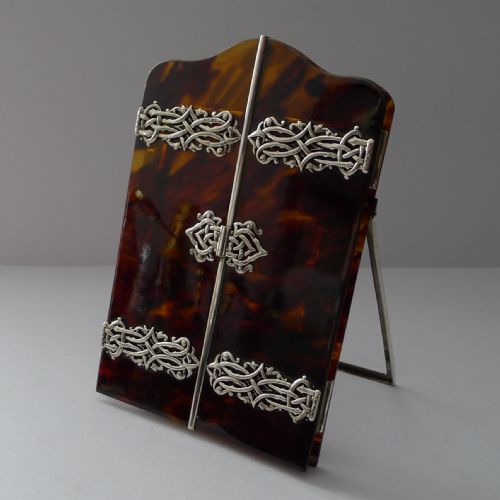
Metals such as sterling silver, brass and gilt bronze provide the structure for many examples, often embellished with repoussé work, piercing or cast ornamentation. Silver items frequently feature wooden or black leather backs to support the display strut.
Wooden variants utilise oak, mahogany and carved giltwood, sometimes incorporating gesso or tortoiseshell mounts. Glass protects the portraits and mirrors, held securely within the metal or wooden borders.
Assessing quality and finish
The refinement of the metalwork or wood carving dictates the distinction between standard items and superior examples. Crisp repoussé detailing and intricate pierced designs indicate skilled craftsmanship.
Original backing materials and robust, functioning easel struts contribute significantly to the integrity of the piece. The weight and quality of the chosen metal or timber also influence the overall calibre.
The Standing Easel Frame Glossary
- Repoussé
- Metalwork hammered into relief from the reverse side. This decorative technique creates raised patterns on brass and silver frames.
- Strut
- A hinged support attached to the back of a frame. It allows the object to stand upright on a flat surface.
- Ormolu
- Gilded bronze used widely in French decorative metalwork. It provides a bright, durable golden finish on nineteenth-century pieces.
- Gesso
- A plaster-like material applied to wood before gilding. It creates a smooth surface suitable for carving and detailed ornament.
Standing Easel Frame: Frequently Asked Questions
How do I clean a silver easel frame?
Use a soft microfibre cloth to gently remove dust from the metal surfaces. Avoid abrasive polishes that might damage embossed details or surrounding wooden elements.
Take care to keep cleaning agents away from fabric velvet or leather backs. Professional care is advisable for delicate antique silver plating.
What periods do these frames come from?
Most examples date from the Victorian and Edwardian eras, spanning the late nineteenth and early twentieth centuries. You will also encounter items from the 1930s and mid-century periods.
Stylistic influences include Art Nouveau, French Rococo and Renaissance Revival. These design cues help indicate the approximate decade of manufacture.
Can these frames be hung on walls?
These pieces are designed specifically as standing items utilising a rear easel strut or hinged prop. They function best on tables, desks and dressing chests.
Attempting to hang them requires careful modification, which is generally discouraged by collectors. The back supports are engineered for horizontal surface display.
What metals are commonly used?
Sterling silver and brass appear frequently in the surviving selection of frames and table mirrors. Gilt bronze and ormolu also feature on continental European pieces.
Markings such as silver hallmarks help identify the assay office and year of creation. Unmarked metals are typically solid brass or gilt base metal.