


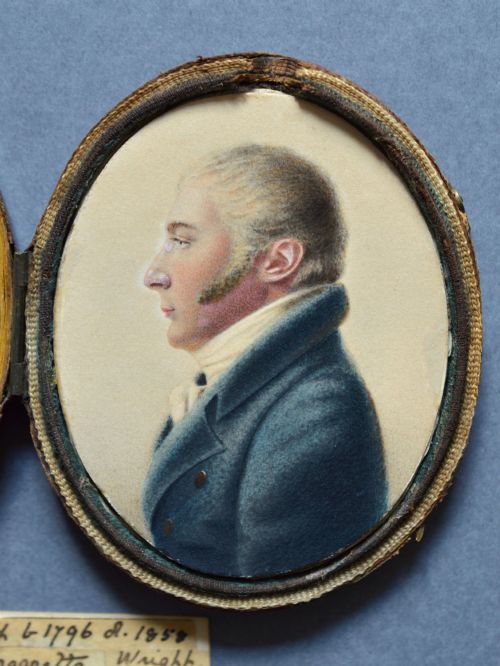
Portrait Miniature Frame
A portrait miniature frame is a small enclosure for intimate likenesses that brings the intense personal scale of Georgian and Victorian portraiture into modern rooms.
Portrait Miniature Frame
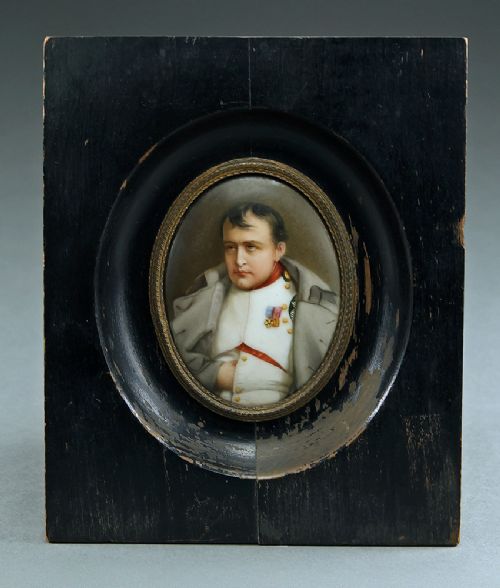
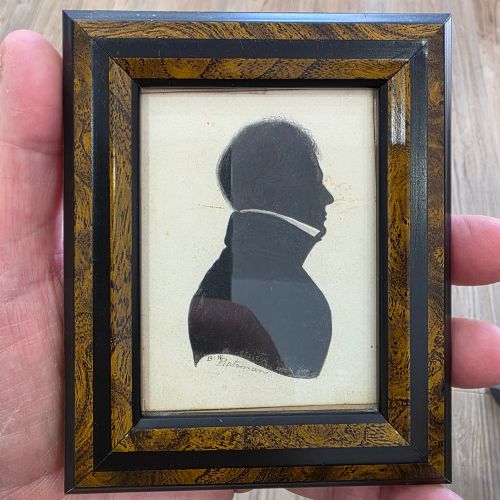
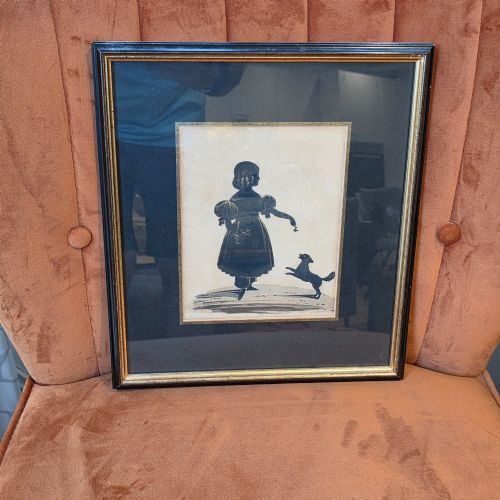
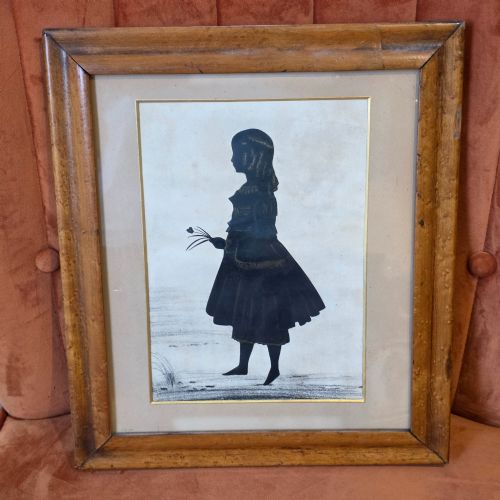
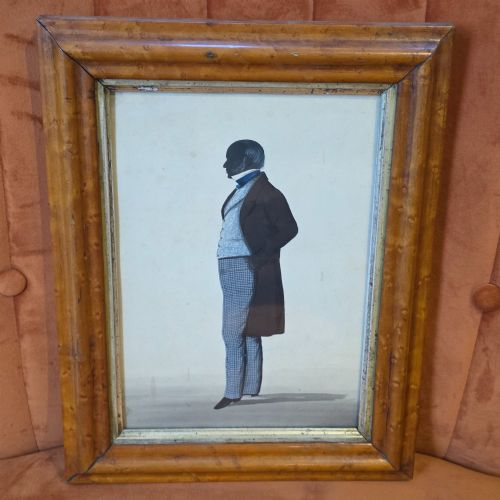
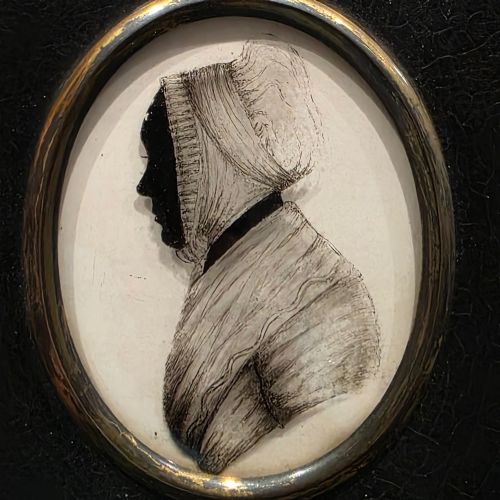
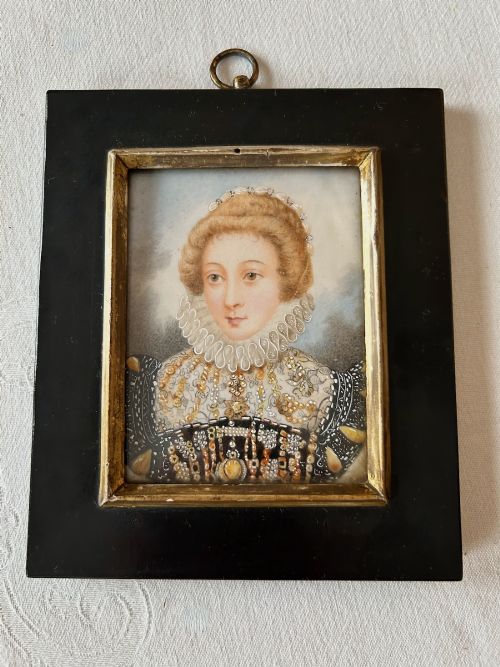
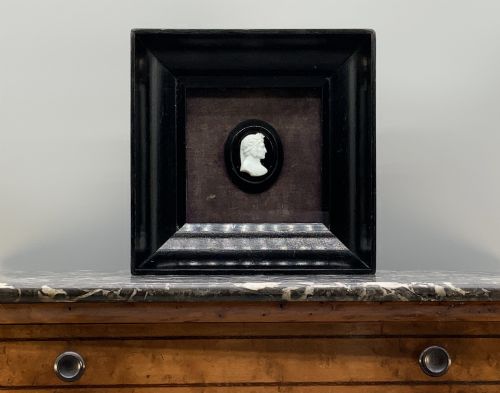
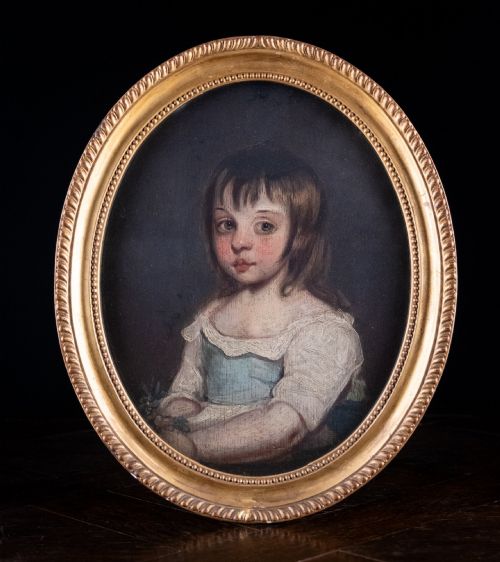
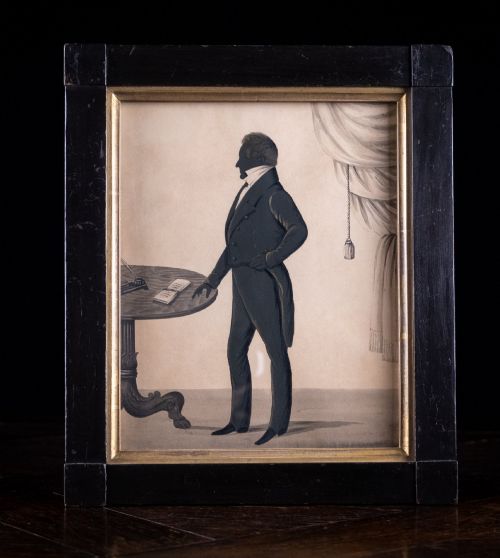
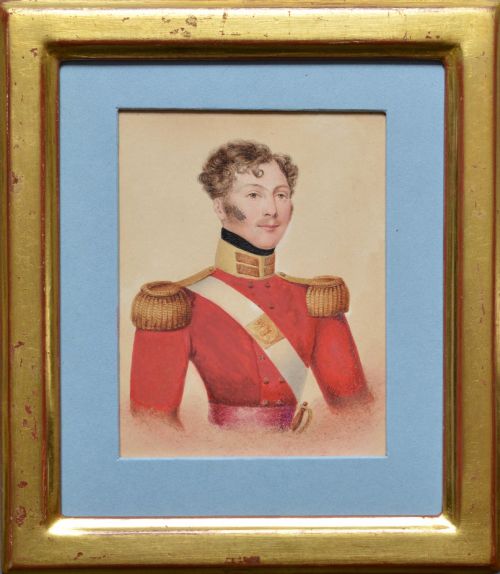
A portrait miniature frame holds diminutive painted, drawn or sculpted likenesses dating from the eighteenth and nineteenth centuries. These enclosures protect and display delicate works executed in watercolour, enamel, cut paper, wax and ivory.
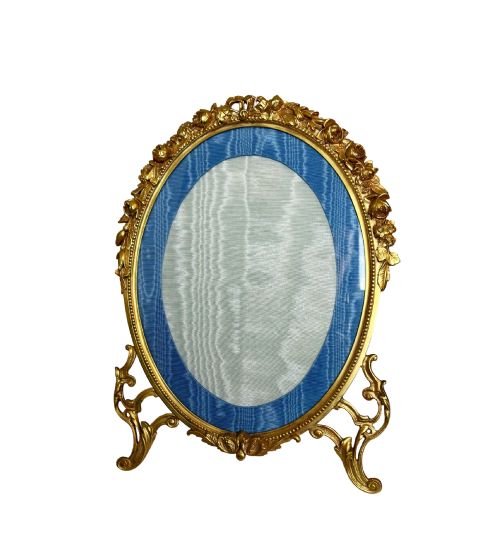
Examples on this page span the Georgian, Regency and Victorian periods, taking forms such as small ovals, rectangular wall pieces and pendant jewellery. Makers housed these works in surrounds shaped by styles including French Rococo, Neoclassical and nineteenth century revival movements.
The objects combine personal portraiture with decorative metalwork and cabinetmaking. They serve equally as wall displays and tactile desk items, maintaining the intimate scale intended by their original makers.
How They Were Made
Cabinetmakers utilised dense timbers such as rosewood, ebony, burr walnut and pear wood for housings, often applying black ebonised finishes to contrast with bright interior settings. Metalworkers shaped brass, gilt bronze, ormolu and gold leaf into delicate bezels, pendant loops and easel backs.
Protective glazing covered fragile surfaces including watercolour on paper or glass, ivory plaques and wax reliefs. Backings frequently incorporated velvet, silk or worked card, sealing the miniature against dust and moisture.
Owners sometimes tucked secret locks of hair or handwritten purchase dates behind the backing cards of nineteenth-century miniatures.
What Varies in Quality
Quality rests on the crispness of the framing materials and the harmony between the enclosure and the portrait within. Superior examples display finely chased metal mounts, accurately turned timber profiles and original glass that preserves the interior without distortion.
Lower quality pieces often show clumsy later alterations, replaced backings or crude timber joins that compromise the structural integrity of the surround. The best items retain their original glazing, suspension loops and rear annotations intact.
William James Hubard·James Sharples·Henry Bone·Horace Hone·Augustin Edouart·John Miers
The Portrait Miniature Frame Glossary
- Portrait Miniature
- A small-scale painting or likeness, typically executed on ivory, vellum or paper during the eighteenth and nineteenth centuries.
- Gilt Bronze
- An alloy of copper and zinc treated with a gold wash or mercury gilding to produce a rich metallic lustre.
- Silhouette
- A profile likeness cut from paper or painted in solid black, frequently associated with Regency and Victorian portraiture.
- Reverse Painting
- A technique where pigment is applied to the rear surface of glass so the image is viewed through the transparent front.
- Ormolu
- Finely ground high-purity gold cast and chased on a bronze base, used extensively for decorative mountings in the nineteenth century.
Portrait Miniature Frame: Frequently Asked Questions
How were these frames originally displayed?
Many of these pieces were designed to hang in close clusters on domestic walls, creating intimate galleries within private rooms. Others served as portable objects meant for desks, pocket transport or personal wear as pendants.
Easel backs and suspension rings allowed owners to position them according to fashion and interior space. Their modest proportions meant they could be grouped densely without overwhelming a room.
What materials make up the frames?
Surrounds utilise a wide range of timber, metal and organic substances selected for their fine grain and finish. Common woods include rosewood, ebony, pear wood and burr walnut, frequently polished to a deep dark sheen.
Metals such as brass, gilt bronze, ormolu and gold leaf provide bright contrast against the dark timber mounts. Some specialty pieces incorporate ivory, hardstone, velvet and glass bezels.
How do I date a frame style?
Dating relies on observing structural proportions, timber choices and decorative motifs relative to known historical periods. Georgian and Regency pieces favour clean Neoclassical lines, ebonised surrounds and simple oval brass bezels.
Victorian examples often introduce heavier ornamentation, elaborate cast ormolu, velvet linings and hinged easel backs. Examining any original backing paper, handwriting or old hardware provides further chronological clues.
Can I swap the portrait inside?
Original housings are constructed specifically to fit their accompanying artworks and often feature sealed rear panels or fragile bezels. Altering the contents risks damaging the historic mountings and the delicate media inside.
These pieces function best as complete historical units where the enclosure and the portrait share a unified provenance. Preserving them intact maintains their integrity and character.