

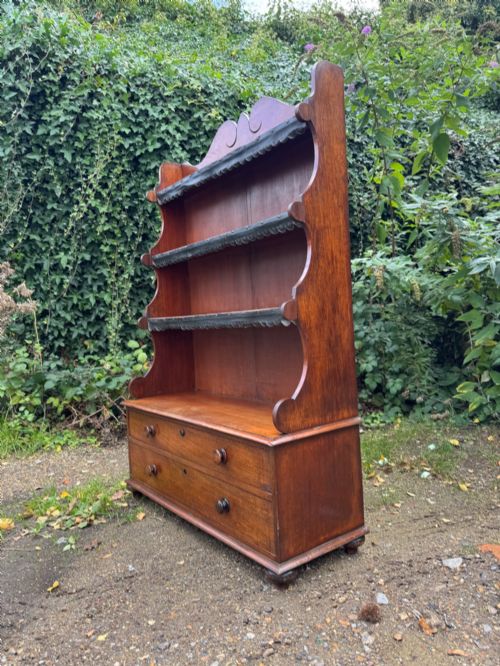



Standing Display Unit
A standing display unit holds books, china and ornaments across open shelves or glazed cabinets, bringing vertical storage and proportion to a room.
Standing Display Unit
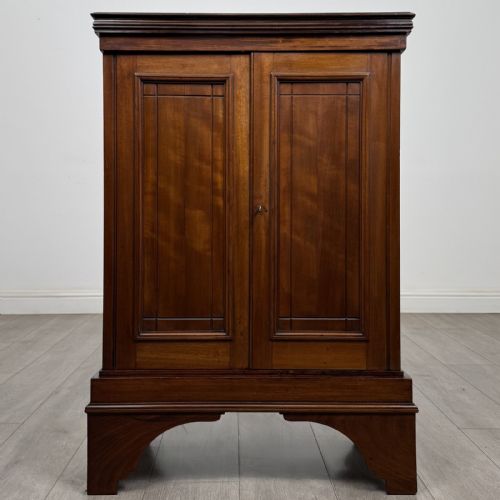
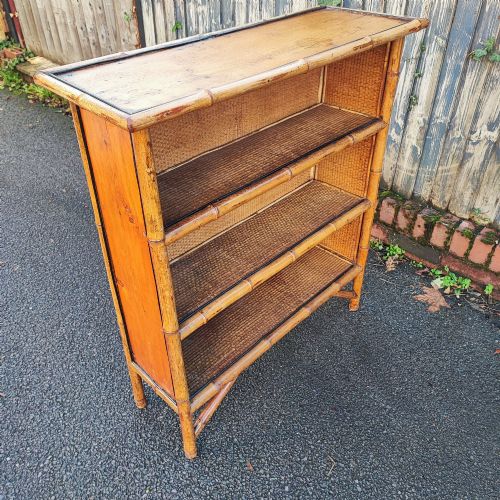
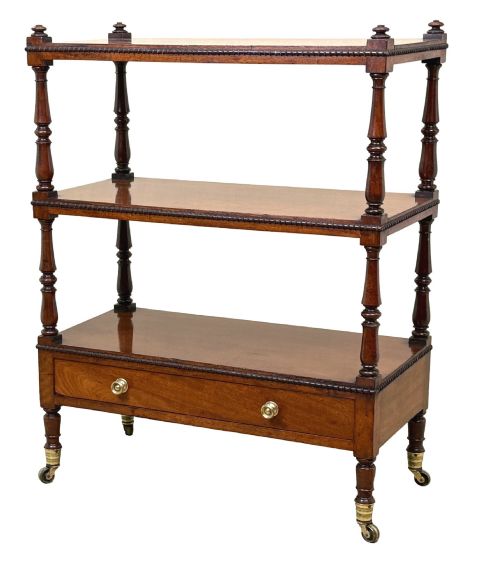
A standing display unit encompasses open bookcases, tiered whatnots, etageres and corner cabinets designed to hold books and objects in an upright position. These pieces date from the nineteenth and twentieth centuries, spanning the Victorian, Edwardian and Regency periods, alongside earlier Georgian influences.
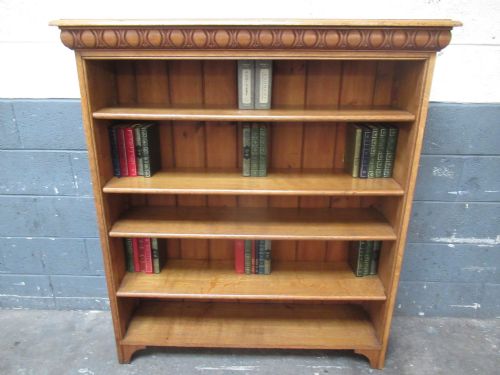
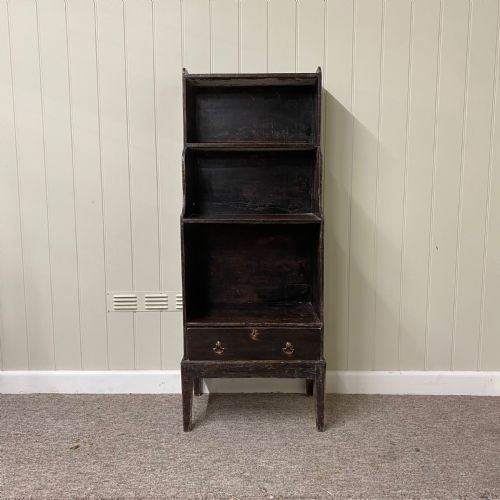
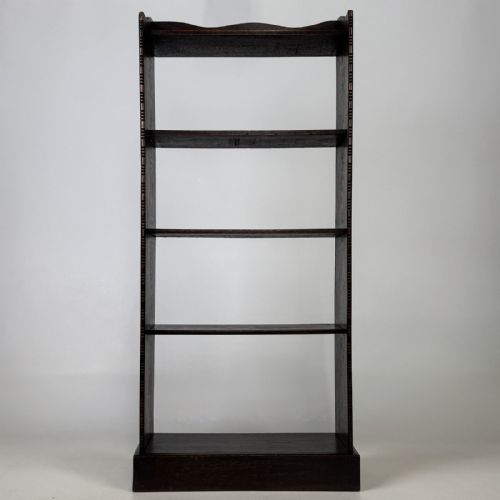
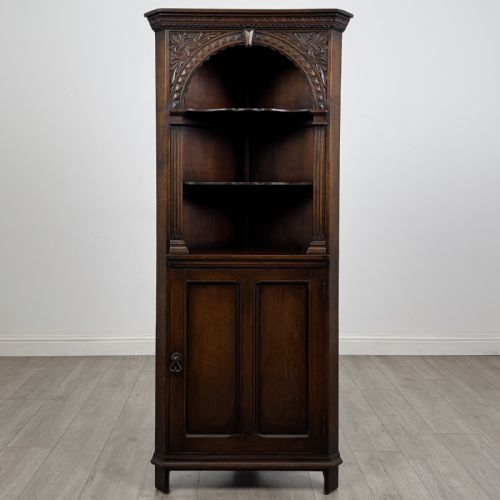
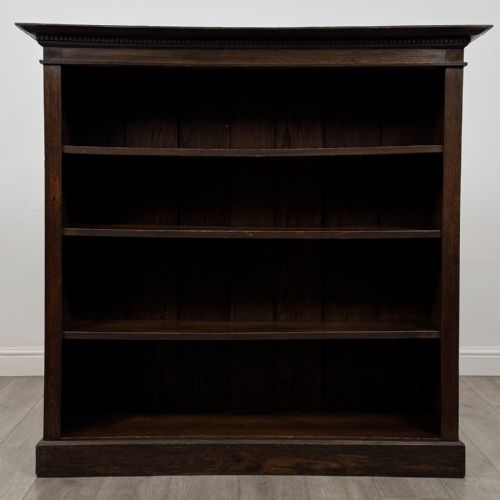
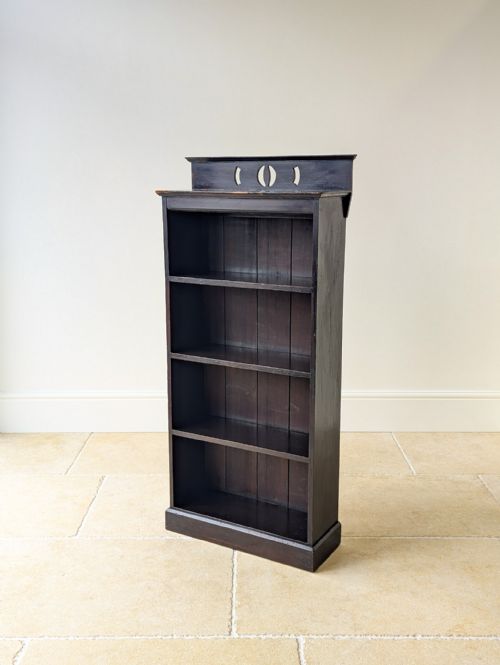
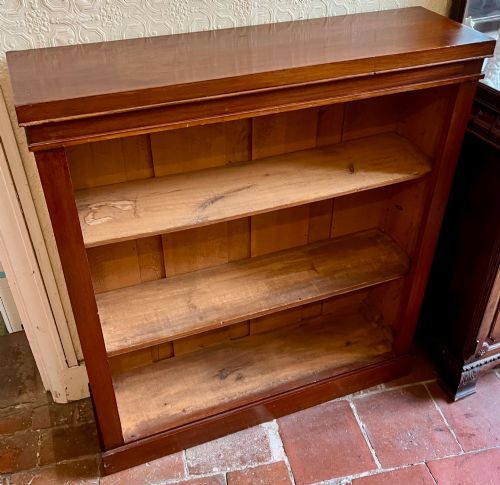
The most common form on this page is the open bookcase, often constructed in oak or mahogany with adjustable shelves and raised galleries. Alongside these stand multi-tiered whatnots and corner cupboards in rosewood, burr walnut and stained pine, utilised for displaying ceramics and small collections.
Materials and construction methods
Cabinet makers utilised dense hardwoods such as mahogany, oak, rosewood and satinwood, frequently employing burr walnut veneers for decorative grain patterns on cabinet fronts and tiered surfaces. These woods provided the structural strength required to support heavy volumes and porcelain collections across multiple shelves.
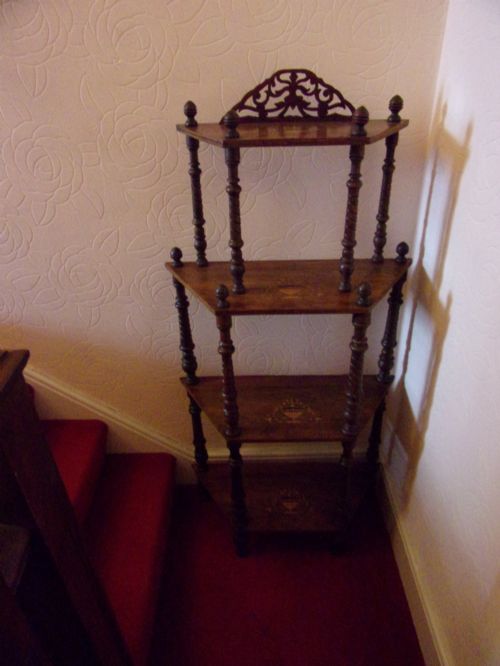
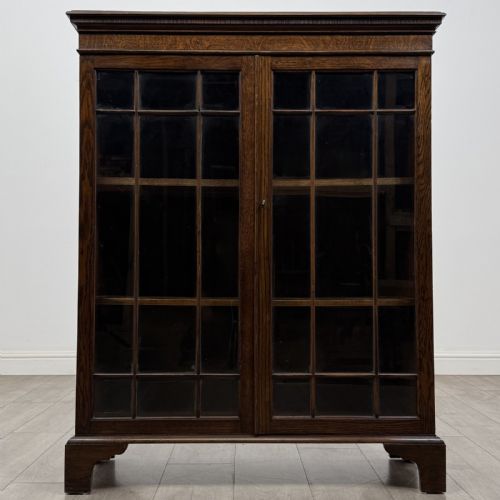
Joinery methods included adjustable wooden shelving tracks, brass galleries and castors, and inlaid details in lighter timbers. Surviving pieces show carved ornamentation, astragal glazing bars on cabinets, and barley twist uprights on whatnots.
Standing Display Unit Retail Price Guide 2026
Typical asking prices for standing display unit among the pieces listed under this phrase on Sellingantiques today, from the lower quarter to the upper quarter. They describe what is for sale here now, not the wider market.
Listings feature oak, mahogany, rosewood and burr walnut, spanning the Victorian, Edwardian and Regency periods.
Distinctions in quality and execution
Quality rests in the selection of timber figures, such as figured mahogany or burr walnut, and the crispness of carved details or inlaid marquetry. Finer examples display harmonious proportions, substantial timber thickness, and original brass fittings including castors and gallery rails.
Simpler workshop pieces utilise plain oak or stained pine with basic turned supports and fixed shelving. The presence of secondary timbers, refined edge moulding, and well-fitted doors or drawers distinguishes superior cabinet work from utilitarian storage.
The Standing Display Unit Glossary
- Whatnot
- A piece of furniture consisting of several open shelves for displaying small objects, popular during the nineteenth century. These tiers are supported by slender columns or turned uprights.
- Etagere
- A set of open shelves for displaying ornaments, sharing a French origin with the whatnot. They often feature multiple tiers decreasing in size toward the top.
- Astragal
- A moulding profile used to hold glass panes within a cabinet door in a geometric grid. These wooden strips divide the glazed area into smaller lights.
- Gallery
- A raised railing or edge around the top shelf of a bookcase or whatnot to prevent items from falling. They are frequently fashioned from brass or pierced wood.
- Dentil
- A series of small, rectangular blocks spaced evenly along a cornice moulding. This architectural detail appears beneath the top edge of Edwardian and Victorian bookcases.
Standing Display Unit: Frequently Asked Questions
What is a standing display unit used for?
These units serve to store books, display ceramics, and hold decorative ornaments in domestic spaces. Open versions provide easy access to volumes, while glazed cabinets protect delicate porcelain.
Tiered formats like whatnots allow objects to be viewed from multiple angles across stacked surfaces.
How do I identify a Victorian bookcase?
Victorian pieces frequently feature dark timbers such as mahogany, burr walnut and carved oak. Details like adjustable wooden shelving tracks and dentil cornices commonly appear on these nineteenth-century examples.
Heavier proportions and visible hand-carved elements separate them from lighter Edwardian furniture.
Where should I place a corner cabinet?
Corner cabinets and cupboards fit directly into empty room angles, making efficient use of overlooked floor space. They are suited to dining rooms or living spaces for housing china collections.
Their angled backs allow them to sit flush against two intersecting walls.