
Standing Corner Unit
A standing corner unit solves the problem of dead space in a room by turning an unused angle into display or storage.
Standing Corner Unit
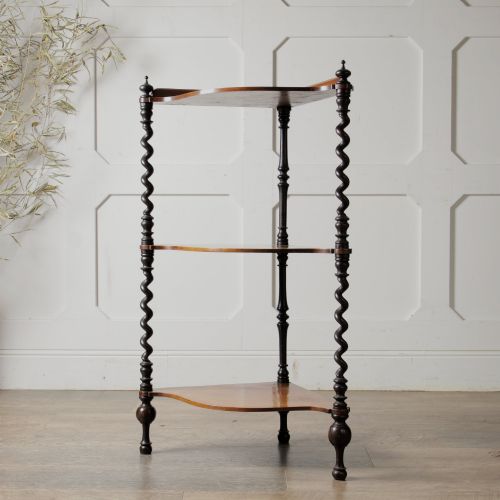
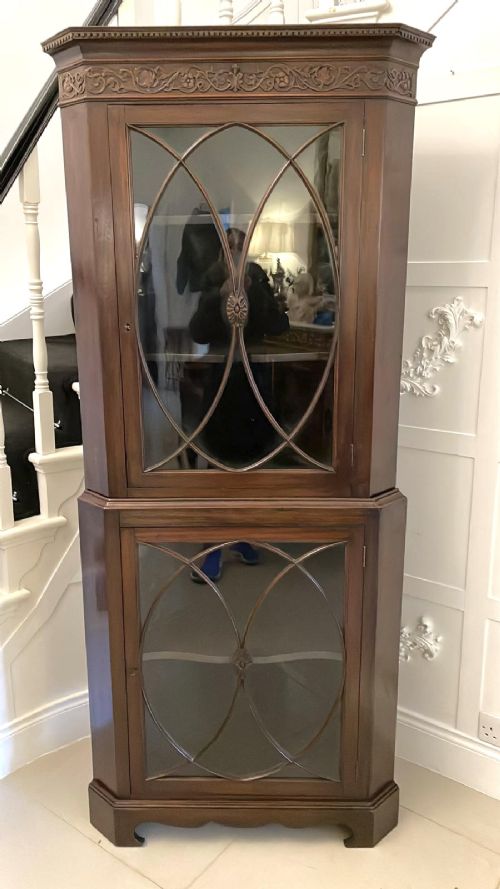
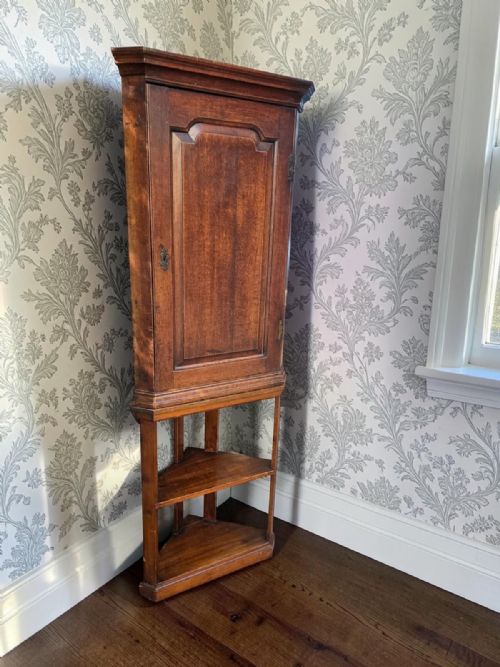
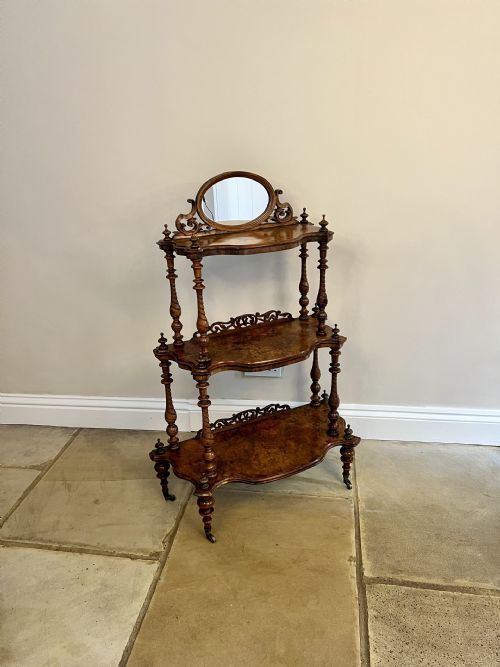
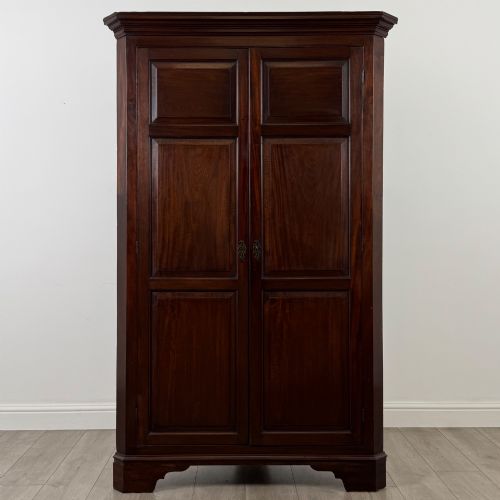
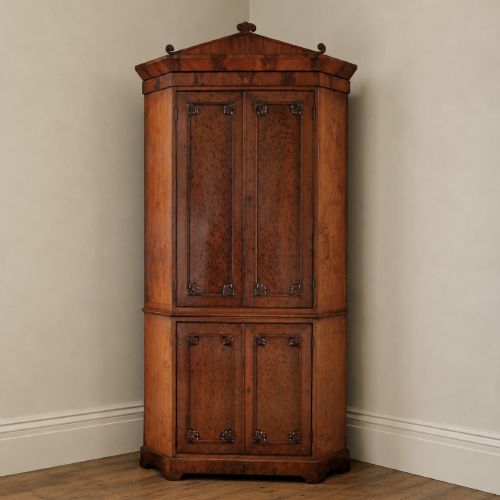
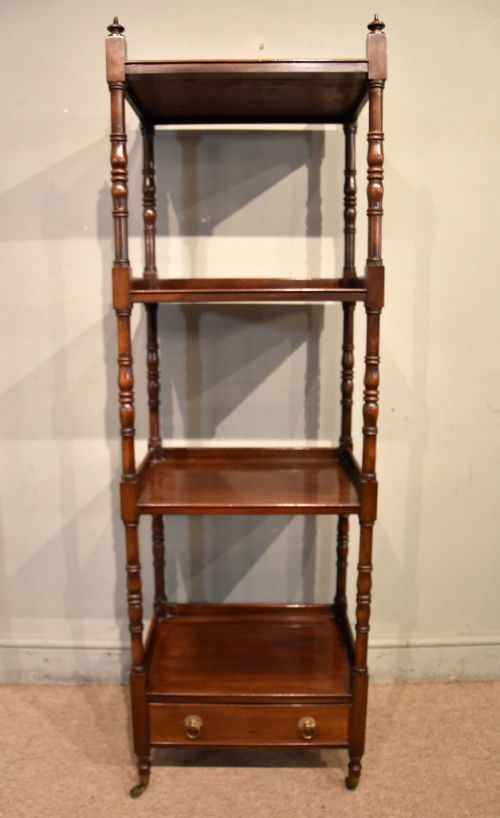
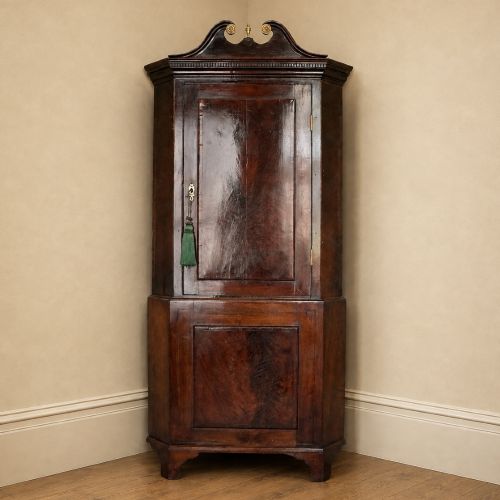
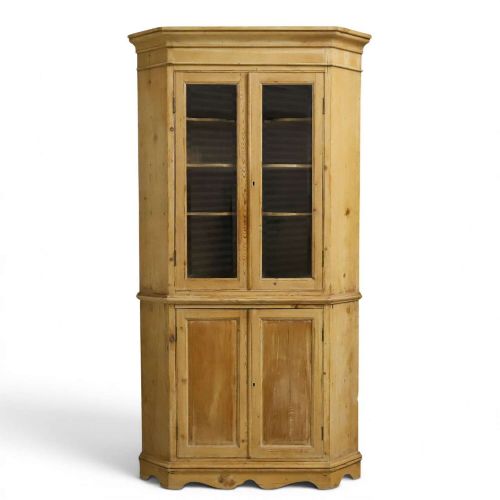
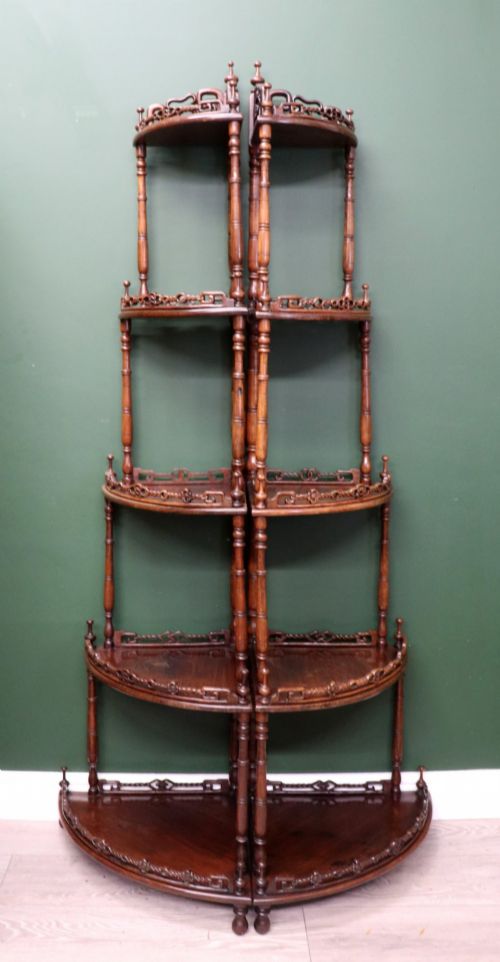
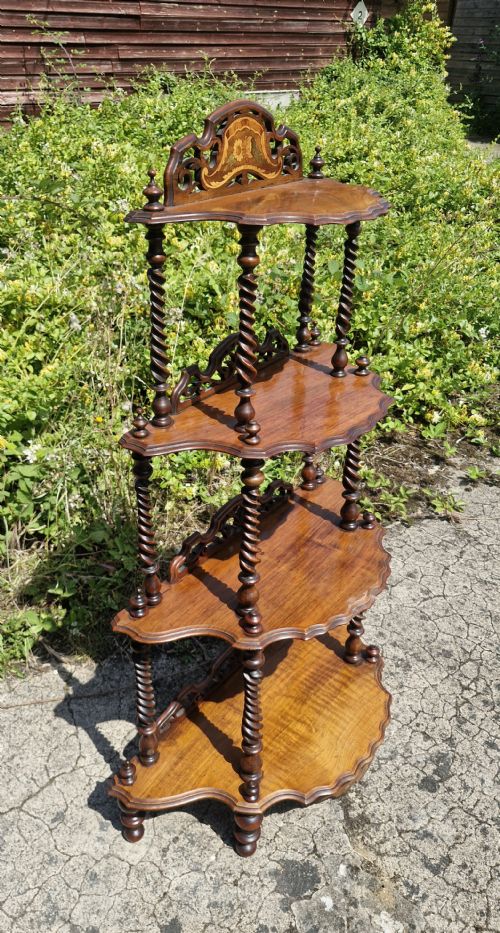
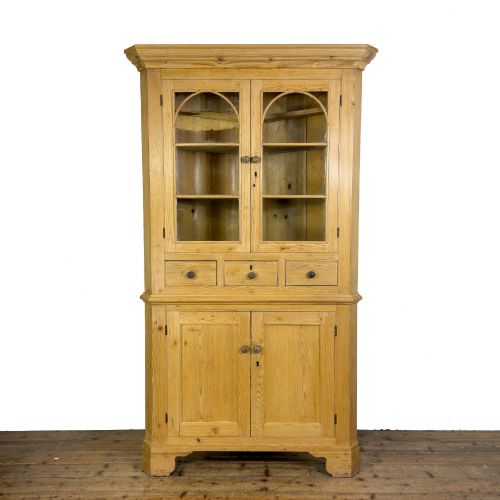
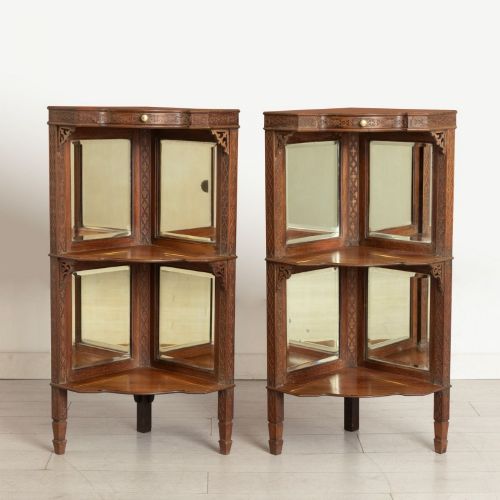
A standing corner unit is a floor-based piece designed to fit snugly into the angle where two walls meet, making efficient use of awkward room layouts. When you examine a standing corner unit, you will encounter multiple regional forms ranging from tall shelved whatnots to enclosed cupboards on stands.
The materials span native and imported timbers, with mahogany and oak appearing frequently across the centuries alongside walnut, pine, and rosewood. These pieces adapt to various domestic spaces by offering open tier displays or glazed and panelled doors to conceal stored items.
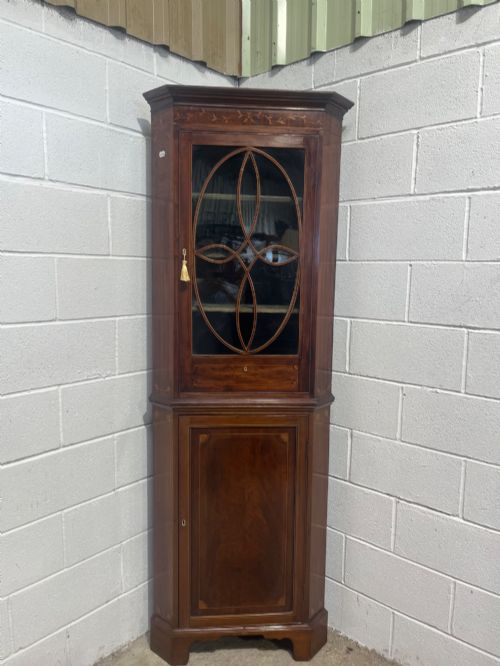
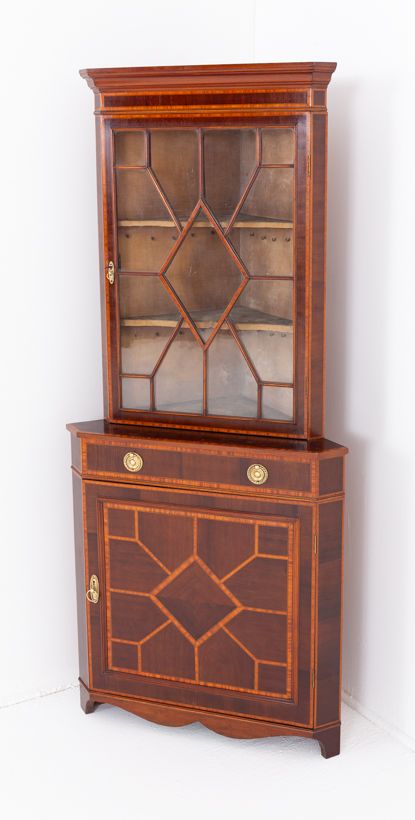
Georgian and Victorian examples dominate the selection, bringing architectural presence through cornices and fielded panels. You also find later interpretations in the Sheraton Revival style, utilising satinwood inlay and refined proportions.
How they were made
Cabinet makers built these pieces using solid hardwoods like mahogany and oak for structural integrity, often incorporating lighter secondary timbers for internal shelving. Carved details, barley twist columns, and delicate satinwood inlay demonstrate the varied joinery and decorative techniques employed by period artisans.
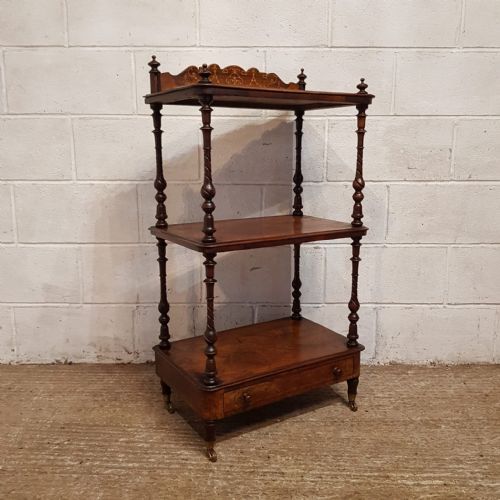
Many taller examples, particularly whatnots and multi-tiered stands, rely on turned supports and structural uprights to bear the weight of stacked shelves. Glazed doors utilise individual wooden glazing bars to hold glass panes securely within the cabinet frame.
The available listings demonstrate timber choices ranging from dense Cuban mahogany and burr walnut to rustic pine and oak.
What varies in quality
Quality reveals itself in the choice of timber figure, such as burr walnut, plum pudding mahogany, or birdseye maple, where highly decorative grain patterns elevate the visual impact. The crispness of carved mouldings and the precision of inlaid woodwork separate standard utility pieces from exhibition-grade examples.
Structural harmony also dictates standing value, evident in how cleanly the corner joints meet the wall and the balanced proportions of multi-tiered shelving units. Original brass hardware, working locks with period keys, and sound structural stability further distinguish superior pieces.
Edwards & Roberts
The Standing Corner Unit Glossary
- Whatnot
- An open shelved piece of furniture designed for displaying ornaments, books, or small objects across multiple tiers.
- Astragal Glazed
- A door or panel featuring narrow wooden strips that divide glass panes into geometric patterns.
- Sheraton Revival
- A late nineteenth-century design movement inspired by eighteenth-century neoclassical furniture, often featuring satinwood inlay and slender proportions.
- Corner Cupboard
- A cabinet specifically constructed with a triangular or angled footprint to occupy the corner of a room.
- Plum Pudding Mahogany
- A richly figured tropical hardwood variety showing dense, mottled circular markings resembling the traditional dessert.
Standing Corner Unit: Frequently Asked Questions
Where should I place a standing corner unit?
These units fit directly into any ninety-degree wall junction, making them ideal for awkward corners in living rooms, dining rooms, or hallways.
Because their footprint is triangular, they project less into the main floor area than a standard rectangular cabinet of similar capacity.
How do I identify a Georgian corner unit?
Georgian pieces generally display classical architectural proportions, solid mahogany or oak construction, and understated bracket feet or moulded cornices.
They rely on timber grain and panel construction rather than heavy surface ornamentation for their visual appeal.
Can these units hold heavy books?
Solid hardwood versions, particularly those in oak or mahogany from the eighteenth and nineteenth centuries, possess robust internal shelving capable of supporting substantial weight.
Lighter bamboo or multi-tiered open whatnots are better suited for ceramics, glassware, and decorative items.