

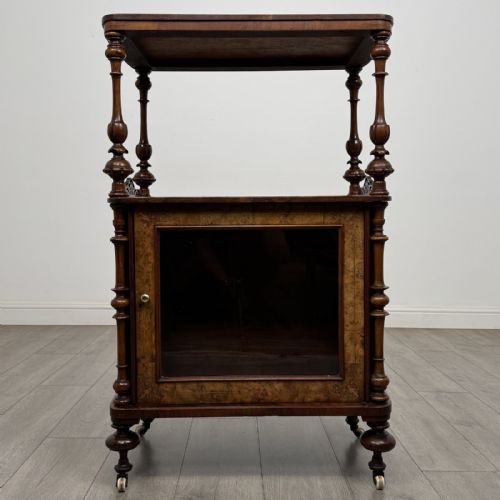
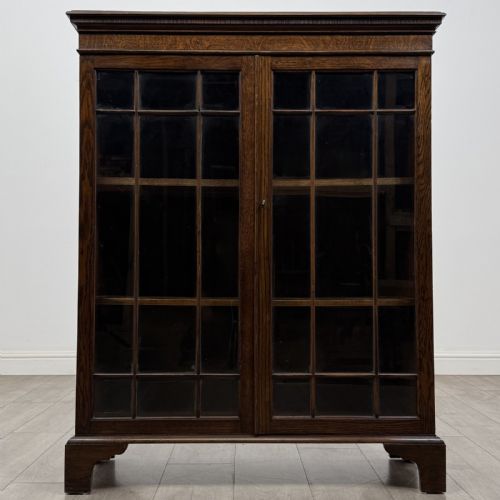
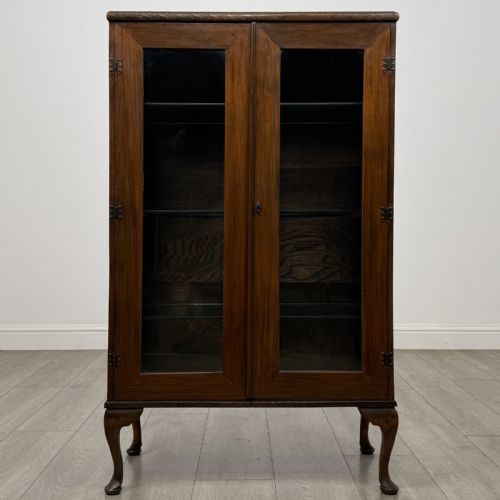
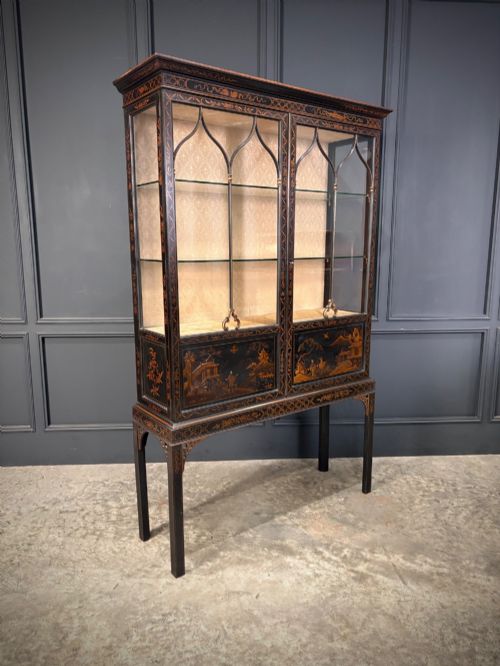
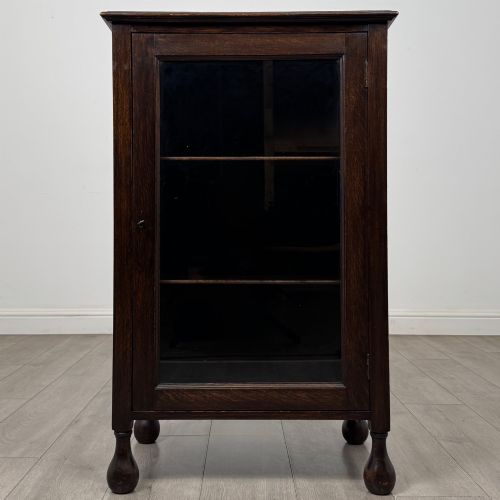
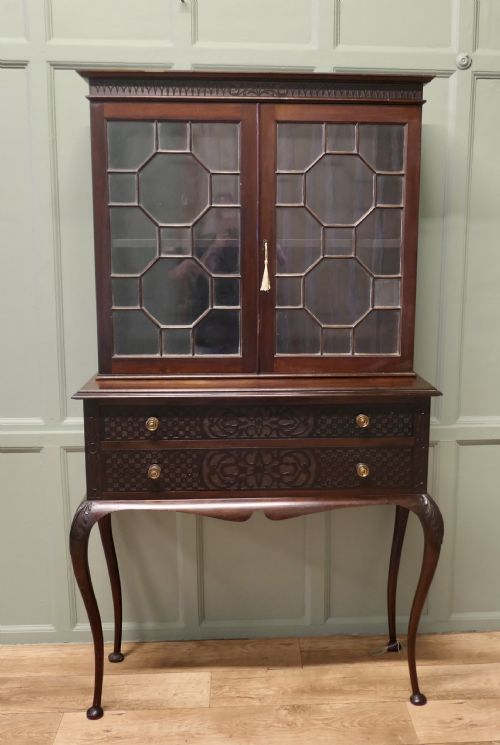
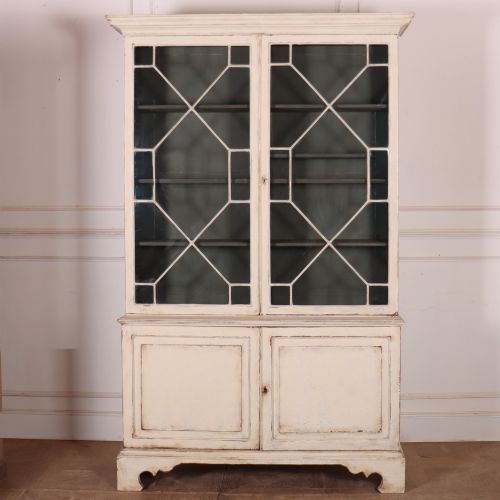
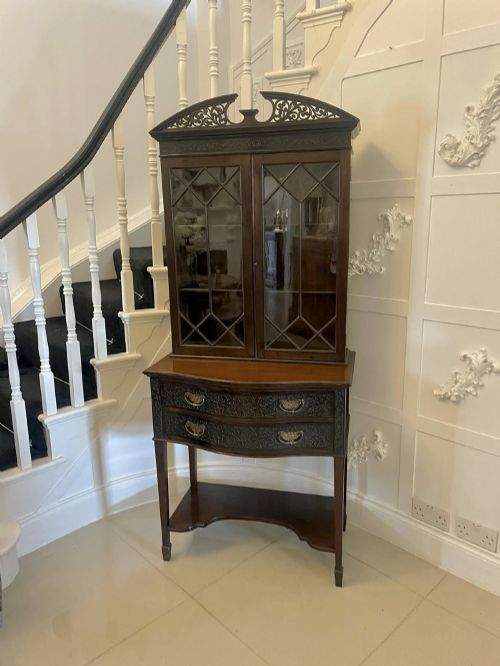
Standing Bookcase Glazed Doors
Standing bookcase glazed doors bring together timber and glass to protect volumes while keeping them in plain sight.
Standing Bookcase Glazed Doors
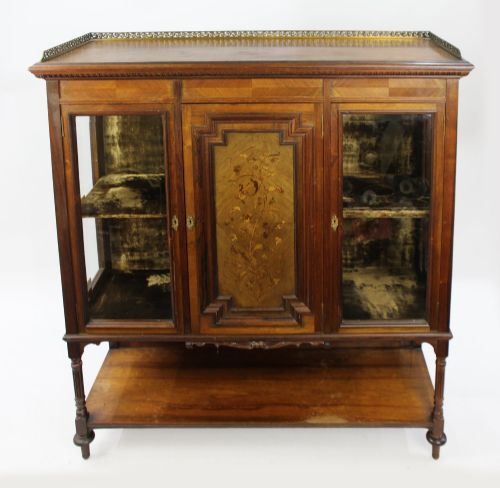
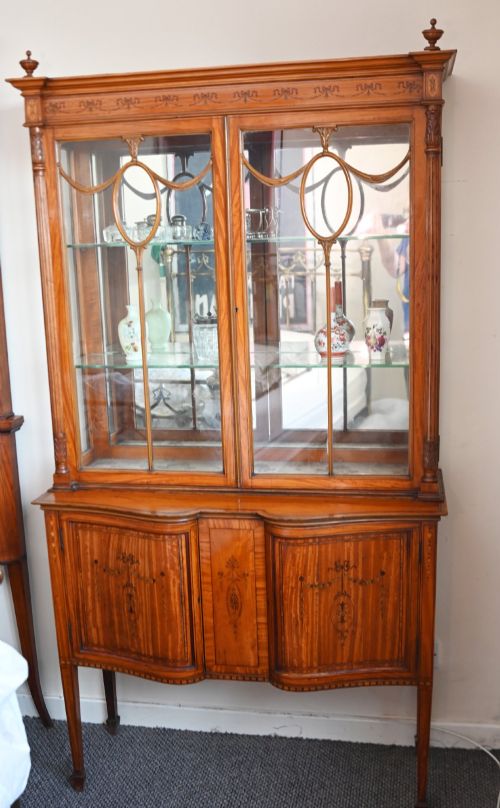
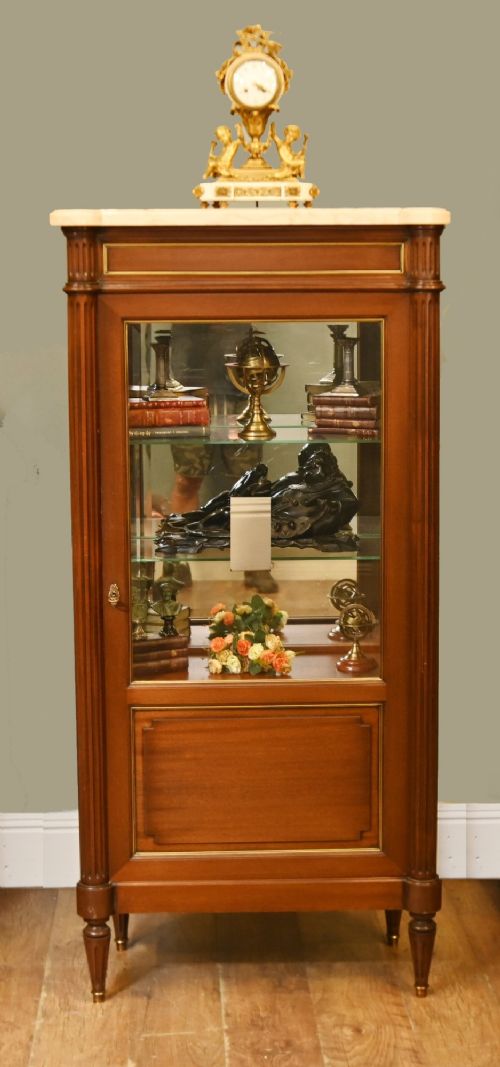
A standing bookcase glazed doors search brings up tall timber cabinets designed to hold books and display treasured objects behind glass panes. These pieces emerge predominantly from Victorian, Edwardian, and Georgian periods, spanning the nineteenth and early twentieth centuries.
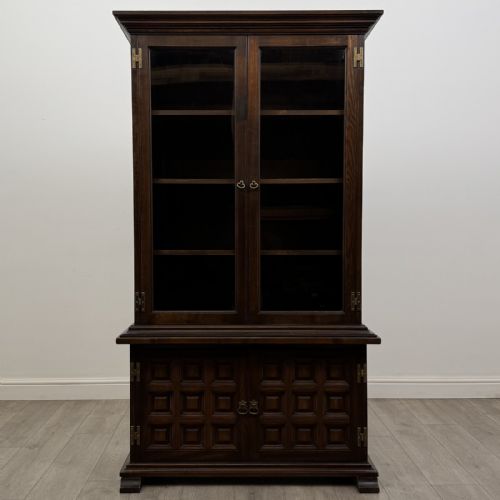
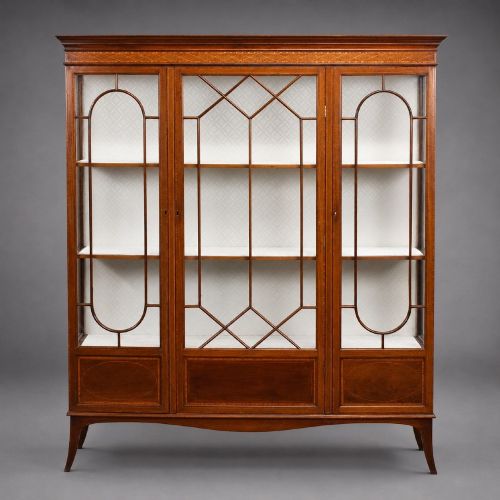
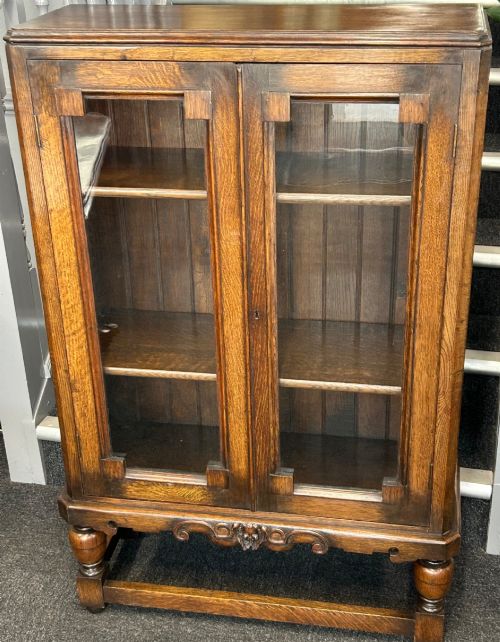
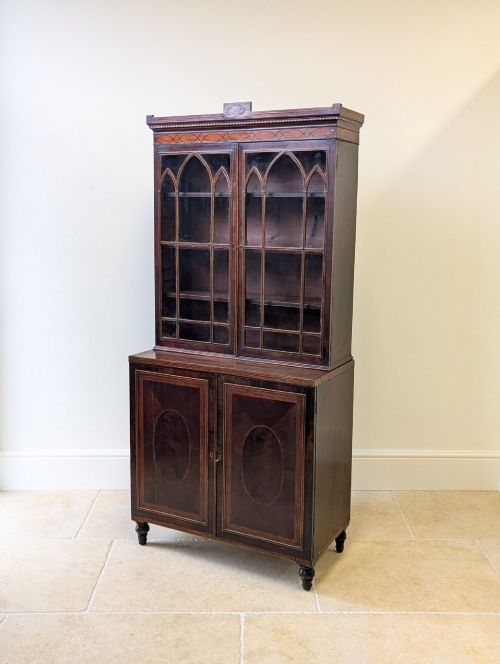
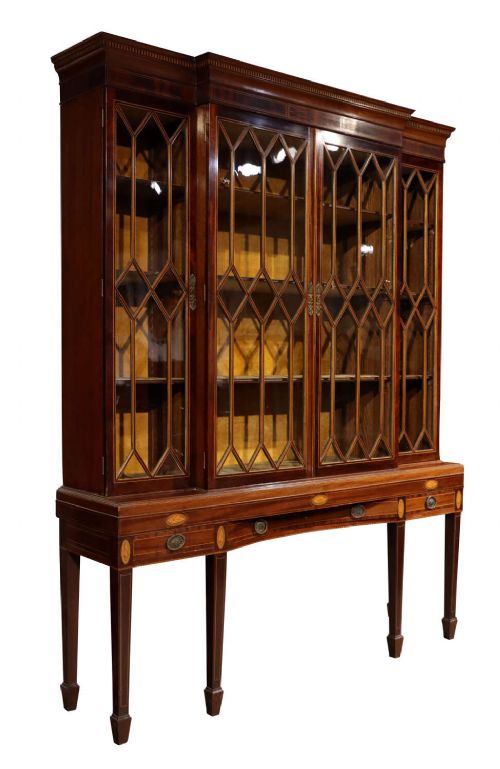
Makers constructed these furniture items in various configurations, including breakfront designs, tall standing units on stands, and two-door cupboards. Styles range from classical revival influences like Chippendale and Sheraton to simpler oak and pine country pieces.
The most common examples encountered on this page date from the Edwardian era and the late Victorian period, frequently fashioned in mahogany with inlaid details. Buyers also meet oak, walnut, and painted finishes among the selection.
Materials and construction methods
Cabinet makers relied heavily on timber such as mahogany, oak, and walnut, often accentuating surfaces with satinwood inlay or contrasting veneers. Glass panels were secured within wooden frames using glazing bars, known as astragals, which divided the doors into geometric panes.
Structural integrity depended on traditional joinery techniques combined with brass hardware for hinges, locks, and handles. Interior shelving frequently remained adjustable, supported by wooden racks or brass brackets to accommodate volumes of varying heights.
Standing Bookcase Glazed Doors Retail Price Guide 2026
Typical asking prices for standing bookcase glazed doors among the pieces listed under this phrase on Sellingantiques today, from the lower quarter to the upper quarter. They describe what is for sale here now, not the wider market.
Listings span the eighteenth, nineteenth, and twentieth centuries, incorporating Edwardian, Victorian, and Georgian stylistic revivals.
Distinctions in craftsmanship and finish
Quality rests upon the selection of timber figures, such as burr walnut or figured mahogany, and the precision of satinwood stringing and inlay work. Hand-carved decorative elements and finely moulded cornices separate standard utility pieces from exhibition-grade furniture.
The delicacy and symmetry of the astragal bars on the glazed doors indicate the skill of the workshop. Superior examples maintain tight joints, original brass fittings, and unwarped doors that swing true within their frames.
Maple & Co.·Lambs of Manchester
The Standing Bookcase Glazed Doors Glossary
- Astragal
- A moulding profile attached to the meeting stiles of doors or dividing glass panes. These narrow wooden strips form geometric patterns across the glazed fronts.
- Breakfront
- A piece of furniture where the central section projects forward from the flanking wings. This configuration adds architectural depth to large standing bookcases.
- Satinwood
- A luminous hardwood native to Ceylon and India used for contrasting stringing and marquetry. Makers utilised its golden yellow tone for delicate inlay on dark mahogany carcasses.
- Cornice
- The decorative moulded projection finishing the top of a cabinet. It crowns the structure and provides a formal architectural transition to the ceiling.
Standing Bookcase Glazed Doors: Frequently Asked Questions
Where should I place a standing bookcase glazed doors unit?
Position these tall cabinets against interior walls away from direct sunlight to protect paper and bindings from fading. Ensure the floor is level so the glazed doors hang correctly and latch smoothly without binding.
Allow sufficient clearance for the doors to open fully, particularly on breakfront or wide two-door models. Placing them in studies, libraries, or drawing rooms keeps volumes accessible while shielding them from household dust.
How do I care for the timber and glass?
Clean the wooden surfaces using a soft, dry cloth and apply quality beeswax periodically to nourish the grain. Avoid silicone-based polishes that build up and attract dust over time.
Wash the glass panes with a mild cleaning solution applied to the cloth rather than sprayed directly onto the surface, preventing moisture from seeping into the wooden glazing bars.
Are the shelves adjustable for modern books?
Many nineteenth and early twentieth century examples feature adjustable shelving supported by wooden ratchets or brass stud systems. This allows you to alter shelf heights for taller modern volumes.
Some earlier or simpler cupboards feature fixed shelves dictated by the original structural layout. Check the interior configuration if you intend to store oversized folios.
How do I distinguish Edwardian pieces from Victorian ones?
Edwardian standing bookcases often display lighter satinwood inlay, influenced by Sheraton Revival tastes, and tend to utilise brighter mahogany tones. They frequently present a more restrained, slender silhouette.
Victorian pieces generally exhibit heavier proportions, deeper colouration in the timber, and more substantial carved mouldings. Earlier Victorian and late Georgian examples lean towards architectural dignity with robust cornices and astragal grids.