



Craftsman Style Cabinet
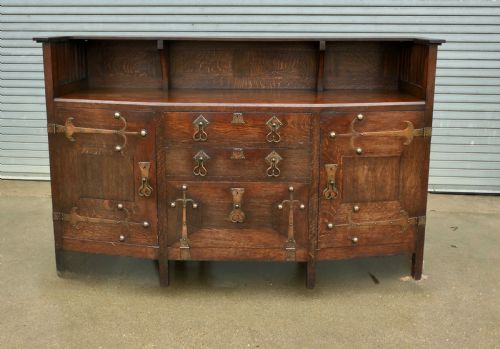
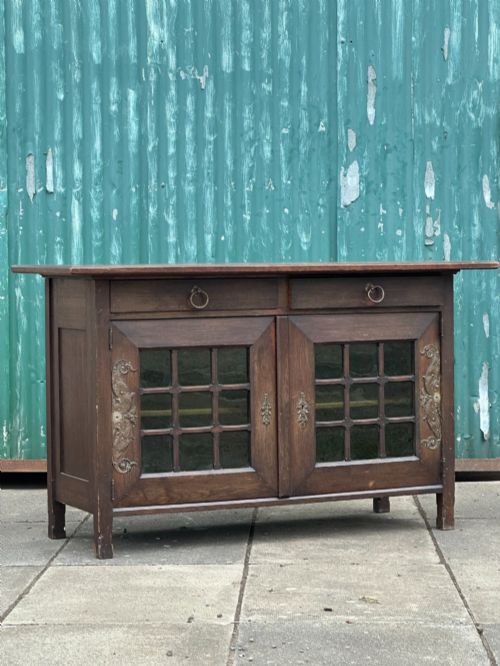
A craftsman style cabinet brings genuine Arts and Crafts character to a room through honest timber work and functional design.
Craftsman Style Cabinet
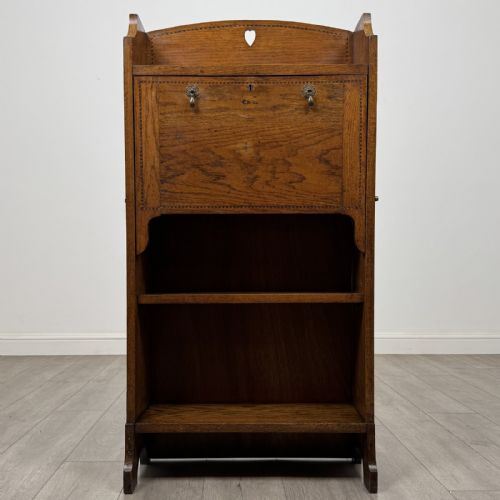
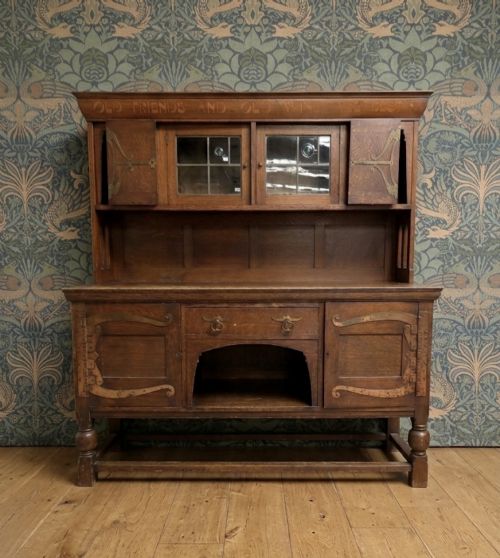
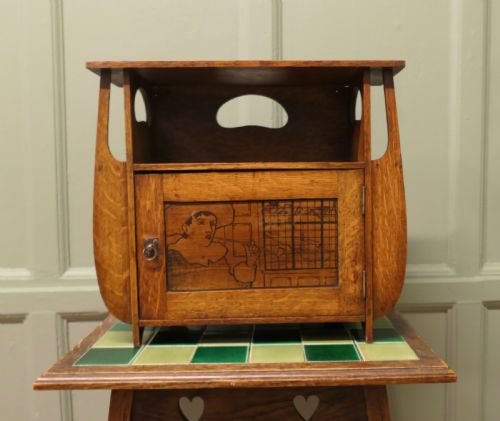
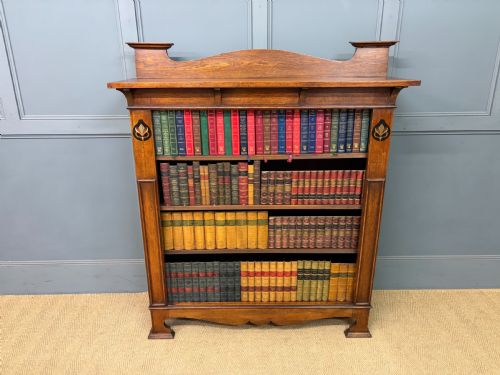
A craftsman style cabinet represents the Arts and Crafts movement, drawing on forms produced from the late nineteenth century through the Edwardian period. Buyers searching for a craftsman style cabinet typically encounter sturdy oak sideboards, bookcases, wall cabinets, and bedside cabinets.
The pieces listed on this page span sideboards, dressers, and bureaux originating from the 1880s to 1910. Solid oak predominates, accompanied by walnut and mahogany alternatives.
Makers and designers such as Ambrose Heal, Leonard Wyburd, and Shapland and Petter defined this output. Their creations balance utility with distinct regional and period aesthetics.
How they were made
Makers utilised solid oak, walnut, and mahogany, often pairing the timber with brass, copper, and iron hardware. Glass panels and mirror inserts appear in wall cabinets and bookcase doors.
Construction relies on visible joinery and straightforward proportions, reflecting the anti-industrial ethos of the period. Marquetry and adjustable shelving further distinguish the finer pieces.
Craftsman Style Cabinet Retail Price Guide 2026
Typical asking prices for craftsman style cabinet among the pieces listed under this phrase on Sellingantiques today, from the lower quarter to the upper quarter. They describe what is for sale here now, not the wider market.
Height-adjustable shelves solve the eternal puzzle of storing unusually tall volumes.
What varies in quality
The distinction between standard workshop production and master design rests in the hand-selected timber and the precision of the hardware. Pieces bearing documented attributions to firms like Liberty & Co. or specific designers command greater attention.
Execution of decorative metalwork in brass and copper, alongside refined marquetry details, separates ordinary utility items from superior cabinetmaking.
Ambrose Heal·Heal & Son·Leonard Wyburd·Shapland and Petter·Liberty & Co.
The Craftsman Style Cabinet Glossary
- Arts and Crafts
- A design movement spanning the late nineteenth and early twentieth centuries that prioritised traditional craftsmanship and natural materials. It rejected mass production in favour of visible construction.
- Sideboard
- A dining room storage piece featuring cupboards and drawers, commonly built in solid oak during this period. These forms often anchor the dining space.
- Marquetry
- Inlaid wood pieces arranged to form decorative patterns on cabinet surfaces. This technique adds visual texture to the timber.
- Bureau Bookcase
- A combination writing desk and shelving unit enclosing books behind glass doors. It serves both study and display functions.
Craftsman Style Cabinet: Frequently Asked Questions
What defines a craftsman style cabinet?
A craftsman style cabinet embodies the principles of the Arts and Crafts movement through straightforward construction, solid oak timber, and minimal applied ornament.
These pieces prioritise utility and honest materials, frequently incorporating exposed hardware in brass or iron.
How do I date a craftsman style piece?
Dating relies on stylistic clues, construction methods, and materials recorded across the 1880s to 1910 period. Edwardian examples often display lighter proportions compared to heavy 1890s sideboards.
Documented maker attributions or stamps provide more precise chronological markers.
Where should I place a side cabinet?
Side cabinets and bedside cabinets suit hallways, living rooms, and bedrooms where compact storage is required. Their timber tones warm up neutral interiors.
Keep them away from direct heat sources to protect the solid oak and walnut surfaces.
Are these cabinets made of solid wood?
The listings show a strong reliance on solid oak alongside walnut and mahogany variations. Marquetry and glass panels appear on select storage forms.
Construction focuses on durable natural timbers rather than modern veneers.