








Staffordshire Pottery Portrait Figure
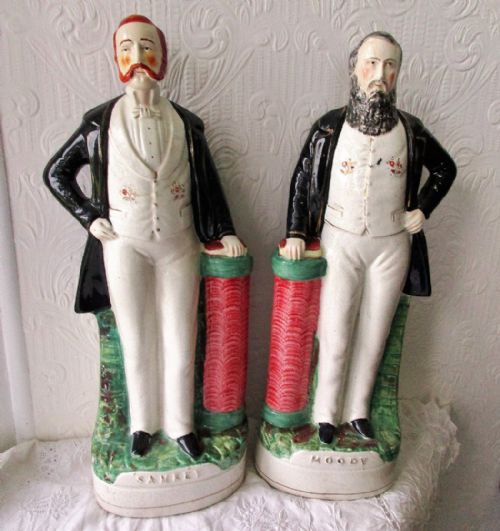
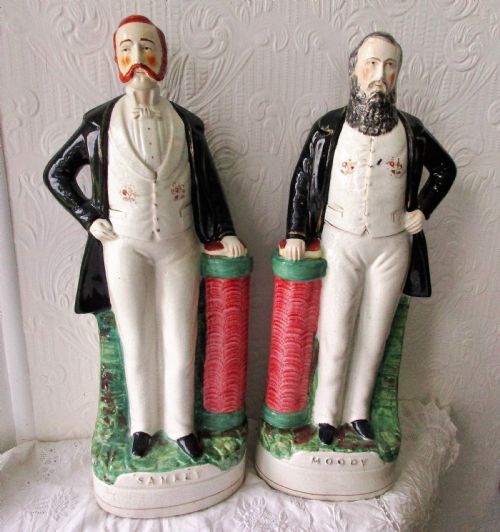
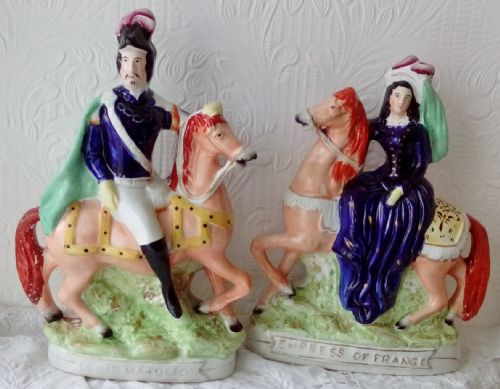
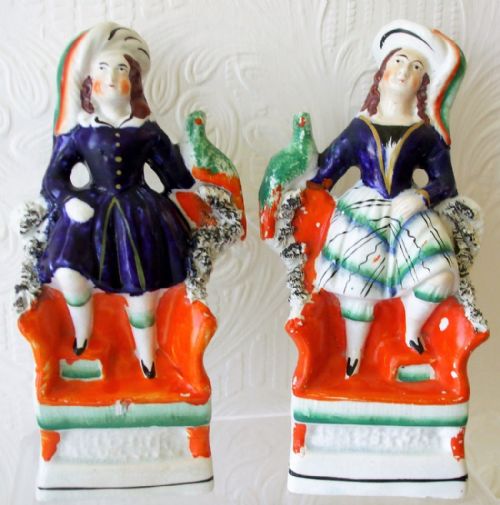
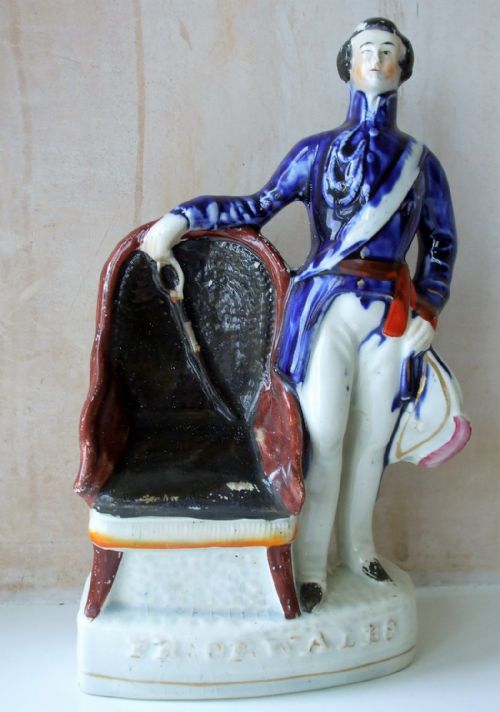
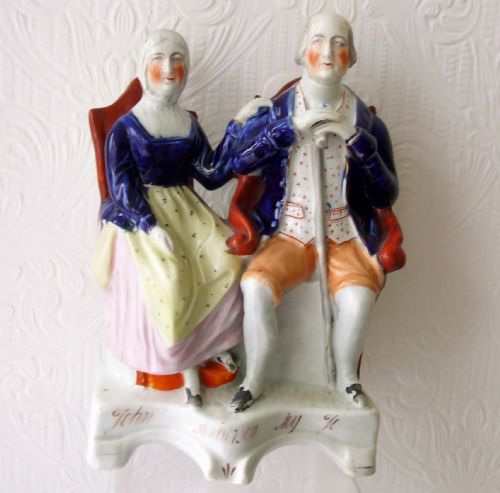
These Staffordshire pottery portrait figure examples depict royalty, statesmen and literary subjects, offering tactile connections to nineteenth-century popular culture.
Staffordshire Pottery Portrait Figure
When you search for a staffordshire pottery portrait figure, you encounter earthenware and porcelain likenesses spanning the nineteenth century. The most common versions on this page portray Victorian royals such as Queen Victoria, Prince Albert, and the Prince of Wales.
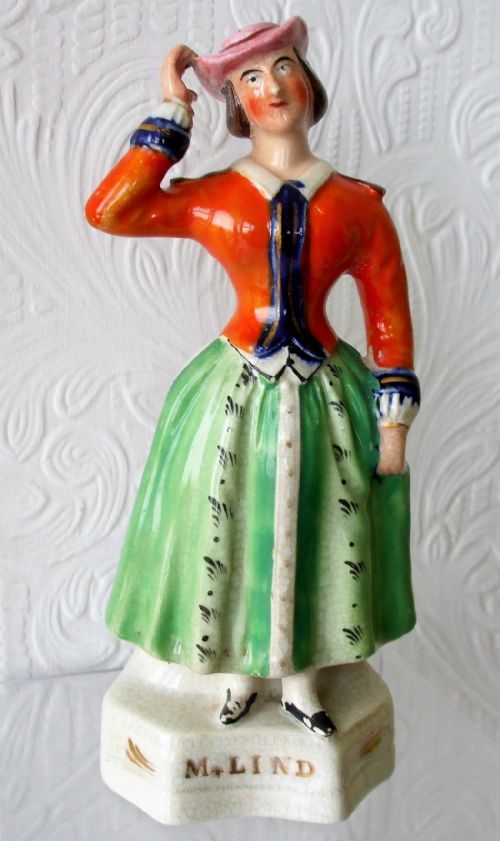
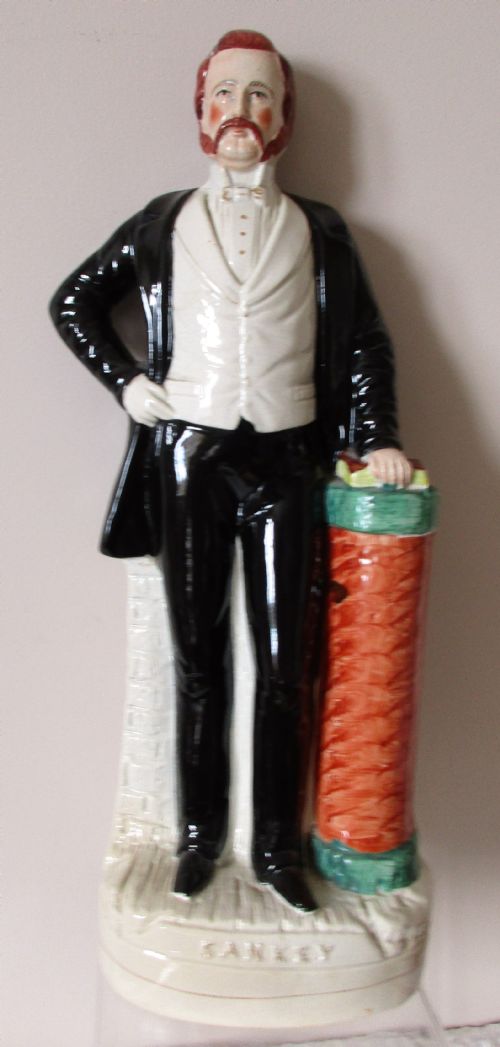
Beyond royalty, the selection includes political figures, military leaders, evangelists, and theatrical personalities like Jenny Lind and William Shakespeare. These pieces often arrive as individual subjects or in paired groups commemorating marriages or alliances.
Materials and production methods
Makers shaped these earthenware and porcelain bodies using press-moulding techniques before applying lead glaze and enamel paint. Artisans finished details using gilt highlights, rendering each ceramic figure with distinct surface characteristics.
The construction typically involves hollow-cast ceramic forms finished with hand-applied pigments over a base glaze. Lead glaze provides the characteristic glossy sheen across the Victorian pieces.
Staffordshire Pottery Portrait Figure Retail Price Guide 2026
Typical asking prices for staffordshire pottery portrait figure among the pieces listed under this phrase on Sellingantiques today, from the lower quarter to the upper quarter. They describe what is for sale here now, not the wider market.
The object types span decorative figurines, pottery figures, and ceramic busts depicting historical figures from Victorian times.
Assessing quality and execution
Modelling depth and the registration of names or titles painted on the base distinguish the work. Pieces with well-preserved enamel paint and sharp facial expressions sit at the higher end of the range.
The Staffordshire Pottery Portrait Figure Glossary
- Flatback
- A figure mould designed with an unadorned, flat rear side intended to sit flush against a mantelpiece wall. This method saved material and weight during production.
- Enamel
- A durable, vitreous paint composition applied over the fired glaze and subjected to a low second firing to fix the colour. It provides bright hues for clothing and facial details.
- Lead glaze
- A liquid silica and lead oxide mixture applied to earthenware before firing to produce a transparent, glossy protective coating. This finish enhances the underlying clay body.
- Gilt
- A thin layer of gold applied to ceramic details as a decorative accent. It highlights elements such as buttons, crowns, or lettering on the base.
Staffordshire Pottery Portrait Figure: Frequently Asked Questions
What subjects do these figures represent?
The subjects include nineteenth-century British and European royalty, military commanders, politicians, and cultural icons. Figures of Queen Victoria and Napoleon III appear frequently.
Other representations cover literary characters, evangelists, and theatrical performers. Makers also produced group configurations depicting weddings or international alliances.
How were these ceramic figures displayed?
Makers designed flatback figures to stand on domestic mantelpieces, shelves, or sideboard tops against a wall. Their unpainted backs suited this specific placement.
Freestanding figures and busts allowed viewable angles from all sides. Pairs were often arranged symmetrically in parlour rooms.
What materials make up the body?
The primary ceramic body is earthenware, finished with a transparent lead glaze. Enamel paint and gilt provide the surface decoration.
Some listings also record porcelain construction. Hand-painted pigments deliver the distinct facial expressions and garments.
How do I identify the periods?
The periods span the nineteenth century, drawing on Victorian styles and Georgian influences. Specific dates correspond to historical events like royal weddings or political alliances.
costume details, painting styles, and named bases offer chronological clues. Victorian folk art traditions also shape the aesthetic of the period.