

Staffordshire Pottery Painting
Staffordshire pottery painting brings colourful figures, jugs and teapots into the home, prized for hand-decorated glazes and enamel details.
Staffordshire Pottery Painting
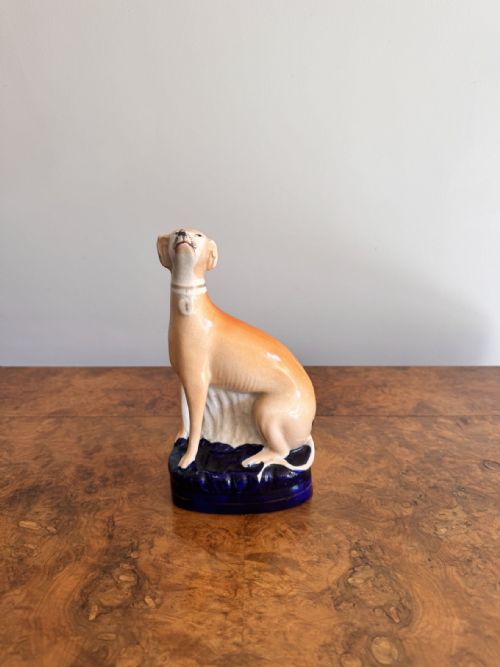
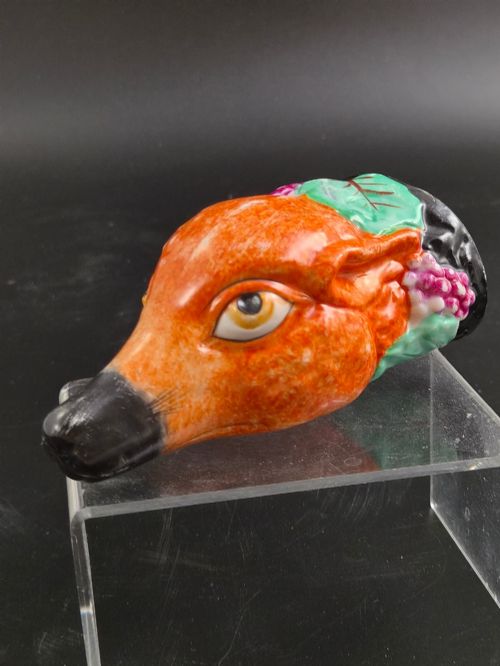
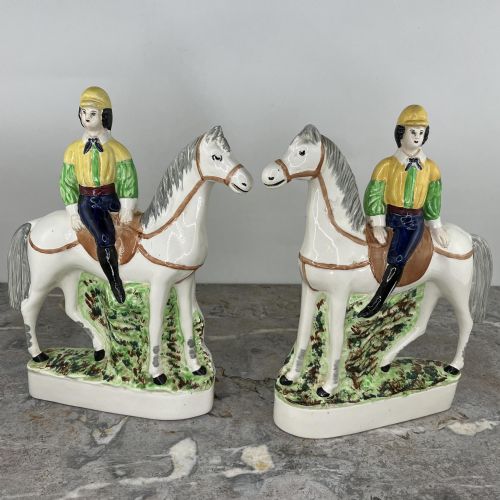
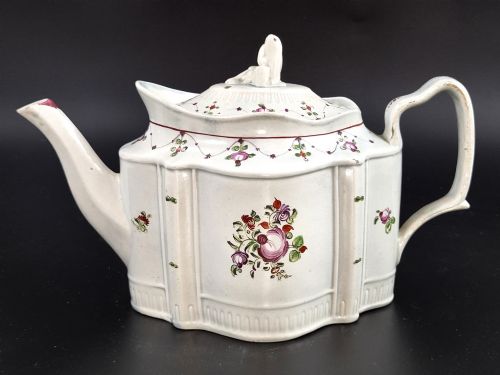
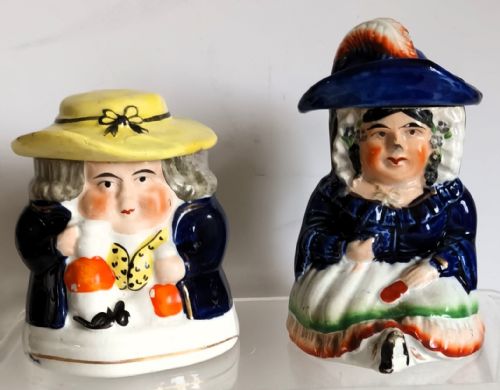
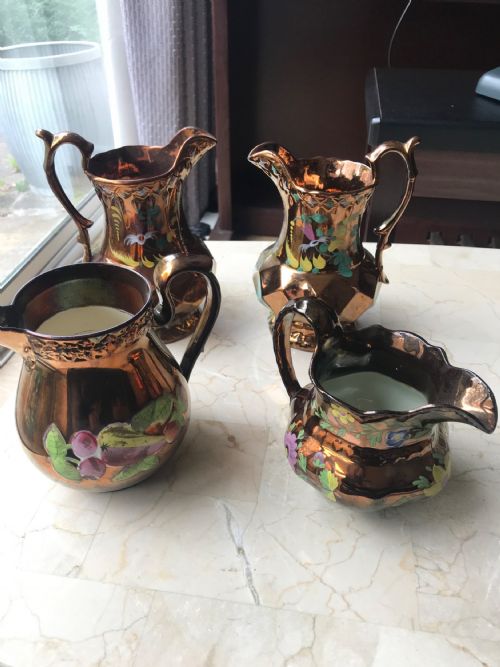
Staffordshire pottery painting encompasses an array of ceramic figures, animals, jugs and teapots produced across the nineteenth century. Buyers seek these items for their rich hand-decorated character, capturing domestic animals, historical figures and theatrical subjects.
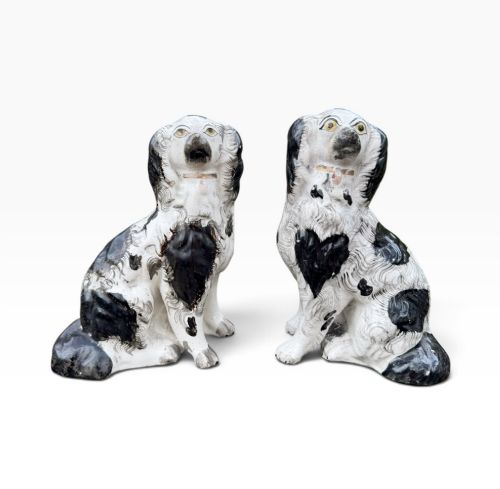
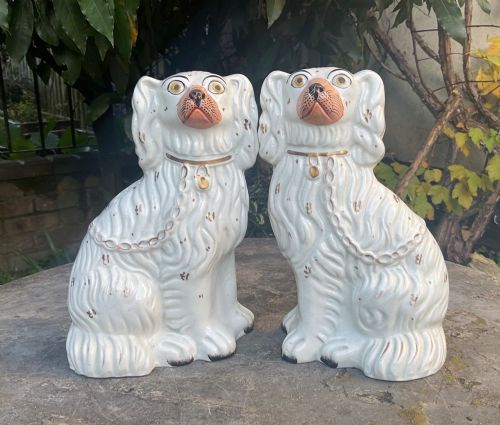
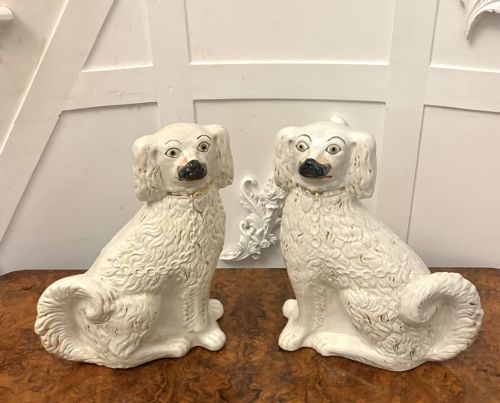
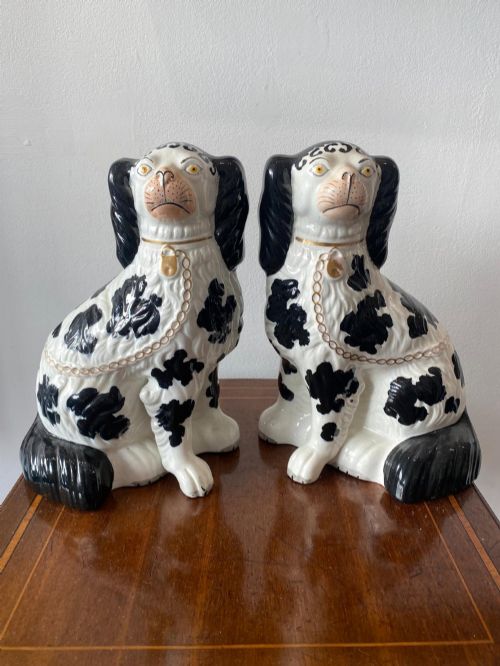
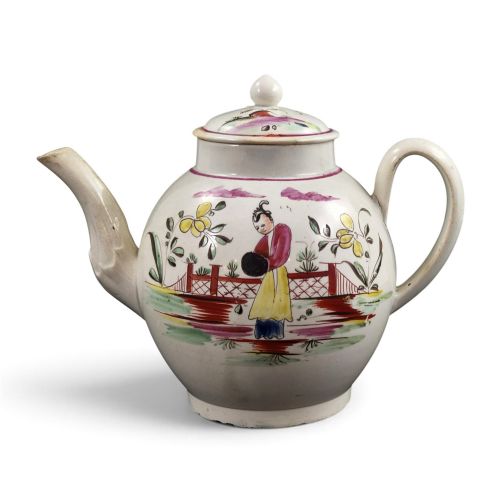
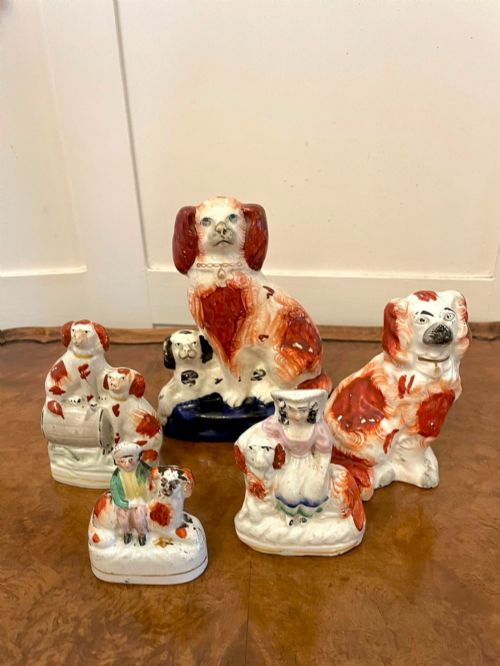
The selection on this page leans heavily towards Victorian spaniels, greyhounds and terriers alongside figurines, tobies and creamware teapots. Pieces range from Georgian pearls and creamware to robust Victorian earthenware models.
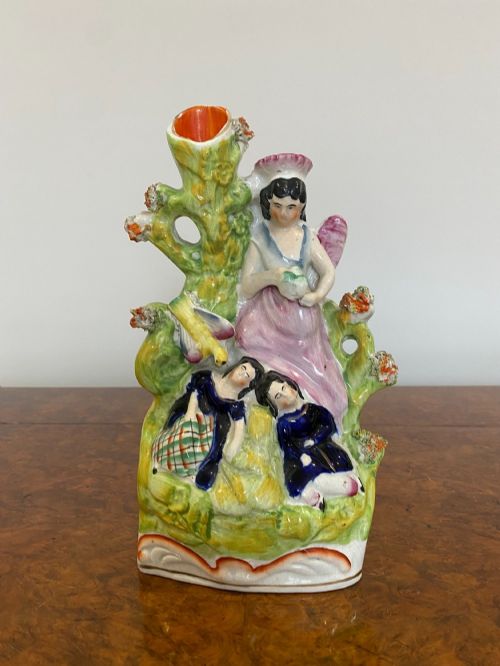
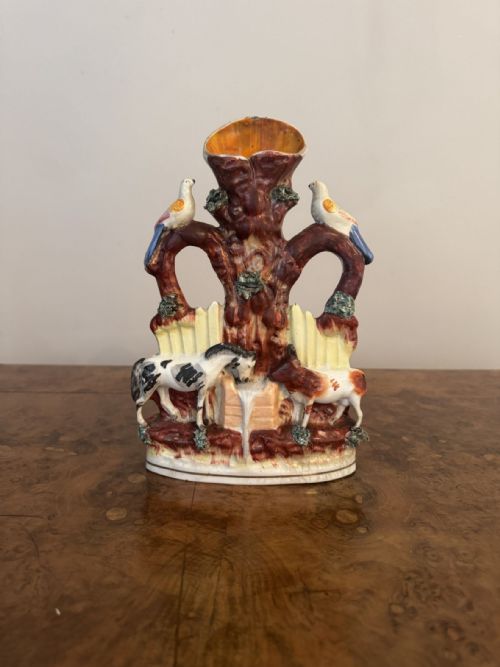
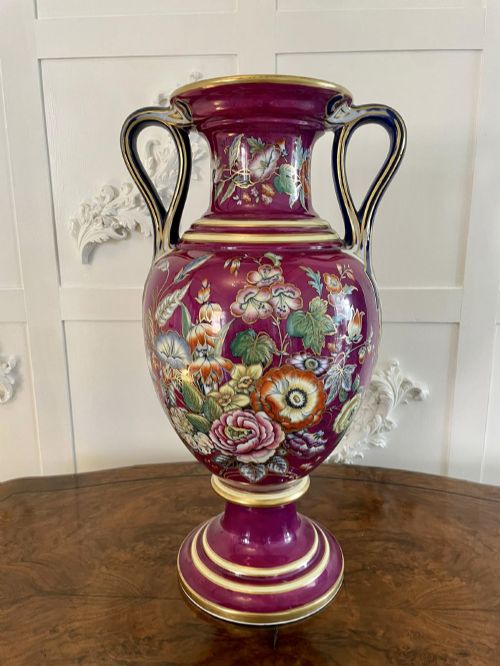
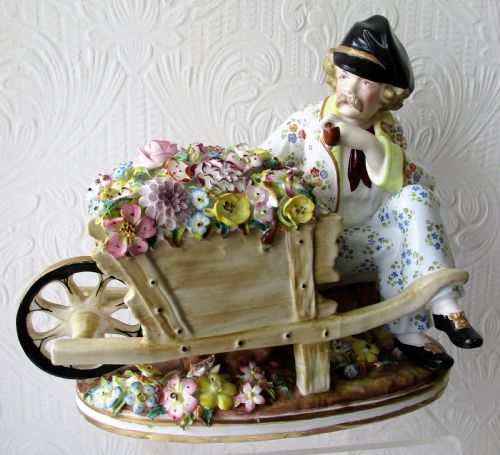
Forms extend from mantel clocks and twin-handled vases to whimsical frog mugs and figural groups depicting contemporary political alliances or literary scenes. Each object represents a tradition of Staffordshire modelling combined with brushwork.
Materials and technique
Potters shaped these objects using earthenware, pearlware, ceramic and porcelain, often relying on press-moulding for figures and hollow animals. Glazes provided a smooth, vitreous base layer before artisans applied pigments by hand.
Staffordshire Pottery Painting Retail Price Guide 2026
Typical asking prices for staffordshire pottery painting among the pieces listed under this phrase on Sellingantiques today, from the lower quarter to the upper quarter. They describe what is for sale here now, not the wider market.
Drinking from a frog mug required steady nerves as the ceramic amphibian rose from the depths to greet your nose.
What varies in quality
The nuance and precision of the brushwork separate basic output from superior examples, particularly in the rendering of facial expressions and animal markings. Well-executed pieces show confident, deliberate strokes on eyes, collars and floral motifs.
Sculptural definition in the moulding dictates overall success, where crisp detailing on spaniels, garments and architectural bases signals superior workshops. Firings that maintain clean, vibrant enamel colours without excessive pooling elevate a piece above standard commercial output.
John Bevington·Royal Staffordshire·Sutherland Ware
The Staffordshire Pottery Painting Glossary
- Pearlware
- A refined earthenware developed in the late eighteenth century with a bluish-tinted glaze that pooled slightly in recesses. This body served as a popular canvas for early hand-painted underglaze designs.
- Flatback
- A figure type modelled with a finished front and a plain, unglazed or minimally decorated flat reverse intended for display against a wall. These objects populated nineteenth-century mantelpieces.
- Toby jug
- A ceramic jug modelled as a stout, jovial individual, typically wearing eighteenth-century attire and holding a mug or jug. Potters decorated these vessels with rich enamel glazes.
- Frog mug
- A drinking vessel featuring a small ceramic frog modelled inside the base or clinging to the rim to surprise the drinker. Hand-painted motifs and inscriptions often accompany these pieces.
Staffordshire Pottery Painting: Frequently Asked Questions
What are Staffordshire dogs called?
Staffordshire dogs are frequently known as comforter spaniels or mantel dogs, traditionally produced in pairs to face inward toward each other on a fireplace.
Potters moulded these popular figures in various sizes, decorating their coats with copper lustre or painted patches.
How do I date Staffordshire pottery?
Dating relies on identifying the ceramic body, glaze characteristics and subject matter, moving from eighteenth-century creamware to nineteenth-century earthenware and porcelain.
Victorian flatbacks and spaniels often display characteristic press-mould seams and enamel palettes associated with the middle and late decades of the nineteenth century.
How were frog mugs used?
Frog mugs functioned as drinking vessels in taverns and domestic settings, designed to amuse drinkers when the hidden ceramic frog emerged from the liquid.
Many examples feature hand-painted inscriptions, names or dates alongside oriental scenes and floral motifs.