



Staffordshire Ceramic Dish
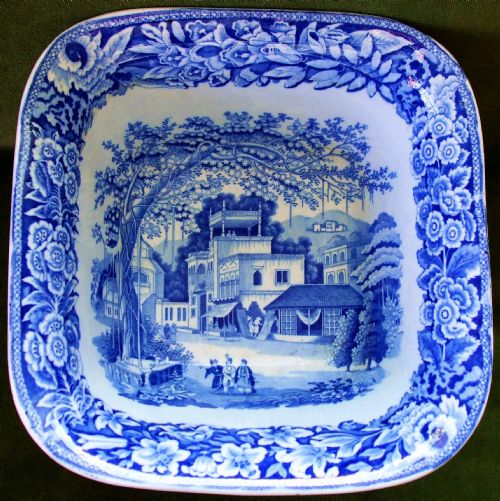
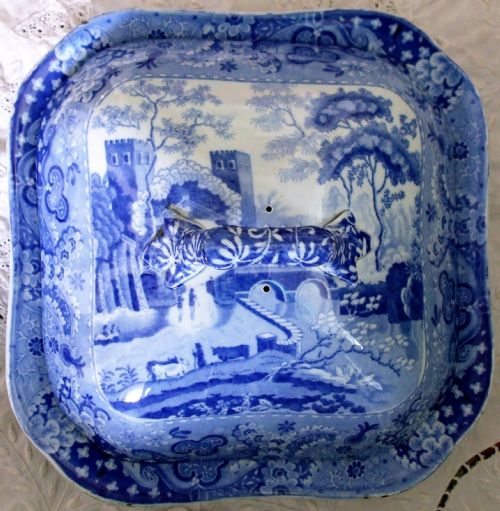
Staffordshire ceramic dish examples bring bold blue transfer prints, pearlware bodies and robust earthenware forms directly to the table.
Staffordshire Ceramic Dish
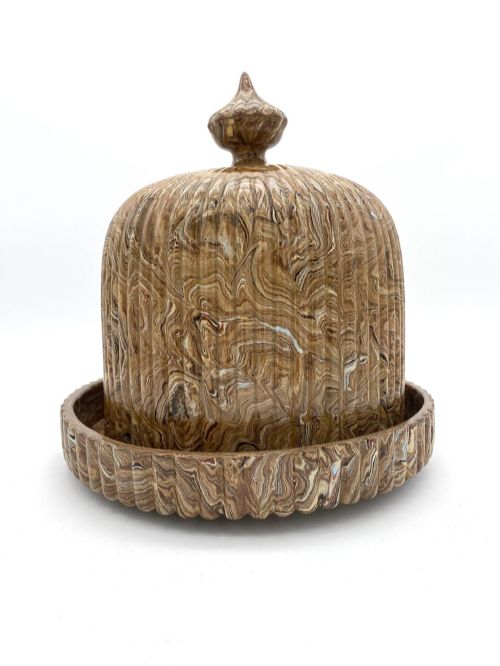
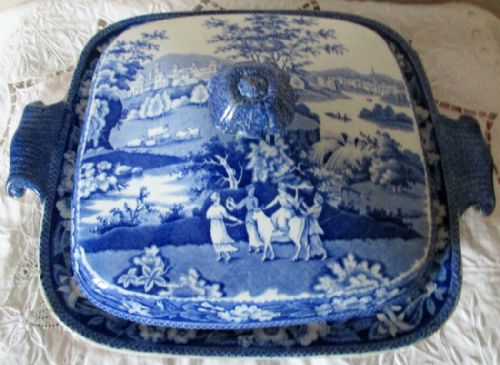
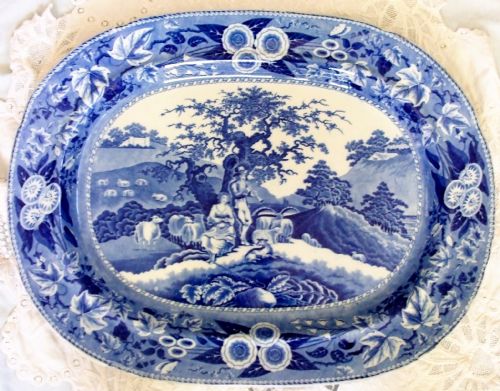
A staffordshire ceramic dish encompasses heavy serving platters, decorative plates, tureens, cheese domes and large chargers originating from English potteries. These pieces appear primarily across Georgian, Regency and Victorian periods, reflecting shifting domestic dining habits and changing ceramic bodies.
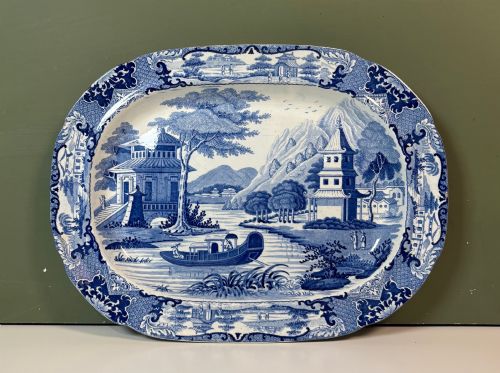
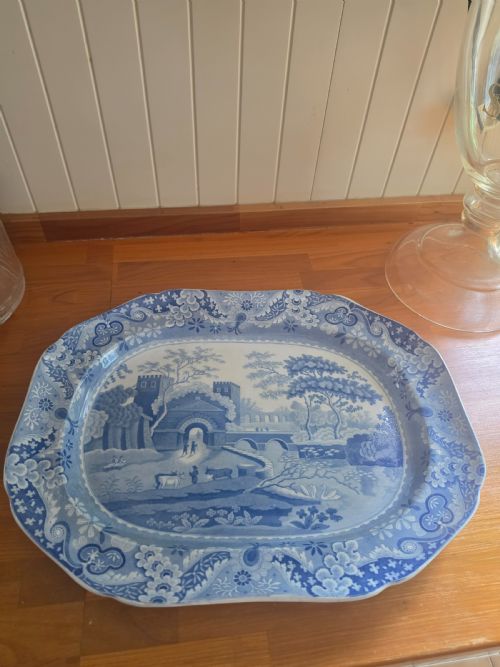
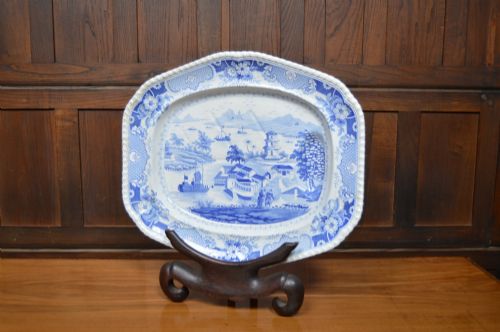
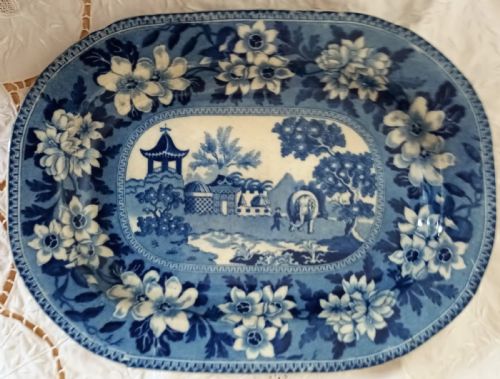
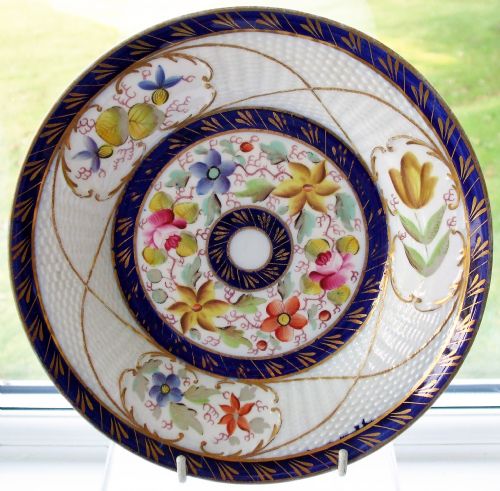
Transfer-printed blue and white patterns dominate the selection, depicting pastoral views, architectural landmarks, exotic scenes and historical narratives. Alongside these printed items, collectors meet pearlware, ironstone, agate, jasperware and hand-painted earthenwares.
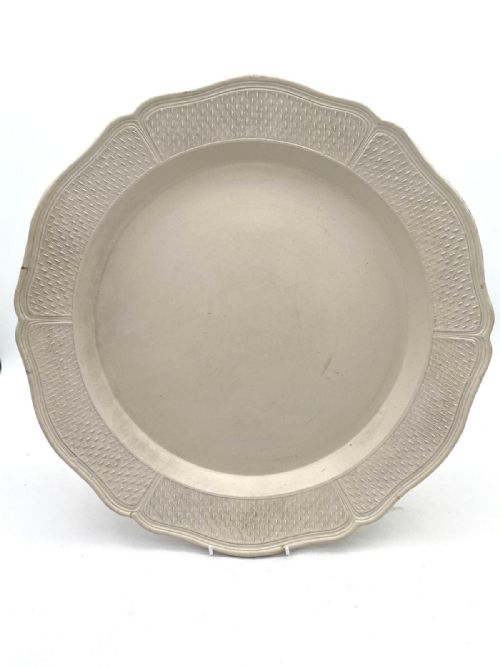
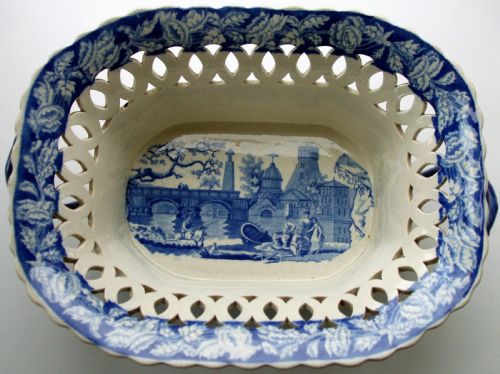
Forms range from simple utilitarian meat plates to elaborate covered vegetable tureens and chestnut baskets complete with matching drainage inserts. Most specimens date through the nineteenth century, though earlier saltglazed chargers and later art deco bowl designs also emerge.
Materials and production methods
Potters built these wares using refined earthenware, pearlware, ironstone and stoneware bodies, shaped either by throwing on a wheel or pressing into moulds. Cobalt pigment served as the primary colourant for transfer-printing, applied to the biscuit body before a transparent lead glaze sealed the surface during high-temperature firing.
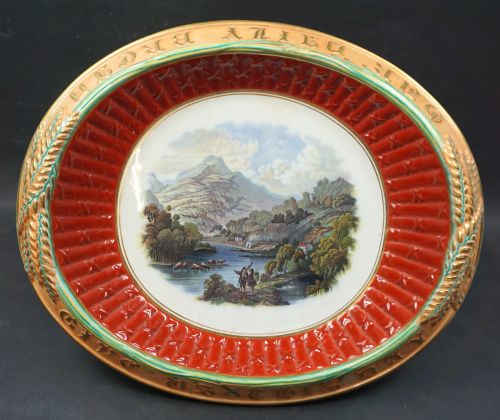
Transfer printing involved engraving copper plates, pulling the ink onto tissue paper, and pressing that paper onto the unglazed ceramic surface. Hand-painted details, gilt highlights and majolica coloured glazes occasionally supplemented the printed designs on specific decorative items.
Staffordshire Ceramic Dish Retail Price Guide 2026
Typical asking prices for staffordshire ceramic dish among the pieces listed under this phrase on Sellingantiques today, from the lower quarter to the upper quarter. They describe what is for sale here now, not the wider market.
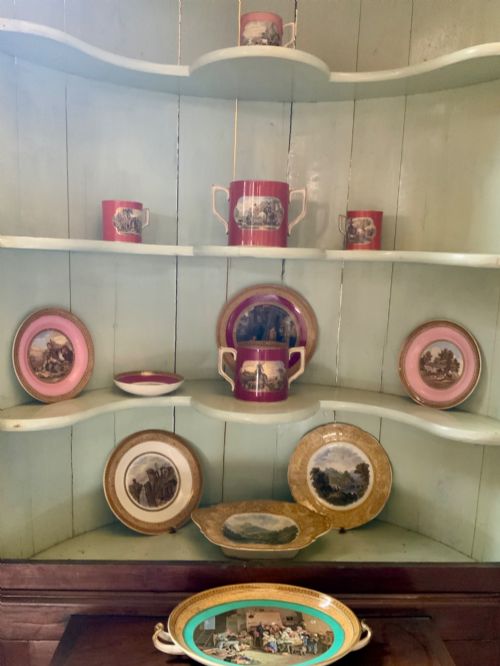
Object forms range from utilitarian meat plates and cheese domes to commemorative Crimean War plates and majolica sardine boxes.
Distinctions in quality
Quality rests upon the crispness of the transfer print, the clarity of the underlying white paste, and the precision of the glaze application. Stronger pieces display deep, uniform cobalt tones without blurring, smudging or heavy kiln pitting.
Modelled relief work, such as lion mask handles or intricate moulded basketweave borders, distinguishes finer domestic wares from basic utility items. Maker identification through impressed or printed factory marks further elevates a piece within its category.
J. W. R.·John Rogers & Son·J. & R. Clews·J. & R. Riley·John and Richard Riley·John Ridgway·Stubbs·James Dudson·Charlotte Rhead Bursley Ware·Thomas Forester & Sons
The Staffordshire Ceramic Dish Glossary
- Pearlware
- A refined earthenware developed in the late eighteenth century featuring a subtle bluish-white glaze that pooled in recesses. This body preceded standard Victorian ironstone and created a brighter ground for blue transfer prints.
- Transferware
- Pottery decorated by applying a printed paper design from an engraved copper plate onto the ceramic body. This technique allowed potteries to produce intricate pictorial scenes with consistent repetition.
- Ironstone
- A heavy, durable ceramic patent developed in the nineteenth century to withstand hard domestic use. It combined earthenware clay with feldspar and slag, yielding a tough, thick body often used for large meat platters.
- Saltglazed
- Stoneware fired by throwing common salt into the kiln at peak temperature, which vaporised and reacted with the silica in the clay body. This process produced a characteristic pitted texture resembling orange peel.
- Jasperware
- A fine-grained, unglazed stoneware developed by Josiah Wedgwood, typically featuring coloured backgrounds with applied white neoclassical reliefs. Later Victorian makers adopted this technique for decorative cheese bells and stands.
Staffordshire Ceramic Dish: Frequently Asked Questions
What is a staffordshire ceramic dish?
These items are nineteenth-century English tableware pieces produced in the pottery districts of Staffordshire, including large meat platters, vegetable tureens, and decorative bowls. They served heavy domestic and dining functions in Georgian and Victorian households.
Potters utilised durable earthenware, ironstone, and pearlware to form these robust vessels. Many feature distinct blue and white printed landscapes that recorded contemporary travel, historical events, and popular folklore.
How were staffordshire dishes used?
Families utilised these platters, chargers, and tureens for serving large joints of meat, vegetables, and desserts during formal dining occasions. Heavy cheese domes and chestnut baskets fulfilled specific roles in nineteenth-century food presentation.
Beyond dining tables, decorative plates and bowls acted as parlour ornaments to display wealth and refined taste. Their durable ironstone and earthenware construction allowed them to withstand daily kitchen routines.
How do I live with antique transferware?
Displaying these large platters and chargers safely requires sturdy plate rails, wall hooks designed for heavy ceramics, or secure dresser grooves. Their robust ironstone bodies tolerate domestic environments well when kept away from sudden impacts.
Routine maintenance involves gentle hand washing in warm water with mild soap rather than mechanical dishwashers. This protects the historic lead glaze and prevents crazing from deepening over time.
How do I date a staffordshire dish?
Dating relies upon examining the ceramic body, maker marks, and the specific style of the transfer print. Early nineteenth-century pieces often employ pearlware bodies with bluish glazes, while later Victorian items utilise heavier ironstone.
Pictorial themes also offer chronological clues, such as military events tied to specific campaigns or architectural subjects from the 1820s and 1830s. Impressed factory ciphers and pattern names on the underside provide additional confirmation.