




Staffordshire Art Pottery
Staffordshire art pottery brings tactile character and domestic history into a room through earthenware figures, creamers, and decorative plaques.
Staffordshire Art Pottery
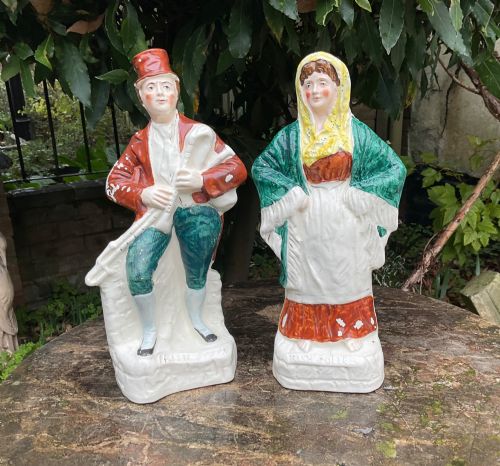
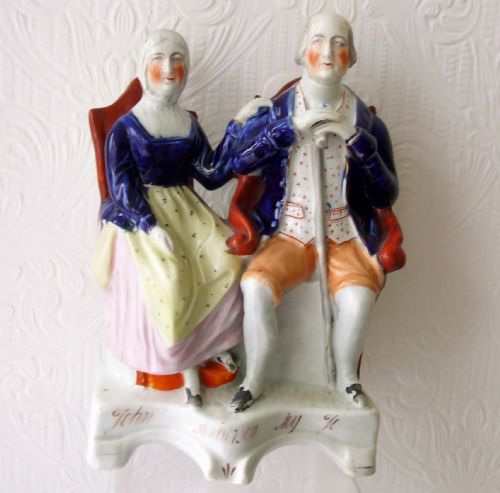
Staffordshire art pottery encompasses a diverse group of earthenware objects ranging from portrait figures and flatbacks to animal creamers and decorative bowls. Buyers searching for staffordshire art pottery encounter pieces dating from the Georgian and Regency periods through to the Victorian era and the 1930s.
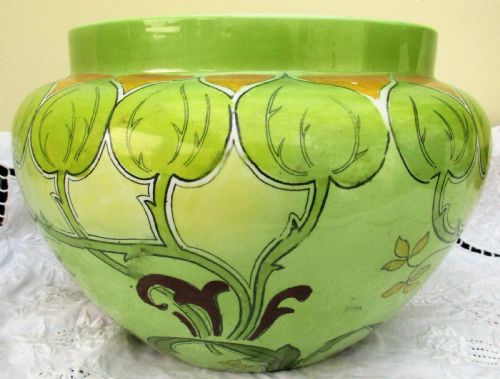
The domestic forms recorded in the evidence include character jugs, jardinieres, and music tiles alongside traditional narrative figures. These items reflect both everyday household use and decorative mantel display across different nineteenth and twentieth century aesthetic movements.
Victorian flatback figures and folk art cow creamers dominate the forms most frequently met on this page. Makers such as W.A. Adderley and Charlotte Rhead represent the stylistic range spanning from nineteenth century art nouveau to twentieth century Bursley ware.
Materials and production methods
Potters utilised earthenware, pearlware, and ceramic bodies shaped through traditional moulding and throwing techniques. These base materials provided the stable foundation necessary for detailed sculptural figures and functional vessels.
Surface decoration relied upon lead glazes, enamel paints, and applied enamel to bring colour and definition to the ceramic form. Kiln firing fixed these pigments and glazes, creating the characteristic glossy finishes seen on Toby jugs and decorative plaques.
Staffordshire Art Pottery Retail Price Guide 2026
Typical asking prices for staffordshire art pottery among the pieces listed under this phrase on Sellingantiques today, from the lower quarter to the upper quarter. They describe what is for sale here now, not the wider market.
Listings feature earthenware and ceramic pieces spanning the Georgian, Victorian, and 1930s periods, including flatback figures and tea services.
Judging quality and execution
The depth and consistency of the lead glaze contribute significantly to the visual appeal of a piece. Finer items display an even gloss that enhances the underlying ceramic details rather than obscuring them.
W.A. Adderley·Sherwin and Cotton·Gladstone potteries
The Staffordshire Art Pottery Glossary
- Earthenware
- A porous pottery body fired at lower temperatures, requiring a glaze to become impermeable. It serves as the primary material for traditional Staffordshire figures and hollowware.
- Flatback
- A ceramic figure designed with a finished front and a largely unadorned, flat reverse intended to sit flush against a wall. These were popular mantelpiece ornaments in the nineteenth century.
- Pearlware
- A refined earthenware developed in the late eighteenth century featuring a subtle bluish tinge in the glaze pooling. It bridged the gap between salt-glazed stoneware and later white earthenwares.
- Prattware
- Staffordshire pottery characterised by underglaze ceramic colours, typically blue, ochre, brown, and green. The technique was widely used for pictorial plaques, jugs, and figurines.
- Toby Jug
- A pottery jug moulded in the shape of a stout, jovial person holding a mug of beer or a pipe. These drinking vessels date back to the eighteenth century and continued through the Victorian period.
Staffordshire Art Pottery: Frequently Asked Questions
What is a Staffordshire flatback figure?
A Staffordshire flatback is a decorative ceramic sculpture designed to be viewed from the front and placed against a mantelpiece or wall. The reverse is typically unglazed or flat to save material and weight.
These pieces often depict literary characters, historical events, or popular figures from the nineteenth century.
How do I identify a cow creamer?
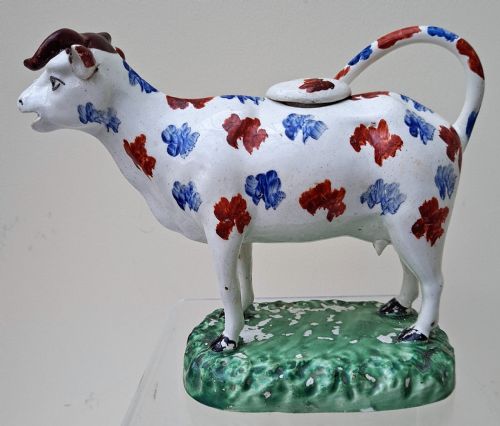
A cow creamer is a small ceramic vessel shaped like a cow, with the tail forming the handle and milk poured through an opening on the back or mouth. They were common functional items on Georgian and Victorian dining tables.
Early examples often feature Prattware glazes or detailed earthenware modeling.
How are nineteenth century Toby jugs used today?
Toby jugs function primarily as decorative display pieces on shelves or sideboards rather than as working vessels. Their characterful faces and historical clothing make them popular focal points for collectors.
Placing them away from direct heat and heavy traffic preserves the antique enamel and glaze.