
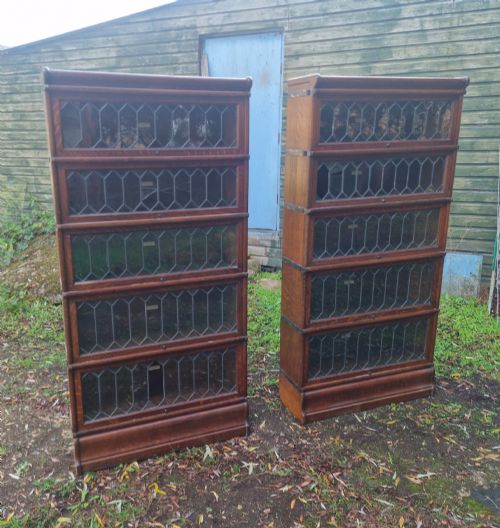
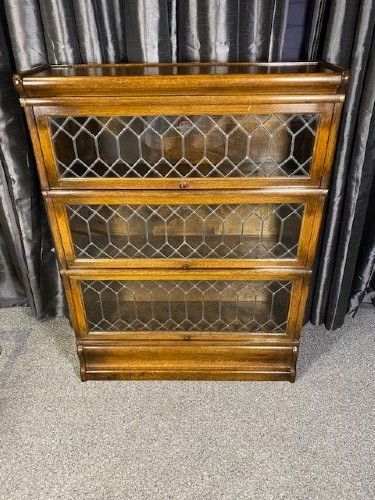
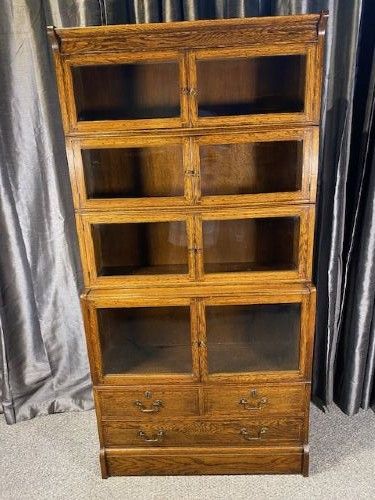
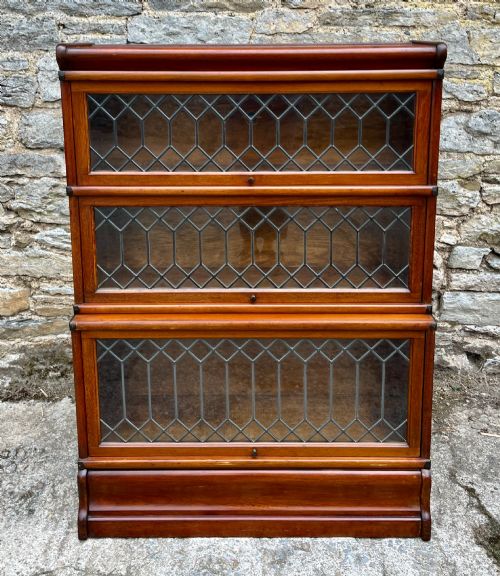

Stacking Glass Cabinet
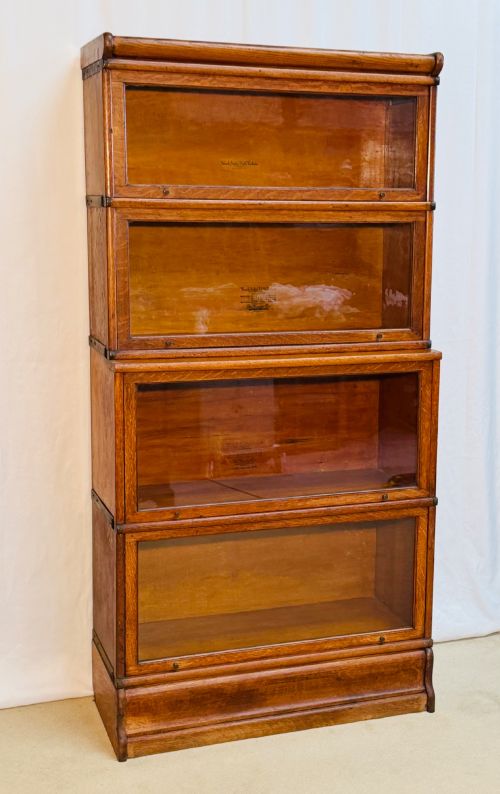
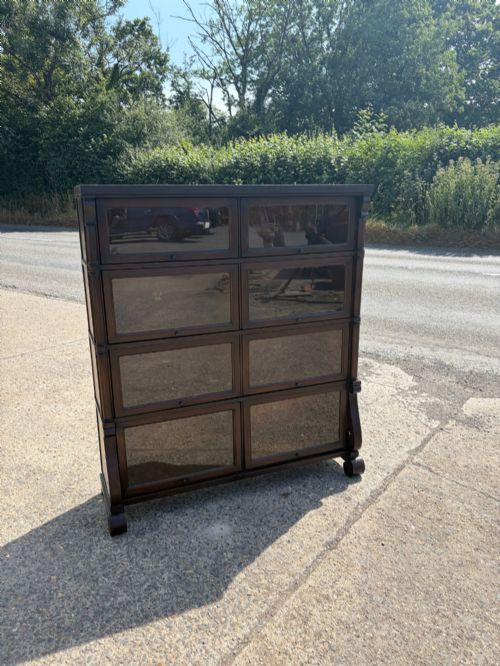
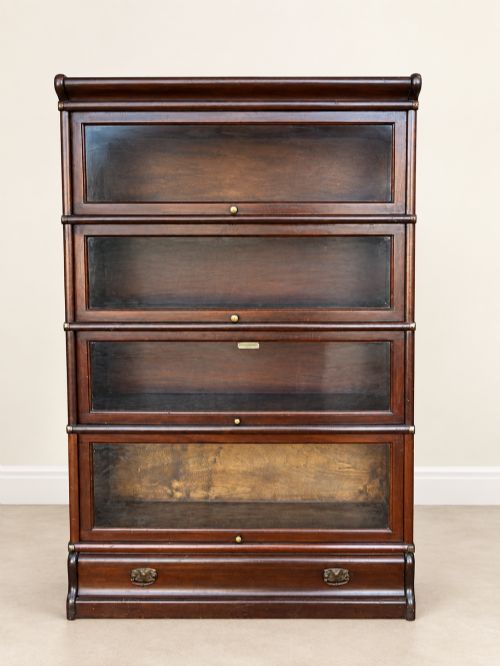
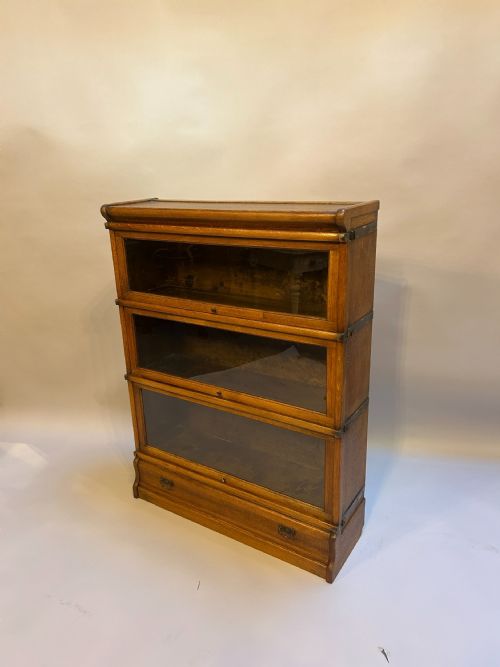
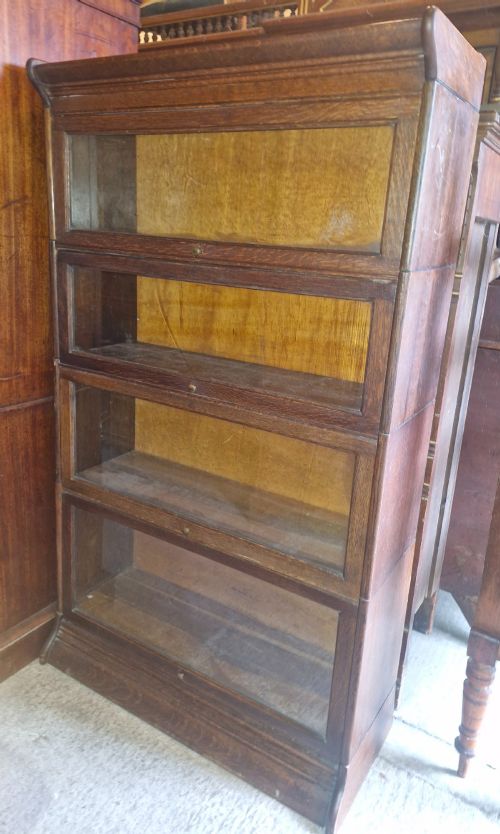
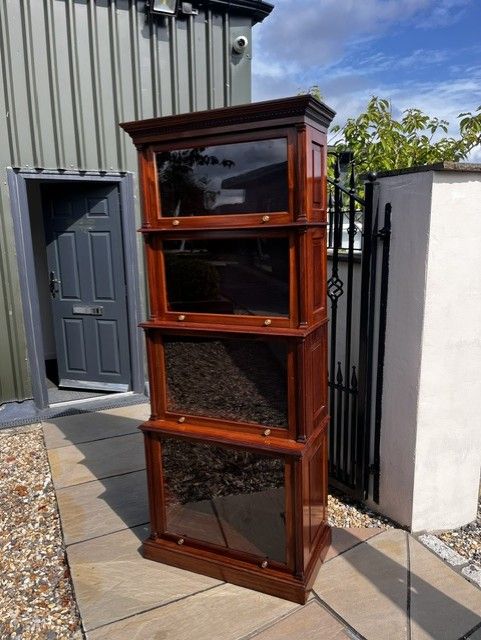
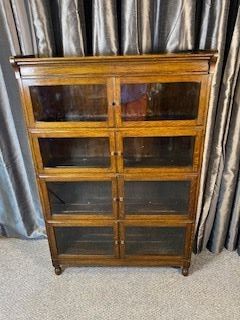
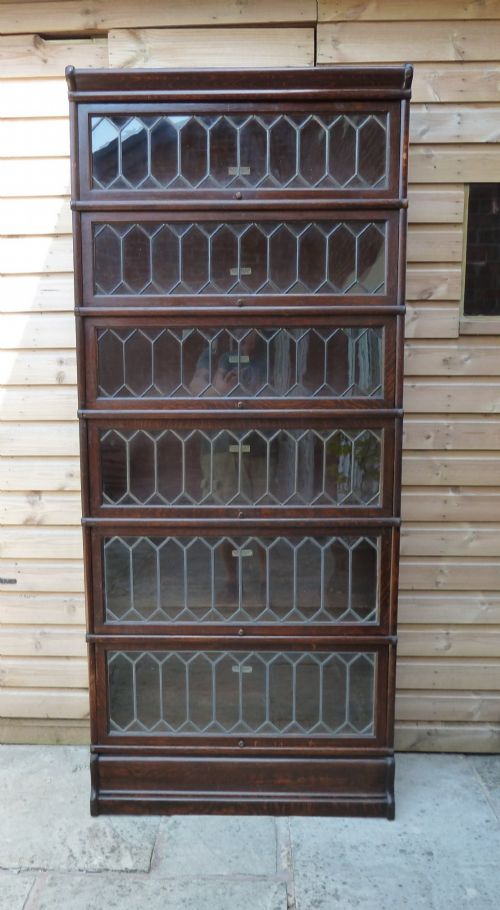
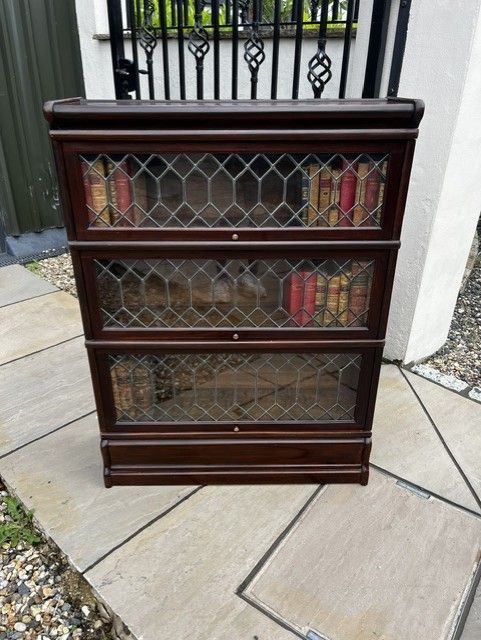
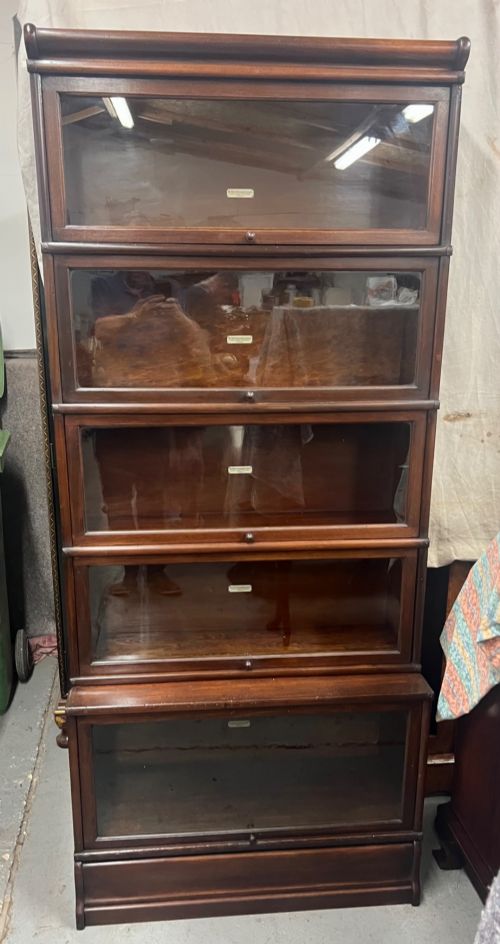
These stacking glass cabinet designs, often known as barrister or sectional bookcases, offer modular display and storage with sliding or lifting glazed doors.
Stacking Glass Cabinet
When you search for a stacking glass cabinet, you find modular modular office and library furniture designed to keep books and papers dust-free while visible through glazed doors. The pieces on this page span the Edwardian era through to the mid-century, with the majority originating in the early decades of the twentieth century.
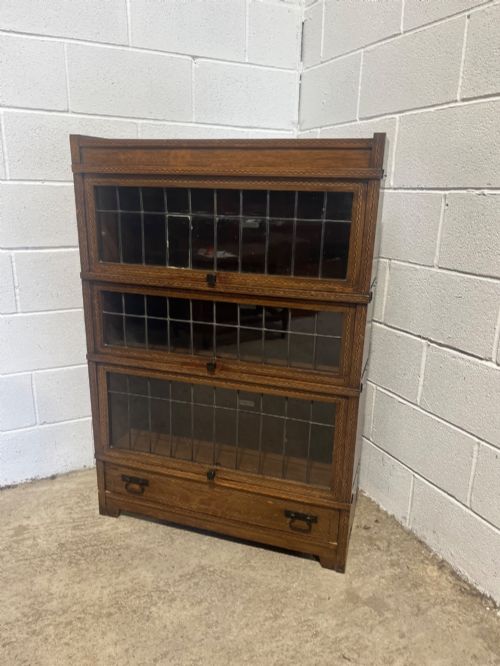
Forms include multi-tier barrister bookcases and sectional cabinets built in distinct modular sections that stack upon a base and sit beneath a top cornice. You meet oak and mahogany structures most frequently, alongside examples featuring leaded glass panels and brass hardware.
Stylistic variations range from traditional Edwardian and Arts & Crafts designs to later Art Deco and mid-century interpretations. Makers represented include firms like Globe Wernicke, Minty, Lebus, Gunn, Warwick, and AMYL, alongside retailers such as the Phoenix Gallery.
How they were made
Timbers such as solid oak, golden oak, mahogany, and walnut form the primary carcass structures, often combined with inlaid details or limed finishes. Glazing takes the form of plain glass panels or leaded glass housed within wooden frames designed to lift and slide into the cabinet above each tier.
Brass fittings, knobs, and proprietary mechanical linkage arms control the upward-lifting action of the glazed doors across multiple stacked sections. Each modular tier functions as an independent box with its own base and top profile, allowing units to be disassembled and reassembled vertically.
A London gallery once housed a set of three cabinets that predates standard office designs with a distinctly playful charm.
What varies in quality
The sophistication of the internal door-action hardware and the integrity of the modular stacking mechanism distinguish standard commercial units from superior productions. Heavier timber selection, finer grain figures in the mahogany or oak, and crisper execution of inlaid decoration elevate the standing of a piece.
Originality of the components, including matching cornices, bases, and uniform glass panels across all tiers, determines the coherence and desirability of the cabinet. Finer examples retain their original maker stamps, brass fittings, and untouched polished surfaces without later alterations.
Globe Wernicke·Minty·Lebus·Gunn·Warwick·AMYL
The Stacking Glass Cabinet Glossary
- Sectional bookcase
- A modular bookcase composed of separate, stackable tiers that fit together vertically with a base and cornice. These units allow the owner to add or remove shelves as library needs change.
- Barrister bookcase
- A specialised office cabinet featuring glazed doors that lift and slide inward above the books. The design protects legal volumes from dust while allowing rapid access in professional chambers.
- Leaded glass
- Glass panes held together by narrow strips of lead into decorative geometric or floral patterns. This technique adds structural rigidity and visual interest to cabinet doors.
- Cornice
- The decorative moulded projection that crowns the uppermost tier of a cabinet. It finishes the vertical composition and caps the stack.
- Tier
- An individual modular section of a stacking bookcase containing its own shelf and door. Multiple tiers lock or rest securely one upon another.
Stacking Glass Cabinet: Frequently Asked Questions
How do stacking glass cabinet doors work?
The glazed doors utilise internal metal arms and pivots that allow the panel to lift outward and slide horizontally into the recess above the books. This mechanism enables each tier to open independently while keeping the front profile flush when closed.
Matching the correct mechanical action to the period ensures the doors glide smoothly without binding against the wooden frame during operation.
Can stacking glass cabinets be separated?
Yes, the modular design consists of individual boxes that lift apart from the base plinth and top cornice. This construction was originally intended to facilitate transport and allow offices to expand their shelving vertically.
When rearranging or moving a cabinet, lifting each tier separately prevents strain on the joints and glass components.
What is the difference between Edwardian and Art Deco stacking cabinets?
Edwardian and Arts & Crafts examples often showcase figured oak, inlaid timber details, and leaded glass doors with traditional craftsmanship. Art Deco pieces from the later periods favour cleaner lines, limed oak finishes, and simplified geometric forms.
Examining the hardware, timber treatment, and overall silhouette helps determine whether a cabinet belongs to the early twentieth-century revival styles or later modernist decades.
Where were stacking glass cabinets used originally?
These cabinets served primarily in professional offices, law chambers, and studies where reference books required protection from dust and frequent handling. The modular format allowed growing practices to purchase additional tiers as their libraries expanded.
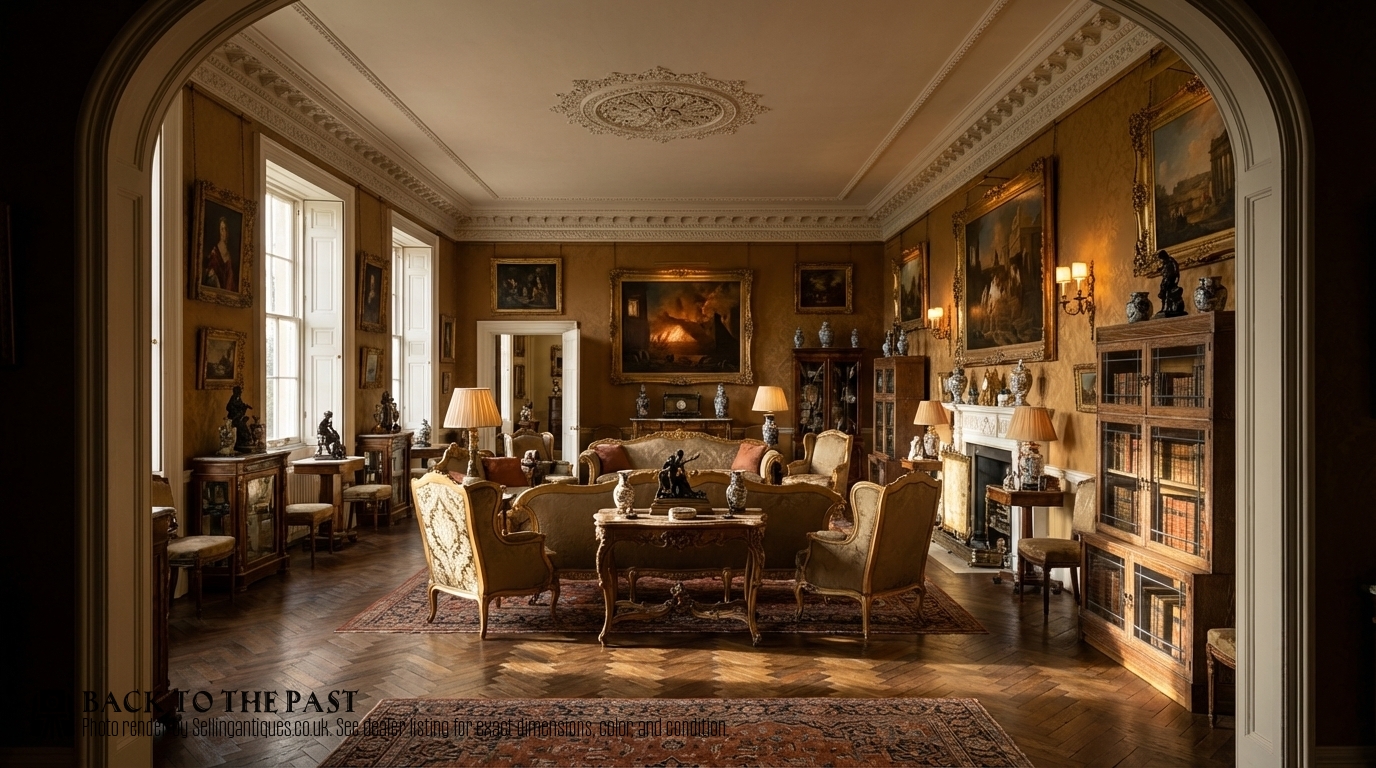
Today, the same space-saving vertical proportions make them well suited for living rooms and home offices to display books and collections.