

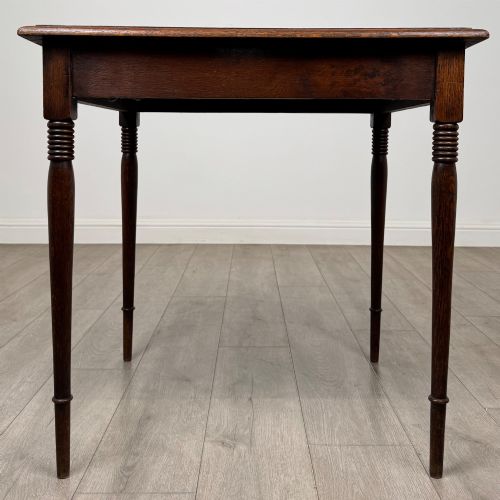
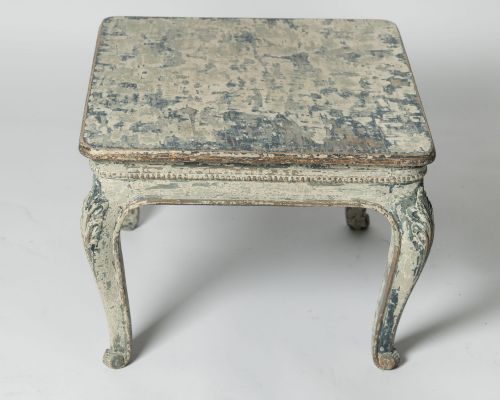
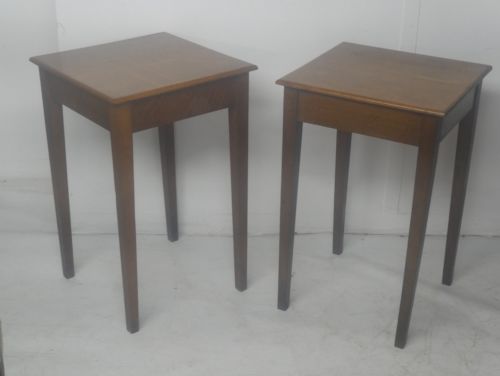

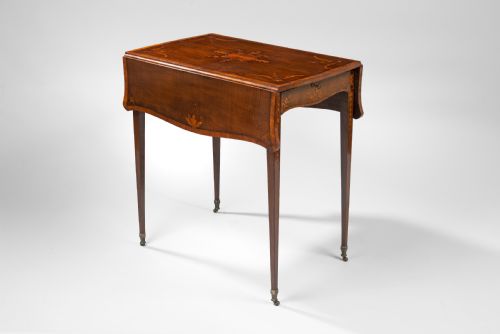


Square Leg Side Table
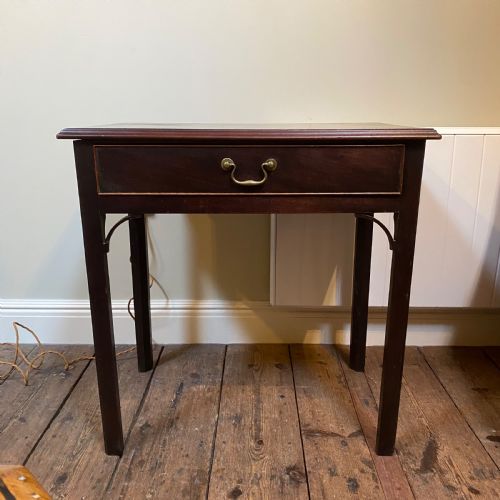
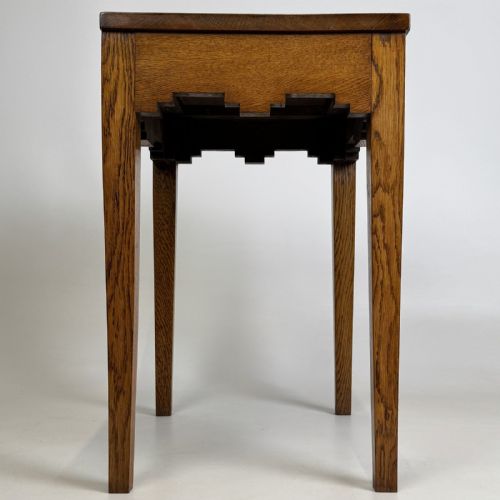
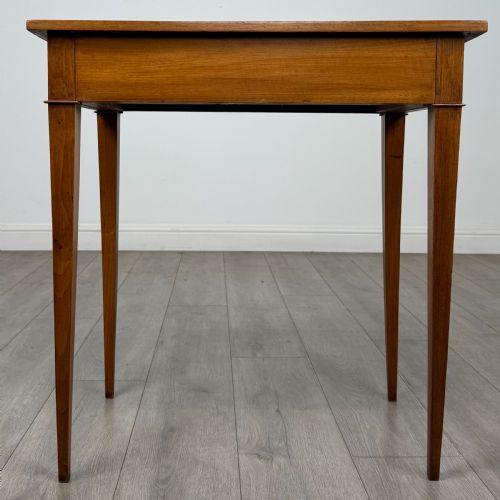
A square leg side table provides a sturdy, rectilinear surface rooted in Georgian, Victorian and Edwardian design traditions.
Square Leg Side Table
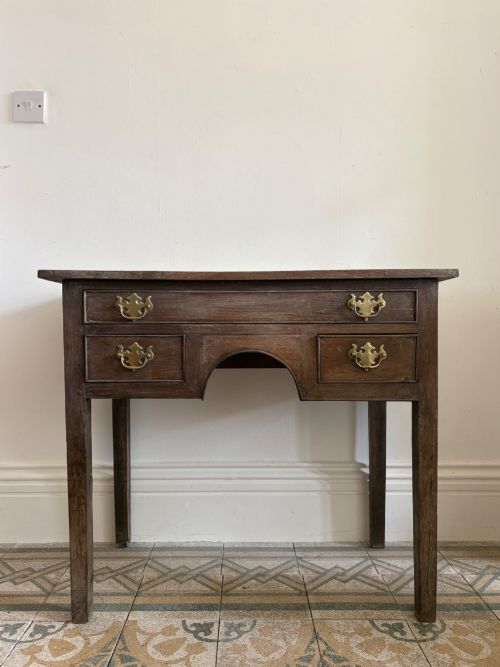
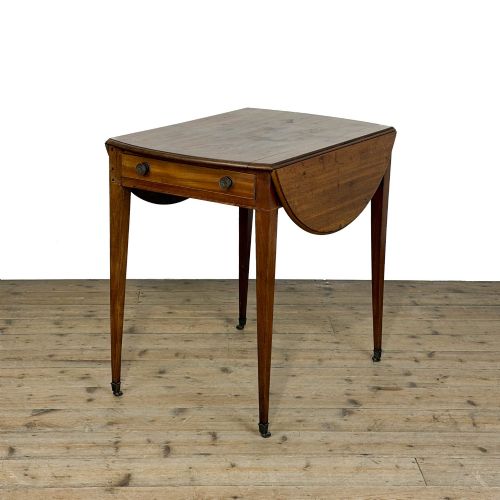
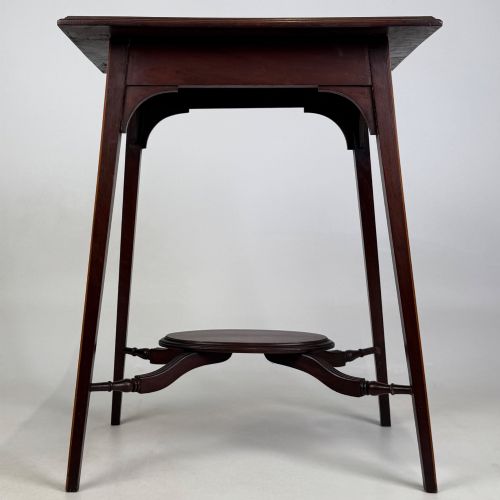
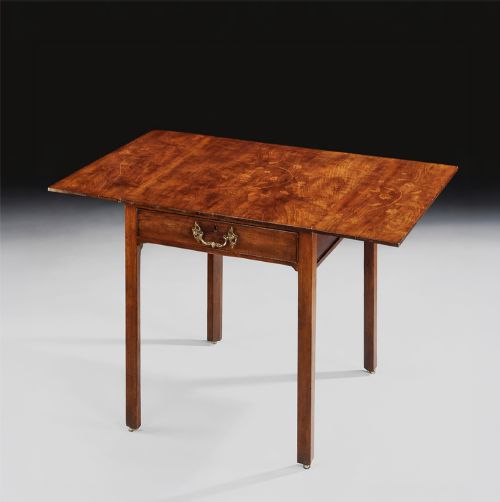
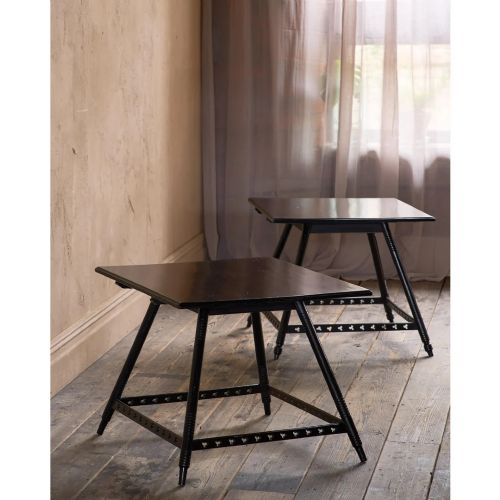
A square leg side table encompasses functional forms such as side tables, occasional tables, pembroke tables, lamp tables and lowboys. These pieces emerge across periods spanning the eighteenth century, the nineteenth century, the Edwardian era and the nineteen-thirties.
The most common iterations on this page pair mahogany, oak or walnut timbers with straight or tapered square legs. Makers often integrate drawers, lower shelves or drop leaves for domestic utility.
Origins range from English workshops in the Georgian and Victorian styles to French provincial pieces and Scottish oak items. Buyers encounter simpler domestic versions alongside inlaid Sheraton revival examples and Chippendale designs.
Materials and construction
Cabinet makers built these tables using primary solid timbers like mahogany, oak and walnut, frequently enhancing surfaces with satinwood, boxwood, harewood or general wood veneer and wood inlay. Brass fittings appear on select pieces as handles or structural accents.
Construction methods rely on traditional joinery to secure straight or tapered square legs to the apron and top. Makers applied marquetry, stringing and surface carving to elevate the visual detail of mahogany and oak frameworks.
Square Leg Side Table Retail Price Guide 2026
Typical asking prices for square leg side table among the pieces listed under this phrase on Sellingantiques today, from the lower quarter to the upper quarter. They describe what is for sale here now, not the wider market.
Some tables double as card surfaces, proving our ancestors took their evening entertainment very seriously indeed.
Factors of quality
Quality depends upon the choice and figuring of the timber, from plain oak boards to finely matched mahogany, burr elm, burr yew or satinwood veneers. The crispness of inlaid marquetry and the precision of the joinery around the square legs dictate the piece's standing.
Construction depth separates standard utility items from finer examples, visible in the integration of hidden drawers, lower shelves, brass details and dry, honest surfaces preserved over centuries.
Baillie Scott
The Square Leg Side Table Glossary
- Lowboy
- A small oak or mahogany dressing table or side table featuring a single or multiple drawers beneath the working surface. These pieces typically date to the early eighteenth century and stand on slender legs.
- Pembroke table
- A small drop-leaf table with hinged flaps on either side designed for versatility in domestic rooms. They frequently incorporate a single drawer and straight square legs.
- Marquetry
- Decorative veneer work formed by fitting pieces of various coloured woods into a design on the tabletop. This technique appears on Sheraton and revival pieces.
- Occasional table
- A small, movable table intended for intermittent use as a lamp or display surface in reception rooms. They appear across Edwardian and later twentieth-century listings.
- Card table
- A folding table with a hinged top that opens to reveal a baize-lined playing surface for games. Examples include concertina actions and Chippendale styling.
Square Leg Side Table: Frequently Asked Questions
What is a square leg side table used for?
These tables function as surface furniture for lamps, books and decorative objects in living spaces and hallways.
Historically, specific forms accommodated writing, dining or card games depending on the folding leaves or drawer configurations.
How do I identify a Georgian side table?
Georgian pieces display eighteenth-century timber characteristics like dense mahogany, oak or satinwood with hand-cut joinery.
Look for structural proportions, timber oxidation and traditional cabinet-making methods rather than modern fixings.
Where were these tables made?
The listings include pieces originating from English workshops, Scottish makers and French provincial cabinet-makers.
Regional styles often dictate the choice of primary timber, such as local oak in Scotland or imported mahogany in London.
How do I care for antique wood tables?
Maintain timber surfaces by keeping them away from direct heat sources and sudden humidity changes.
Apply traditional wax sparingly and polish with a soft cloth to preserve the dry surface and patina.