



Square Coffee Table
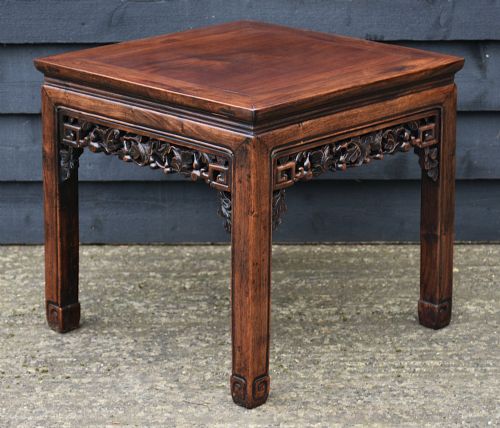
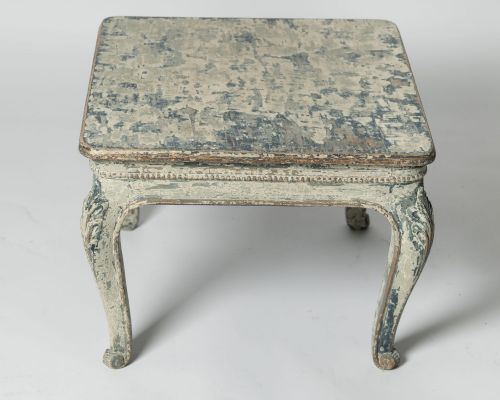
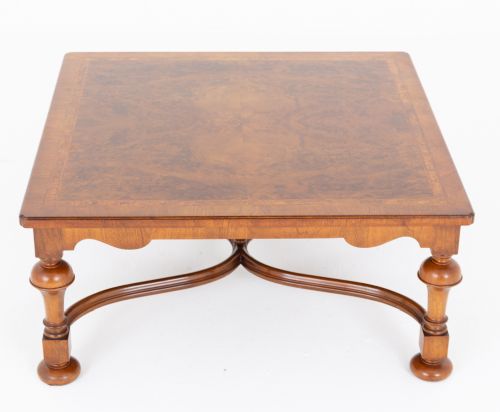
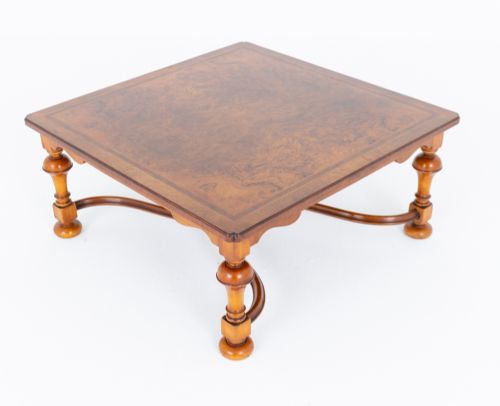
A square coffee table anchors a seating area with balanced proportions, offering low surfaces in walnut, oak, mahogany, and brass across periods from the eighteenth century to Art Deco.
Square Coffee Table
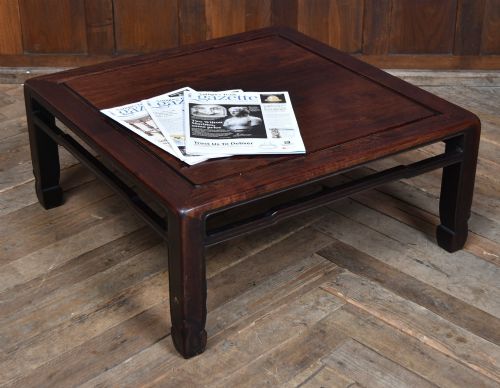
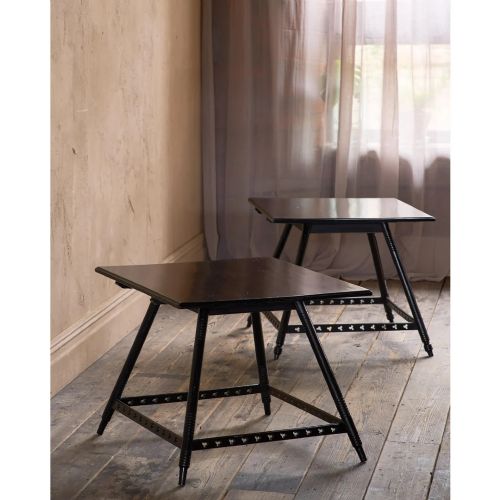
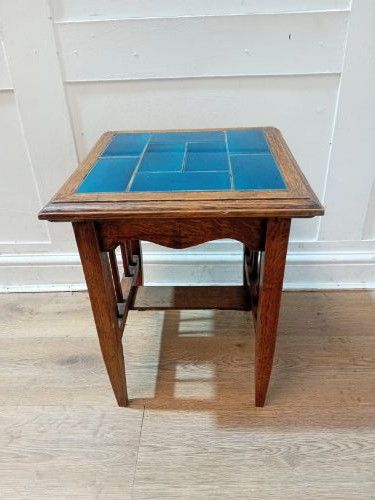
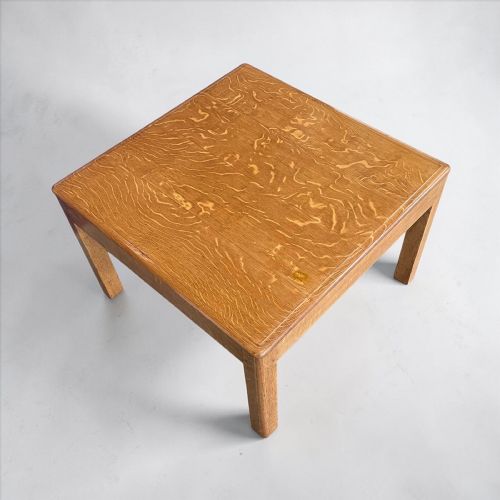
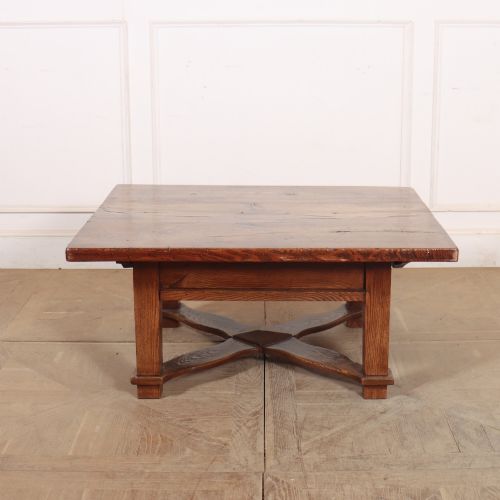
A square coffee table brings symmetry to a room, functioning as a central platform for daily use or as a low display surface. The form appears across multiple eras, ranging from rustic country pine and elm tables to refined Edwardian and Victorian mahogany designs.
Buyers meet diverse regional interpretations within these selections, including Qing Dynasty rosewood low tables, Japanese elm chabudai tea tables, and French marquetry pieces. Alongside traditional low tables, the listings include upholstered leather footstools, ottomans, and multi-tiered occasional tables adapted for modern living.
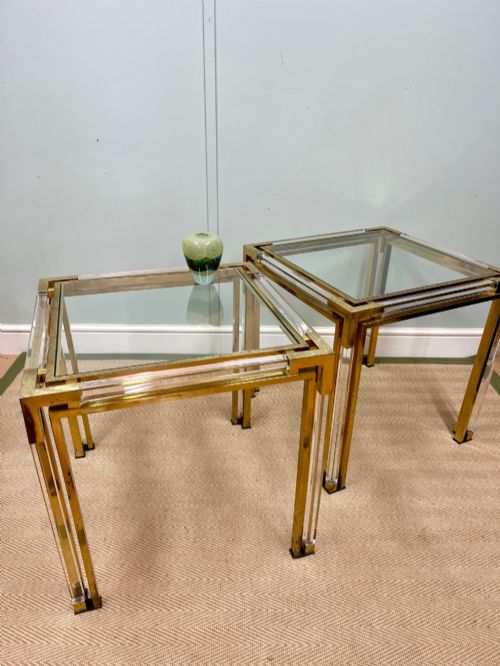
The materials span native hardwoods such as oak and walnut alongside exotic timbers like padouk, rosewood, and satinwood. Metal and glass combinations also appear, particularly in twentieth-century designs influenced by Art Deco aesthetics.
Materials and construction methods
Cabinetmakers utilised solid timbers and figured veneers, applying walnut, mahogany, and oak across frames with pegged joints or dovetailing. Ebonised wood, fruitwood, and elm provide distinct surface tones, while brass fittings and marble inserts offer contrasting textures.
Upholstered variations rely on buttoned leather and woven cane tops stretched over sturdy hardwood frames. Parquetry and marquetry surfaces demonstrate complex geometric wood inlay techniques executed by period craftsmen.
One piece began life as a heavy wooden cart before finding a second career as a low living room table.
Proportions and surface execution
Quality rests in the selection of figured veneers and the crispness of carved details, distinguishing standard production from workshops like Gillows of Lancaster or makers such as Betty Joel. Timber movement, structural joints, and the integrity of inset materials dictate long-term durability.
The refinement of leg profiles, whether cabriole, tapered, or pedestalled, balances the heavy geometry of the top. Original hardware, intact surface patination, and the precision of parquetry work separate exceptional examples from simpler utilitarian pieces.
Betty Joel·Peter Ghyczy·Gillows of Lancaster
The Square Coffee Table Glossary
- Parquetry
- Wood pieces arranged in geometric patterns to form a mosaic surface. This technique decorates table tops and occasional stands.
- Marquetry
- Veneers applied in pictorial or decorative designs across wooden panels. It defines French and Edwardian stylistic pieces.
- Chabudai
- A traditional short-legged Japanese table used for sitting on the floor. These low surfaces function as tea tables.
- Ebonised
- Wood treated with a dark finish to imitate ebony. This process appears on nineteenth-century frames and tables.
Square Coffee Table: Frequently Asked Questions
How do I style a square coffee table?
Balance the equal proportions by arranging items in contrasting shapes, such as round trays, stacked books, and vertical objects.
Leave clear surfaces at the edges to maintain the practical utility of the low table.
Are these tables suitable for everyday use?
Solid hardwood and metal frames handle daily domestic demands while developing a natural patination over decades of living.
Care for polished timber and leather surfaces by using coasters and avoiding direct heat sources.
What is the difference between a coffee table and an ottoman?
Coffee tables provide rigid wooden or glass surfaces for placing drinks, lamps, and decorative objects.
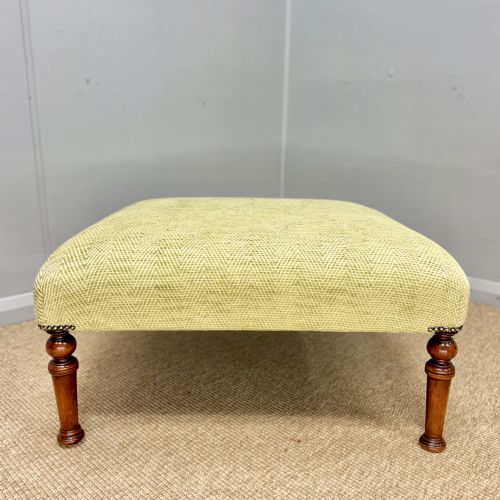
Ottomans and footstools feature upholstered leather, fabric, or caned tops designed primarily to support feet or serve as flexible seating.
How do I identify Art Deco period tables?
Art Deco pieces from the twentieth century rely on symmetrical geometry, highly figured veneers, and tiered structures.
They often incorporate contrasting materials like walnut, brass, and glass to project a streamlined aesthetic.