





Curved Stretcher Table
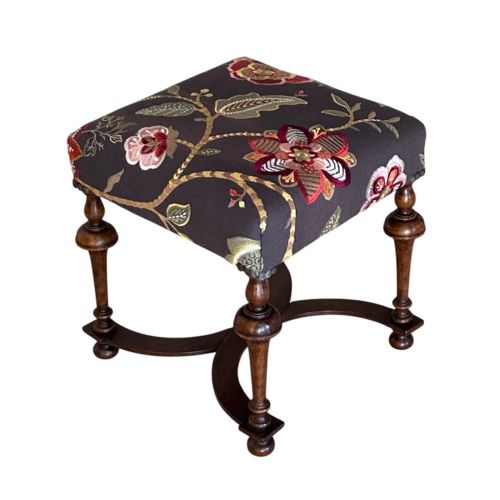
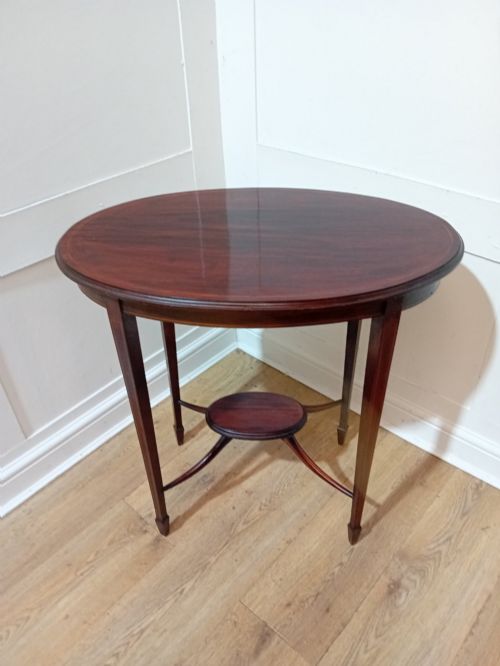
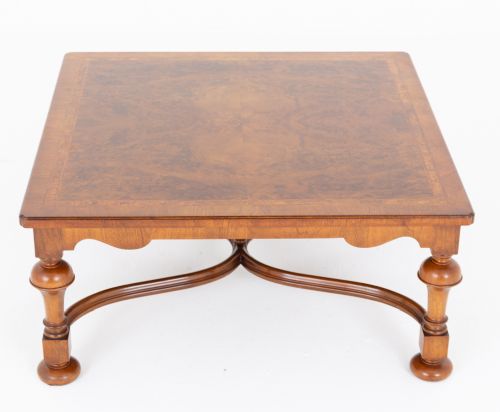
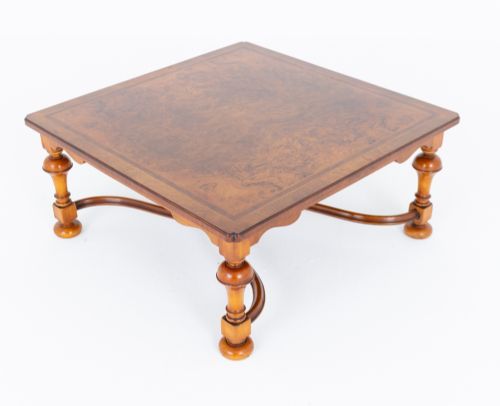
These curved stretcher table examples bring useful surface space and period timber to a room.

Curved Stretcher Table
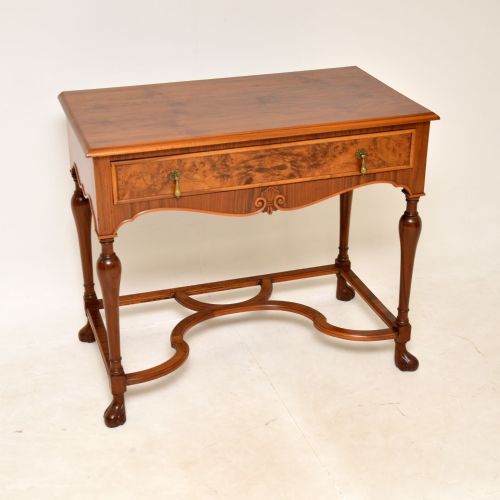
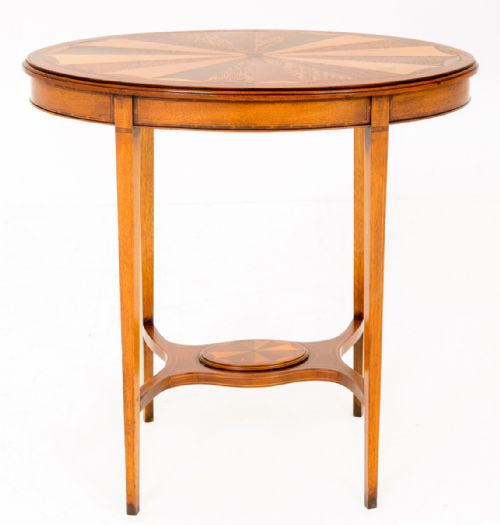
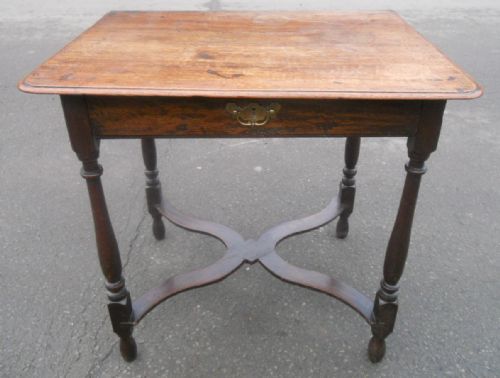
A curved stretcher table provides a sturdy resting place for lamps or books while adding architectural interest to a room. When you examine a curved stretcher table on this page, you encounter occasional tables, coffee tables, and side tables dating from the nineteenth century into the early twentieth century.
The selection ranges from simple mahogany side tables to elaborate Sheraton Revival and Carolean Revival forms. Most examples date from the late nineteenth century, reflecting popular revival aesthetics of that era.
Materials and construction
Cabinet makers built these pieces using solid timbers like mahogany, walnut, and burr walnut, often pairing them with satinwood veneers. These woods provide the structural strength and rich grain patterns visible across the tabletops.
Makers incorporated inlaid wood and brass details to decorate the surfaces, alongside timber inlay work. The curved stretcher components were shaped to brace the legs while adding a decorative element beneath the main surface.
Curved Stretcher Table Retail Price Guide 2026
Typical asking prices for curved stretcher table among the pieces listed under this phrase on Sellingantiques today, from the lower quarter to the upper quarter. They describe what is for sale here now, not the wider market.
Object forms on this page include occasional tables, coffee tables, and side tables in Sheraton Revival and Carolean Revival styles.
What separates the better examples
Quality in these pieces rests on the choice of timber and the precision of the inlay work. Better examples feature finely figured burr walnut or carefully contrasted satinwood rather than plain timber.
The refinement of the carving and the fluidity of the stretcher curves distinguish the finer workshop output from simpler production. Subtle details in the timber inlay demonstrate the skill invested in the piece.
The Curved Stretcher Table Glossary
- Stretcher
- The horizontal wooden brace connecting the legs of a table for stability. On these pieces, the stretcher takes a curved form rather than running straight.
- Sheraton Revival
- A late nineteenth-century design movement inspired by the neoclassical furniture of George Sheraton. It relies on light timbers, satinwood, and delicate inlay.
- Carolean Revival
- A style looking back to the robust, carved furniture of the mid-to-late seventeenth century. Walnut is the favoured medium for this heavier aesthetic.
- Inlay
- A technique where pieces of contrasting wood or other materials are inserted into depressions in the base timber to form decorative patterns.
Curved Stretcher Table: Frequently Asked Questions
What is a curved stretcher table used for?
These tables function as occasional pieces, side tables, or coffee tables in a living space. They hold daily items like lamps, books, and cups while anchoring a room's layout.
The lower stretcher shelf or brace also offers a spot for small display objects or simply provides structural rigidity.
Which woods appear most often?
Mahogany and walnut form the backbone of these pieces, alongside burr walnut for decorative grain effects. Satinwood appears frequently in Sheraton Revival designs.
Makers also utilised timber inlay and brass to accent the primary woods.
How do I care for antique timber?
Keep wooden tables away from direct heat sources and strong sunlight to prevent the timber and veneer from drying out. Regular dusting with a dry cloth maintains the surface.
Abrasive cleaners and excessive moisture damage the polish and inlay work over time.