



Spy Caricature Vanity Fair
Spy caricature vanity fair prints capture the notable figures of past eras with biting wit and distinctive draughtsmanship.
Spy Caricature Vanity Fair
A spy caricature vanity fair print is a framed or unfolded portrait capturing prominent figures from Victorian, Edwardian and later eras. These artworks document the politicians, judges, royals and sportsmen who shaped society at the turn of the century.
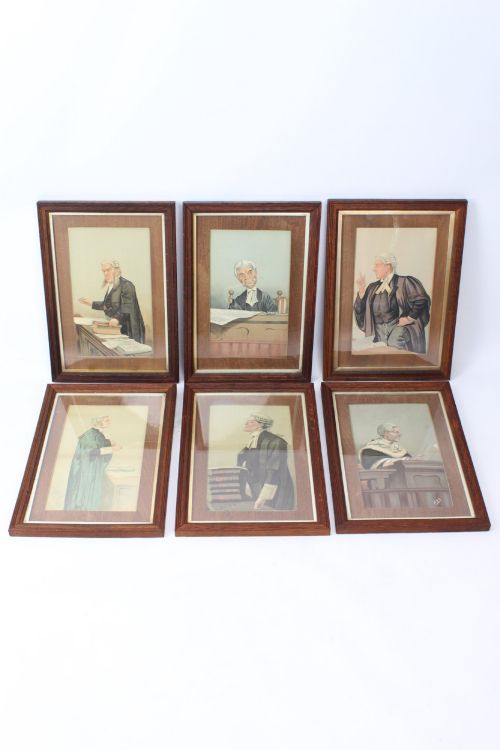
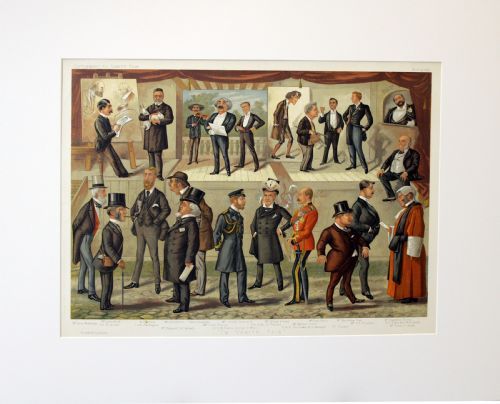
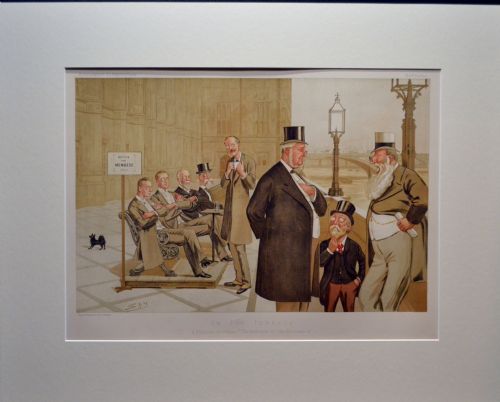
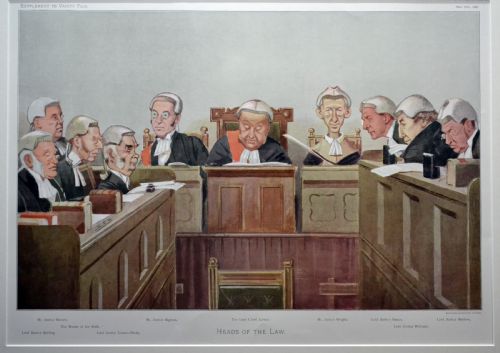
Buyers on this page most frequently encounter individual plates, themed sets and double-page chromolithographs housed in wood, glass and card mounts. These pieces range from single Victorian sheets to framed groupings depicting military commanders, politicians of empire and legal figures.
Materials and Production
These works rely on paper, cardboard and mount board as the primary substrates for detailed ink illustration and rich chromolithography. Publishers utilised multi-layered colour printing techniques to achieve the vibrant tones seen in the double-page spreads.
Framing materials typically incorporate wood and glass to protect the delicate paper surfaces from environmental damage. Many examples retain their original card mounts and structural framing from the nineteenth and early twentieth centuries.
Current listings span the Victorian, Edwardian and 1920 periods, utilising paper, ink, wood and glass.
Assessing Quality and Condition
Quality rests primarily in the vibrancy of the ink and the preservation of the paper sheet against fading and foxing. Strong, uncompromised margins and bright chromolithographic pigments distinguish superior plates from heavily handled examples.
The sophistication of the subject matter and the completeness of themed sets also influence desirability. Original double-page formats and intact collections carry greater visual impact than trimmed single leaves.
The Spy Caricature Vanity Fair Glossary
- Chromolithography
- A planographic colour printing process using multiple lithographic stones, one for each colour. This technique produced the rich, layered hues found on double-page periodical plates.
- Mount board
- A stiff paper-based board placed around a print to provide structural support and create a visual border. It separates the artwork from the glass in a frame.
- Double page
- A larger format sheet folded centrally in the original publication to span two pages. These unfolded plates offer a wider composition than standard single-page issues.
- Plate
- An individual printed leaf removed from a periodical or collection. Each sheet represents a single published portrait or scene.
Spy Caricature Vanity Fair: Frequently Asked Questions
What is a spy caricature vanity fair print?
These pieces are satirical portraits published in the weekly periodical during the Victorian and Edwardian eras. They lampooned and celebrated public figures with notable accuracy.
Created by artists working under the pseudonym Spy and others, the prints captured the recognizable posture and dress of elite society. They remain primary historical records of nineteenth-century and early twentieth-century personalities.
How were these prints originally published?
The portraits appeared as loose supplements within each weekly edition of the magazine. Subscribers collected them individually or had them bound into yearly volumes.
Many surviving examples were later removed, mounted and framed for domestic display. This accounts for the variety of framing styles and mount boards found on the market today.
How do I identify the period of a print?
Dating relies on the costume of the subject, the typography of the caption and the historical dates associated with the sitter. Victorian examples typically feature earlier political and military figures.
Later Edwardian and nineteen-twenties pieces reflect shifts in fashion and political office. Comparing the subject's active career to publication records confirms the era of issue.
How should I care for framed paper art?
Keep prints away from direct sunlight to prevent the fading of ink and chromolithographic colours. Ultraviolet light degrades paper fibres and causes yellowing over time.
Maintain stable indoor humidity to protect the paper, cardboard and wooden frames from warping or mould growth. Ensure framing materials are acid-free to prevent long-term degradation of the sheet.