

Sporting Landscape Oil Painting
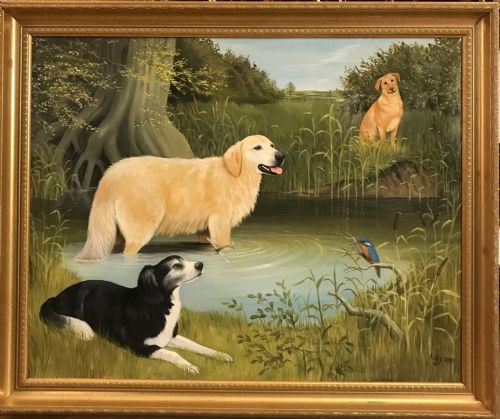
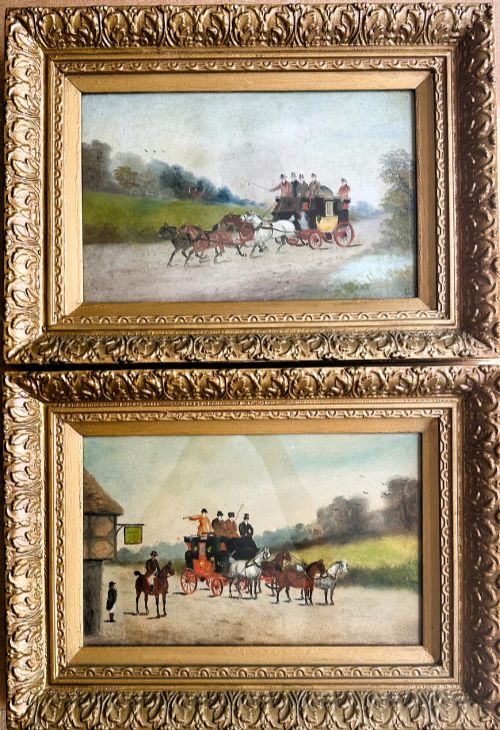
A sporting landscape oil painting captures the energy of nineteenth-century field sports, coaching scenes and prized animal portraits across open countryside.
Sporting Landscape Oil Painting
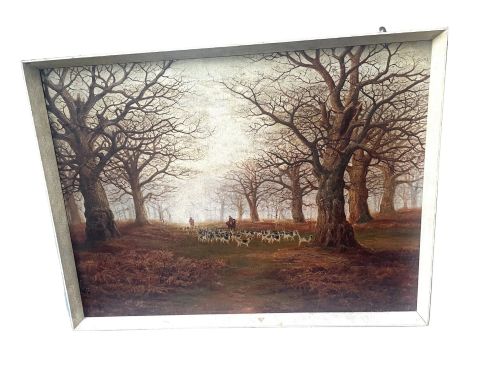
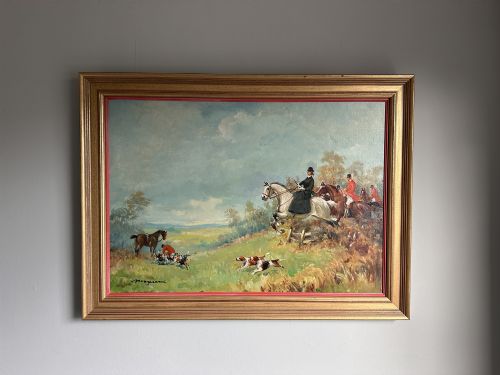
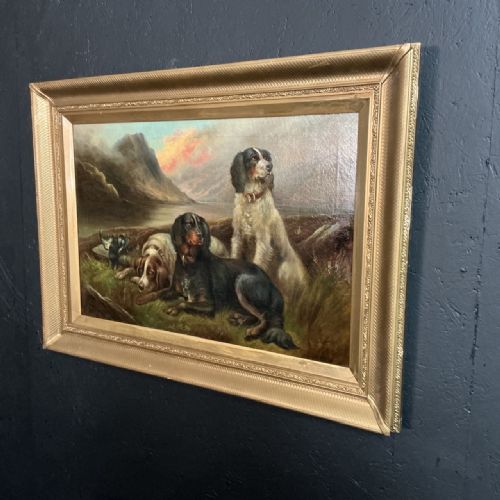
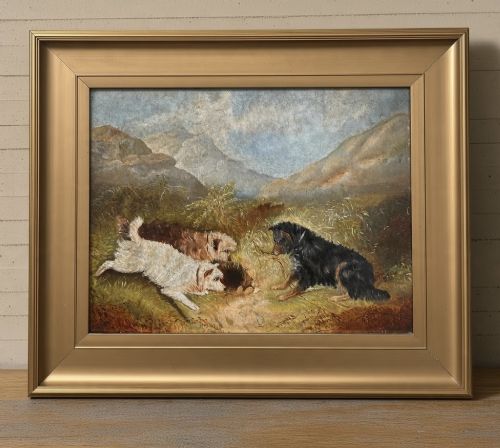
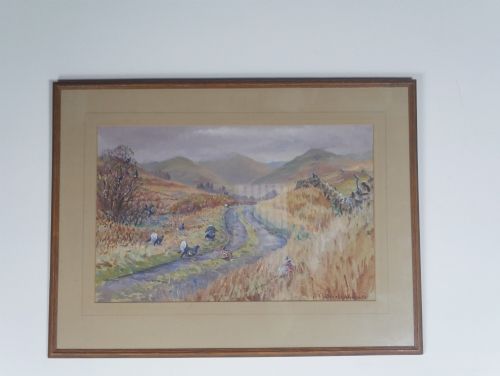
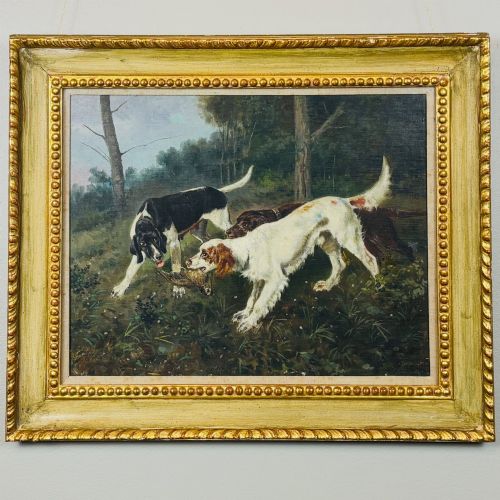
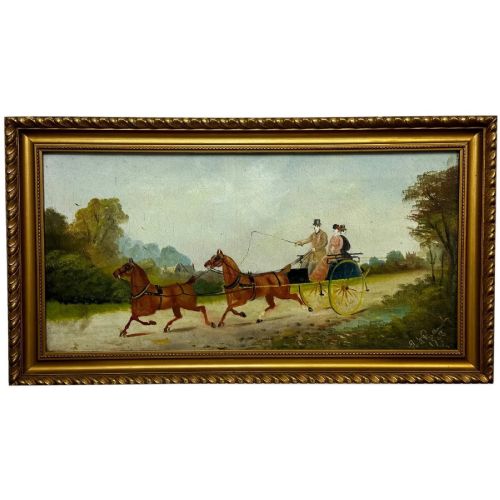
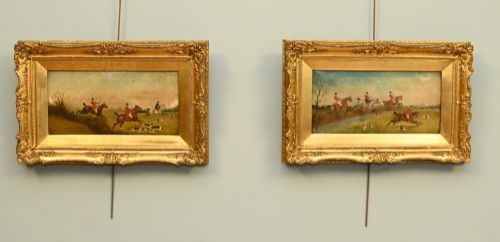
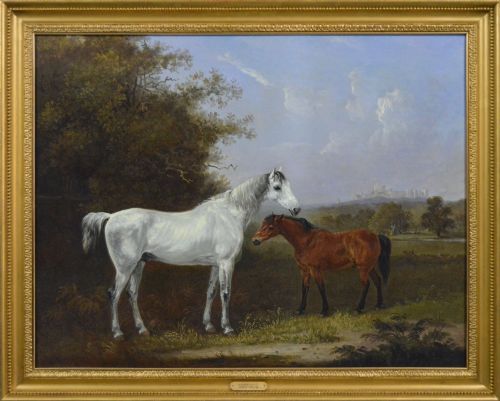
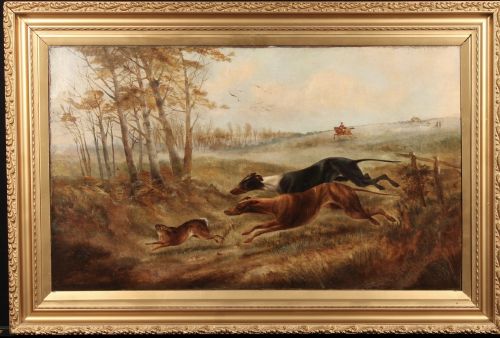
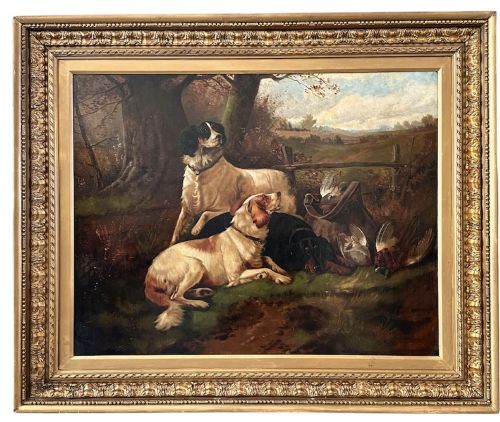
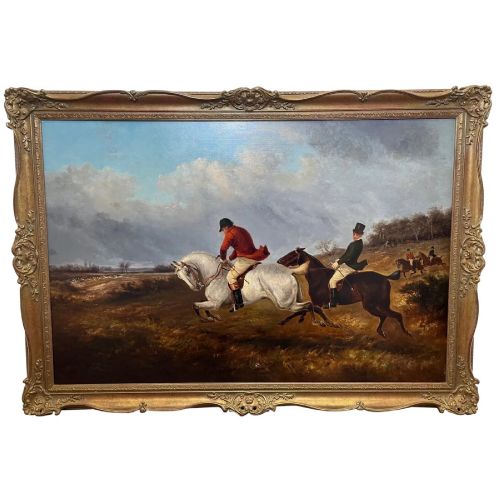
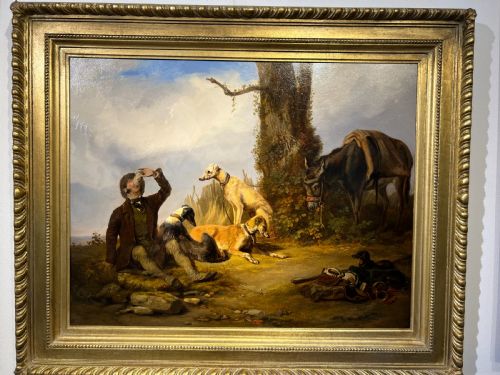
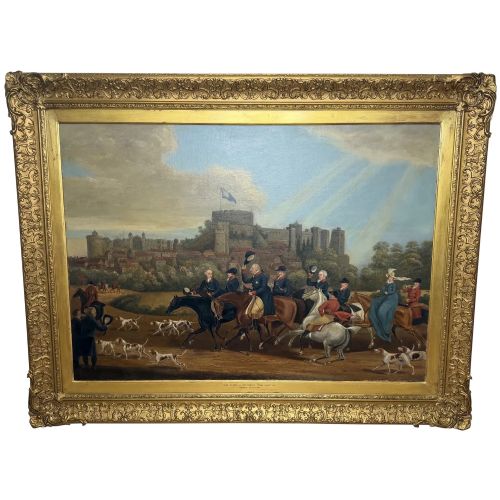
A sporting landscape oil painting depicts horses, hounds, gundogs and country pursuits set within expansive rural vistas, capturing the traditions of the British countryside. The pieces available here draw heavily from the Victorian and Edwardian eras, spanning styles from British sporting art to nineteenth-century school portraiture.
Buyers will encounter diverse formats ranging from intimate portrayals of individual gun dogs to large-scale canvasses recording fox hunts, coaching journeys and steeplechase events. These works bridge animal portraiture and topography, placing prized hunters and working dogs firmly within identifiable rural settings.
The prevalent period examples showcase works by noted equine and canine specialists alongside regional British painters who documented rural life and field sports. Canvasses frequently feature named hounds, favourite mounts and specific historical hunts set against rolling hills or winter snowscapes.
How they were made
Artists painted primarily with oil paint on stretched canvas, utilising layered brushwork to render the glossy coats of horses and the textured fur of sporting dogs. Pigments were built up to create depth in the landscape backgrounds, from moody skies to verdant pastures.
Frames play an integral role in the presentation of these works, with original giltwood, gilded wood and gold leaf frames providing the traditional ornamentation favoured by nineteenth-century patrons. Wood substructures support the heavy gesso and carved mouldings that define the period framing technique.
Sporting Landscape Oil Painting Retail Price Guide 2026
Typical asking prices for sporting landscape oil painting among the pieces listed under this phrase on Sellingantiques today, from the lower quarter to the upper quarter. They describe what is for sale here now, not the wider market.
Even mid-winter snowstorms fail to halt the hunt, as artists delighted in painting hounds tracking through deep powder.
What varies in quality
Quality rests upon the artist's anatomical precision in rendering equine muscle structure and canine posture, distinguishing skilled specialists from competent jobbing painters. Superior works capture individual animal character and tension within the landscape rather than relying on stiff, generic templates.
The treatment of the surrounding landscape and atmospheric conditions separates exceptional canvasses from standard topographical records. Finer paintings integrate the figures seamlessly into the weather, light and topography of the rural scene.
Thomas Smythe·John Sargent Noble·Sir Edwin Henry Landseer·George Wright·Edward Priestley·C R Breytle·Philip Rideout·John Emms·John Ferneley Senior·John Frederick Herring Senior·C W Tuck·John Sanderson Wells·William Barraud·Philip Henry Rideout·George Armfield·Fannie Moody·Colin Graeme Roe·Clifton Tomson·Robert Cleminson·John Frederick Herring Jnr·Paul Jones·Samuel Henry Alken·John Charles Tunnard·Alfred Duke·Michael Lyne
The Sporting Landscape Oil Painting Glossary
- Giltwood
- Wood carved and coated with gold leaf or metallic paint. This traditional framing material provides the ornate border standard for period sporting art.
- Canvas
- Woven fabric stretched across a wooden frame to form the painting support. Artists applied oil paints directly to this prepared textile surface.
- Equestrian
- Pertaining to horses and horseback riding. These subjects form a primary category within nineteenth-century sporting art.
- Provenance
- The documented history of ownership for an artwork. Establishing provenance helps verify the authenticity and historical context of period pieces.
Sporting Landscape Oil Painting: Frequently Asked Questions
What subjects appear in sporting landscape oil paintings?
These works feature fox hunting scenes, coaching carriages navigating rural roads, and detailed portraits of horses and gundogs. The animals are set within open countryside, woodland, or moorland vistas.
Compositions often record specific historical hunts, prized family pets, or working animals accompanied by handlers and country folk.
Which periods do these paintings come from?
The selection is dominated by nineteenth-century Victorian pieces, alongside Edwardian works from the early twentieth century. Earlier Regency examples and later mid-century creations also feature.
Artists working across these periods documented the changing fashions of rural sport and the evolution of British sporting art.
How should I hang a large sporting painting?
Heavy period canvasses require secure fixings into structural wall studs or masonry using appropriate picture hooks rated for substantial weight. Ensure the piece hangs away from direct heat sources to protect the oil paint and canvas.
Position the centre of the canvas at eye level to best appreciate the detail in the landscape and animal subjects.
How do I identify the artist?
Look for signatures, monograms, or dates usually applied in the lower corners of the canvas by the painter. Inscriptions on the reverse of the stretcher or framing elements often record titles and previous ownership.
Matching the painting style to known nineteenth-century animaliers and landscape specialists aids attribution when signatures are absent.