



Spode Ceramic Plate
A spode ceramic plate brings centuries of Staffordshire history to the table, offering durable earthenware and porcelain crafted with enduring blue and white transfer designs.
Spode Ceramic Plate
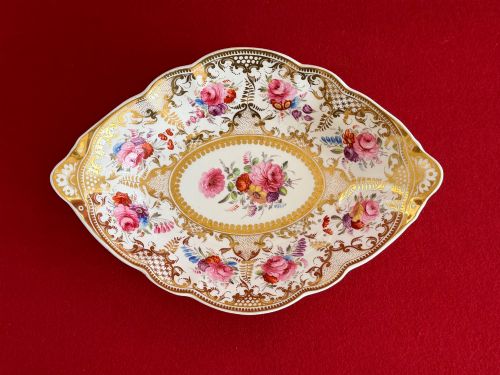
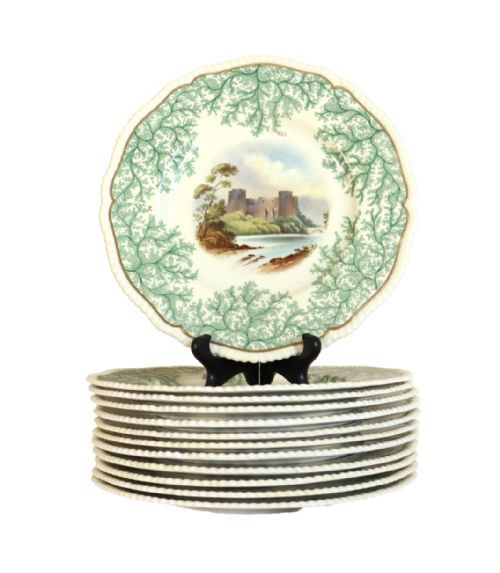
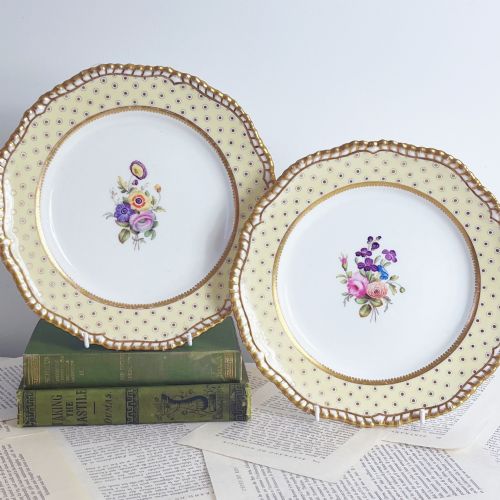
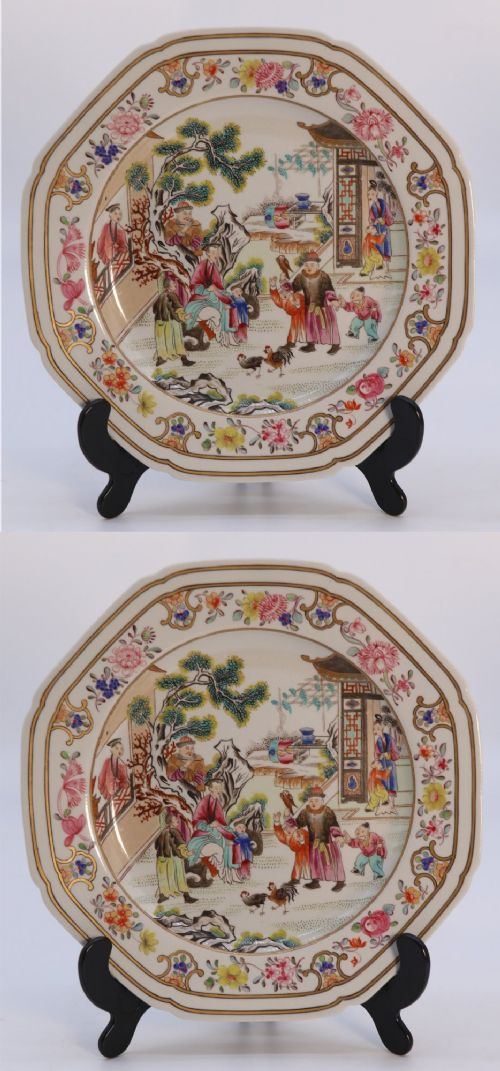
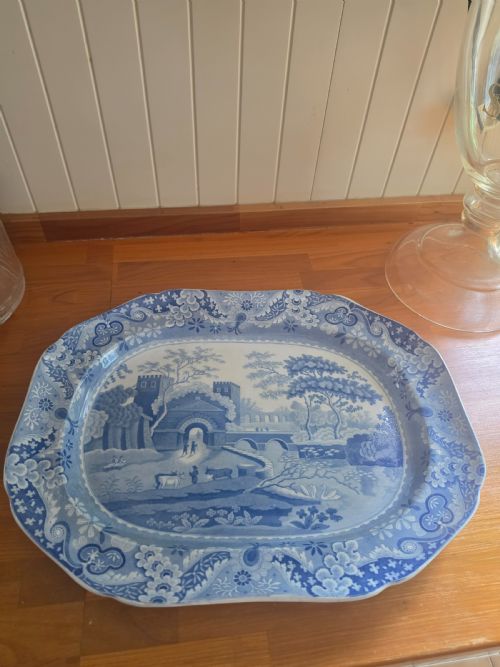
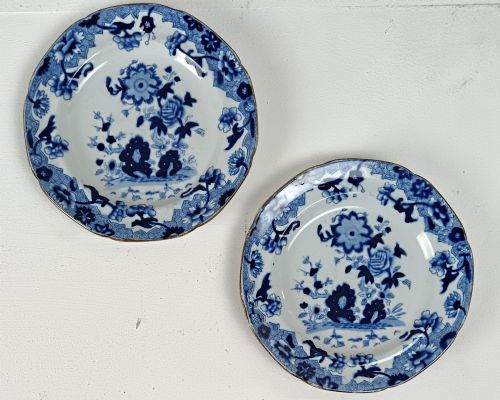
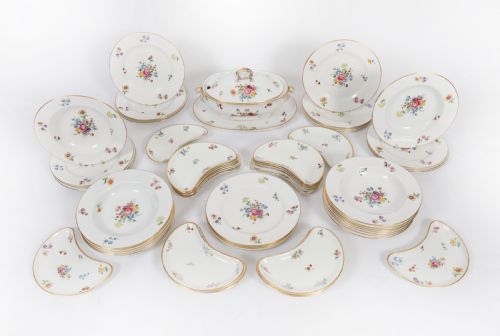
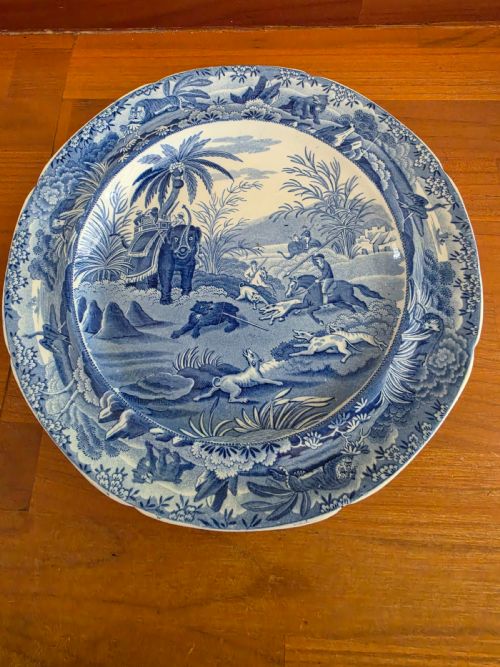
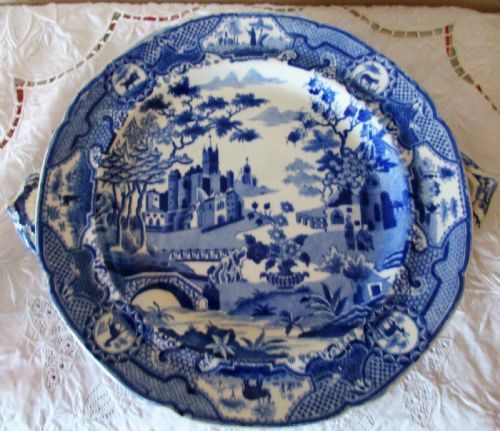
A spode ceramic plate encompasses a wide variety of forms found on this page, ranging from everyday dinner plates and tea plates to grand cabinet plates and serving platters. Buyers search for these pieces to acquire historical examples of English tableware, which span from Georgian and Regency eras through the Victorian and Edwardian periods.
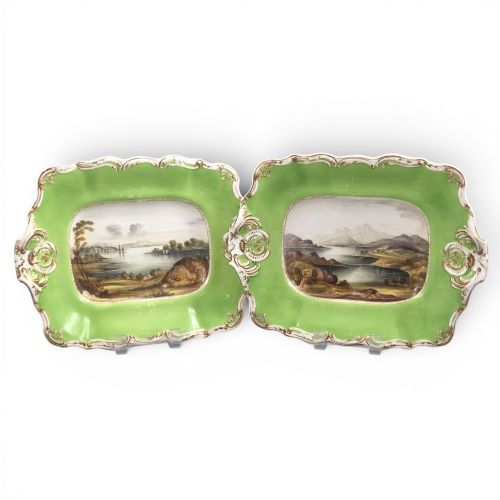
The most common iterations encountered here include blue and white transfer printed earthenware featuring scenic views like the Italian pattern, alongside decorative porcelain dessert services. These plates reflect changing domestic dining habits across the nineteenth century, moving from utilitarian serving vessels to elaborate decorative items displayed in cabinets.
Materials and Manufacturing Techniques
Potters utilised refined earthenware, stone china, felspar porcelain, and pearlware as the ceramic base for these plates. These varied bodies provided different levels of durability and translucency, suiting everything from robust meat plates to delicate cabinet pieces.
Decoration relied heavily on underglaze blue and white transfer printing, supplemented by hand painted enamels and gilt or gold leaf accents. Glazed ceramic surfaces were then fired to fix the pigments and protect the detailed pictorial subjects.
Spode Ceramic Plate Retail Price Guide 2026
Typical asking prices for spode ceramic plate among the pieces listed under this phrase on Sellingantiques today, from the lower quarter to the upper quarter. They describe what is for sale here now, not the wider market.
Listings feature pieces spanning the Georgian, Regency, Victorian, and Edwardian periods, utilising earthenware, pearlware, and porcelain.
Assessing Quality and Execution
Quality in these plates rests upon the crispness of the transfer print and the precision of any additional hand painted details or gilding. Finer pieces display sharp lines in complex pictorial scenes without blurring or smudging in the glaze.
The choice of ceramic body also dictates the tier of the piece, with dense stone china and fine felspar porcelain representing higher manufacturing ambition than standard earthenware. Additionally, provenance and completeness within a service elevate certain plates above standard single examples.
Spode·Copeland and Garrett·Copeland Spode
The Spode Ceramic Plate Glossary
- Stone China
- A durable ceramic body developed to resist chipping while offering a fine surface for transfer printing. It bridges the gap between earthenware and true porcelain.
- Transfer Printed
- A method where an engraved copper plate transfers a design onto tissue paper, which is then applied to the ceramic biscuit before glazing. This technique allowed for intricate, repeatable pictorial scenes.
- Felspar Porcelain
- A refined porcelain body incorporating feldspar into the paste, developed during the early nineteenth century for improved whiteness and strength. It forms the base for many high quality dessert services.
- Pearlware
- An earthenware body featuring a subtle bluish glaze that pooled in crevices, creating a whiter appearance intended to rival Chinese export porcelain. It was widely utilised during the Georgian period.
- Cabinet Plate
- A decorative plate intended primarily for display in a cabinet rather than for dining use. These often feature elaborate hand painted scenes and gilt borders.
Spode Ceramic Plate: Frequently Asked Questions
How do I date a spode ceramic plate?
Dating relies on identifying backstamps, ceramic bodies such as pearlware or stone china, and stylistic markers associated with specific manufacturing periods.
Changes in factory partnerships and printed pattern numbers also help narrow down the decade of production.
Can I use antique plates for dining?
Many robust earthenware and stone china pieces were made for everyday table use and remain structurally sound for modern dining.
Delicate porcelain cabinet plates with heavy gilding are better suited for display to prevent wear on the historic enamels.
What is transfer printing?
Transfer printing is a mechanical decoration technique where a copperplate engraving is impressed onto paper and transferred onto the unglazed ceramic body.
This innovation allowed factories to produce highly detailed pictorial patterns efficiently across large dinner services.
Why are some plates marked stone china?
Stone china refers to a proprietary ceramic formula designed to combine the durability of ironstone with the refined appearance of porcelain.
This heavy body was particularly favoured for large serving platters and plates intended to withstand heavier household use.