



Splayed Foot Chest
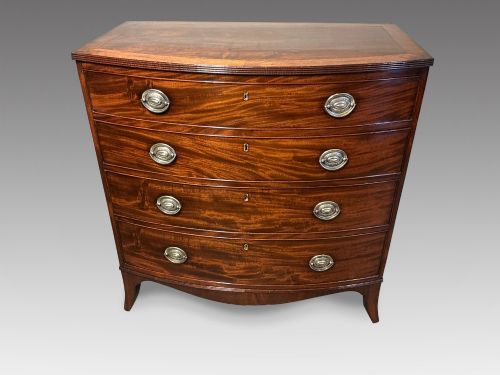
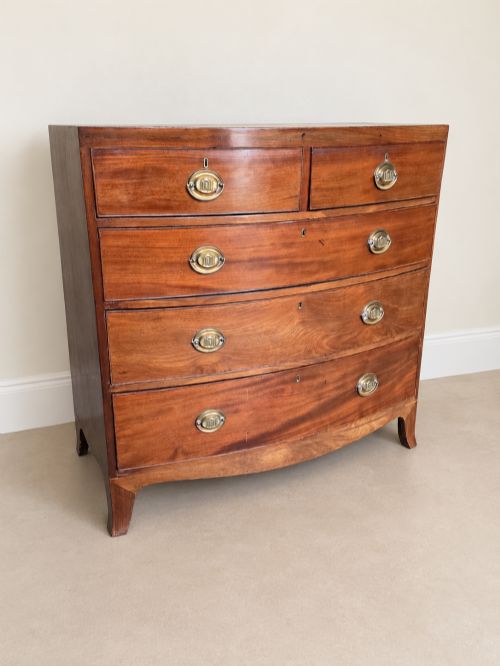
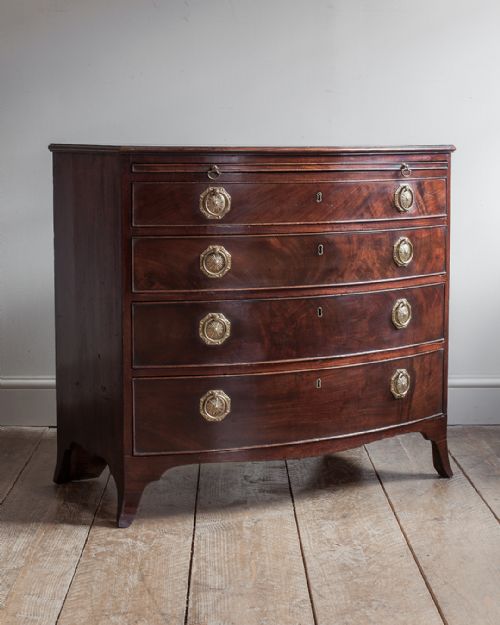
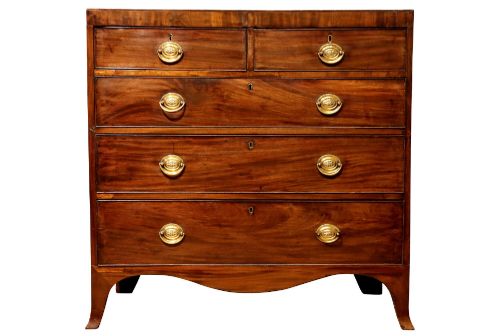
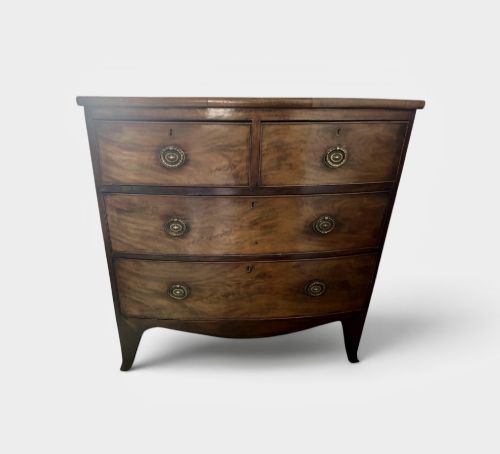
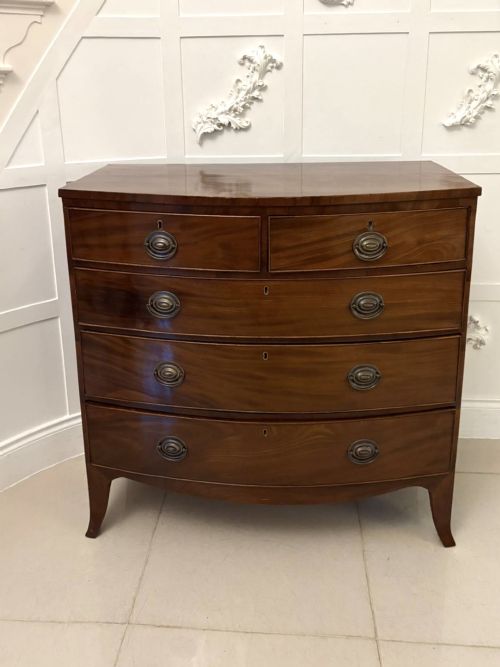
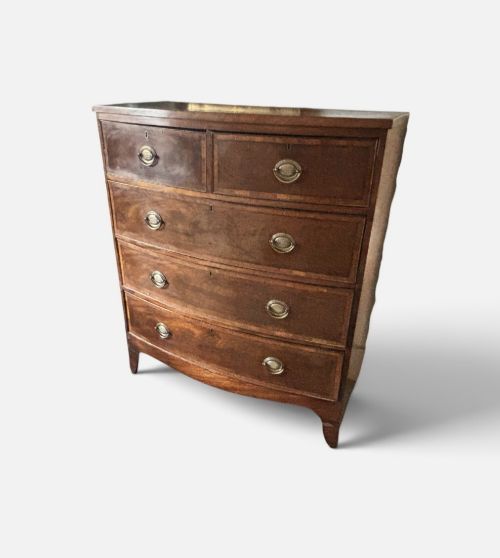
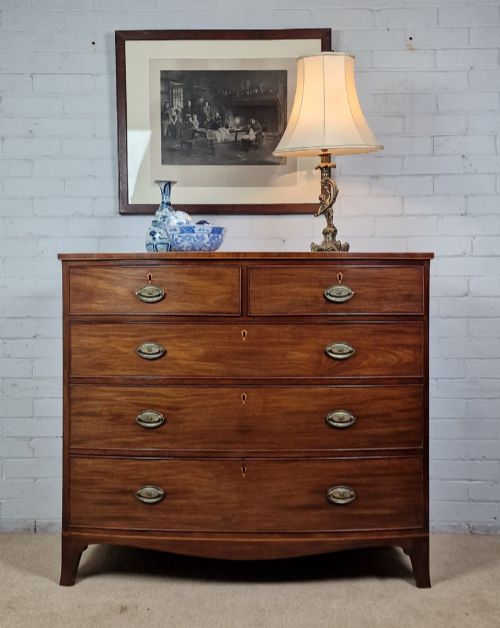
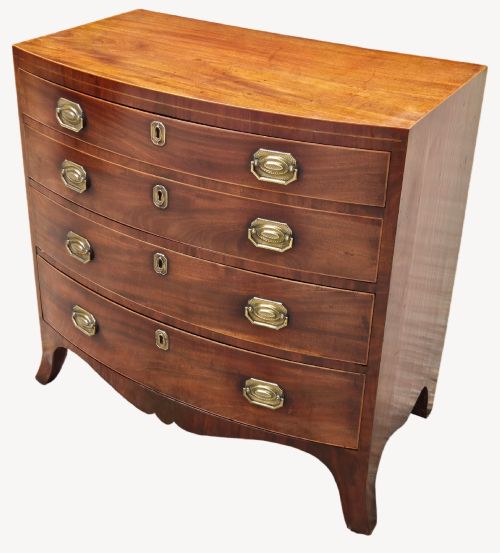
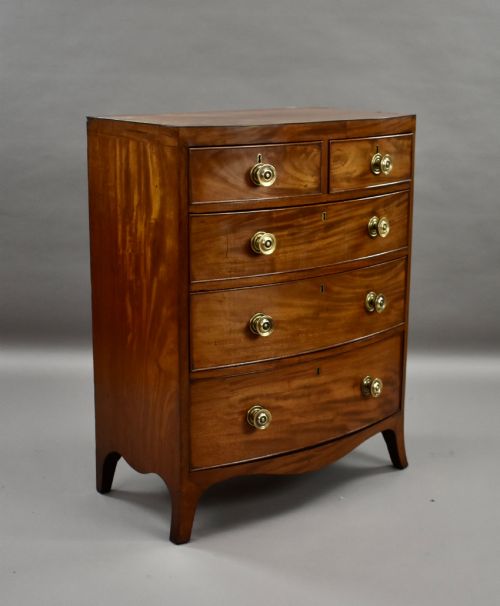
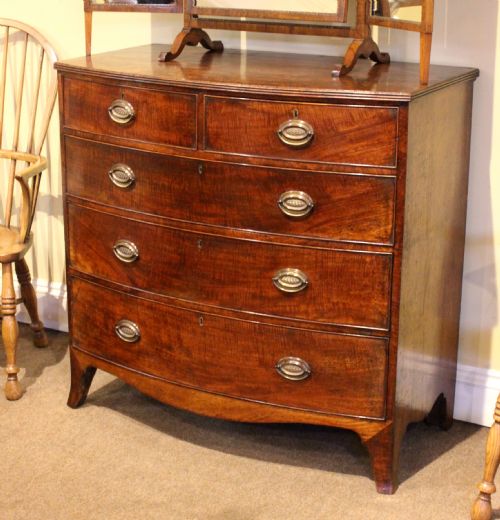
A splayed foot chest offers characteristic outward-angled supports beneath generous drawer storage, appearing primarily in Georgian and Regency mahogany forms.
Splayed Foot Chest
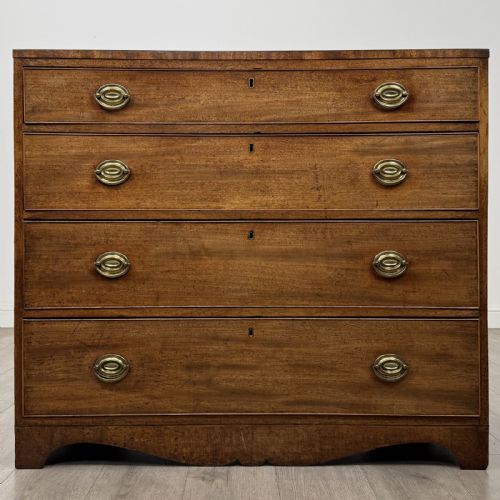
When you search for a splayed foot chest, you encounter case furniture designed with distinct, outward-slanting supports beneath the main body. The pieces appearing here predominantly take the form of chests of drawers and tallboys dating from the Georgian, Regency, and early nineteenth-century periods.
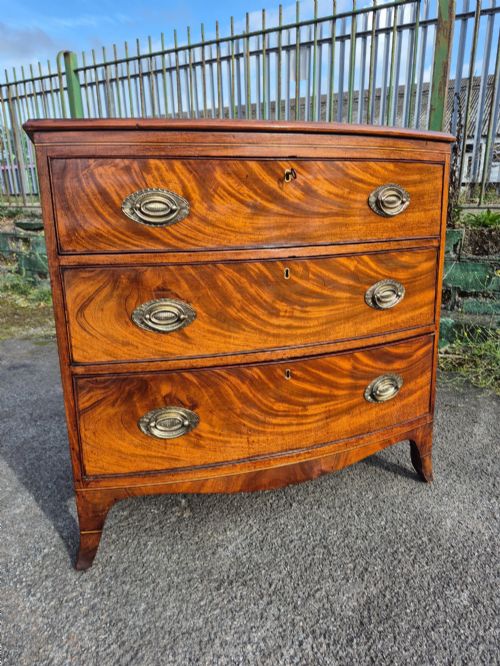
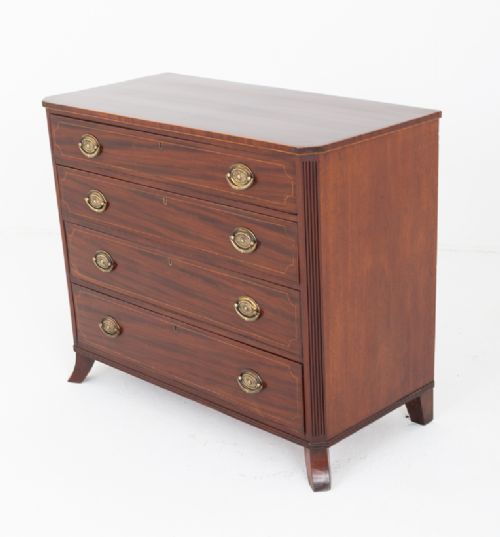
The version you are most likely to meet on this page is constructed from mahogany, often featuring bow fronts or satinwood crossbanding. These examples showcase the practical domestic storage requirements of their eras alongside refined cabinetmaking traditions.
How they were made
Cabinetmakers constructed these pieces primarily using solid mahogany and flame mahogany veneers applied to secondary woods such as oak. Workshops utilised dovetail joinery for the drawer construction and integrated delicate stringing and boxwood inlay to delineate the drawer edges and top surfaces.
The distinctive feet were shaped directly from the lower rail or attached with internal blocks to ensure stability while maintaining the outward slant. Brass hardware, including drop handles and escutcheons, was fitted to secure the drawer fronts.
Splayed Foot Chest Retail Price Guide 2026
Typical asking prices for splayed foot chest among the pieces listed under this phrase on Sellingantiques today, from the lower quarter to the upper quarter. They describe what is for sale here now, not the wider market.
Cabinetmakers occasionally concealed secret compartments behind top drawers, offering discreet storage for household currency and private correspondence.
What varies in quality
The distinction between standard examples and finer pieces lies in the selection of timber figures, such as the rich grain patterns found in flame mahogany. Superior items display meticulous attention to inlay work, such as precise boxwood and satinwood crossbanding that follows the curves of a bow front.
Construction details also dictate standard, where tightly fitted dovetails and well-preserved structural timbers separate workshop output. The integrity of the splayed feet and the crispness of the hand-carved or shaped profiles indicate the level of care invested by the original maker.
The Splayed Foot Chest Glossary
- Splayed foot
- A support that angles outward from the vertical base of the chest. This design provides visual lightness and stability to case furniture.
- Bow front
- A convex curved front facade popular in Georgian and Regency cabinetmaking. It softens the linear appearance of standard rectangular chests.
- Crossbanding
- A decorative border of veneer laid with the grain running perpendicular to the central panel. This technique frames the top surface or drawer fronts.
- Stringing
- Thin inlaid lines of contrasting timber used to outline panels and drawers. It adds linear definition to mahogany surfaces.
- Tallboy
- A chest of drawers built in two sections, placing a smaller chest atop a taller base. These pieces maximise vertical storage space in domestic interiors.
Splayed Foot Chest: Frequently Asked Questions
Where were these chests placed in the home?
These chests served primarily as bedroom furniture for storing garments and linens. Their generous drawer capacity made them essential domestic items in Georgian and Regency households.
Smaller bow-fronted variants also appeared in dressing rooms and hallways where floor space was restricted. Their finished facades allowed them to sit prominently against main walls.
How do I identify a Georgian piece?
Georgian pieces typically display solid timber construction with hand-cut dovetails and understated proportions. The use of dense mahogany and subtle brass hardware characterises this era.
Later Regency examples often incorporate decorative veneers like flame mahogany and contrasting satinwood inlay. Examining the interior drawer linings reveals the transition in workshop methods over time.
What maintenance do mahogany surfaces need?
Mahogany requires minimal intervention beyond regular dusting with a dry, soft cloth. Avoiding direct sunlight prevents the rich reddish-brown tones from fading.
Occasional application of traditional beeswax nourishes the timber and maintains the natural sheen of the polish. Avoid modern silicone sprays which can damage historical finishes.
How do bow fronts differ from flat fronts?
Bow fronts feature a rounded, convex profile that projects outward into the room. This shape required advanced joinery skills to bend veneers and shape solid drawer fronts.
Flat-fronted chests maintain straight rectangular lines across the entire facade. Both styles occurred concurrently during the eighteenth and nineteenth centuries.