





Spiral Twist Oak Table
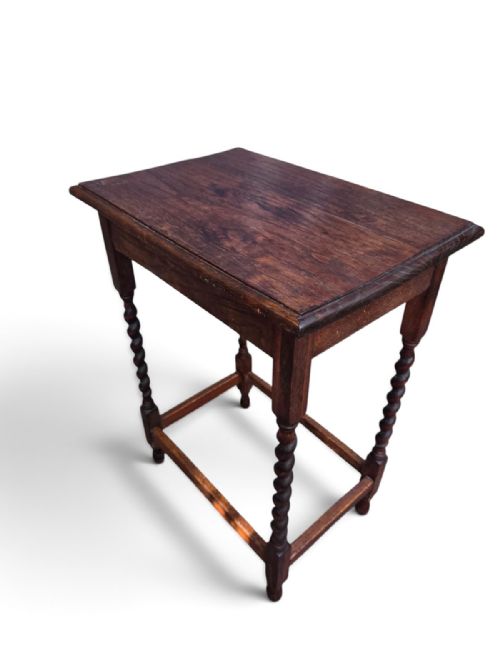
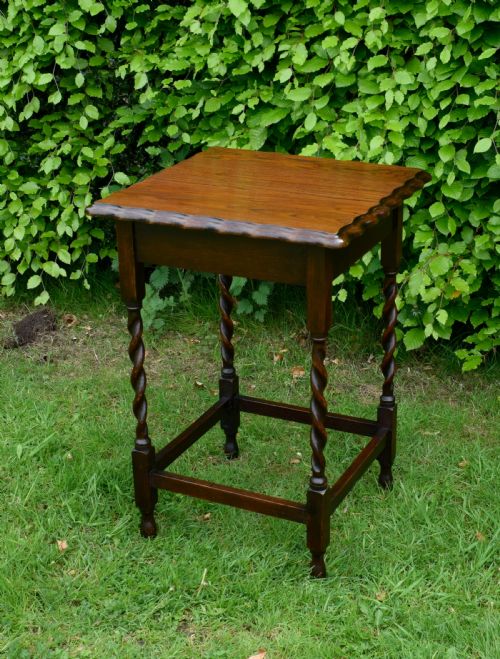
These spiral twist oak tables bring centuries of turned timber and rich grain directly into your home, offering sturdy surfaces built to last.
Spiral Twist Oak Table
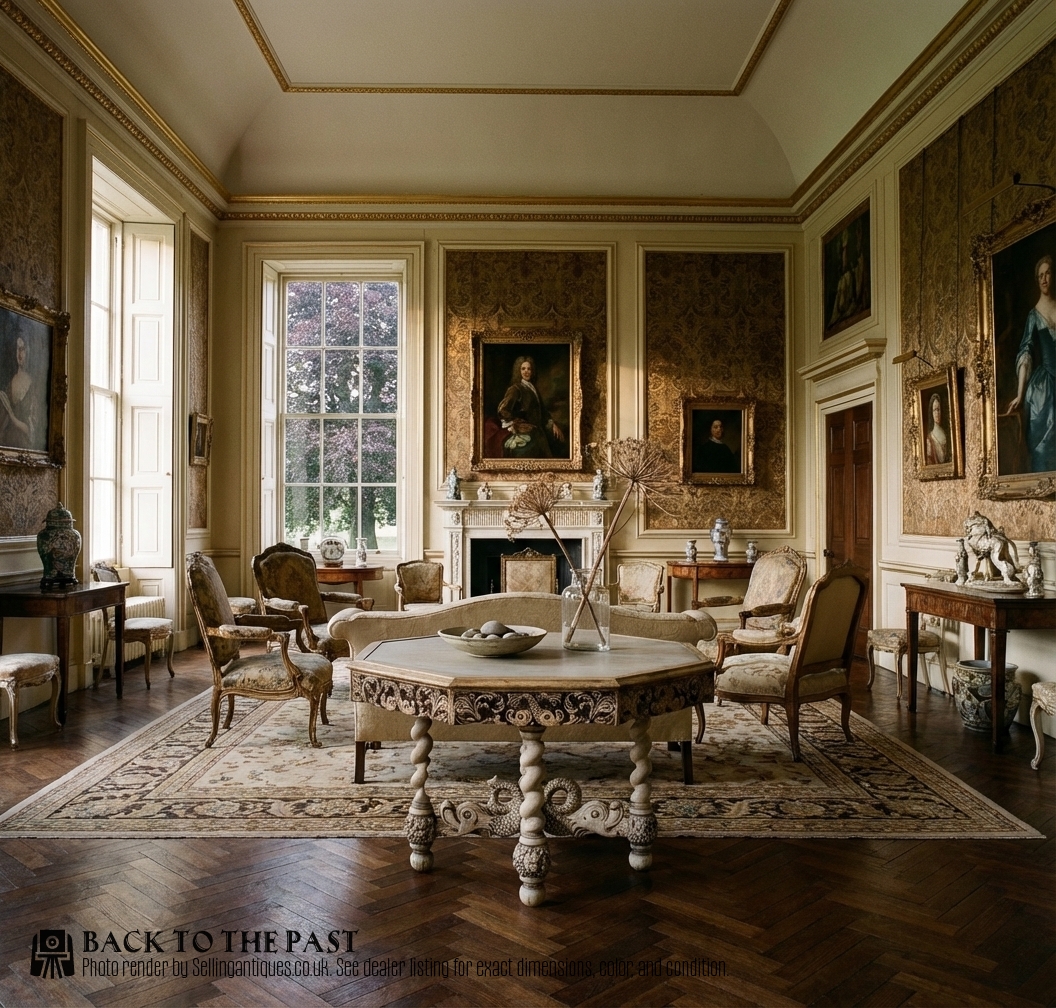
A spiral twist oak table brings substantial timber and intricate turned supports into domestic spaces, drawing on centuries of craftsmanship. These pieces appear across multiple eras, ranging from late seventeenth-century parquetry designs to nineteenth-century revival styles and early twentieth-century examples.
Buyers most frequently encounter side tables and dining tables featuring distinctive barley twist legs, alongside occasional library tables and nests of tables. The selection spans several distinct periods, including the Victorian and Edwardian eras, as well as earlier seventeenth and eighteenth-century origins.
How they were made
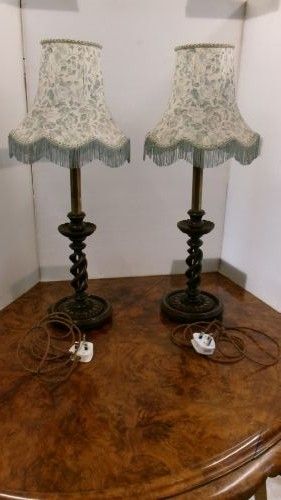
Craftsmen utilised solid oak to build the primary structures and tabletops, often employing drop-leaf mechanisms and parquetry techniques. Secondary materials such as brass, iron, leather, and fabric appear on fittings, writing surfaces, and associated shades.
Woodturners shaped the characteristic spiral and barley twist legs using lathe techniques that demanded precise hand control. Bleached oak finishes and carved details further demonstrate the varied surface treatments applied across different periods.
Even a modest side table comes equipped with twist legs that seem to catch the light differently every time you walk past.
What varies in quality
The standard of a spiral twist oak table depends largely on the crispness of the turned legs and the integrity of the timber joints. Pieces from seventeenth and eighteenth-century periods often display hand-cut joinery and denser grain structures compared to later revival versions.
Surface finish and the preservation of original patination dictate the visual distinction between average examples and finer pieces. The integration of parquetry work or careful carving elevates certain items above standard utilitarian tables.
The Spiral Twist Oak Table Glossary
- Barley twist
- A cylindrical column carved or turned into a helical screw shape resembling a stalk of barley. This decorative form defines the legs of many traditional tables.
- Parquetry
- Geometric wood mosaic work used for decorative tabletops and floors. Artisans fit small blocks of timber together to create intricate patterns.
- Gateleg table
- A drop-leaf table with hinged legs that swing outward to support the folded leaves when opened. This clever design saves space when not in use.
- Bleached oak
- Timber treated with chemical solutions to lighten its natural colour. This finish creates a softer, paler appearance on older wood.
Spiral Twist Oak Table: Frequently Asked Questions
What periods do these tables come from?
The inventory spans several eras, starting from the late seventeenth century and running through the eighteenth and nineteenth centuries. You will also find pieces from the Edwardian period and the early twentieth century.
Revival styles from the Victorian era frequently emulate older seventeenth-century craftsmanship. Each period brings distinct construction methods and proportions to the turned timber.
How do I use a side table at home?
Side tables fit easily beside armchairs or sofas to hold lamps, books, or drinks. Their compact proportions make them versatile additions to hallways and living rooms.
Larger variations like centre tables and library tables anchor open spaces or provide functional work surfaces. The sturdy oak construction ensures they handle daily domestic use.
How do I distinguish revival pieces from older ones?
Revival items often date from the Victorian or Edwardian periods while copying earlier seventeenth-century styles like Jacobean turning. Examining the tool marks, timber shrinkage, and joinery helps determine the true age.
Older pieces display hand-carved inconsistencies and natural patina built up over centuries of use. Comparing the finish against known period characteristics clarifies the timeline.