




Spiral Twist Glass
Spiral twist glass pieces are elegant drinking vessels and decorative objects valued for their intricate optical stems and historic British craftsmanship.
Spiral Twist Glass
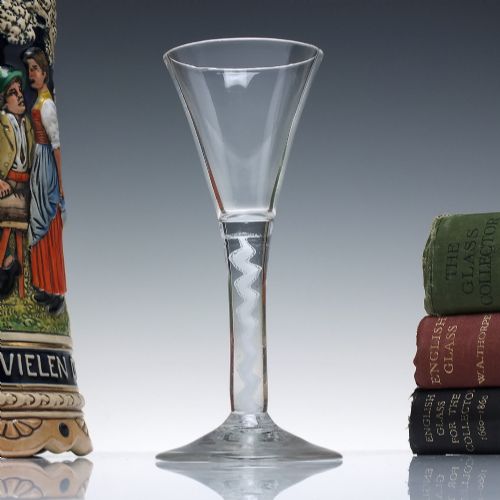
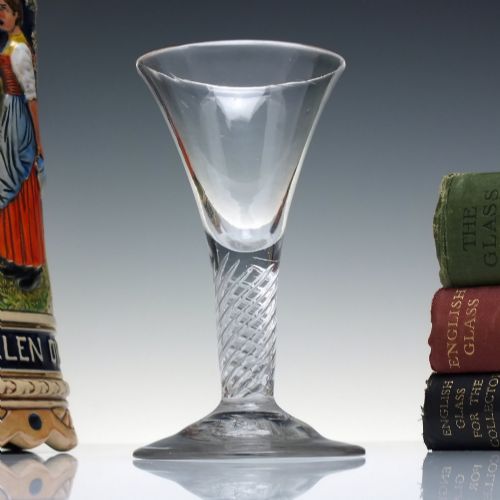
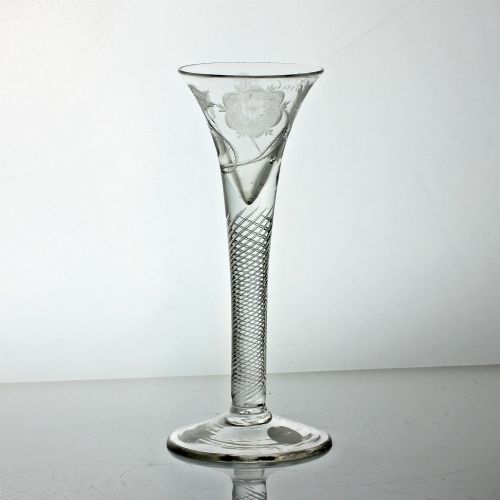
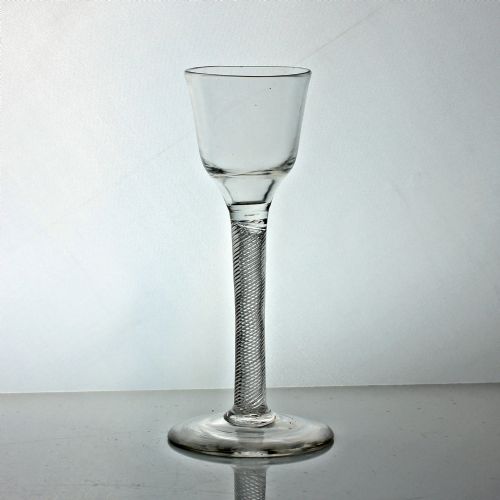
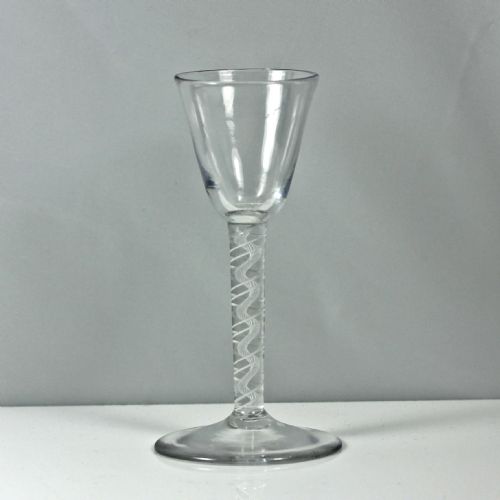
Spiral twist glass encompasses historic drinking vessels and decorative items defined by internal glass threads forming corkscrew patterns. Buyers searching for spiral twist glass frequently encounter eighteenth century Georgian wine glasses featuring delicate stems formed through air or enamel manipulation.
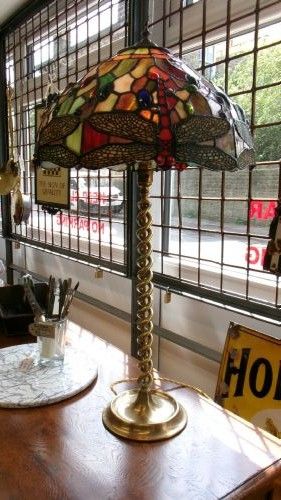
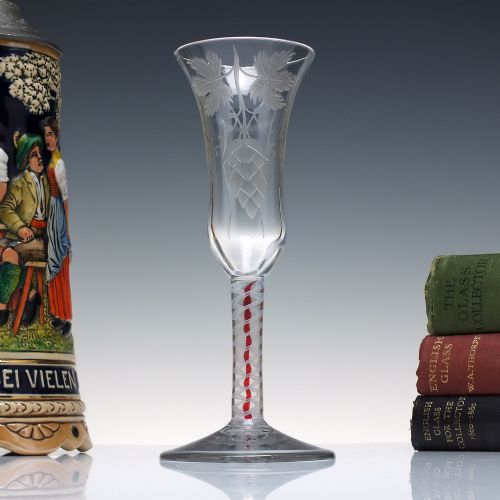
The selection extends beyond drinking glasses to include Victorian blue glass vases and later twentieth century crystal candlesticks incorporating twisted elements. Forms range from ogee and rounded funnel bowls on tall stems to coloured ale glasses and table lamps.
Originating largely from English glasshouses, these pieces reflect distinct stylistic shifts from Georgian lead glass manufacturing through to later revival periods. Each iteration demonstrates the enduring appeal of optical twists within domestic tableware and decorative accessories.
Materials and construction
Makers utilised lead glass and clear crystal to achieve the high refractive index necessary for crisp optical stems. White enamel threads were frequently introduced into the core to create opaque twists running through the centre of the stem.
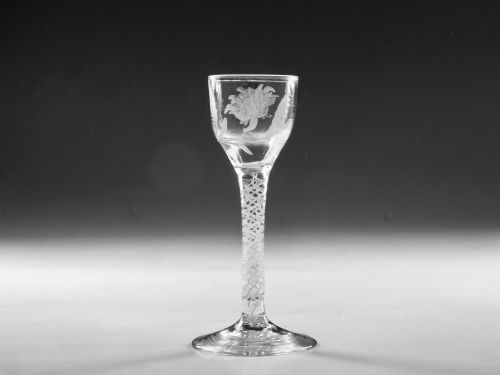
Moulding and drawing techniques allowed artisans to shape the molten metal while simultaneously twisting the internal threads into regular spirals. Surface engraving was often applied after cooling, utilising wheel-cutting tools to ornament the bowls of drinking vessels.
Spiral Twist Glass Retail Price Guide 2026
Typical asking prices for spiral twist glass among the pieces listed under this phrase on Sellingantiques today, from the lower quarter to the upper quarter. They describe what is for sale here now, not the wider market.
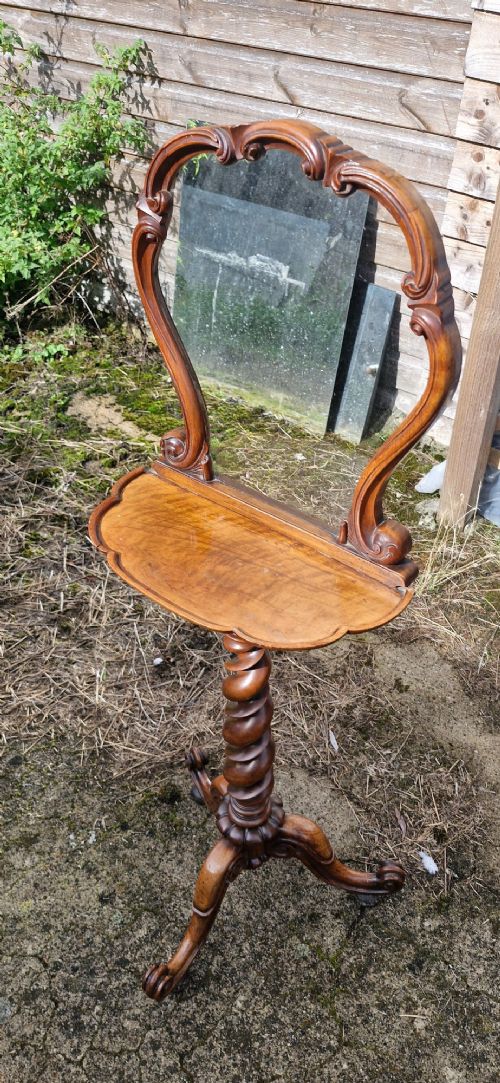
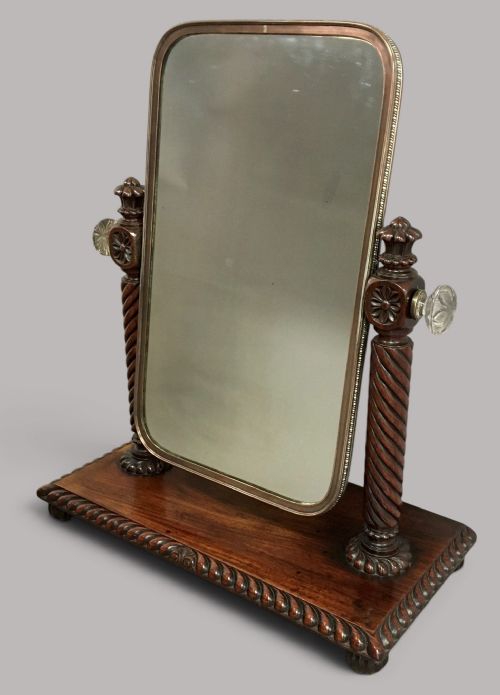
Some nineteenth century tables thoughtfully included built-in glass stands to keep your spirits close.
Judging the work
Quality rests upon the regularity and tightness of the internal spiral threads within the stem, distinguishing disciplined craftsmanship from erratic execution. Clarity of the metal itself, free from excessive bubbles or cloudiness, dictates the visual impact of the piece.
The delicacy of the bowl shape in relation to the stem proportion defines the overall harmony of drinking glasses and vases. Engraved detail, where present, exhibits varying depths of line and precision that separate standard production from superior output.
The Spiral Twist Glass Glossary
- Air twist
- A stem formation created by drawing out air bubbles trapped within the molten metal into fine spiral channels.
- Opaque twist
- A stem style incorporating white enamel rods twisted within clear glass to form prominent white threads.
- Ogee bowl
- A bell-shaped drinking vessel bowl with a curved profile that tapers outward at the rim.
- Jacobite glass
- An eighteenth century drinking vessel engraved with political symbols associated with the exiled Stuart cause.
- Lead glass
- A heavy glass composition containing lead oxide that increases brilliance, weight, and workability.
Spiral Twist Glass: Frequently Asked Questions
What is an air twist glass?
An air twist glass is a drinking vessel featuring a stem filled with elongated internal air bubbles drawn into a spiral pattern. These stems catch the light and were widely produced during the eighteenth century.
They rely entirely on manipulation of the molten metal during formation rather than added coloured materials. The resulting spirals run continuously from the foot to the underside of the bowl.
How do I date a spiral twist glass?
Dating relies on examining the bowl form, foot construction, and the specific type of twist contained within the stem. Eighteenth century examples typically feature folded or domed feet alongside pontil marks on the base.
Later Victorian and twentieth century interpretations often incorporate heavier bases and different glass compositions. Comparing the optical qualities of the metal helps establish the period of manufacture.
Were these glasses used daily?
Georgian drinking glasses with delicate stems were utilised during formal dining and social gatherings for wine and ale consumption. Their fragile nature meant they required careful handling during use.
Over time, many surviving examples transitioned from active service into cabinet displays. Modern collectors continue to appreciate them as tangible links to historical dining traditions.
What is an opaque twist?
An opaque twist utilises white enamel glass rods melted into the core of the stem to create dense white spiral threads. These contrast sharply with the surrounding clear lead glass.
Variations include double series twists where multiple enamel strands intertwine with air threads. This technique produced highly decorative patterns visible from every angle.