






Specimen Display Cabinet
A specimen display cabinet is a focused repository for natural history and curated objects, sought after for displaying preserved flora, fauna, and geological finds.
Specimen Display Cabinet
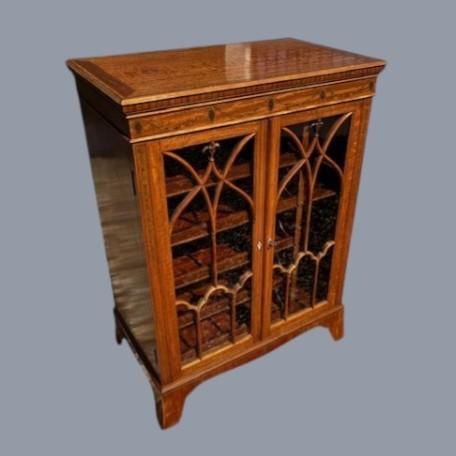
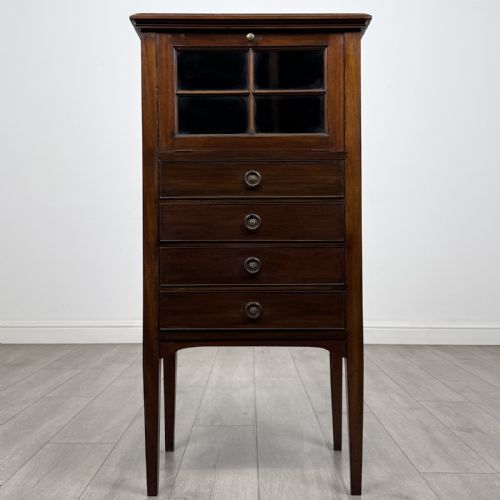
A specimen display cabinet serves to organise and exhibit items gathered from the natural world, keeping delicate objects protected yet visible. These pieces range from small table top cases to tall multi-drawer chests built for serious study or home display.
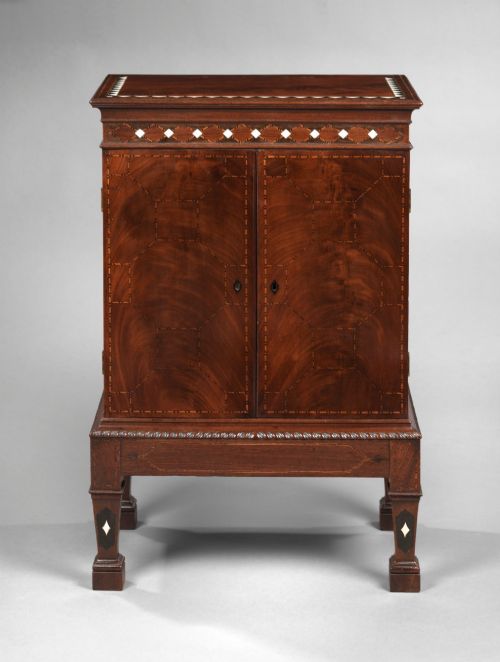
Victorian and Edwardian examples predominate, drawing on a period of intense enthusiasm for natural history, taxidermy, and geology. Woods such as mahogany, walnut, and satinwood provide the structural housing for glass domes, glazed doors, and velvet-lined drawers.
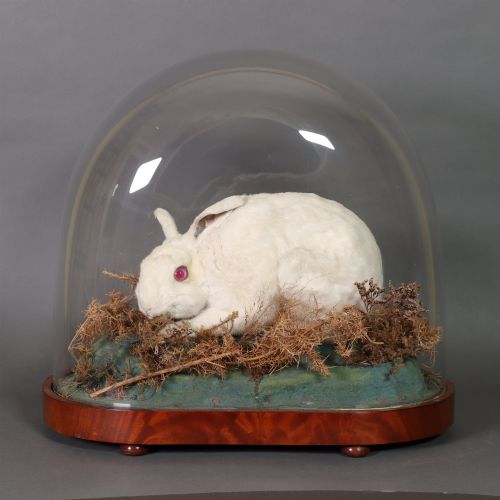
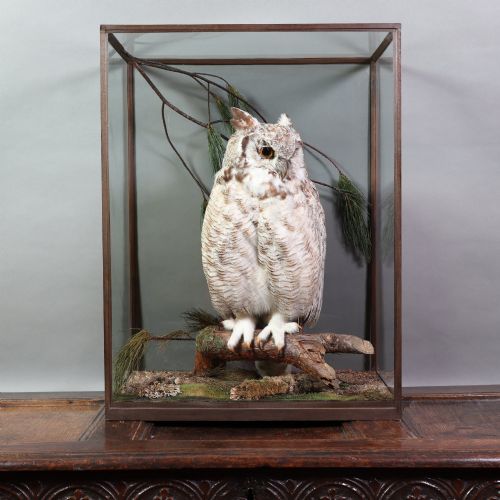
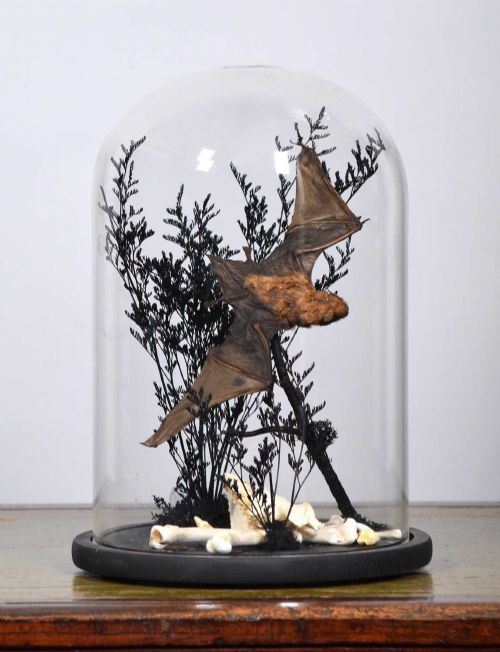
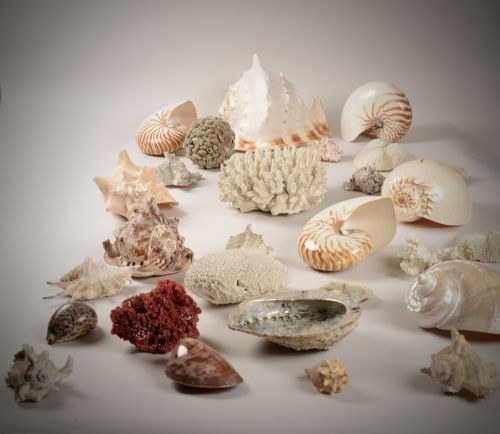
Many of these cabinets and cases originate from workshop traditions linked to taxidermists and naturalists, housing birds, shells, fossils, and minerals. Their design prioritises clear sightlines and secure closure to preserve fragile organic materials.
How they were made
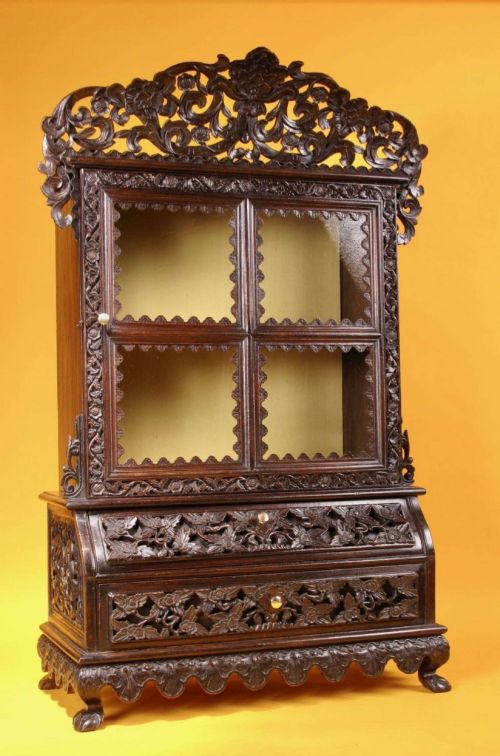
Makers constructed these cabinets using dense hardwoods like mahogany and walnut, frequently incorporating ebonised wood and brass hardware to secure opening panels and drawers. Glazing relies on fitted panes of glass held within timber frames or curved glass domes designed to offer unobstructed views.
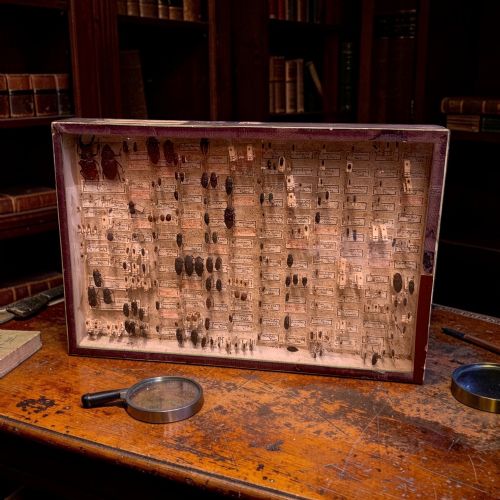
Internal elements often feature specialised storage, including multiple shallow drawers for entomology, brass pulls, and raised galleries to hold specimens securely. Finishing techniques involve polished timber surfaces, marquetry inlay, and protective enclosures for taxidermy compositions.
Specimen Display Cabinet Retail Price Guide 2026
Typical asking prices for specimen display cabinet among the pieces listed under this phrase on Sellingantiques today, from the lower quarter to the upper quarter. They describe what is for sale here now, not the wider market.
Cabinet interiors occasionally preserve nineteenth-century moss and feathers arranged to mimic the quiet corners of a New Guinea forest.
What varies in quality
Quality shows in the precision of the timber joinery, the selection of figured veneers like burr walnut or satinwood, and the clarity of the original glass panes. Superior pieces display thoughtful internal layouts, robust drawer construction, and careful integration of brass fittings.
The degree of preservation in the housing and the integrity of any associated taxidermy or natural specimens dictate the overall standing of an object. Finer cabinets balance architectural proportion with functional utility designed for handling delicate collections.
James Gardner of London·Rowland Ward Ltd·A Pollard
The Specimen Display Cabinet Glossary
- Carapace
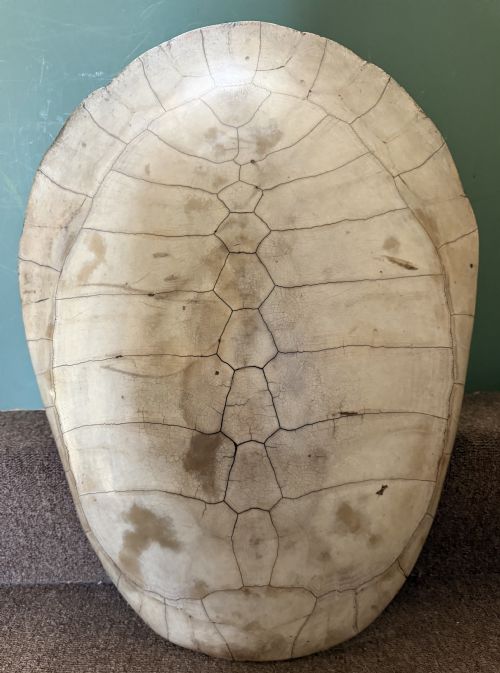
- The upper shell of a turtle, tortoise, or crustacean, often preserved as a natural history specimen. These shells appear in nineteenth-century collections alongside other marine specimens.
- Entomology case
- A shallow glazed box designed specifically for housing and protecting insect specimens such as butterflies and beetles. These cases feature tightly fitted lids to prevent pest damage to the contents.
- Glass dome
- A blown glass cover placed over a circular base to protect taxidermy birds or delicate specimens from dust. They sit on wooden or ebonisedplinths.
- Marquetry inlay
- Decorative woodwork where small pieces of contrasting veneer are fitted into timber panels to form patterns. This technique appears on finer Victorian cabinets.
- Raised gallery
- A low decorative railing fitted around the top surface of a small cabinet or table. It prevents small display items from sliding off the edge.
Specimen Display Cabinet: Frequently Asked Questions
What fits inside a specimen cabinet?
These cabinets house natural history items including taxidermy birds, shells, fossils, minerals, and insects. Shallow drawers suit small geological or entomological specimens.
Larger compartments and glass domes accommodate bigger taxidermy mounts, skulls, or botanical teaching aids.
How do I date a cabinet?
Dating relies on timber choices, construction methods, and hardware styles. Victorian and Edwardian pieces often feature mahogany, walnut, or ebonised wood with brass pulls.
Maker labels, where present, help pinpoint the exact workshop or taxidermist associated with the piece.
How should I clean the glass?
Use a soft, dry cloth or mild glass cleaner applied to the cloth rather than directly onto the glass surface. Take care near antique timber frames and delicate joints.
Avoid harsh chemicals that might damage aged wood finishes or nineteenth-century brass fittings.
Are these pieces suitable for modern homes?
They function well as focal points in studies, libraries, or living spaces, adding texture and historical interest. Their enclosed designs protect displayed collections from household dust.
Placing cabinets away from direct sunlight helps preserve both the timber and any organic specimens inside.