



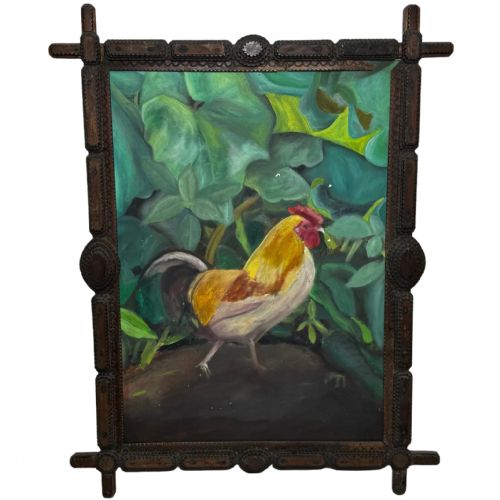

Spanish Portrait Painting
These spanish portrait painting works bring centuries of dramatic character and religious devotion to a room, captured through the rich brushwork of Iberian masters and followers.
Spanish Portrait Painting
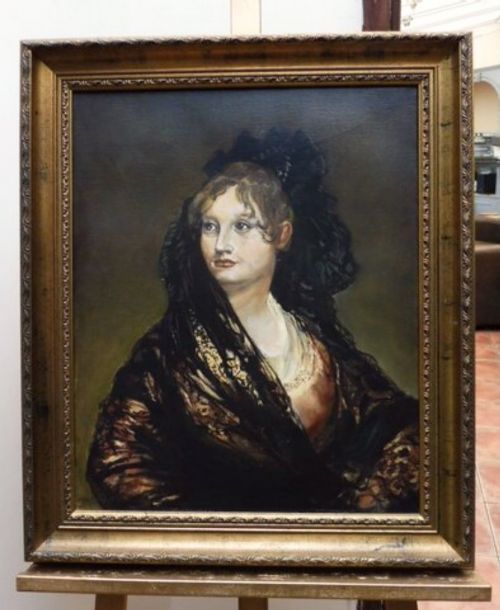
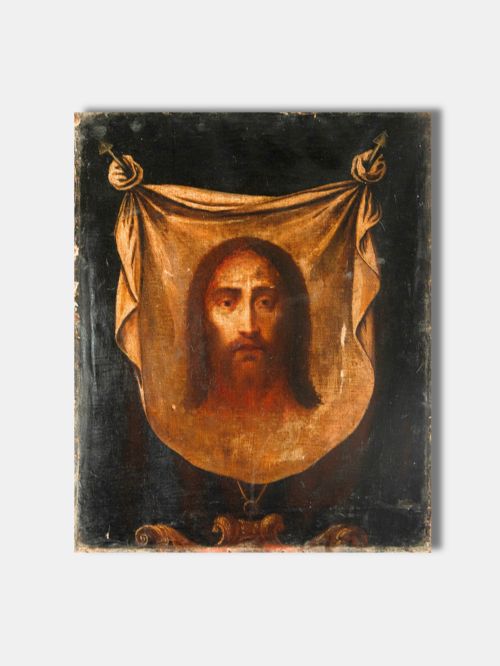
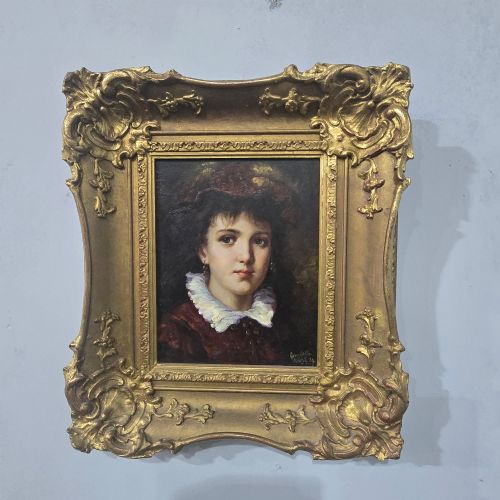
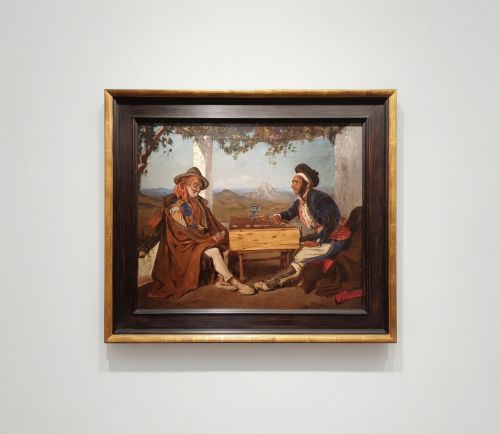
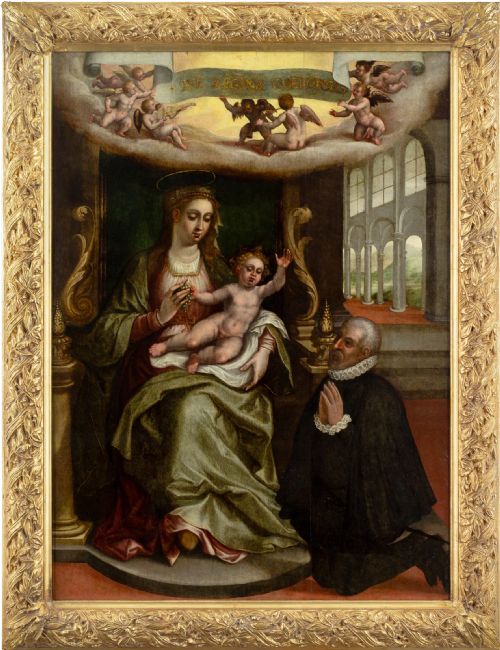
A spanish portrait painting captures subjects ranging from stern theologians and noble ladies to religious figures and genre characters. The selection spans centuries of artistic tradition, drawing heavily on seventeenth-century baroque sensibilities and nineteenth-century realism.
Most pieces encountered here originate from European workshops, provincial schools, or colonial outposts. The inventory moves from strict devotional icons to spirited depictions of everyday life and regional beauty.
How They Were Made
Painters applied oil and pigment directly onto prepared canvas, wood panels, or occasionally copper plates. Gesso provided the foundational smooth ground for the paint layers, while giltwood frames finished the presentation.
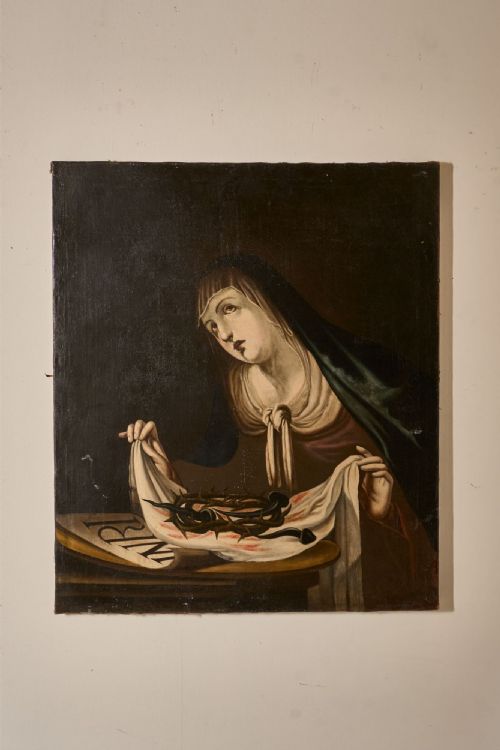
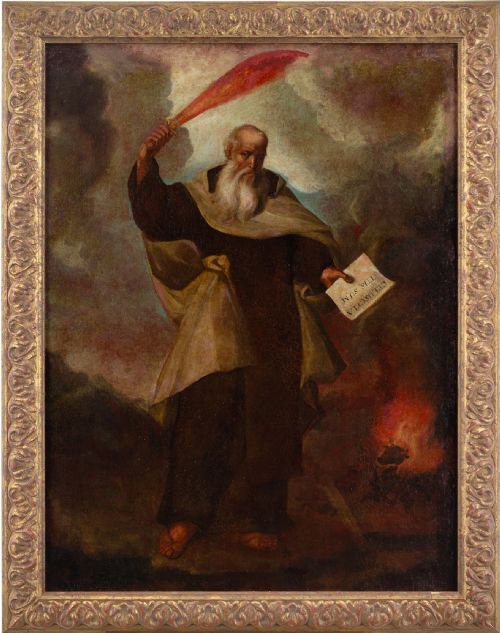
Makers built depth through layered glazes and opaque highlights, capturing the dramatic contrast typical of baroque illumination. Metal leaf and elaborate wood mouldings often completed the heavier framed pieces.
What Varies in Quality
The sophistication of brushwork and the expressive handling of light separate masterworks from provincial copies. Superior examples demonstrate a confident command of facial anatomy and fabric texture.
Framing and material longevity also mark the scale, with original period giltwood surrounds and stable canvas surfaces holding greater weight than later replacements.
Miguel Barroso·Juan Ruiz Soriano·Gaspar de Figueroa·Antonio Ferri·Manuel Azpiroz
The Spanish Portrait Painting Glossary
- Baroque
- A style spanning the seventeenth and eighteenth centuries characterised by drama, deep shadow, and intense emotional expression. This aesthetic dominated much of the religious and portrait work produced during the period.
- Gesso
- A traditional white paint mixture consisting of a binder mixed with chalk, gypsum, or pigment used to prepare wood or canvas surfaces. It creates a smooth and stable ground for oil painting.
- Giltwood
- Wood carved and treated with a thin layer of gold leaf or gold paint for decorative effect. These surrounds frequently accompany traditional oil paintings.
- Oil on Canvas
- A technique utilising pigments bound in a drying oil applied directly to stretched woven fabric. This method became the standard medium for major portrait works from the Renaissance onward.
Spanish Portrait Painting: Frequently Asked Questions
How do I identify a seventeenth century canvas?
Examine the weave of the fabric and the preparation layers beneath the paint. Older canvases tend to show hand-beaten textures and dense gesso priming.
Look also at the stretcher frames and the specific style of the brushwork, which often reflects baroque lighting conventions.
Were these paintings always religious?
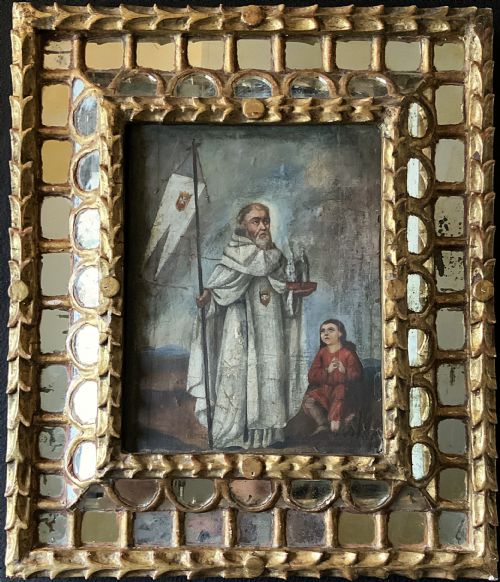
Many works depict saints and biblical scenes, particularly those associated with the Spanish school and colonial workshops. Devotional iconography formed a primary commission for traditional studios.
At the same time, a significant portion of the genre captures secular subjects, noble sitters, and regional figures.
What is a colonial art portrait?
Colonial pieces reflect European painting traditions executed within Spanish territories abroad. They often blend traditional European iconography with local materials and regional artistic interpretations.
These works provide a distinct window into the artistic exchange between Spain and its overseas provinces.
How should I care for an oil painting?
Keep the canvas away from direct sunlight and dramatic fluctuations in room temperature. Stable humidity prevents the wood stretcher and the paint layer from cracking.
Dust the surface gently with a soft, dry brush and avoid using chemical cleaners on the paint or the giltwood frame.