


South Persian Tribal Weaving
South persian tribal weaving comprises traditional nomadic rugs, animal trappings and practical bags carrying the authentic designs of southern carpet-making confederacies.
South Persian Tribal Weaving
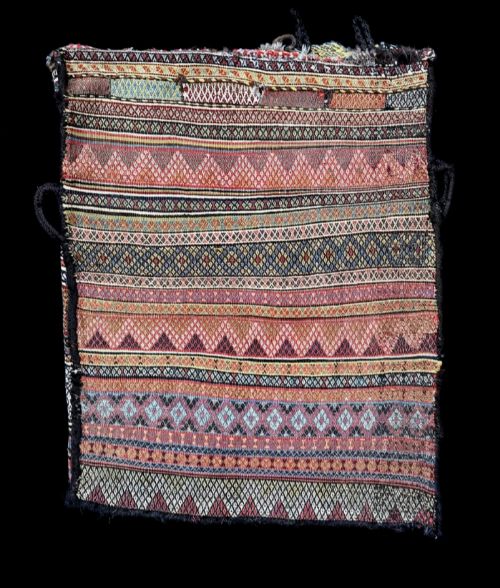
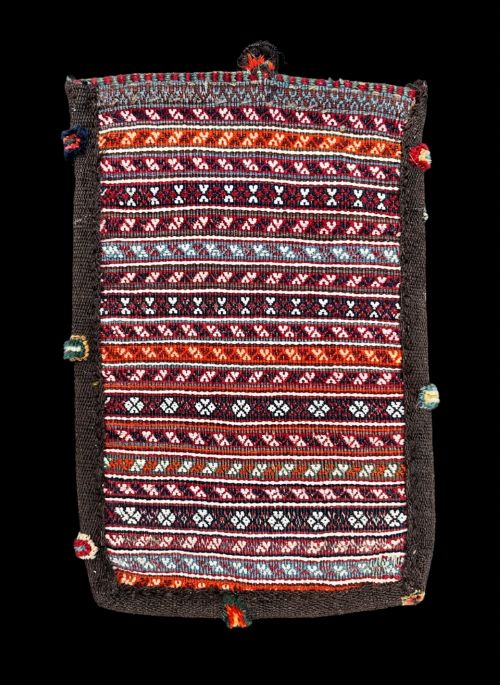
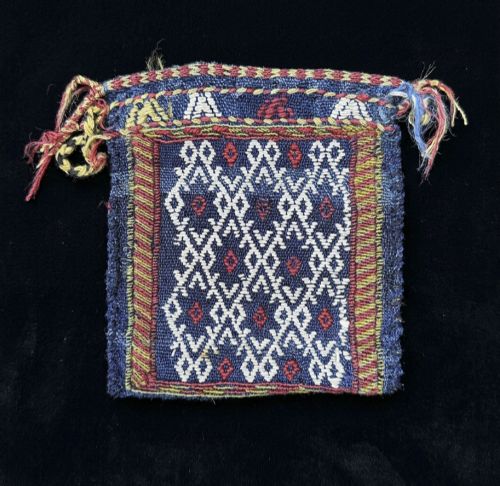
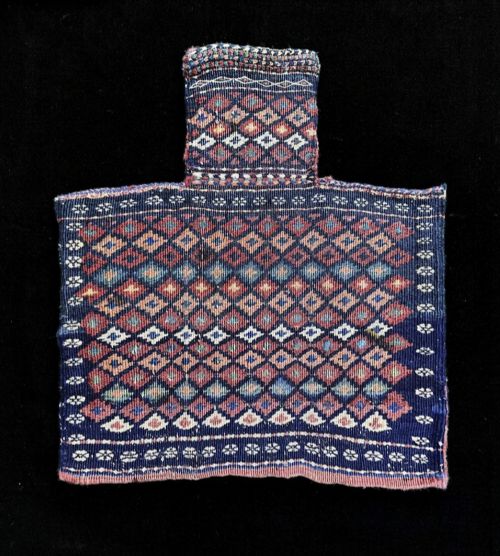
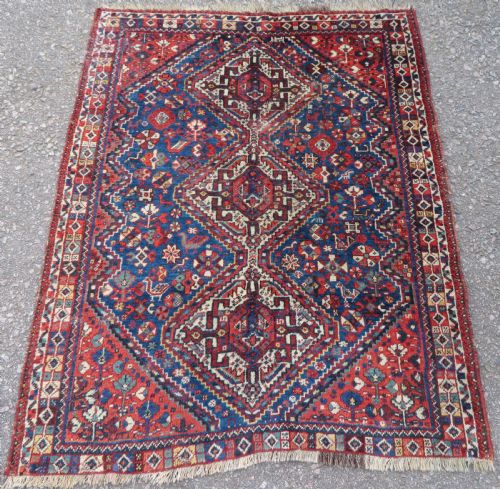
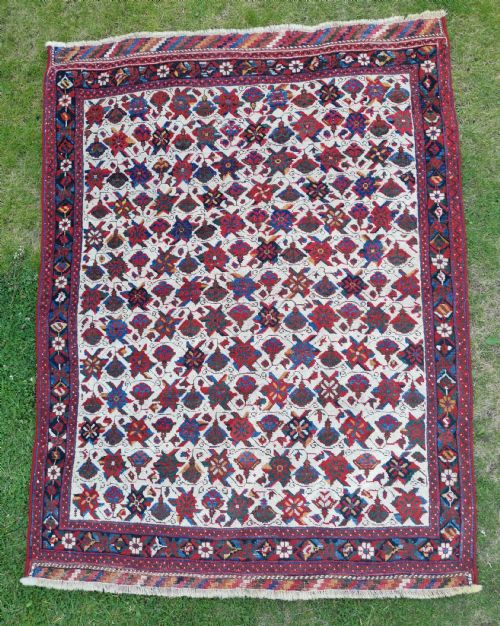
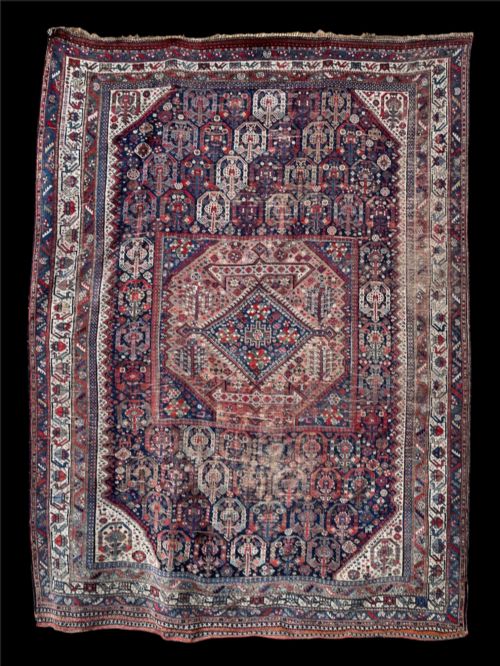
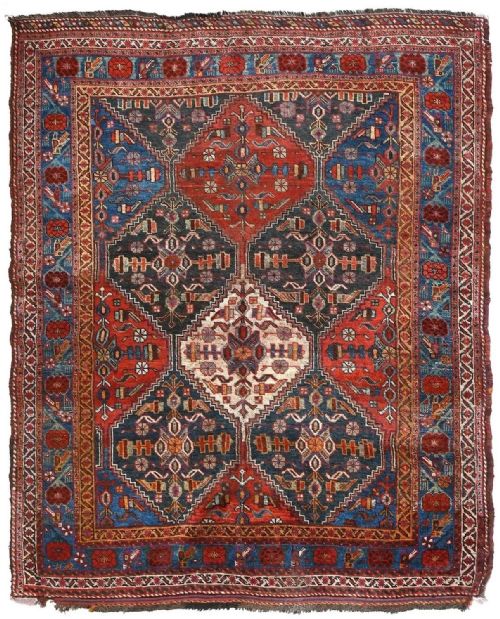
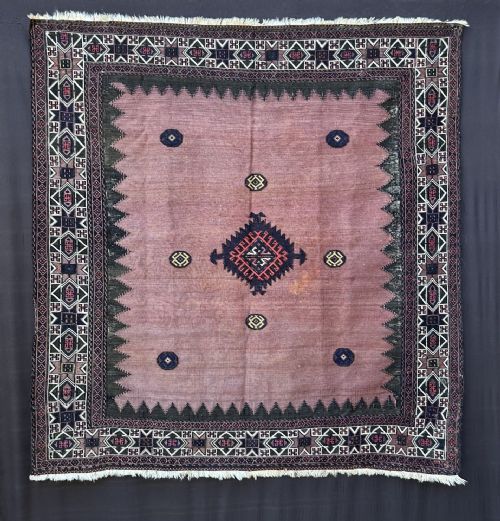
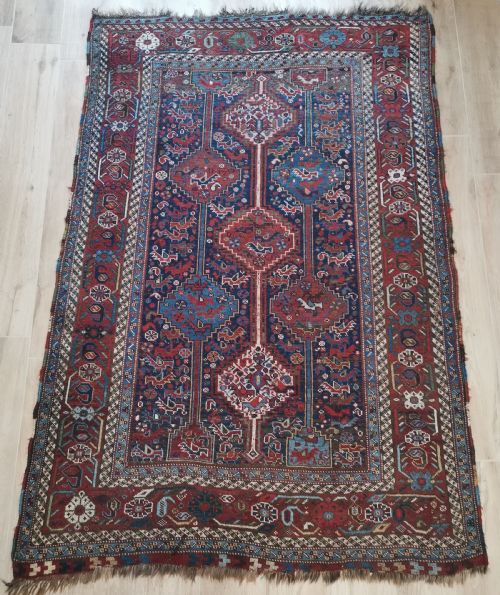
South persian tribal weaving encompasses diverse nomadic artefacts originating from the southern provinces of Persia, including regional rugs, carpets, and smaller woven objects. Buyers searching for these pieces encounter utilitarian items created by pastoral groups such as the Qashqa'i, Khamseh, and Afshar tribes.
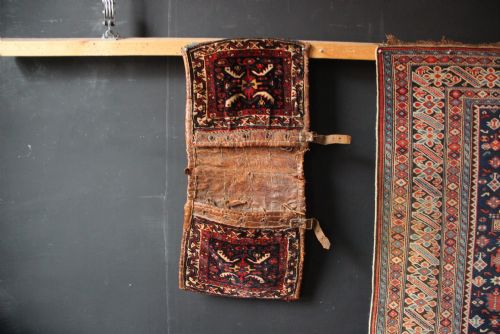
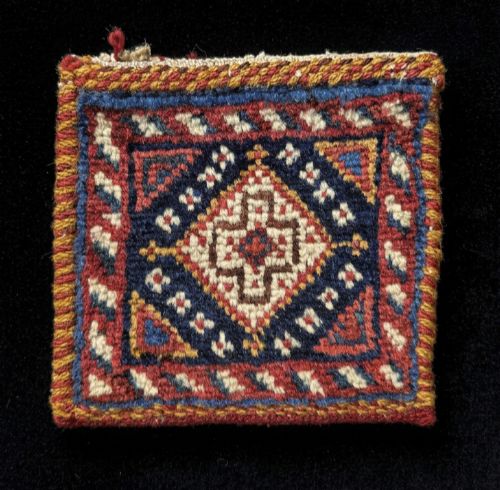
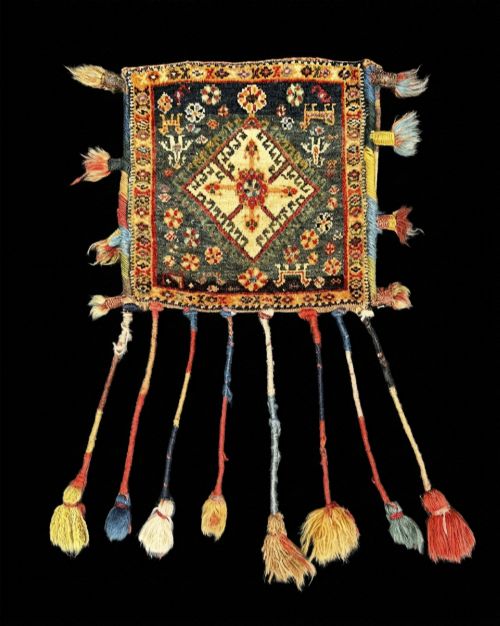
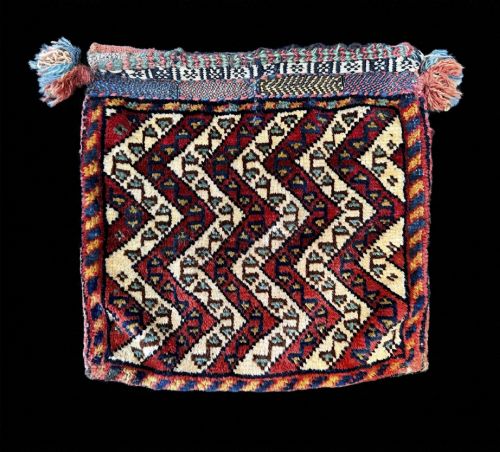
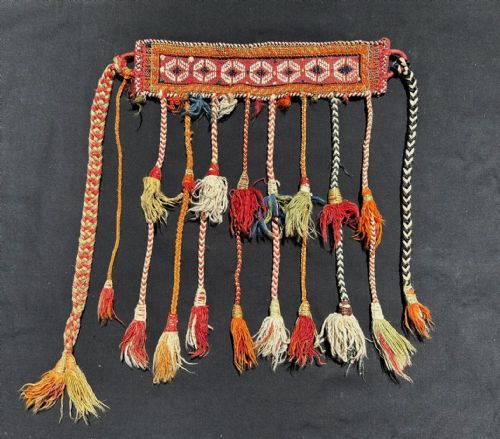
The selections frequently feature smaller formats such as salt-bags, vanity-bags, and horse decorations alongside room-size carpets and area rugs. These items stem from nineteenth and early twentieth-century nomadic production, documenting specific sub-tribes and regional weaving traditions across Fars and Kerman provinces.
Materials and Construction
Makers utilised hand-spun wool and cotton foundation structures, combining traditional sheep's wool with natural dyes to achieve deep regional colour palettes. Artisans integrated structural reinforcements utilising leather, wood, and cowrie shells on utilitarian bags and trappings.
Weavers employed hand-knotted pile and flatweave techniques to construct durable domestic items designed for migratory life. The resulting textiles display regional knotting densities and structural variations specific to individual tribal groups.
South Persian Tribal Weaving Retail Price Guide 2026
Typical asking prices for south persian tribal weaving among the pieces listed under this phrase on Sellingantiques today, from the lower quarter to the upper quarter. They describe what is for sale here now, not the wider market.
Recorded object forms include horse decorations, bread sofreh, animal trappings, and vanity bags originating from Kerman and Fars provinces.
Evaluating Quality
Quality rests upon the precision of the hand-weaving, the depth and saturation of natural dye palettes, and the integrity of the wool. Pieces exhibiting tight structural foundations and clear tribal iconography command greater appreciation among collectors.
The complexity of the tribal design and the preservation of original selvedges and decorative elements distinguish finer utilitarian objects and carpets from standard examples.
The South Persian Tribal Weaving Glossary
- Salt-bag
- A utilitarian nomadic pouch traditionally used for carrying salt during migrations. These small bags frequently display intricate geometric pile or flatwoven designs.
- Animal trapping
- A decorative or functional textile fastened to horses, camels, or pack animals. They display specific tribal motifs associated with pastoral life.
- Medallion
- A central ornamental design motif placed in the field of a rug or bag face. It serves as the primary focal point for tribal compositions.
- Flatweave
- A textile constructed without pile by interweaving warp and weft threads directly. This technique creates lightweight covers and storage bags.
- Confederacy
- A coalition of distinct nomadic tribes united under regional leadership. Groups like the Qashqa'i and Khamseh comprise multiple sub-tribes sharing artistic traditions.
South Persian Tribal Weaving: Frequently Asked Questions
How were tribal bags used?
Nomadic families utilised woven bags to store salt, personal items, provisions, and household goods during seasonal migrations. Their sturdy construction protected contents while accommodating the demands of travel.
Specific forms like vanity-bags and salt-bags hung inside tents or fastened to pack animals, serving essential domestic functions alongside aesthetic roles.
How do I identify a Qashqa'i piece?
Qashqa'i items frequently originate from the Fars province and display specific sub-tribe designations in their traditional motifs. Artisans within these confederacies employed distinctive geometric patterns and rich natural dye combinations.
Many examples include specialised items such as baby cradles and animal trappings carrying distinct cultural markers of the region.
How should I care for an antique rug?
Protect antique wool textiles by placing them in areas away from direct, continuous sunlight to preserve natural dye integrity. Regular gentle vacuuming without a beater bar prevents dust accumulation within the foundation.
Rotate the textile periodically to ensure even wear patterns across high-traffic zones and consult specialist conservators for professional cleaning.