




South Persia Tribal Rug
These surviving pieces of south persia tribal rug history bring nomadic artistry into modern rooms through rich geometric motifs and deep historical roots.
South Persia Tribal Rug
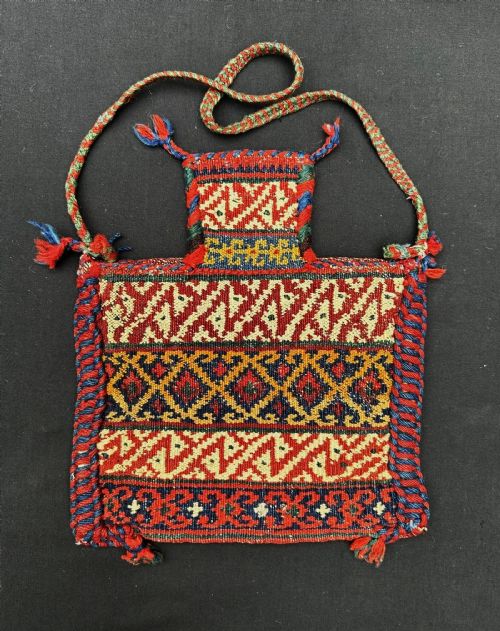
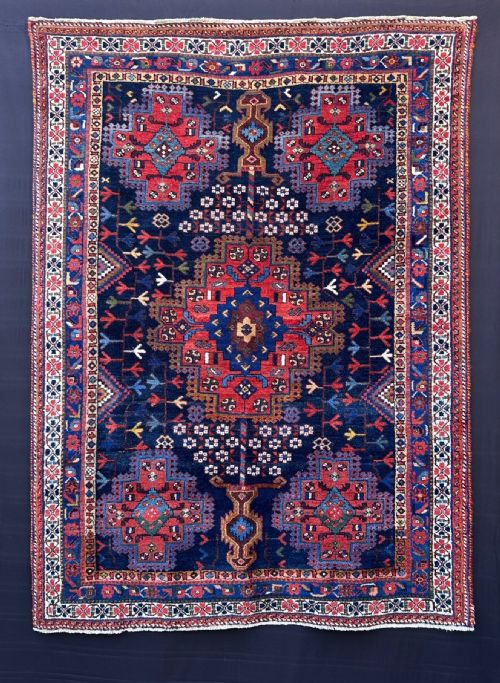
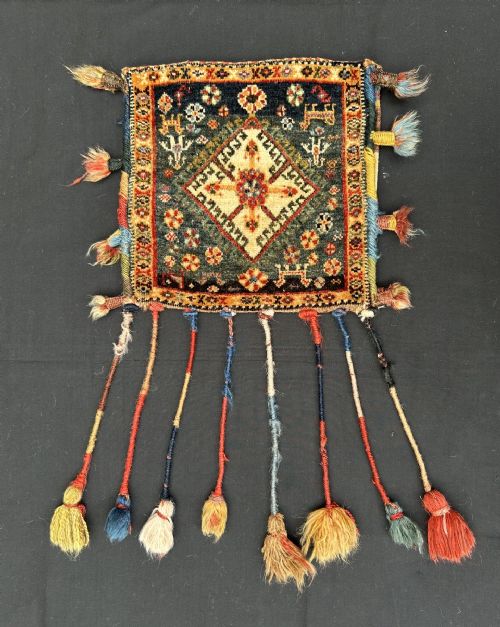
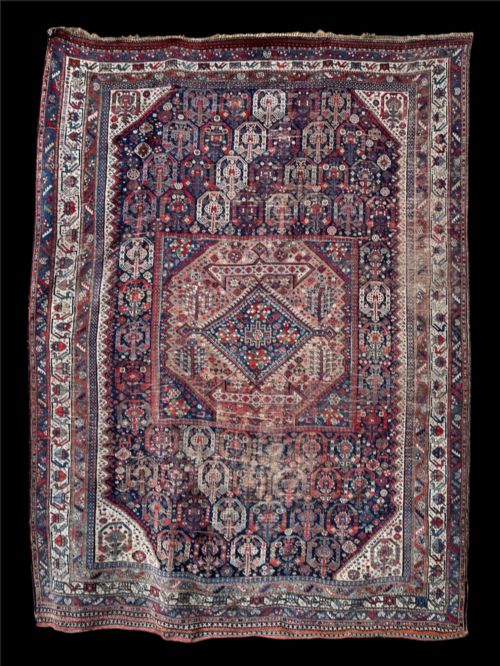
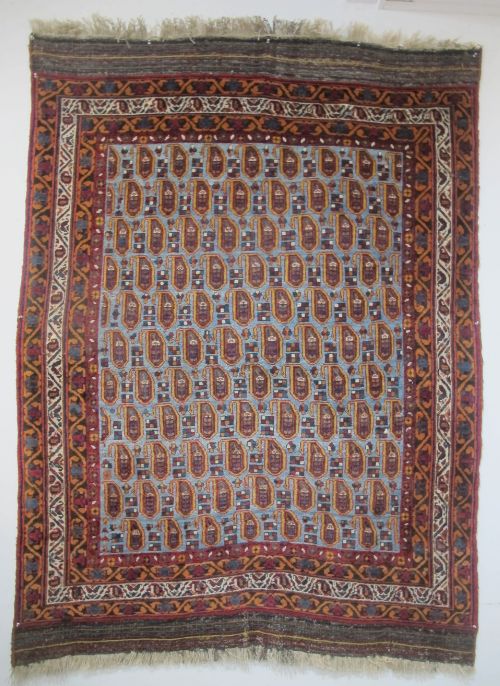
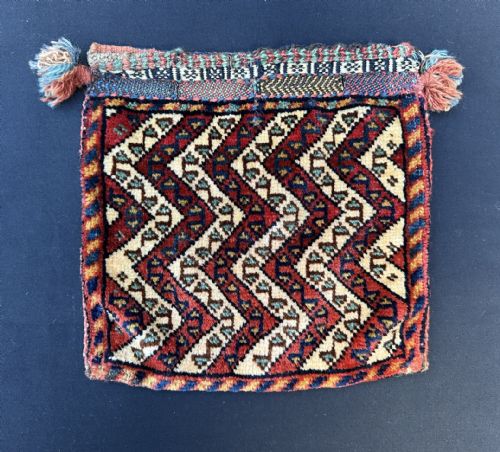
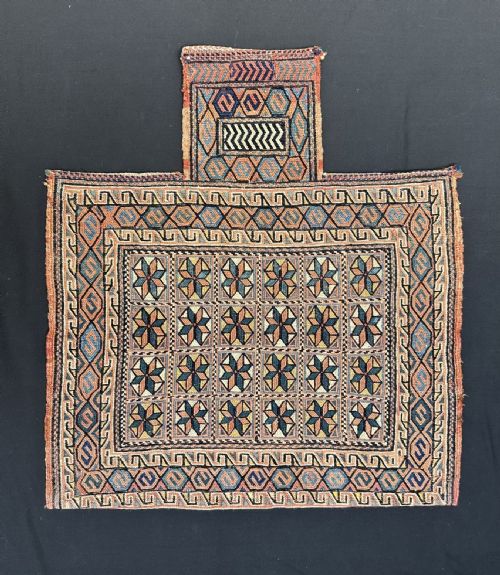
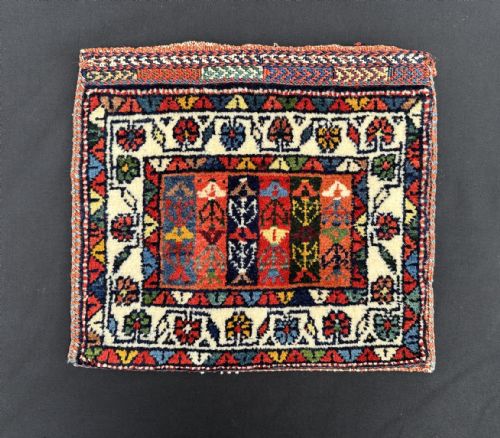
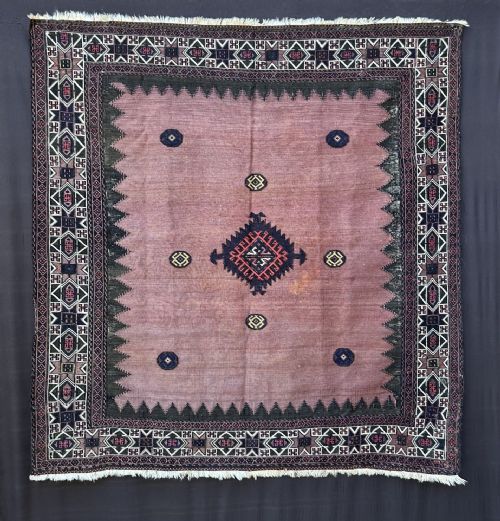
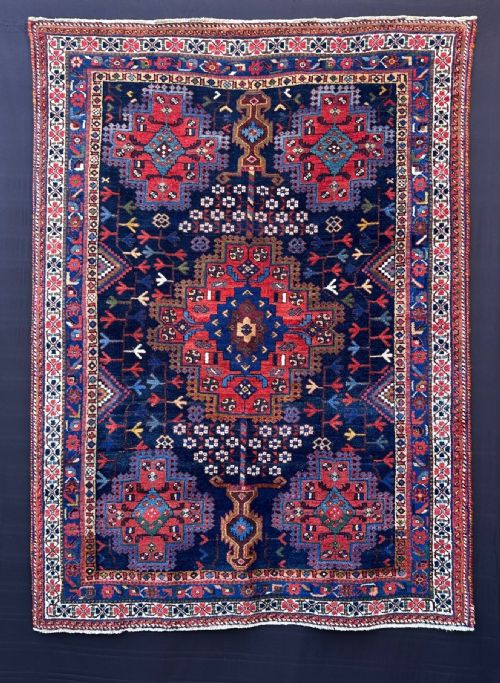
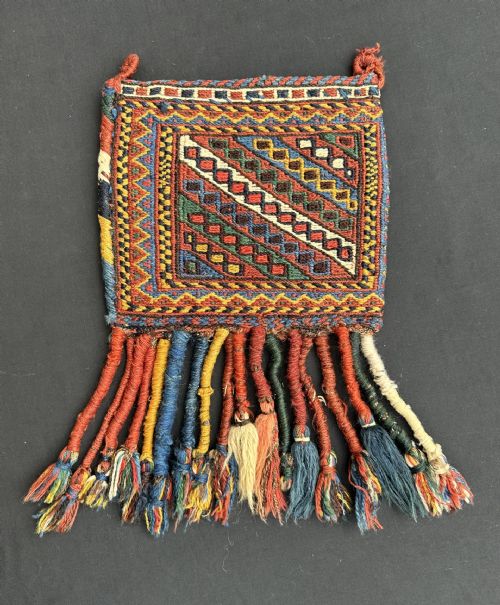
A south persia tribal rug encompasses woven works created by nomadic and confederated groups such as the Qashqai, Afshar, and Khamseh peoples across regions like Fars and Kerman. Collectors encounter floor-covering carpets alongside utilitarian items including vanity bags, salt bags, saddlebags, and bread sofrehs.
The objects span from the nineteenth century into the early twentieth century, showing distinct regional patterns tied to specific tribal sub-tribes and mountainous origins.
Format variations range from small bag faces and animal trappings to room-sized main carpets and kilims, reflecting the diverse daily and ceremonial needs of nomadic weavers.
How They Were Made
Weavers constructed these textiles using hand-spun wool foundations and pile, occasionally incorporating cotton for structural warp and weft stability.
Colour palettes derived from natural dyes applied to local wool, producing durable tones that age with distinct patination across the surface.
Additional organic materials such as leather, wood, and cowrie shells appear on utilitarian tribal bags and cradles, highlighting functional nomadic adaptations.
The listings feature pieces spanning the 1860s through the 1930s, constructed from wool, cotton, natural dyes, and leather.
What Varies in Quality
The primary distinction lies in the precision of knotting density and the clarity of drawing within geometric medallions, boteh motifs, and animal depictions.
Material selection dictates long-term resilience, where finely spun wool and rich natural dye saturation separate standard utility items from exceptional tribal weaving.
Completeness of original side cordings, starting finishes, and intact utilitarian elements such as saddlebag backs or hanging loops heavily influence the textual integrity of surviving pieces.
The South Persia Tribal Rug Glossary
- Boteh
- A stylised almond or pear-shaped motif commonly found weaving across Afshar and Khamseh field designs. This ancient symbol represents cypress trees, flames, or seed pods.
- Sofreh
- A flatwoven spread or cloth utilised for preparing and serving bread within nomadic households. These textiles often display minimalist geometric borders surrounding central fields.
- Soumak
- A flatweaving technique producing durable wrapping stitches across the reverse side of bags and rugs. This method creates a dense, textured surface structure without pile.
- Ru Korssi
- A specialised blanket or coverlet designed to drape over a traditional low heating table. These textiles originated in eastern and southern Persian domestic spaces.
- Confederation
- A political and social alliance of multiple nomadic tribes sharing migratory routes and artistic traditions. Groups such as the Qashqai and Khamseh operated under this decentralized structure.
South Persia Tribal Rug: Frequently Asked Questions
How are tribal bags used today?
Surviving bag faces and smaller pouches function well as decorative wall hangings, small accent mats, or tabletop displays. Their robust construction allows them to handle moderate display environments.
Collectors often mount flatwoven bag faces on linen or frame them to protect the historical woolwork while integrating nomadic textiles into contemporary interior schemes.
How do I identify an Afshar rug?
Afshar pieces typically originate from the Kerman province and feature distinct rectilinear medallion layouts, frequent boteh repeats, and balanced indigo and madder red tones. Their structure often utilises firm wool foundations.
Examining the specific regional attribution, such as the Neiriz or Sirjan areas, helps pinpoint the precise tribal subgroup responsible for the weaving.
What is a Qashqai kilim?
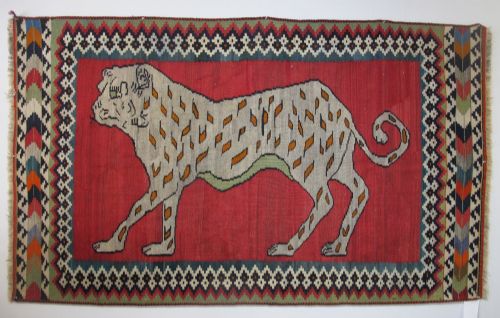
A Qashqai kilim is a slit-woven flat textile created by the Qashqai confederacy in the Fars province without a raised pile surface. These pieces rely on sharp geometric colour shifts and stepped diamond patterns.
They offer lighter weight structures compared to pile carpets, making them versatile for placement as summer floor coverings or striking wall hangings.
How should I care for old wool rugs?
Gentle vacuuming without a rotating power brush prevents dirt accumulation while protecting fragile historical pile and foundational warps. Professional textile cleaning is recommended for deep maintenance.
Keeping these pieces away from direct, harsh sunlight prevents the natural dyes from fading and preserves the original colour contrast inherent in nineteenth-century weaving.