




Sorrento Inlaid Side Table
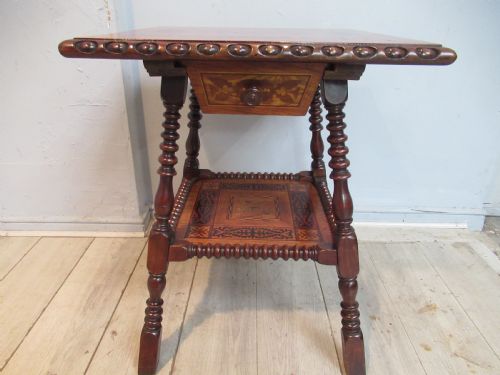
A sorrento inlaid side table brings intricate Italian marquetry and warm olive wood or walnut into a room.
Sorrento Inlaid Side Table
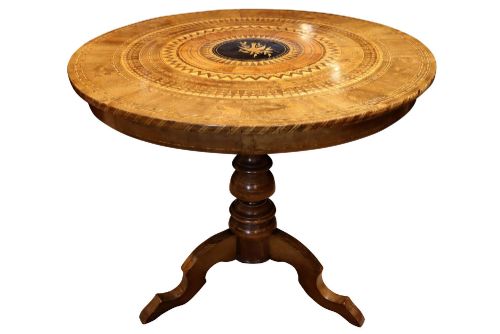
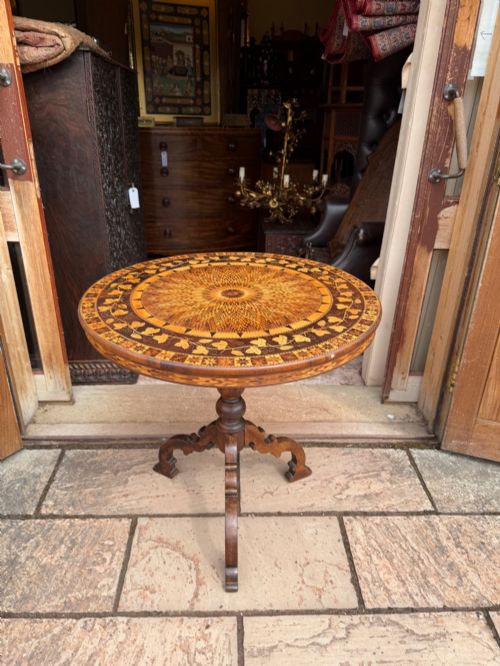
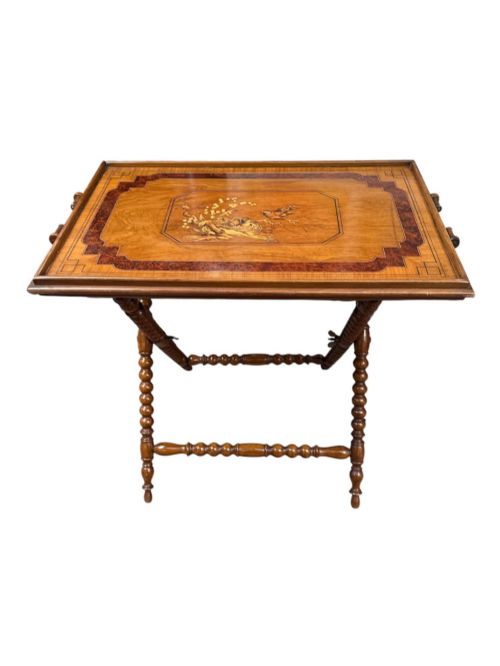
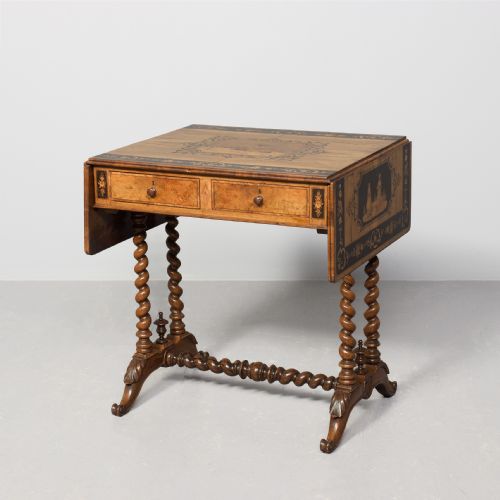
A sorrento inlaid side table is a piece of nineteenth century Italian furniture, often associated with the Grand Tour and Victorian interiors. These decorative tables appear in forms such as occasional tables, tray tables, sofa tables, and tilt top tables.
The pieces on this page span the nineteenth century, including specific dates like 1870, 1880, and 1920, alongside Victorian examples. Walnut, olivewood, and fruitwood provide the primary wooden structures for these intricate designs.
Makers and workshops from Sorrento produced these works using mixed hardwood veneers and marquetry inlay. Buyers encounter side tables, coffee tables, and centre tables that display distinctive Italian craftsmanship from the period.
What varies in quality
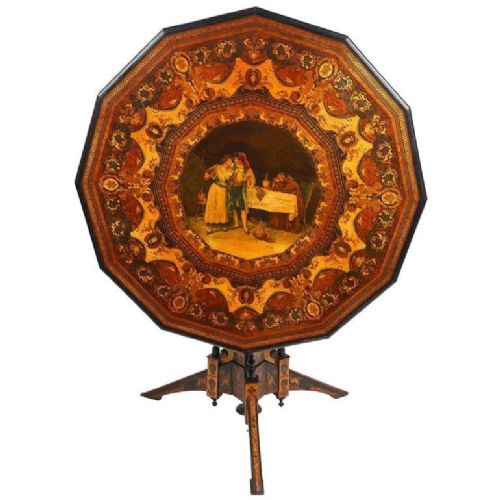
The precision and complexity of the marquetry inlay determine the visual depth of the surface. Finer examples feature intricate figural or architectural scenes, whilst simpler pieces rely on repeating geometric parquetry patterns.
The choice of underlying timber shifts between standard walnut and highly figured olivewood or fruitwood veneers. Tables signed by known makers or retaining balanced proportions stand apart in execution.
Listings feature nineteenth century dates alongside Victorian periods, utilising walnut, olivewood, and fruitwood across various occasional and tilt top table forms.
Almerico Gargiulo
The Sorrento Inlaid Side Table Glossary
- Sorrento Ware
- Nineteenth century decorative wooden items featuring detailed marquetry and inlay from the Italian coastal town. These pieces often depict local scenes, floral motifs, or geometric designs.
- Marquetry Inlay
- The art of applying small pieces of veneer to a structure to form decorative patterns or pictures. Craftsmen select various woods to achieve natural colour variations without paint.
- Parquetry
- Geometric mosaic woodwork arranged in regular patterns like cubes or stripes. This technique frequently borders the central pictorial marquetry on table tops.
- Tilt Top Table
- A piece featuring a mechanism that allows the table top to pivot vertically when not in use. This design saved space in nineteenth century domestic interiors.
- Grand Tour
- The traditional travel of Europe undertaken by upper class European young men of the wealthy class. Souvenirs such as inlaid tables returned home as mementos of Italy.
Sorrento Inlaid Side Table: Frequently Asked Questions
What is a sorrento inlaid side table?
A sorrento inlaid side table is a nineteenth century Italian piece featuring detailed marquetry and parquetry. These tables utilise woods like walnut, olivewood, and fruitwood.
Craftsmen in Italy produced them for export and tourists undertaking the Grand Tour. They appear as occasional, tray, and tilt top tables.
How do I date a sorrento table?
Dating relies on timber choices, construction methods, and stylistic cues from the nineteenth century. Victorian examples often align with British import tastes of the period.
Specific dates like 1870, 1880, and 1920 appear in records based on design shifts. Maker signatures or specific archival documentation also help narrow the timeline.
How should I clean the wood surface?
Dust the surface regularly with a soft, dry cloth to prevent dirt build-up in the veneer joints. Avoid modern chemical polishes that can degrade nineteenth century finishes.
Apply high quality beeswax sparingly to nourish the walnut, olivewood, or fruitwood. Buff gently to maintain the natural sheen of the marquetry.
Where were these tables made?
These tables originated in Sorrento, a coastal town in southern Italy renowned for wood-working. Local workshops specialised in complex marquetry and veneer techniques.
Many pieces were sold to foreign visitors during the nineteenth century. They subsequently travelled back to British homes as fashionable interior furnishings.