



Solid Silver Trinket Tray
A solid silver trinket tray sits on the dressing table or desk to hold small daily valuables, shaped through the decorative styles of the twentieth century.
Solid Silver Trinket Tray
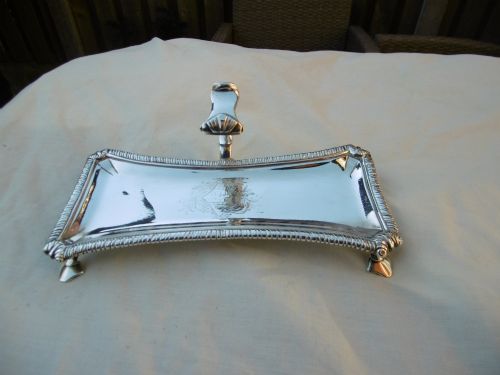
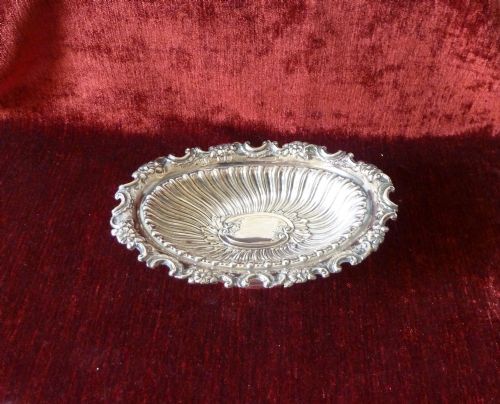
A solid silver trinket tray serves as a small receptacle for personal items, often taking the form of a dish or tray designed for a dressing table or desk. These pieces emerge across several decades, showing the changing tastes of past owners.
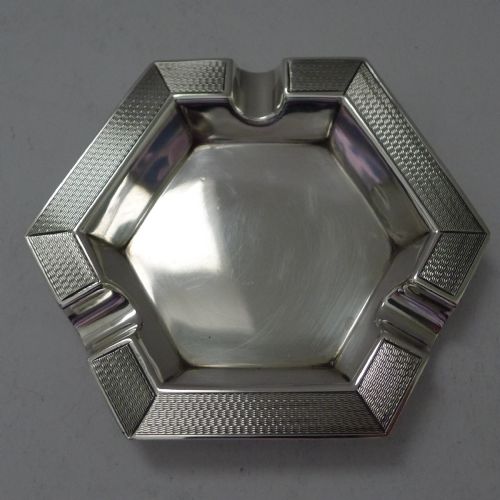
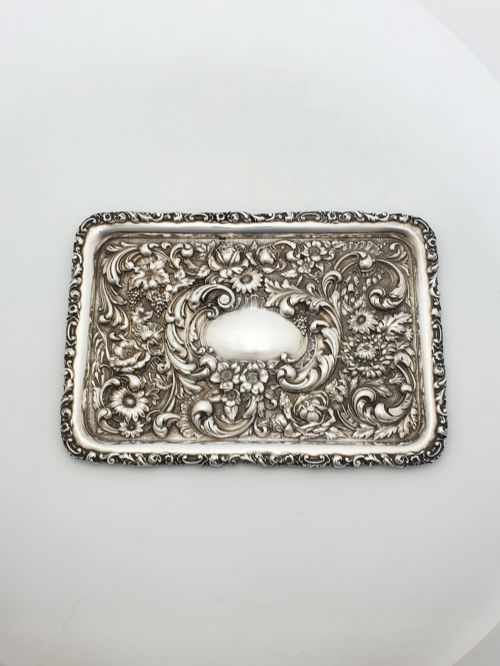
The versions most commonly met on this page date from the Edwardian period through to the mid-twentieth century. Makers applied various ornamental treatments to these small surfaces, ranging from floral repoussé to clean geometric lines.
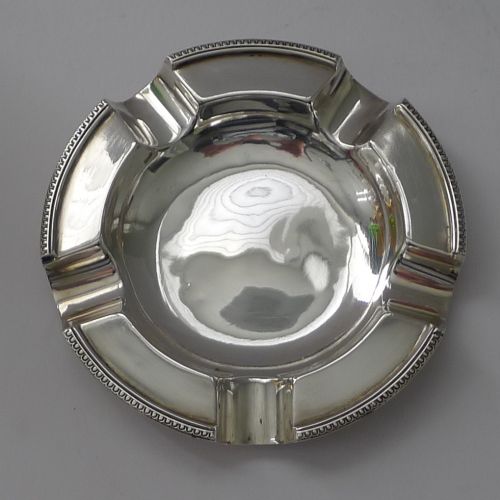
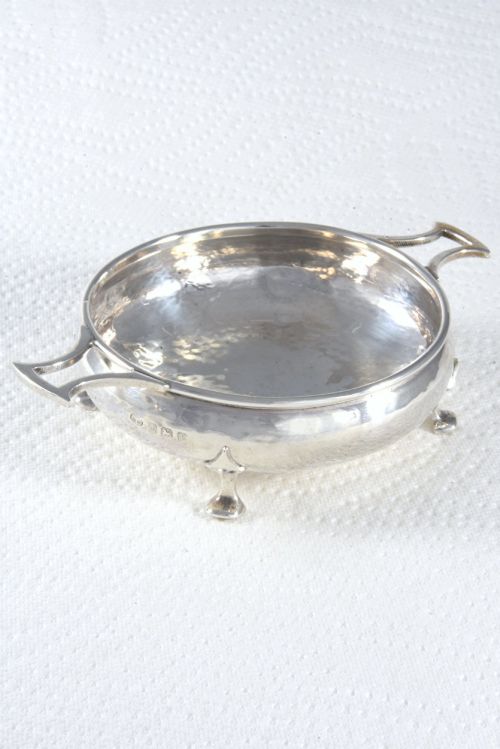
Object types include trinket dishes, card trays, and ashtrays adapted for decorative use. Their origins span English workshops as well as Anglo-Indian and Chinese export silver production.
Materials and construction
The primary material found across these pieces is sterling silver, worked into sheet metal forms or cast. Silversmiths utilised standard metalworking techniques to raise, shape, and edge each dish.
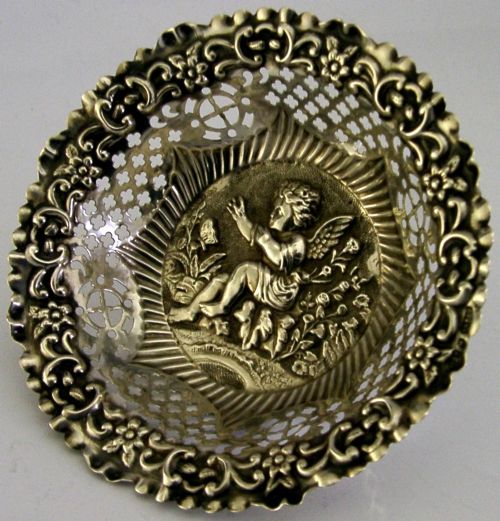
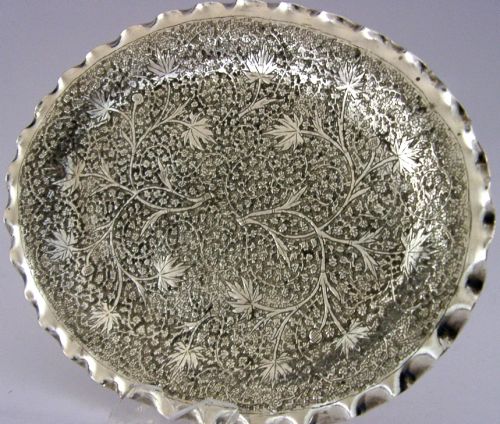
Decoration was frequently applied by hand using repoussé work, pushing the metal from the reverse to create raised floral and scroll patterns on the surface. Hallmarks stamped directly into the metal record the assay office, maker, and year of creation.
Solid Silver Trinket Tray Retail Price Guide 2026
Typical asking prices for solid silver trinket tray among the pieces listed under this phrase on Sellingantiques today, from the lower quarter to the upper quarter. They describe what is for sale here now, not the wider market.
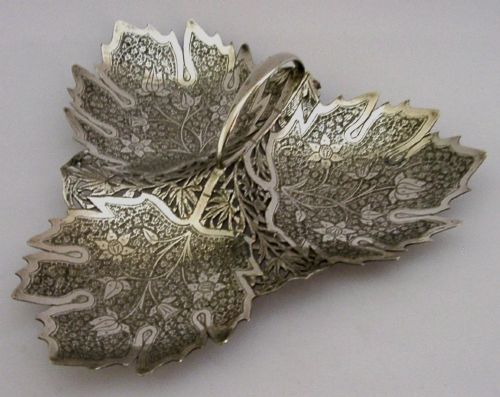
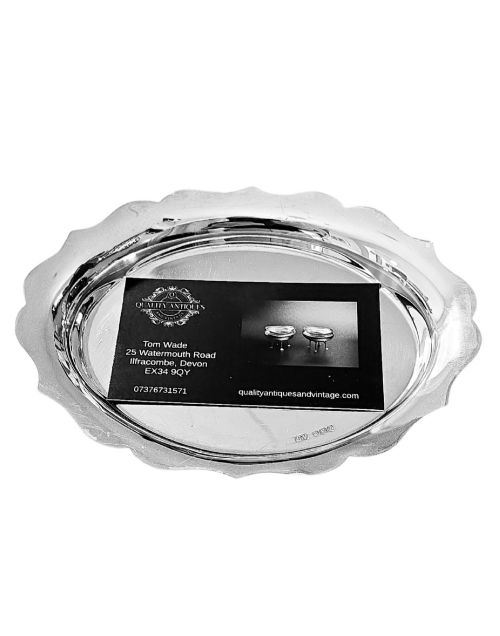
One tray takes the precise botanical shape of a leaf, bringing the garden indoors for your cuff-links.
Assessing quality and craftsmanship
Quality in a solid silver trinket tray depends on the weight of the metal used and the crispness of any applied decoration. Pieces with heavier gauge silver maintain their structural integrity and resist bending over decades of handling.
The finesse of the smithing distinguishes finer items, particularly where repoussé floral work or shaped leaf forms show sharp definition rather than flattened relief. Clear, legible hallmarks also contribute to the standing of a piece by confirming its exact origins.
Thomas Bradbury & Sons·William Neale·John Grinsell & Sons·Emile Viner
The Solid Silver Trinket Tray Glossary
- Sterling silver
- A silver alloy containing 92.5 percent pure silver and 7.5 percent other metals, usually copper, chosen for durability.
- Repoussé
- A metalworking technique where the smith hammers or pushes the design from the reverse side to form a raised pattern on the front.
- Hallmark
- A series of official marks stamped onto precious metal items to guarantee the purity, maker, and year of testing.
- Edwardian
- A stylistic period spanning the reign of King Edward VII, noted for light and ornate decorative arts.
- Art Deco
- A design style from the early twentieth century characterised by streamlined shapes, symmetry, and geometric motifs.
Solid Silver Trinket Tray: Frequently Asked Questions
What was a solid silver trinket tray used for?
These small trays were kept on dressing tables, hall stands, or desks to hold pocket contents, rings, pins, and visiting cards. They kept loose daily items contained in one tidy place.
Over time, many dishes transitioned from functional use to purely decorative display pieces within the home.
How do I know if my tray is solid silver?
Look closely at the surface for a set of stamped hallmarks, which typically include a lion passant, a city mark, and a date letter. These impressions confirm the piece is made of sterling silver rather than plated metal.
Silver plate will eventually show base metal beneath worn spots, whereas solid silver maintains its composition throughout.
What periods do these trays come from?
The pieces available range from the late nineteenth century through the Edwardian era and into the mid-twentieth century, including Art Deco designs from the 1910s and 1920s.
Each era brought distinct stylistic choices, moving from heavy floral repoussé to cleaner, modernist shapes.
How should I clean a silver trinket tray?
Use a soft microfiber cloth and a mild silver polish specifically formulated for precious metals. Apply the polish gently to avoid rubbing away crisp details in engraved or repoussé designs.
Avoid harsh abrasive cleaners or soaking pieces with lined or wooden attachments in water.