


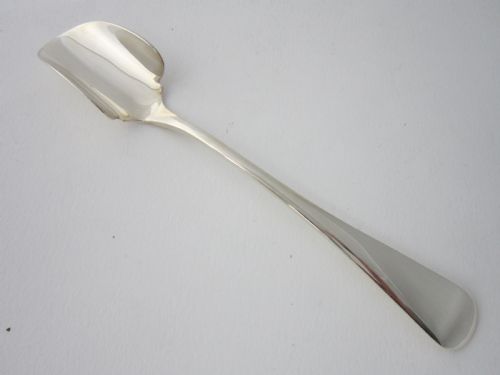

Solid Silver Serving Utensil
A solid silver serving utensil brings functional elegance to the dining table through enduring metalwork.
Solid Silver Serving Utensil
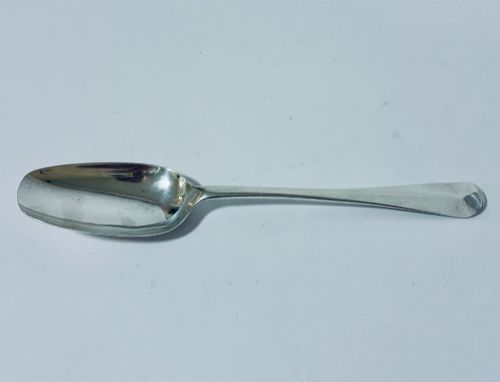
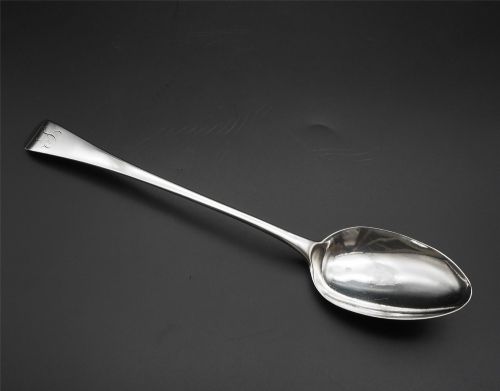
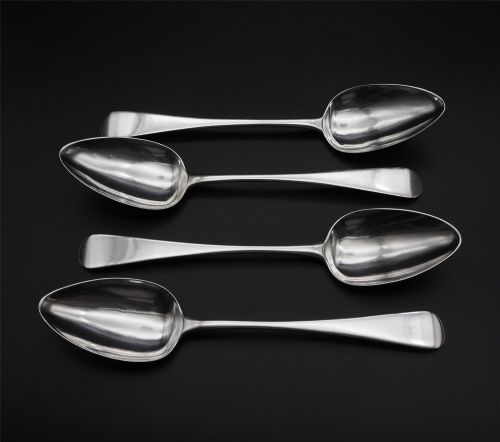
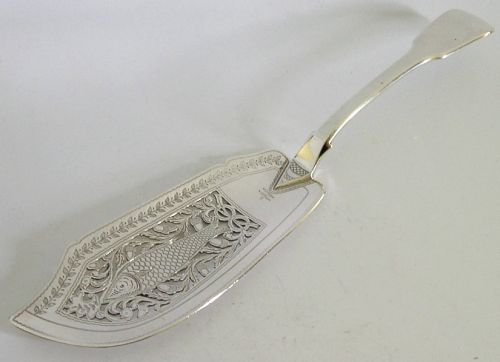
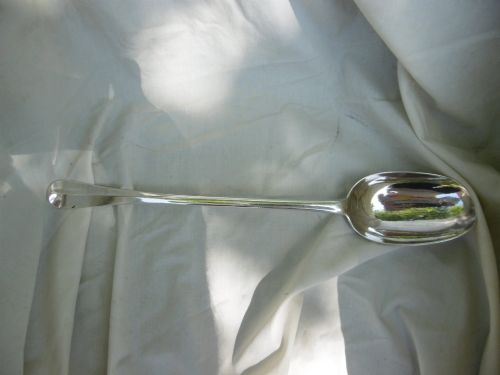
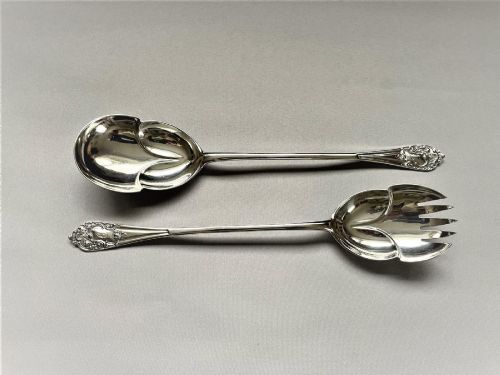
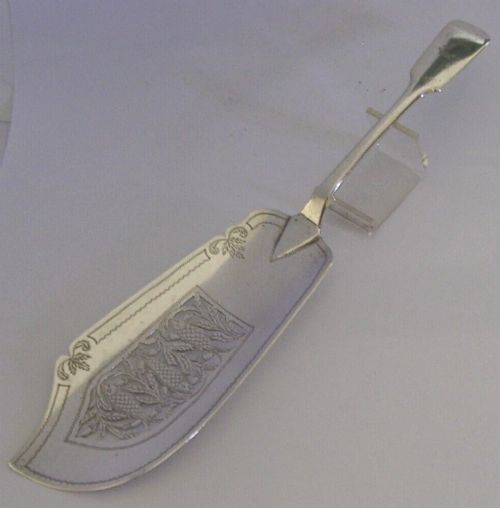
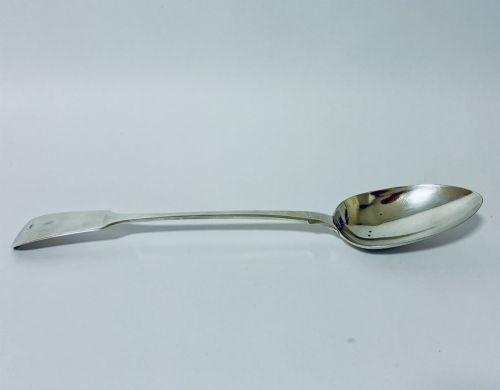
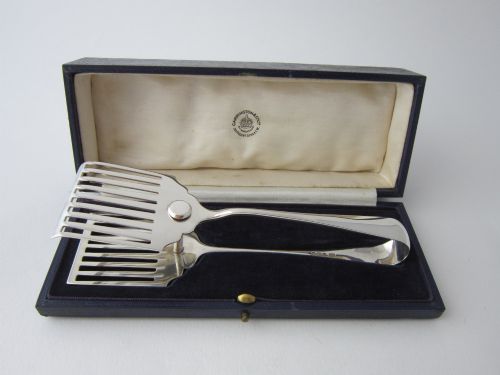
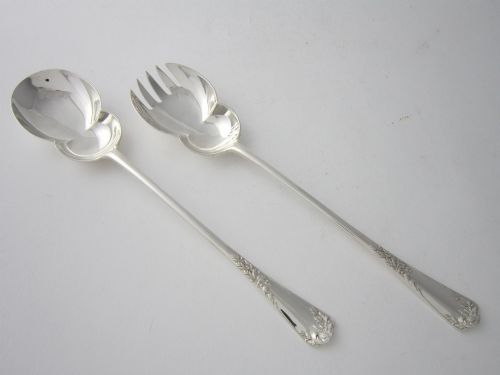
When searching for a solid silver serving utensil, you encounter a specialised category of dining implements designed for specific culinary tasks. These items span various forms including serving spoons, fish slices, grape shears, salad servers, asparagus tongs, and sugar tongs.
The pieces on this page originate from multiple eras, with strong representation from the Georgian, Victorian, and Edwardian periods. You will frequently find serving spoons, fish servers, and grape scissors made from sterling silver and standard silver.
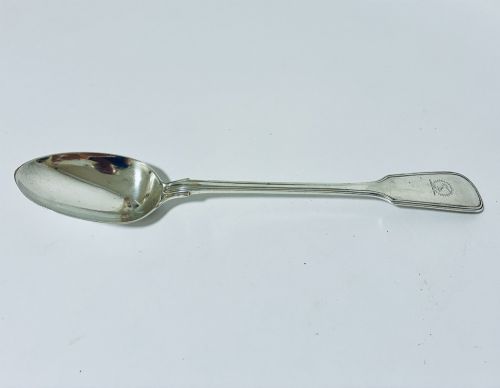
Makers from the eighteenth century onward produced these items for formal dining, often incorporating specific regional styles and patterned handles such as Old English or Queens. Cases lined with velvet, silk, leather, satin, or leatherette occasionally accompany the more delicate items like grape shears.
How they were made
Silversmiths utilised sterling silver and standard silver, shaping the metal through hammering, casting, and piercing techniques. Fish slices and serving spoons often feature detailed pierced work or engraved family crests on the handles.
Specialised items like grape shears and sugar tongs required hinged mechanisms and spring action, demanding precise metalworking skill. Fitted cases lined with velvet, silk, leather, satin, or leatherette protected the more intricate implements.
Listings feature items spanning the Georgian, Victorian, and Edwardian eras, alongside twentieth-century George V and Art Deco examples.
What varies in quality
The standard of a solid silver serving utensil rests upon the weight of the silver and the crispness of any cast or engraved decoration. Substantial weight in large serving spoons and fish servers indicates robust construction intended for heavy table use.
Design sophistication also distinguishes the pieces, from plain utility forms to finely pierced bowls and detailed handles by notable makers. The presence of matching sets or original fitted cases enhances the overall integrity of the piece.
Andrew Archer·Georg Jensen·Hester Bateman·Wilkes Booth·Whiting Co.·George Adams·Charles Boyton
The Solid Silver Serving Utensil Glossary
- Sterling silver
- A silver alloy containing 92.5 percent pure silver and 7.5 percent other metals, usually copper. This standard composition provides the necessary durability for functional dining implements.
- Fish slice
- A wide, flat serving utensil with a pierced or engraved blade designed for serving portions of fish. Many examples from the Georgian and Victorian periods feature elaborate openwork designs.
- Grape shears
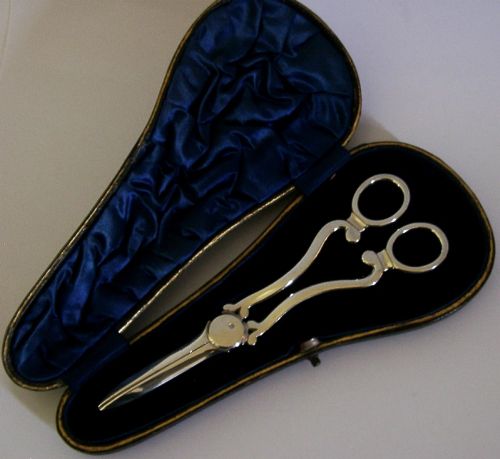
- Specialised scissors used for cutting individual portions of fruit from a bunch without damaging the surrounding grapes. Edwardian and Victorian versions frequently arrive in fitted cases lined with silk or velvet.
- Basting spoon
- An oversized spoon historically used for spooning juices over roasting meat in the kitchen or at the table. Georgian examples often display substantial weight and traditional Old English patterns.
Solid Silver Serving Utensil: Frequently Asked Questions
How were solid silver serving utensils used?
These implements served specific functions at the dining table, from transferring fish portions and asparagus to portioning grapes or serving vegetables.
Larger spoons handled gravy and basting, while specialist tongs managed sugar lumps and fruit.
How do I care for solid silver?
Regular gentle cleaning with a suitable silver cloth maintains the shine without wearing away the underlying metal.
Store items in dry environments, and use fitted cases lined with velvet or satin when available to prevent surface scratching.
Did these utensils come with cases originally?
Delicate items such as grape shears and certain serving sets were retailed in fitted boxes lined with materials like silk, leather, satin, or velvet.
Larger spoons and individual fish slices were typically stored in drawer canteens rather than dedicated single cases.