



Solid Silver Server Slice
A solid silver server slice handles everything from flaky fish to rich pastries, bringing substantial weight and bright metal to the dining table.
Solid Silver Server Slice
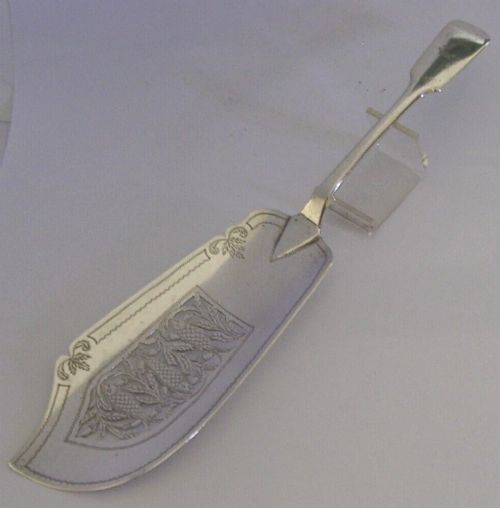
A solid silver server slice serves fish, pastry, cake and ice cream at the dining table. These utensils emerge from Georgian, Victorian, Edwardian and later periods in diverse forms.
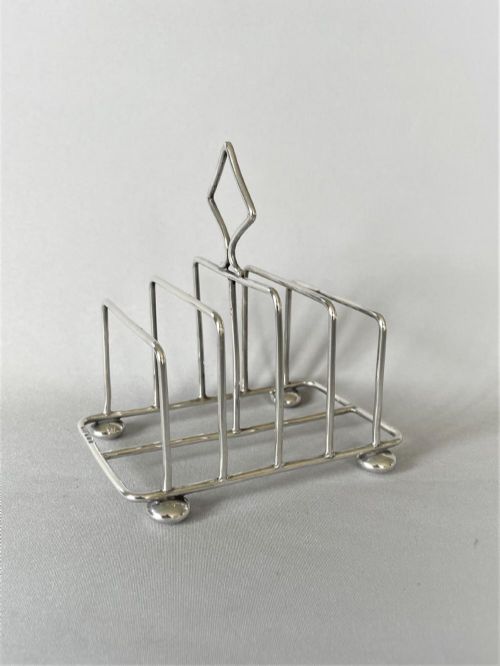
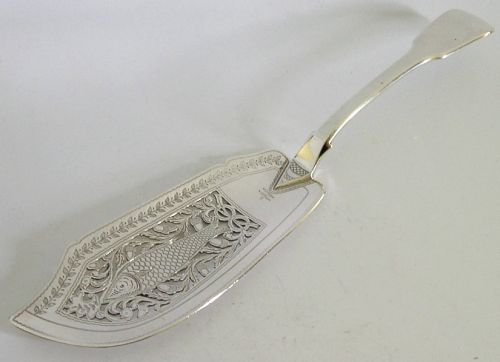
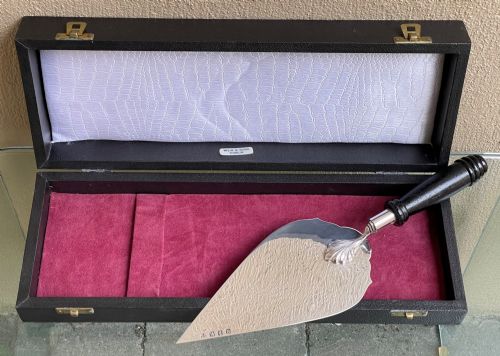
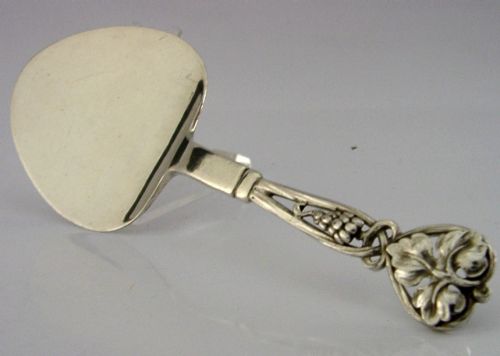
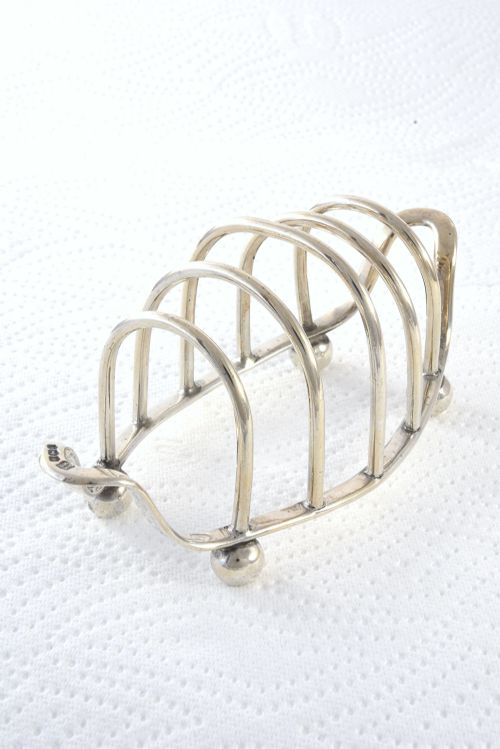
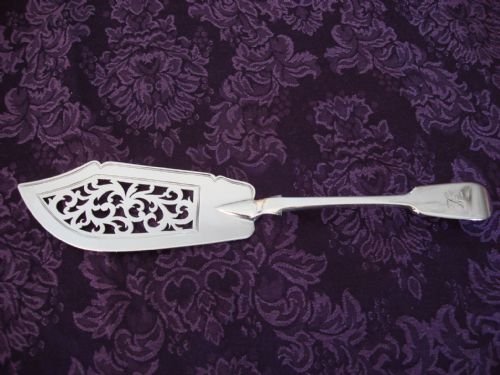
Fish slices dominate the selection, often featuring wide, pierced blades designed to drain liquid while lifting portions. Pastry and cake servers appear alongside presentation trowels and occasional toast racks.
Origins span English workshops in London and Ireland, alongside continental European makers in Germany, France and the Netherlands. Pieces range from plain sterling silver blades to ornate engraved designs.
Quality factors
The weight of the metal establishes the initial standard of quality, with heavier pieces offering greater rigidity in the hand. Thicker blades resist bending during use.
The precision of the piercing and engraving distinguishes finer work from simpler production. Crisp cutouts and deeply carved handles reflect the skill of the silversmith.
Thomas Daniell·George Adams·Charles Boyton·Liberty and Co
The Solid Silver Server Slice Glossary
- Sterling silver
- A silver alloy containing 92.5 percent pure silver by mass, with the remainder consisting of other metals like copper.
- Pierced blade
- A metal surface perforated with cut-out patterns, designed to reduce weight and allow liquid to drain.
- Presentation trowel
- A ceremonial or commemorative trowel fashioned in silver, distinct in shape from standard dining slices.
- Hallmark
- A series of official marks stamped on items to show the metal purity, place of assay, and year of making.
Solid Silver Server Slice: Frequently Asked Questions
What is a solid silver server slice used for?
These utensils serve specific foods at the table, primarily fish, cake, pastry and ice cream. Their wide blades support delicate portions without breaking them.
Historical examples often served specific courses during formal dinners, reflecting the structured dining habits of the Georgian and Victorian eras.
How do I tell a fish slice from a cake server?
Fish slices generally feature broader, heavily pierced blades designed to drain cooking liquids away from the portion. Cake and pastry servers tend to have slightly narrower or shaped blades suited for slicing baked goods.
Engraved motifs on the metal, such as fish or botanical designs, often indicate the intended culinary use of the piece.
Are these servers made of solid silver?
The listings comprise pieces made from sterling silver, 0.950 silver and European silver standards. The metal is solid throughout rather than plated.
Assay marks and hallmarks stamped into the metal verify the silver content and point to the year and origin of manufacture.
How should I care for silver serving pieces?
Regular use helps prevent tarnish buildup, while gentle washing in warm soapy water keeps the metal clean. Avoid abrasive cloths that might scratch the engraved surfaces.
Storing pieces in dry conditions protects the metal and any contrasting handle materials like ebony from environmental damage.