
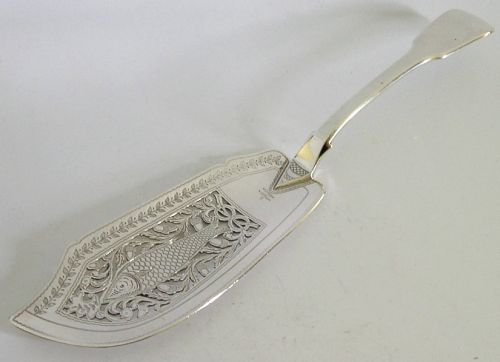
Georgian Flatware for Dining
Georgian flatware for dining brings solid silver serving pieces and cutlery to the table, offering tangible heritage and historic craftsmanship for modern meals.
Georgian Flatware for Dining
Georgian flatware for dining encompasses practical implements and serving utensils designed for the table during the eighteenth and nineteenth centuries. Buyers encounter specialised items such as marrow scoops, cheese scoops, fish slices, and canteens alongside standard table forks.
The pieces emerge from distinct reigns spanning the Georgian era into the William IV and Victorian periods. Sterling silver and silver plate dominate, frequently accompanied by steel blades, bone, horn, and fitted mahogany boxes.
Originating primarily from London and Dublin workshops, these items reflect the dining habits of past generations. Surviving examples range from boxed children's sets to robust game skewers and grape scissors.
How they were made
Silversmiths shaped sterling silver and silver plate through traditional hammering, casting, and piercing techniques to achieve the desired forms. Handles often incorporate durable steel for cutting edges, or organic materials like bone and horn for grip.
Makers housed precision items in fitted wooden containers such as burr walnut or mahogany knife boxes lined with felt and leather. Expert metalworking created functional joints, engraved crests, and balanced weights suitable for regular dining use.
Listings span from the early eighteenth century through the Georgian and Victorian eras into the twentieth century, featuring sterling silver, silver plate, steel, bone, and mahogany.
What varies in quality
The standard of execution depends on the crispness of hallmarks, the weight of the silver, and the preservation of original engraved details. Pieces maintaining their structural integrity without excessive thinning from polishing demonstrate superior preservation.
Mastery is evident in the harmonious pairing of materials, such as secure joints between silver bowls and bone or horn handles. Complete original sets or boxes add substantive historical context compared to assembled or modified groupings.
Jonathan Hayne·Charles Reily and George Storer·Thomas Johnson
The Georgian Flatware for Dining Glossary
- Flatware
- Utensils used for eating and serving food at the table. This term covers everything from forks and spoons to specialised slicing implements.
- Marrow scoop
- A narrow, double-ended utensil designed for extracting bone marrow. Eighteenth-century examples often feature a smaller scoop at one end and a larger trough at the other.
- Stilton scoop
- A specialised tool created for serving hard cheeses like Stilton. These typically feature a half-cylindrical blade to slide easily through the cheese.
- Hallmark
- An official stamp applied to precious metals indicating the standard of purity, the assay office, and the date letter. These marks provide precise chronological context for antique silver.
- Canteen
- A fitted box or case designed to store a complete set of cutlery. They are frequently lined with materials like felt and leather to protect the metal.
Georgian Flatware for Dining: Frequently Asked Questions
How do I clean antique silver flatware?
Wash silver gently in warm soapy water using a soft cloth, avoiding harsh chemical dips that strip historic patination. Dry thoroughly with a soft lint-free towel to prevent water spots.
Store pieces in tarnish-resistant cloth or dedicated canteens away from direct sunlight and humidity. Regular use helps maintain a natural, handling-softened lustre on the metal.
Can I use Georgian flatware for everyday dining?
Solid silver and silver plate from the Georgian period remain structurally robust enough for regular meals. Hand washing is essential, as modern dishwashers warp organic handles and damage historic finishes.
Steel components require prompt drying after use to prevent rust. Treating these items with care ensures they continue to serve dining tables for decades.
What is the difference between sterling silver and silver plate?
Sterling silver contains a guaranteed high proportion of pure silver throughout the entire object, marked by official assay stamps. Silver plate consists of a base metal core coated with a thin layer of silver.
Heavier items often utilise plated construction for cost and durability during the nineteenth and twentieth centuries. Hallmarks on solid pieces reveal the specific town and year of creation.
How can I tell the period of a piece?
Examine the stamped hallmarks for date letters and maker's marks that correlate with historical assay office records. Stylistic traits, such as Hanoverian patterns or specific handle shapes, also indicate the era of manufacture.
Material composition provides further clues, as bone and certain steel techniques align closely with eighteenth and nineteenth-century workshops. Comparing forms against dated examples helps confirm the age.