



Solid Silver Pocket Watch
A solid silver pocket watch is a mechanical timepiece housed in a precious metal case, desired for its craftsmanship and historical weight.
Solid Silver Pocket Watch
When you search for a solid silver pocket watch, you encounter timepieces produced from the nineteenth century through the interwar years. The selection spans open-face and hunter designs, alongside the silver chains and fobs that once secured them to a waistcoat. These objects originate from British assay offices and continental workshops alike.
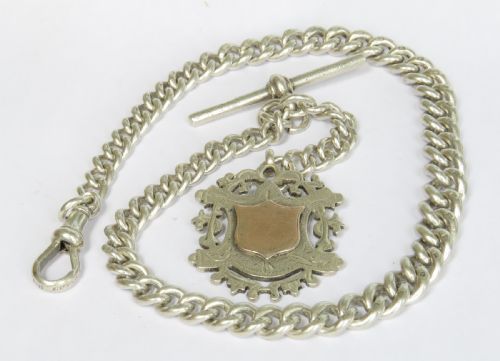
The version you are most likely to meet on this page is a nineteenth or early twentieth-century pocket watch, frequently accompanied by an albert chain or seal fob. Names such as JW Benson, Omega, and Meyer & Studeli appear alongside unbranded Swiss and English movements. The materials extend to sterling silver, augmented occasionally by rose gold accents, enamel, and brass internal components.
How they were made
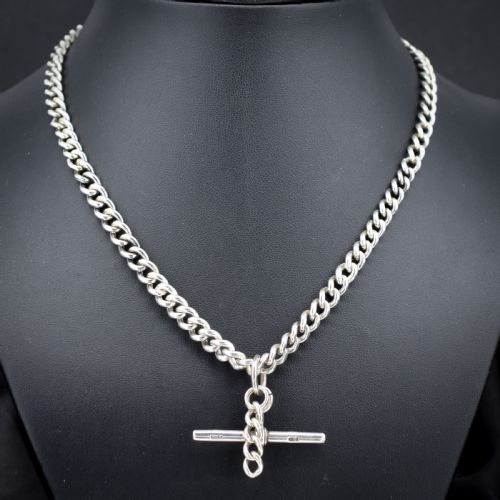
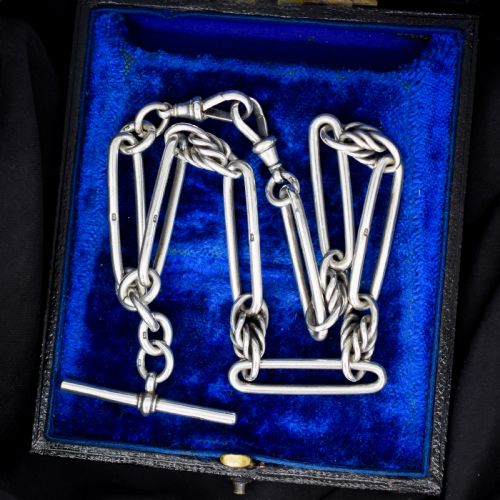
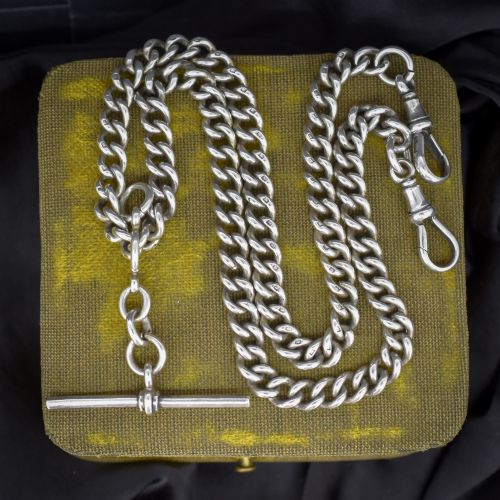
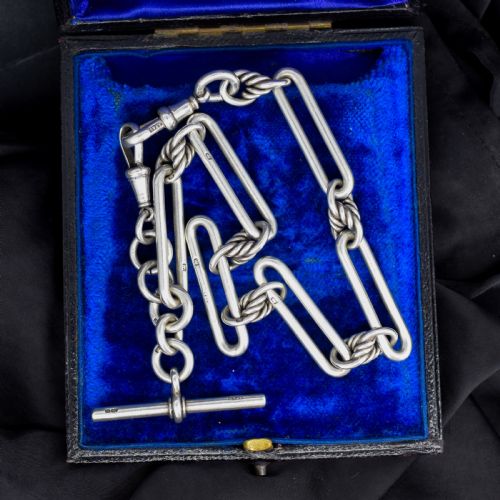
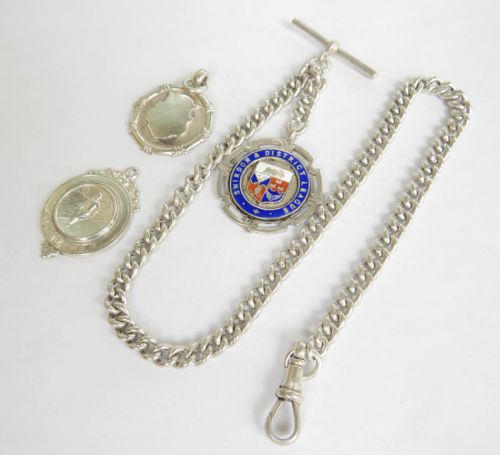
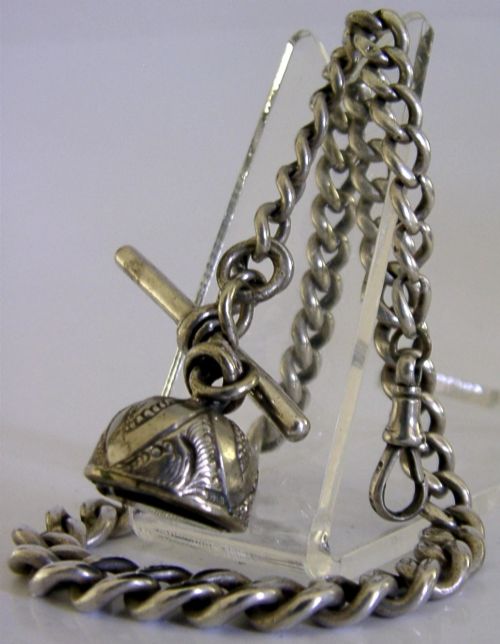
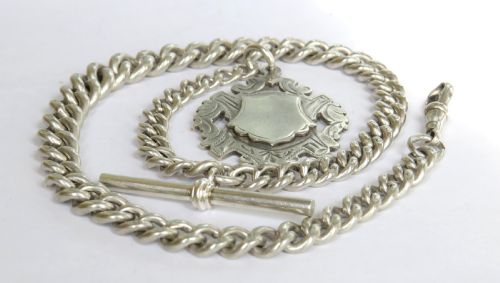
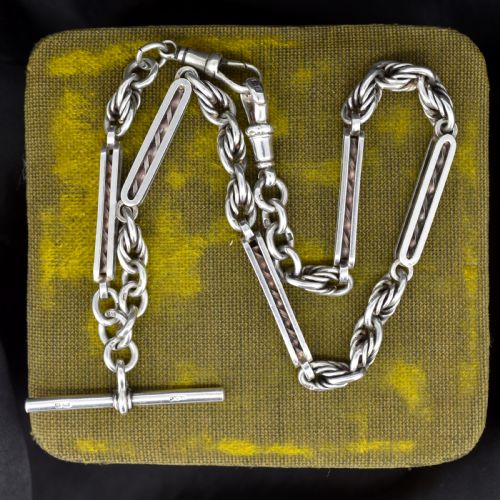
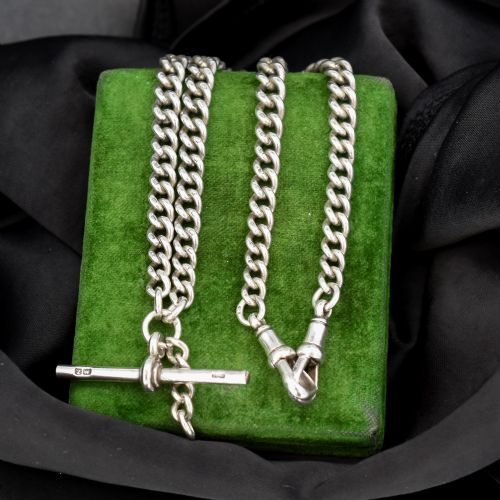
Chains paired with these watches are constructed from linked silver components, such as curb, trombone, and uniform patterns, fitted with dog clips and t-bars. Brass and rose gold occasionally provide contrast within the construction of fobs, watch stands, and internal mechanisms. Glass protects the watch dials, cut and fitted precisely to the bezel of each case.
Some pocket watch chains incorporate love knot links, designed to symbolise affection while keeping timepieces secure.
What varies in quality
The distinction between tiers of these pieces rests upon the precision of the movement and the integrity of the silver case. Maker reputation plays a definitive role, with signed pieces from established firms demonstrating superior mechanical refinement over unmarked alternatives. Weight and gauge also separate ordinary items from heavier, substantial double albert chains and fusee chronograph watches.
Preservation of original components, such as matching assay marks on watch cases and fitted movements, elevates a piece. The crispness of hallmarks and the survival of delicate enamel dials without hairline fractures further distinguish superior examples from heavily worn specimens.
JW Benson·Meyer & Studeli·Omega
The Solid Silver Pocket Watch Glossary
- Albert chain
- A chain attached to a pocket watch, designed to pass through a waistcoat buttonhole and secure to a pocket. Double albert versions feature two strands dropping from a central T-bar.
- Assay mark
- A stamp applied to precious metals by an official office to guarantee the fineness of the silver. These marks typically include a maker's mark, standard mark, and date letter.
- Fusee
- A conical pulley mechanism inside older pocket watches that equalises the driving force of the mainspring as it unwinds. This system improves timekeeping accuracy across the power reserve.
- Half hunter
- A pocket watch featuring a case with a glass or open centre in the front cover, allowing the user to read the hands without opening the case entirely.
- T-bar
- The crossbar at the end of a watch chain used to anchor the chain securely through a buttonhole. It is a standard feature on nineteenth and early twentieth-century albert chains.
Solid Silver Pocket Watch: Frequently Asked Questions
How do I wind an antique pocket watch?
Most pocket watches require the crown to be turned clockwise until gentle resistance is felt, indicating the mainspring is fully wound. Some nineteenth-century pieces require a separate key inserted into the back dust cover to wind the movement.
Care must be taken not to overwind the watch, as this can strain the internal spring. Regular, gentle winding keeps the mechanical gears functioning smoothly.
What is an albert chain used for?
An albert chain secured a pocket watch to a gentleman's waistcoat, preventing the timepiece from falling. The T-bar fastened through a buttonhole while the watch itself rested in the pocket.
These chains often held decorative fobs, seals, or sovereign cases alongside the watch. Today, they are frequently worn as necklaces or chokers.
How do I read silver hallmarks?
British hallmarks consist of a series of tiny stamped symbols indicating the assay office, the silver purity, and the year of manufacture. A lion passant typically denotes sterling silver, while a town mark reveals where the piece was tested.
Date letters change with each assay year and cycle through different alphabet fonts. Reference tables assist in matching these letters to specific decades.
Can I wear a pocket watch chain as a necklace?
Many collectors and jewellery wearers adapt antique watch chains to be worn around the neck. The lengths of these sterling silver chains suit contemporary styling as necklaces or chokers.
Original dog clips and t-bars provide functional clasps and decorative drops when worn this way. The substantial weight of curb and trombone links makes them durable for daily wear.