
Solid Silver Holder
A solid silver holder serves daily domestic life as everything from a menu stand to a desk accessory.
Solid Silver Holder
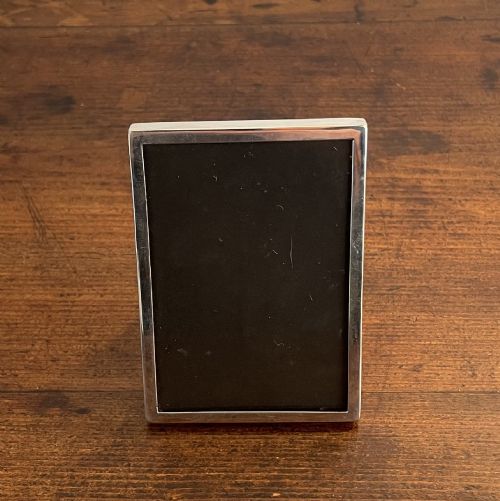
A solid silver holder encompasses functional table items and desk accessories shaped from precious metal. The selection spans the Victorian, Edwardian, and mid-century periods, capturing shifts in domestic habits and dining customs.
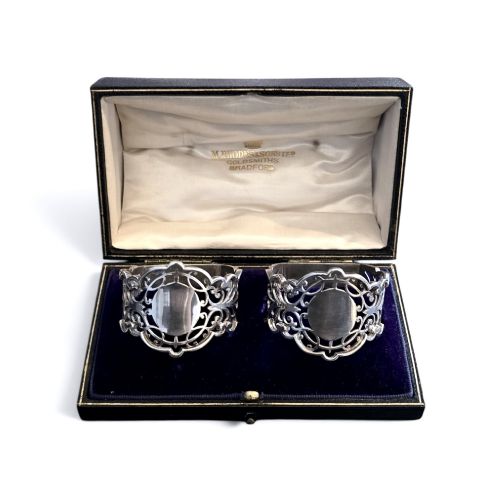
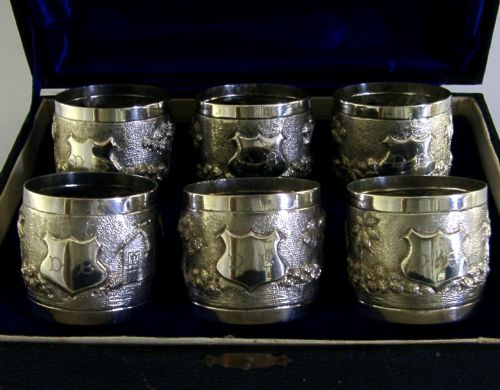
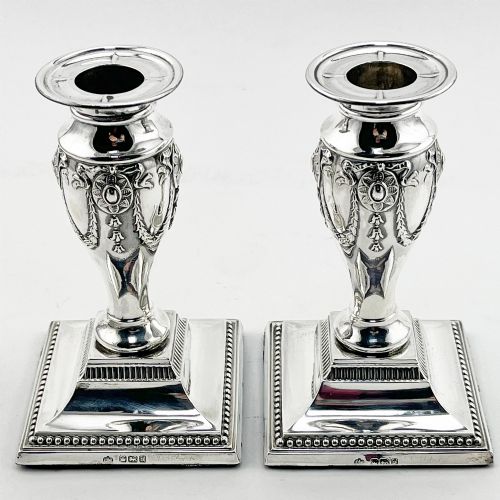
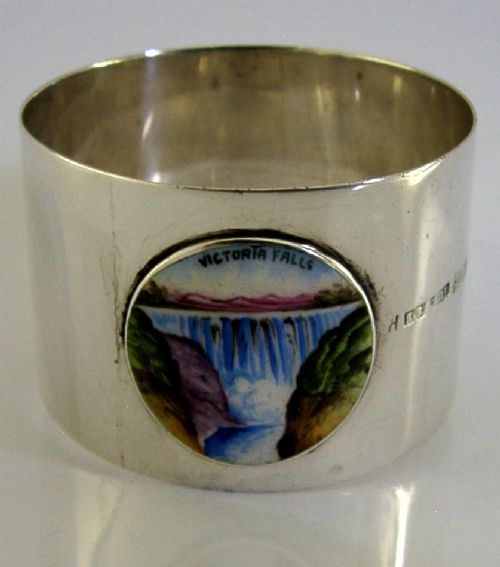
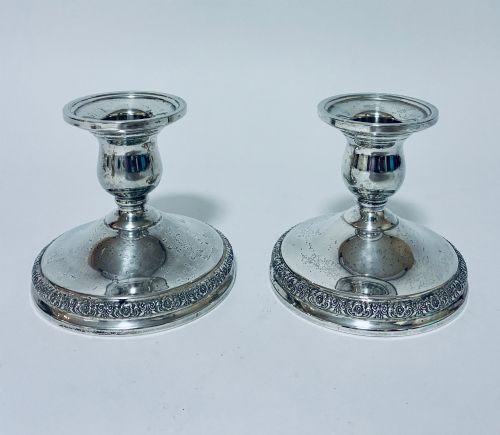
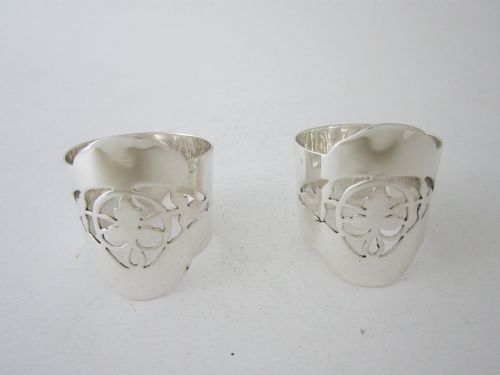
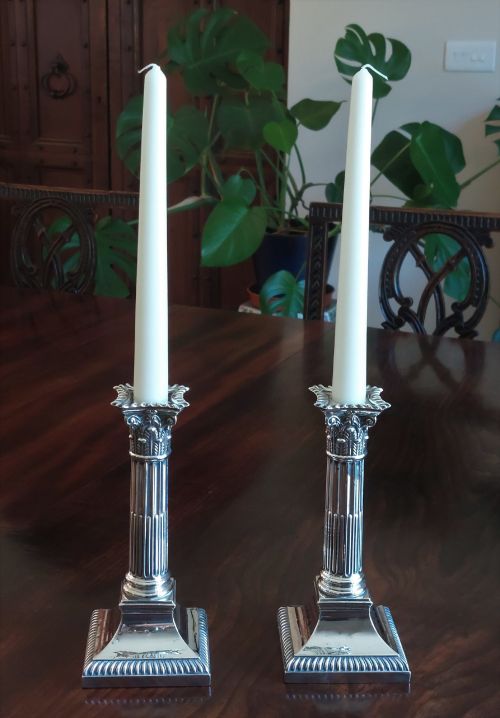
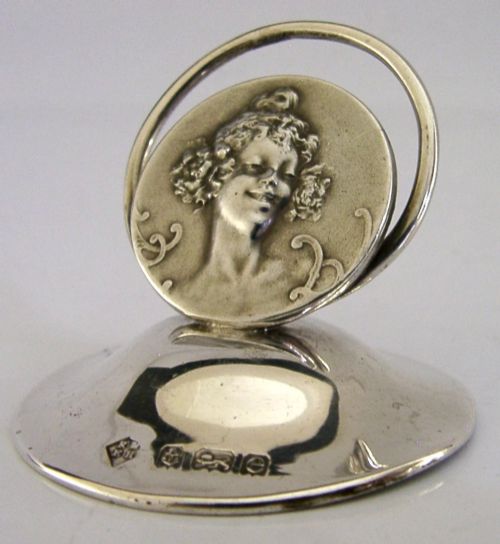
Napkin rings, menu holders, and candlesticks emerge most frequently among the listings, alongside desk items and small cases. Buyers encounter matching sets as well as singular novelty pieces shaped as owls or jesters.
How they were made
Silversmiths utilised sterling silver and .935 silver, frequently shaping the metal through stamping, casting, or hammering. Artisans also incorporated secondary materials such as enamel, velvet, wood, and leather to line or accent the silver framework.
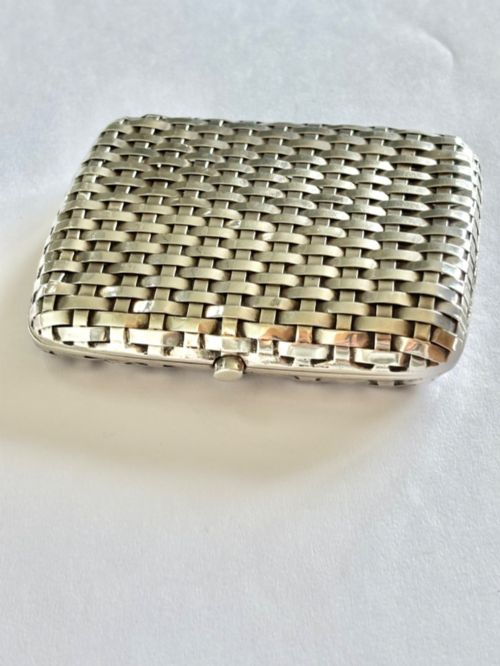
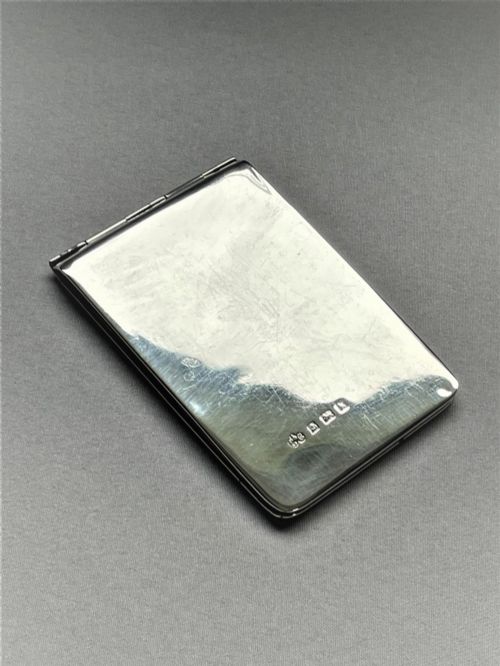
Makers applied decorative techniques ranging from basket weave patterns to applied cast motifs. Hallmarks stamped directly into the metal record the assay office, maker's mark, and date letter.
Silver owls and jester figures double as menu holders and wax seal keepers, watching over the dining table.
What varies in quality
Quality rests upon the crispness of the initial cast work and the depth of hand-hammered or engraved detailing. Items featuring sculptural novelty designs or signed maker marks demonstrate greater care in production.
The weight of the silver and the structural integrity of hinges or weighted bases distinguish finer examples from standard utility pieces. Preserved original fitted cases further elevate the standing of a piece.
Elkington & Co·Garrard & Co·Fritz Bemberg·Albert Edward Jones·Levi & Salaman·Sampson Mordan·R. E. Stone
The Solid Silver Holder Glossary
- Sterling silver
- An alloy containing 92.5 percent silver by mass, with the remainder consisting of other metals like copper. This standard composition forms the primary material for the majority of these items.
- Hallmark
- A series of official marks stamped on precious metal items to guarantee the purity of the metal. These stamps typically identify the maker, assay office, and year of manufacture.
- Assay office
- An organisation charged with testing the purity of precious metals and applying statutory hallmarks. Towns such as Birmingham and Sheffield housed notable offices active during these periods.
- Novelty
- An object shaped into an amusing or unusual form, such as an animal or a jester. These sculptural pieces were popular in silver workshops for domestic display.
- Cruet
- A small container or set of containers used for holding condiments or eggs at the dining table. They frequently incorporate framed silver stands.
Solid Silver Holder: Frequently Asked Questions
How do I identify the date of a silver holder?
Dates are read through the hallmarks stamped directly into the silver, which include a specific letter corresponding to the assay year. Comparing the maker mark and town mark against standard register books reveals the exact year of manufacture.
Style indicators such as Art Nouveau curves or Arts & Crafts hammering also provide a reliable guide to the period of origin.
Are these items made of solid silver?
The listings consist of sterling silver and higher purity silver alloys rather than plated base metals. Candlesticks and certain weighted items contain internal reinforcement while retaining a solid silver exterior shell.
Assay marks stamped onto the pieces guarantee the standard of the precious metal used by the silversmith.
How should I care for antique silver holders?
Regular dusting with a soft cloth prevents dust accumulation in recessed engraved or hammered details. When polishing becomes necessary, a gentle silver cream applied sparingly preserves the definition of the metalwork.
Avoiding harsh chemical dips protects any applied enamel or secondary materials like velvet and leather from permanent damage.