



Solid Silver Gilt Spoon
When you handle a solid silver gilt spoon, you hold an object where precious metal meets careful gilding.
Solid Silver Gilt Spoon
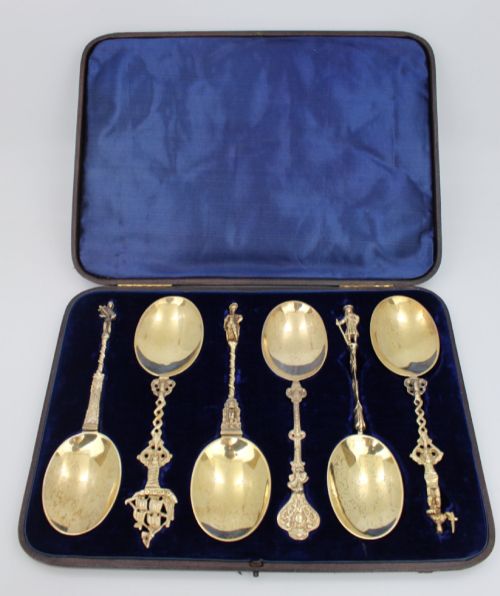
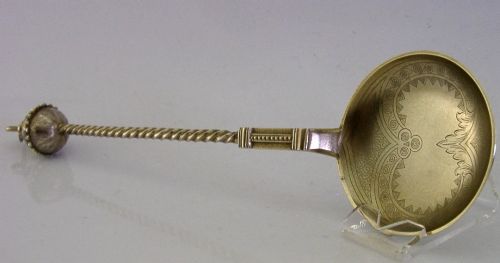
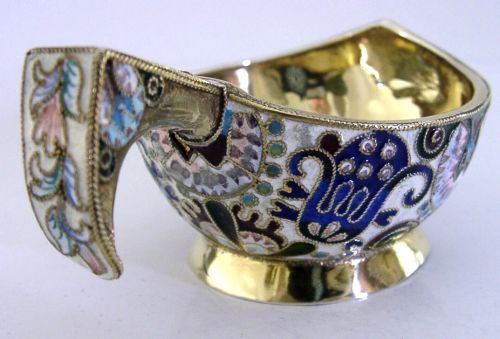
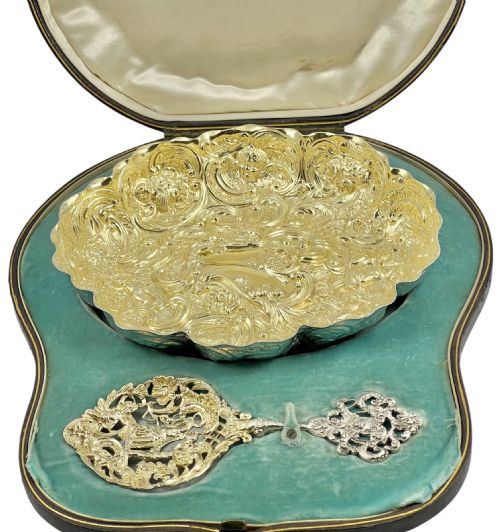
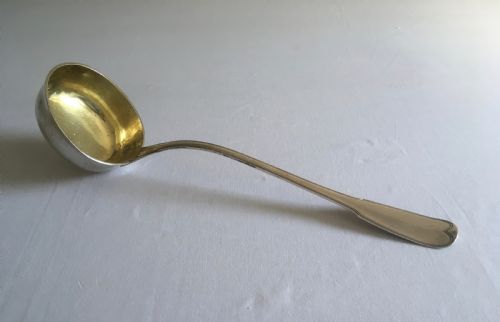
A solid silver gilt spoon is an eating, serving or ceremonial implement fashioned from silver and coated in a thin layer of gold, often termed vermeil. The selection on this page ranges from Georgian sugar shifters and Victorian naturalistic leaf designs to Edwardian items and Imperial Russian cloisonne enamel pieces.
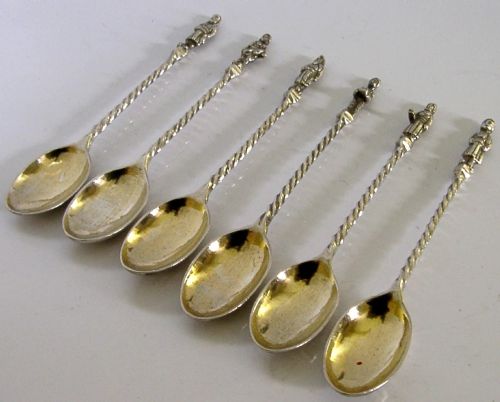
You will encounter various forms, including caddy spoons, baptism spoons, apostle spoons and larger serving ladles. The materials span sterling silver, solid silver and silver-gilt, occasionally accompanied by enamel work.
Origins stretch across Britain, Russia, Germany, France, Denmark and the Ottoman Empire, representing production periods from the nineteenth century through to the mid-twentieth century.
How they were made
Makers utilised solid silver or sterling silver as the structural base for these items, shaping bowls and handles through casting, hammering or embossing. Some pieces incorporate detailed figural elements or naturalistic leaf and vine motifs.
The gilding process applied a fine layer of gold over the silver surface, either through traditional fire gilding or later electroplating methods. Additional decoration frequently involved polychrome cloisonne enamel work fused to the metal surface.
Among the functional flatware, bear and bird serving spoons appear alongside medical kits and picture bowls.
What varies in quality
The distinction between standard examples and superior pieces rests in the crispness of the chasing and the depth of the embossing. Hand-worked details on figural scenes or naturalistic leaf patterns require a high degree of silversmithing skill.
The preservation of the gold wash or vermeil surface directly affects the visual impact of a piece, alongside the integrity of any applied enamel work. Maker marks and clear hallmarks also contribute significantly to the standing of an item.
Vasily Agafonov·Sebastian Crespell·Francis Higgins·Charles Boyton·Henry William Curry·Pierre Queille·Aldwinckle and Slater
The Solid Silver Gilt Spoon Glossary
- Silver-gilt
- Silver that has been coated with a thin layer of gold on its surface. This finish is also frequently referred to as vermeil.
- Cloisonne
- An enamel technique where thin metal wires are soldered to the metal base to create compartments filled with coloured glass paste. These are then fired to produce a smooth, decorative surface.
- Caddy spoon
- A short spoon specifically designed for measuring tea leaves from a caddy. They often feature shovel bowls or shell-shaped designs.
- Parcel gilt
- An object made of silver where only specific areas, such as the interior of a bowl or decorative highlights, are gilt. The remaining silver surface is left untreated.
- Chasing
- A metalsmithing technique where designs are hammered into the front surface of the metal to sink it rather than cut away material. It creates raised relief patterns without losing metal weight.
Solid Silver Gilt Spoon: Frequently Asked Questions
What is a solid silver gilt spoon?
A solid silver gilt spoon is a piece of flatware constructed from silver and finished with a gold wash over the surface. This treatment protects the silver from tarnishing while offering the rich appearance of gold.
Such spoons were produced in various forms, from small teaspoons and sugar sifters to large baptismal and serving spoons across different European countries.
How were silver gilt spoons used?
These spoons served both utilitarian and ceremonial purposes in domestic and religious settings. Smaller examples functioned at the tea table for sugar and tea, while large serving ladles and baptismal spoons marked important family events.
Enamelled and decorative versions were often displayed as items of wealth or kept in fitted cases for special occasions.
How do I care for a silver gilt spoon?
Care requires gentle handling to preserve the delicate gold layer over the silver base. Harsh silver dips and abrasive cleaning cloths will strip away the gilding over time.
Warm water, mild soap and a soft cloth are sufficient for cleaning. Storage in a dry environment prevents unnecessary wear to the metal.
How can I tell the period of a spoon?
Dating relies primarily on official hallmarks stamped into the silver, which record the assay office, the year of production and the maker's mark. Stylistic indicators, such as Victorian naturalistic leaf motifs or Georgian rococo decoration, also point to specific eras.
Comparing construction techniques and the presence of specialised finishes helps confirm the manufacturing period.