

Solid Silver Centerpiece
A solid silver centerpiece brings formal proportion and reflective weight to a dining table, anchoring the room with historical metalwork.
Solid Silver Centerpiece
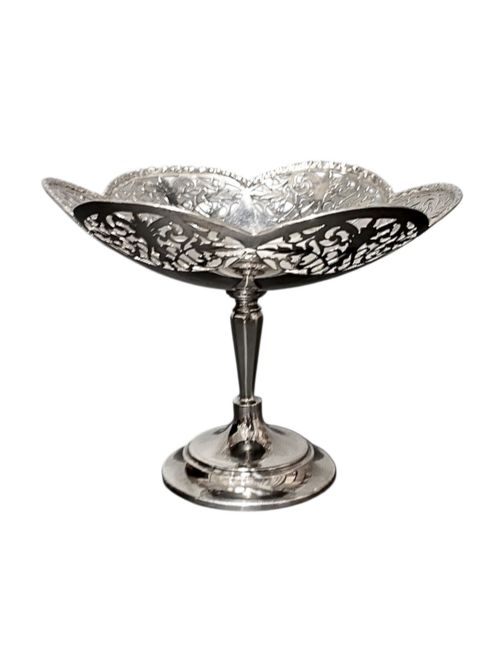
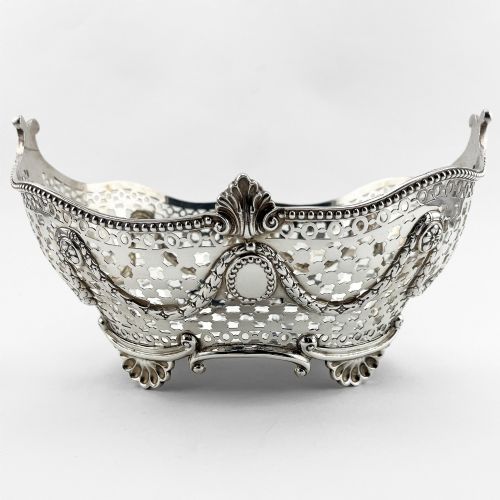
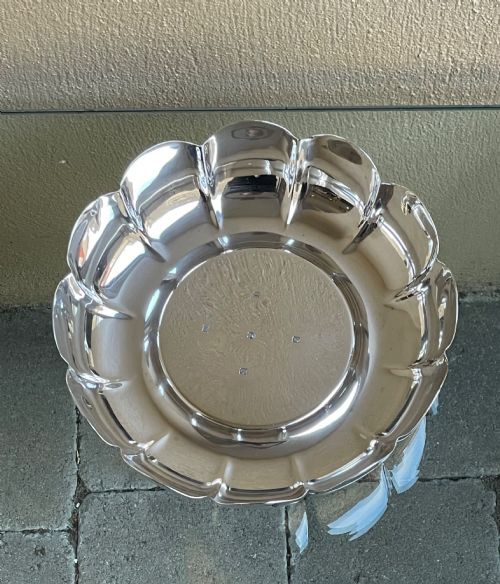
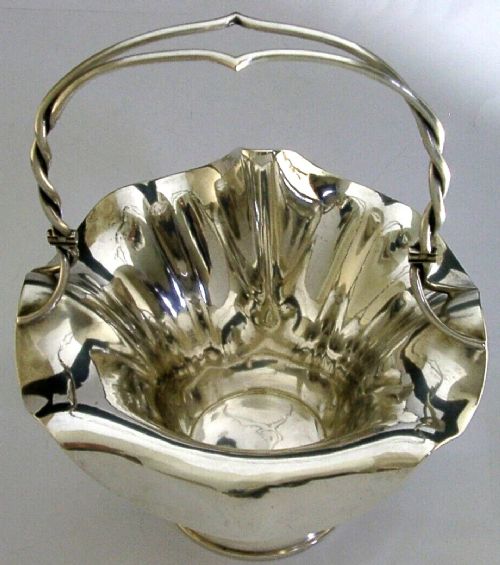
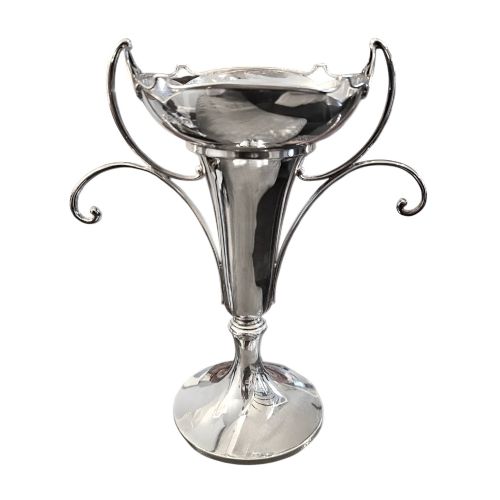
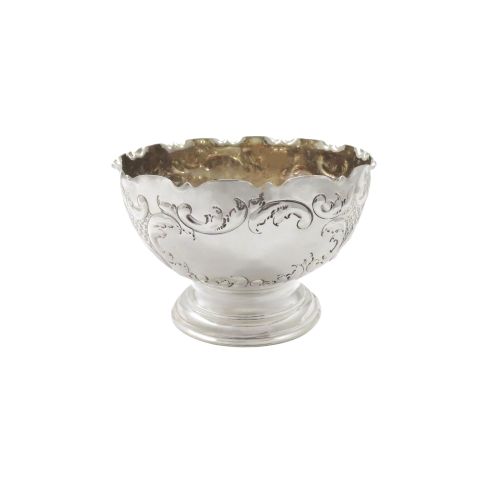
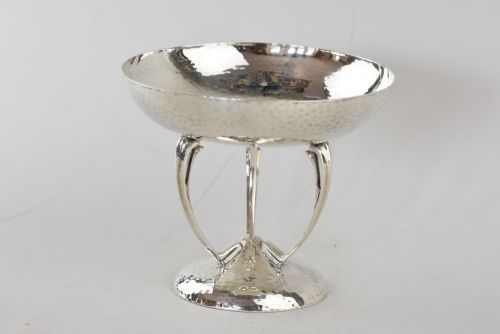
A solid silver centerpiece typically takes the form of a substantial bowl, basket, tazza, or multi-branch epergne designed to command the middle of a table. The inventory spans the Victorian, Edwardian, and Georgian eras, alongside distinctive mid-twentieth-century pieces and international regional work.
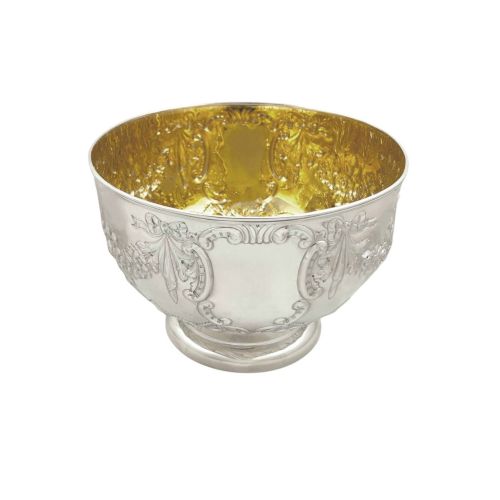
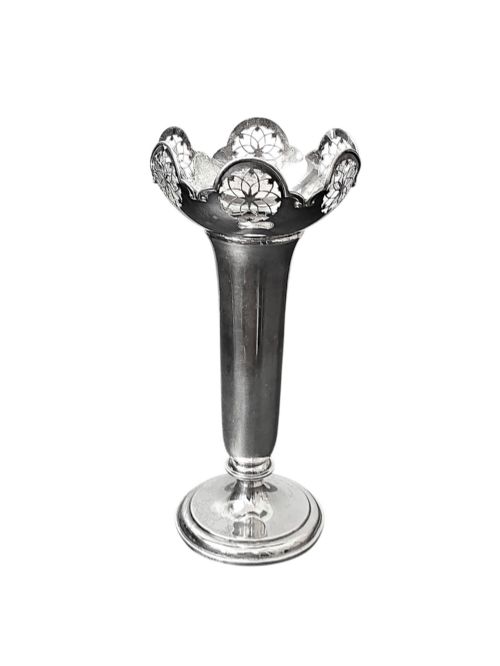
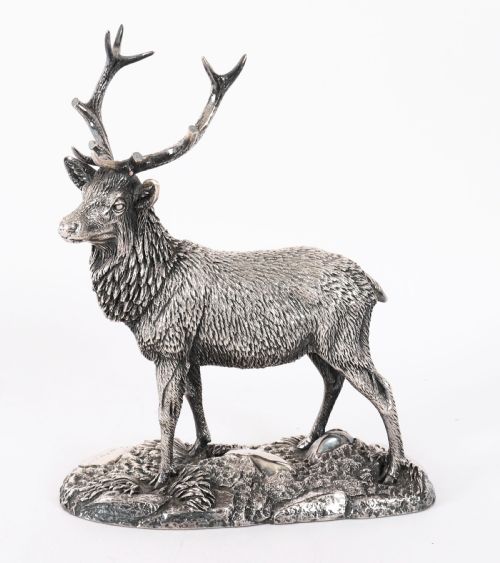
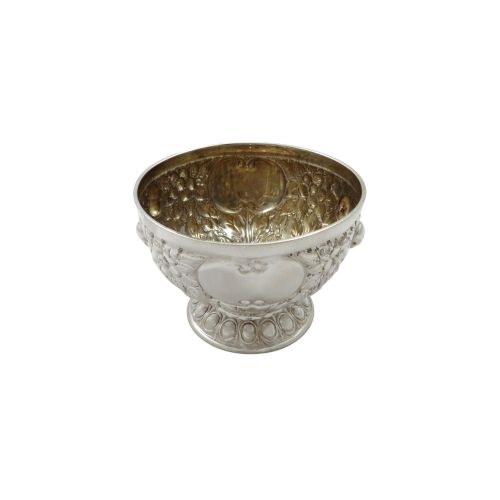
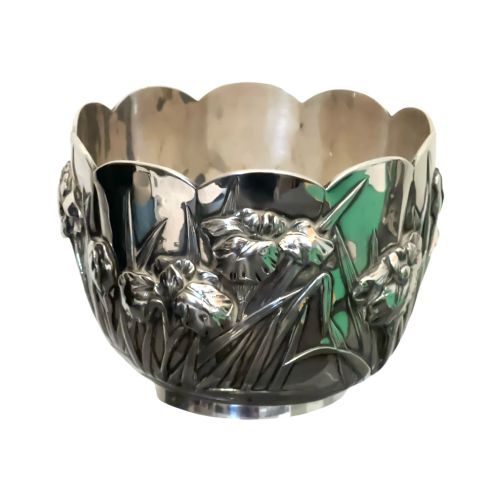
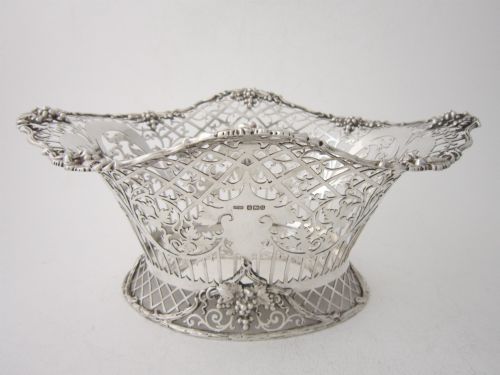
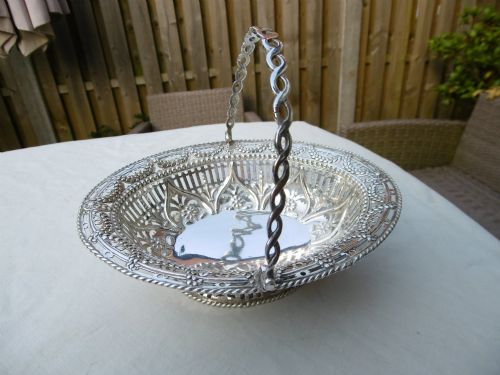
Buyers will most frequently encounter Edwardian and Victorian examples on this page, often featuring pierced lattice work, swung handles, or heavy repoussé floral ornamentation. These domestic table focal points frequently include variants on pedestals or feet, ranging from simple circular bases to elaborate animalier sculptures and figural supports.
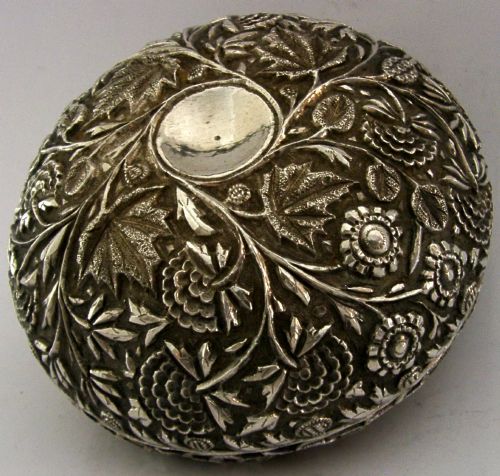
Regional and international varieties appear alongside British factory output, including Anglo-Indian, Burmese, Thai, and Austro-Hungarian pieces. These geographical styles introduce alternate decorative vocabularies such as dense wirework, intricate hand-chased figures, and heavy regional gauge silver.
Materials and Technique
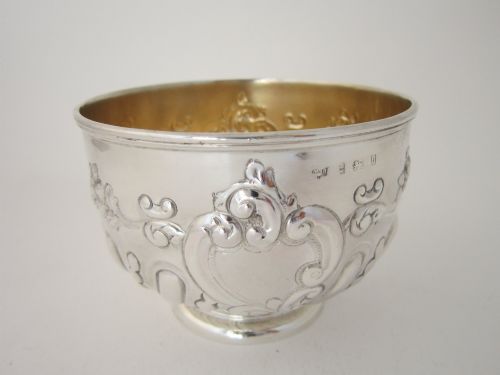
Silversmiths utilised sterling silver and solid silver as the primary mediums, frequently combining the metal with coloured glass liners or gilding the interior surfaces as silver-gilt. Construction methods balanced structural integrity with ornamentation, relying on heavy gauge metal for large pedestals and substantial bowls.
Techniques recorded across the evidence include planished hammering, hand-chasing, pierced fretwork, and detailed repoussé work. Arts and Crafts examples showcase visible hammer marks from hand-working, while Rococo Revival and Edwardian pieces employ deep embossing and cast elements to achieve elaborate floral motifs.
Solid Silver Centerpiece Retail Price Guide 2026
Typical asking prices for solid silver centerpiece among the pieces listed under this phrase on Sellingantiques today, from the lower quarter to the upper quarter. They describe what is for sale here now, not the wider market.
Several silver centerpieces take unexpected animal forms, including standing fighting cockerels and a detailed Viking longship dish.
Evaluating Quality
Quality rests upon the weight of the silver relative to the scale of the object, distinguishing substantial gauge metal from thinner pressed sheet work. Pieces carrying heavy gram weights maintain structural rigidity across wide spans and extensive pierced fretwork.
The precision and depth of the hand-craftsmanship dictate the distinction between standard production and exceptional silversmithing. Crisp relief in repoussé figures, clean piercing without distortion, and secure assembly of multi-light candelabra branches separate standard factory output from master workshops.
Tom Mackie·Goldsmiths and Silversmiths Company·Fenton·William Comyns·James Deakin and Sons·William Hutton and Sons·Charles Stuart Harris·Joseph Rodgers
The Solid Silver Centerpiece Glossary
- Tazza
- A shallow bowl or ornamental cup raised upon a high foot or pedestal. These elevated vessels often feature decorative borders and hammered surfaces.
- Repoussé
- A method of shaping metal from the reverse side by hammering and punching to form a raised design on the front. This technique creates high-relief floral and figural ornamentation.
- Epergne
- A large table centrepiece featuring a central basket or bowl surrounded by multiple smaller hanging baskets or arms. They served formal dining tables for holding fruit, sweetmeats, or flowers.
- Pierced
- Metalwork perforated with decorative cut-out patterns such as lattices, frets, or geometric grills. This technique lightens the visual weight of large silver baskets and dishes.
- Silver-gilt
- Silver that has been coated with a thin layer of gold on its surface, often applied to the interior of bowls to prevent tarnishing from acidic foods.
Solid Silver Centerpiece: Frequently Asked Questions
How were centerpieces used historically?
Historical dining rooms relied on these large silver vessels as the visual anchor of the table setting. Servants loaded them with seasonal fruits or floral arrangements for the duration of the meal.
Multi-branched epergnes and candelabra additionally held candles to illuminate the table while guests dined, combining lighting with decorative display.
How do I date a silver centerpiece?
Dating relies heavily on the hallmarks stamped into the metal, which record the assay office, the maker's mark, and a specific date letter for the year of manufacture. Examining the style provides secondary evidence.
Victorian pieces often lean towards heavy floral repoussé, whereas Edwardian and Arts and Crafts examples frequently showcase clean pierced lattice work or hand-hammered surfaces.
How do I care for silver on display?
Maintaining solid silver requires gentle cleaning with dedicated silver polish to remove tarnish without abrading the finer details of hand-chased work. Storing or displaying pieces away from direct sunlight and damp environments prevents rapid oxidation.
Regular handling with clean cotton gloves keeps natural skin oils from marking the polished surfaces of heavy bowls and baskets.