






Solid Silver Bird
These solid silver bird figures range from delicate Edwardian pin cushions to substantial mid-century cockerels, capturing wildlife in precious metal.
Solid Silver Bird
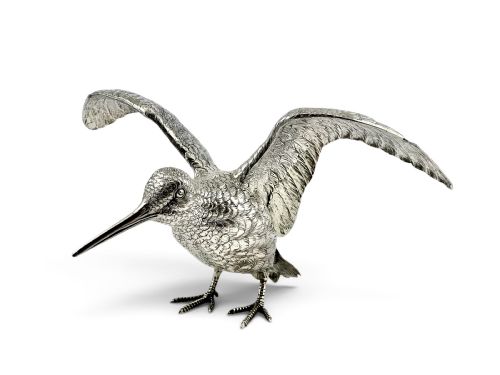
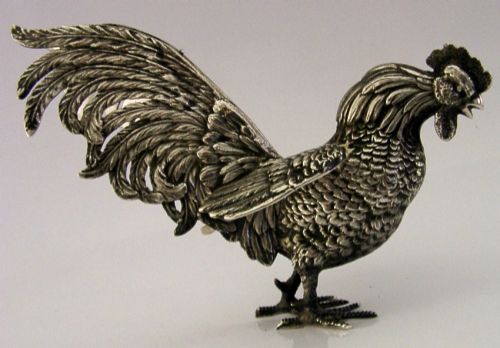
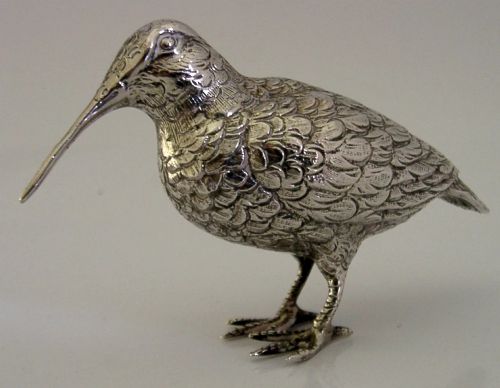
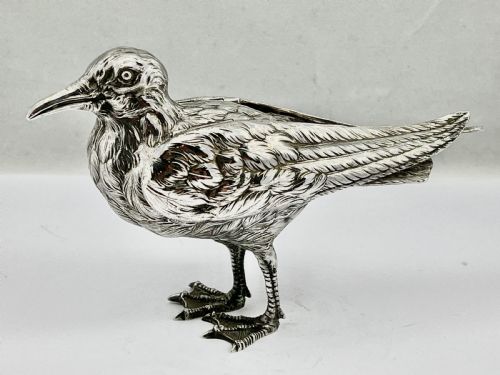
A solid silver bird brings miniature ornithological studies and table ornaments into domestic interiors, taking the form of pheasants, woodcocks, cockerels, grouse, and owls. You will encounter these pieces across Victorian, Edwardian, and mid-century periods, spanning English workshops and Continental makers alike.
The assortment includes functional table silver alongside pure display pieces, ranging from menu holders and pepper pots to pin cushions and snuff boxes. Victorian and Edwardian examples lean towards naturalistic bird models and nesting scenes, while later pieces often explore country pursuits and Continental figural groups.
Materials and construction
These items rely primarily on sterling silver, solid silver, and Continental grades such as 830 and 833 silver, sometimes paired with materials like glass or velvet. Makers utilised casting and detailed hand-chasing to render individual feathers, textured plumage, and realistic anatomical postures.
Heavier items employ cast silver for structural stability, particularly in larger animal models, snuff boxes, and paperweights. Smaller domestic accessories integrate specialised components like velvet for pin cushions and fitted internal compartments for caddies.
Solid Silver Bird Retail Price Guide 2026
Typical asking prices for solid silver bird among the pieces listed under this phrase on Sellingantiques today, from the lower quarter to the upper quarter. They describe what is for sale here now, not the wider market.
Object forms range from figurative menu holders and pepper pots to paperweights, snuff boxes, and letter openers.
Assessing craftsmanship and finish
Quality rests upon the crispness of the chaser's work and the fidelity of the bird's anatomy, distinguishing finely detailed feather engraving from softer, worn casting. Superior examples maintain balance and proportion in their stances, whether standing as a single figurine or functioning as a pepper pot.
The integrity of hallmarks and the preservation of original surface textures dictate the desirability of a piece. Finer items retain sharp detail across wings and talons without obscuring the maker's marks or the natural character of the metal.
Boaz Moses
The Solid Silver Bird Glossary
- Sterling silver
- A silver alloy containing 92.5 percent pure silver by mass, with the remainder consisting of other metals like copper. This standard forms the baseline for traditional British silver manufacture.
- Chasing
- A goldsmithing technique where metal is worked from the front using punches to sink the surface and create raised relief designs. It defines the feather texture on many bird models.
- Hallmark
- An official stamp applied by an assay office to indicate the purity of a precious metal, the maker, and the year of production. These marks authenticate the age and origin of antique silver.
- Pin cushion
- A small household accessory designed to hold sewing pins, frequently fashioned in the shape of animals with a velvet insert. Edwardian silversmiths often utilised bird forms for these items.
- Menu holder
- A small desk or table accessory featuring a weighted base and a clip to display dinner menus. Sets of these were cast as grouse or other game birds for formal dining.
Solid Silver Bird: Frequently Asked Questions
What types of birds appear most often?
Game birds and farmyard fowl dominate the selections, with woodcocks, pheasants, grouse, and cockerels appearing frequently across different eras. Swans and owls also emerge in specific domestic forms such as pin cushions and sugar boxes.
Craftsmen favoured species with distinct plumage that allowed for detailed chasing and realistic posturing in miniature scale.
How were these silver items used?
Many pieces served practical functions on the dining table or desk, acting as pepper pots, menu holders, letter openers, and caddies. Others functioned purely as decorative table ornaments, paperweights, or fitted boxes for snuff and sugar.
Domestic utility combined with sculptural display, turning everyday tablewares into miniature works of art.
How do I date a silver bird model?
Hallmarks stamped onto the silver provide the most reliable indicator, showing the assay office, date letter, and standard mark. Stylistic clues also help, as Victorian and Edwardian pieces often display more naturalistic feather detailing than later mid-century examples.
Examining the construction method and any associated boxes or mounts further clarifies the period of origin.
What is the difference between English and Continental silver?
English pieces typically carry sterling silver standard marks alongside town and date stamps regulated by official assay offices. Continental items frequently utilise different purity standards, such as 830 or 833 silver, and often bear distinct maker marks from manufacturing hubs like Hanau.
Both traditions produced exceptional bird figures, though their hallmarking systems and stylistic flairs reflect their respective regions.
How should I care for antique silver birds?
Gentle dusting with a soft, dry cloth preserves the fine chased details on the feathers without wearing down the high points of the metal. Aggressive polishing should be avoided to protect the original surface patination and any recessed dark details.
Displaying pieces away from direct heat sources and high humidity keeps velvet inserts and delicate soldered joints stable.