



Solid Oak Tavern Table
A solid oak tavern table offers honest timber and heavy proportion, built to anchor a room and endure generations of daily use.
Solid Oak Tavern Table
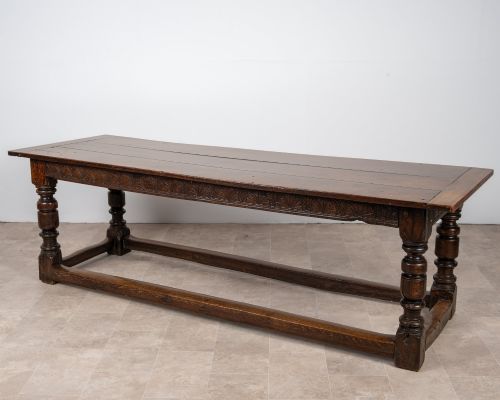
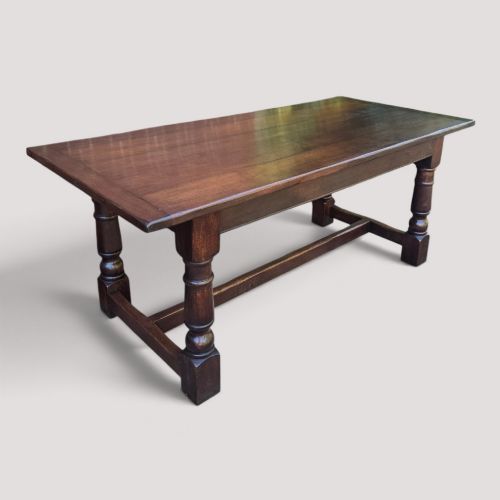
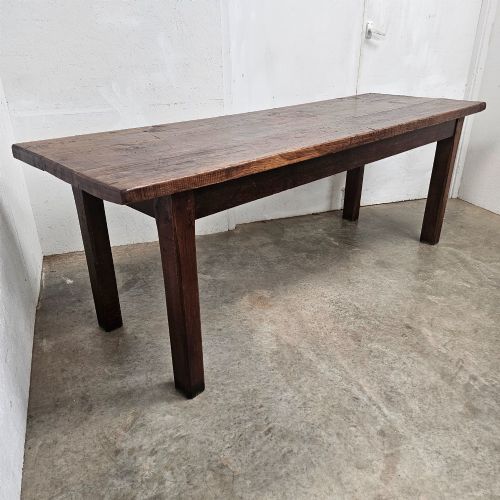
A solid oak tavern table brings substantial weight and enduring utility to an interior, built originally for communal spaces and domestic life. When you search for a solid oak tavern table, you encounter forms that span from the seventeenth century through to the nineteenth century, including regional refectory designs, cricket tables, and long benches. These pieces originate from English and French workshops, reflecting the vernacular furniture traditions of their respective periods.
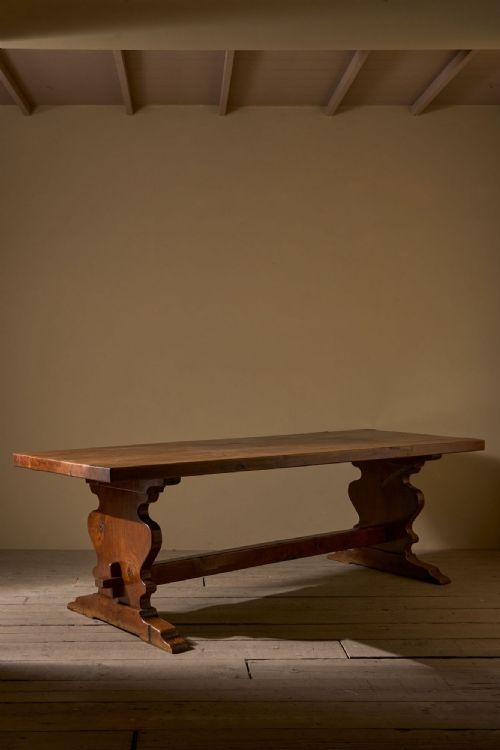
The examples available here lean heavily toward seventeenth-century forms, eighteenth-century side and centre tables, and nineteenth-century refectory dining tables. You find thick timber tops supported by robust legs, stretchers, and trestles designed to withstand heavy daily use. The regional styles vary from Jacobean heaviness to rustic farmhouse simplicity.
Judging quality in early tables
Quality rests upon the integrity of the original timber and the survival of untouched surfaces. A superior table retains its initial thickness in the top planks and shows honest wear rather than excessive modern intervention.
Proportion and structural balance separate standard utilitarian pieces from exceptional examples. The harmony between the heavy top and the supporting stretchers or legs dictates the visual success of the piece.
Solid Oak Tavern Table Retail Price Guide 2026
Typical asking prices for solid oak tavern table among the pieces listed under this phrase on Sellingantiques today, from the lower quarter to the upper quarter. They describe what is for sale here now, not the wider market.
Materials across these pieces focus on solid oak and iron, reflecting vernacular furniture traditions from England and France.
The Solid Oak Tavern Table Glossary
- Cricket table
- A small, light three-legged table originating in Britain. The three legs provide steady footing on uneven stone or earth floors.
- Trestle table
- A table consisting of two or more support frames connected by a longitudinal beam or stretcher. This design allows maximum legroom along the length of the top.
- Mortise and tenon
- A traditional joint where a projecting tongue fits snugly into a corresponding cavity. This method creates a rigid connection without relying on modern metal fasteners.
- Jacobean style
- A heavy, formal English design period characterised by dark oak, geometric mouldings, and turned supports. It reflects the architecture and decorative arts of the early seventeenth century.
Solid Oak Tavern Table: Frequently Asked Questions
How do I date an old oak table?
Dating relies on examining tool marks, joinery methods, and timber shrinkage patterns across the top and underframe. Seventeenth-century examples often display hand-split boards and pegged mortise and tenon joints.
Later nineteenth-century interpretations use more uniform machine-sawn timber and different fastening techniques. Comparing the wear patterns around the stretcher rails helps confirm the age of the piece.
Are these tables suitable for daily dining?
These tables function exceptionally well for daily meals, having been built originally for heavy communal use. The robust solid oak construction withstands regular family life and ages gracefully with further use.
Using heat-resistant mats protects the historic surface while allowing you to enjoy the timber every day. Maintenance simply requires a soft cloth and occasional natural wax nourishment.
What is the difference between a tavern and a refectory table?
Tavern tables tend to be more compact, serving as side or centre tables in public houses or smaller rooms. Refectory tables are longer and specifically designed as primary dining surfaces for larger gatherings.
Both forms utilise heavy solid oak construction and thick tops, but their overall proportions reflect their original domestic or commercial placement.
How do I care for a historic oak surface?
Preserving the surface involves avoiding harsh chemical cleaners and direct artificial heat sources that dry out the timber. Applying a traditional beeswax polish maintains the natural lustre of the oak.
Allowing the wood to breathe and settle in a stable room environment prevents warping and keeps the historic finish intact for the future.