
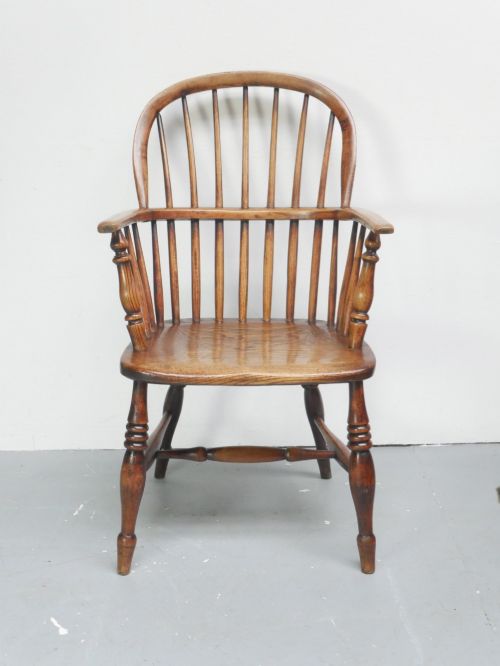
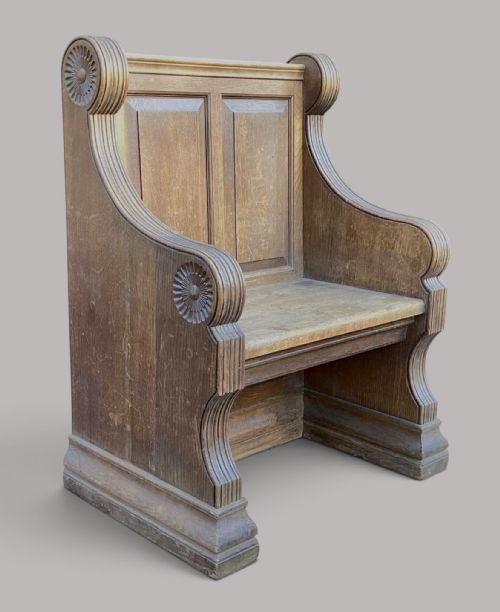
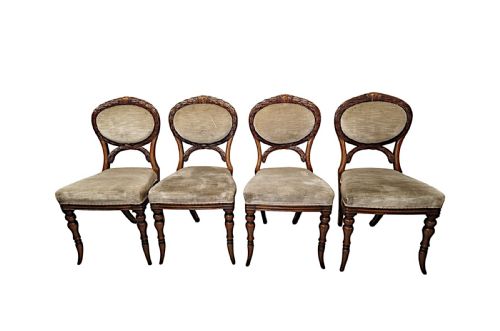
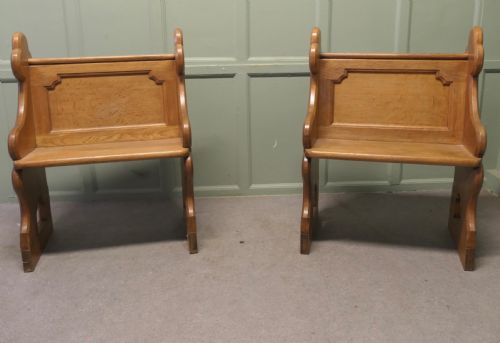
Solid Oak Carved Chairs
Solid oak carved chairs bring heavy timber and deep historic ornament straight into a room.
Solid Oak Carved Chairs
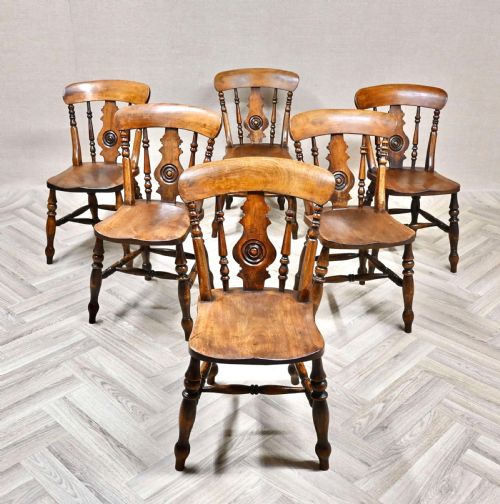
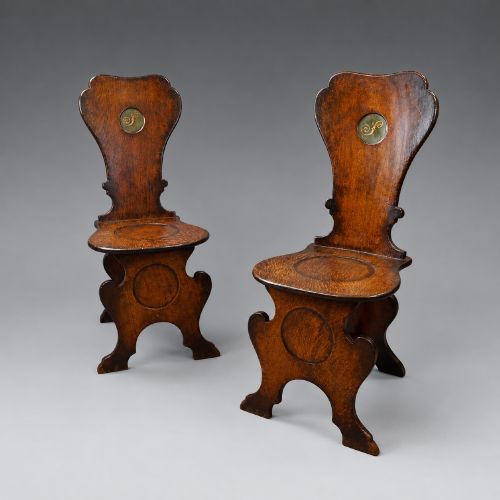
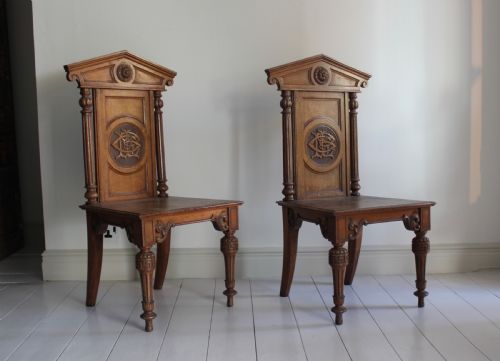
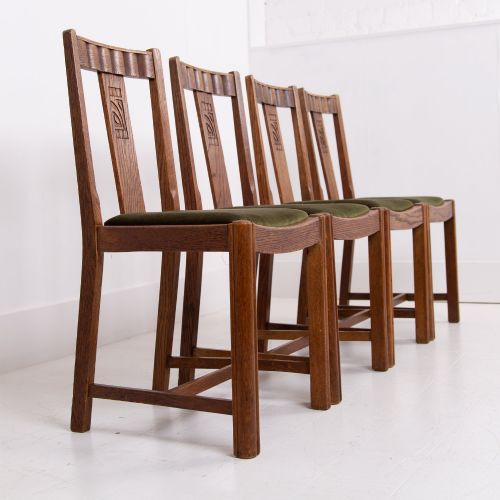
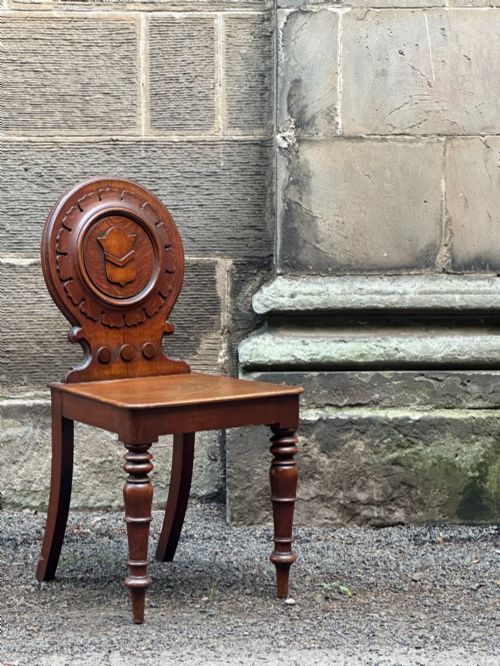
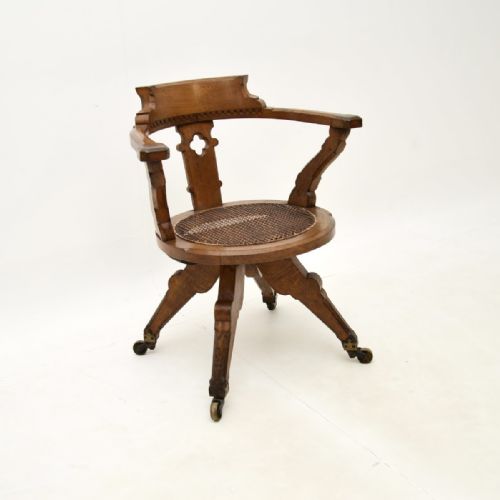
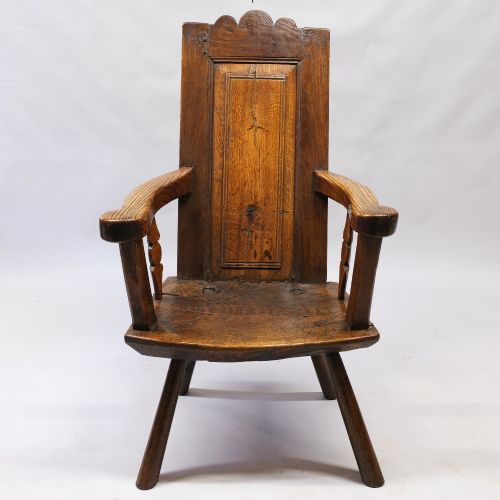
Solid oak carved chairs span several centuries of British and Irish cabinet making, appearing in forms from high-backed wainscot armchairs to heraldic shield-back hall chairs. These heavy timber seats often display revival styles, drawing heavily on Gothic, Jacobean, and Arts and Crafts design motifs.
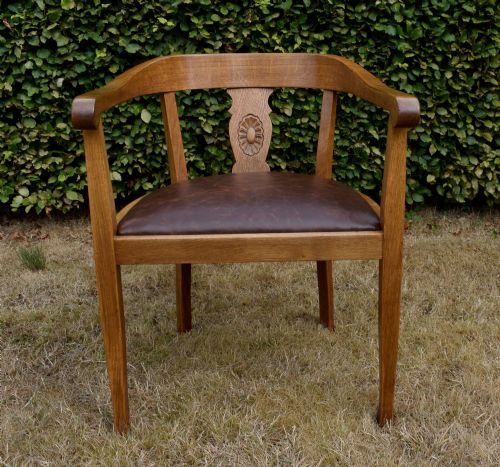
Buyers meet dining chairs, office armchairs, and hall seats most frequently on this page. Pieces range from straightforward country kitchen seating to architectural chapel thrones and formal library chairs.
The material remains consistent across the eras, utilising sturdy heartwood whether shaped in the seventeenth century or reproduced during the Victorian and Edwardian periods.
Quality differences
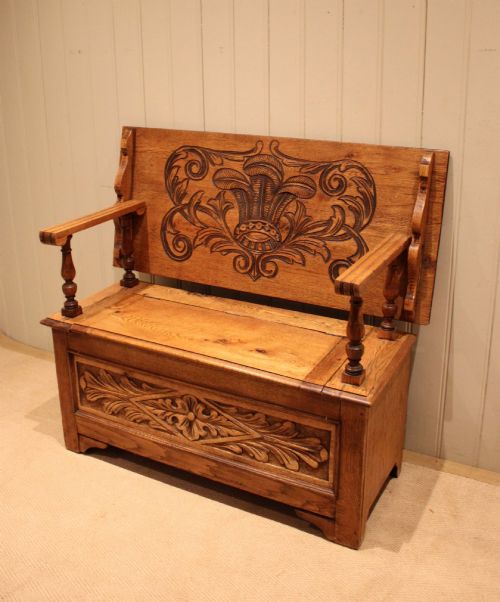
Depth and crispness of the timber carving separate standard production pieces from superior examples. Sharp, well-defined foliage and heraldic shields indicate skilled hand work rather than mechanical routing.
The weight and figure of the oak timber itself dictate the calibre of a chair. Dense grain patterns and uncompromised structural solidity mark the better items in this range.
Listings span from the 17th century through the Victorian, Edwardian, and Arts and Crafts periods, utilising solid oak alongside leather, brass, and paint.
Strahan·Goodyers of London
The Solid Oak Carved Chairs Glossary
- Wainscot chair
- A heavy wooden armchair dating from the sixteenth or seventeenth century, constructed with panelled backs and solid wooden seats. These early forms set the template for later revival seating.
- Sgabello
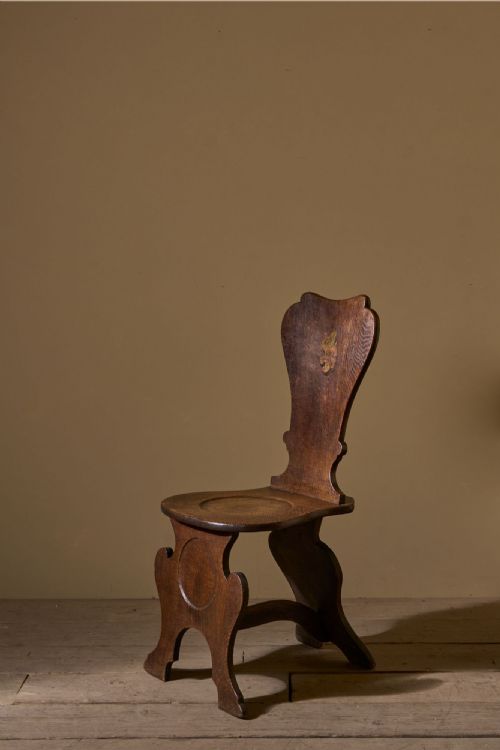
- A Renaissance-style chair featuring solid vertical sideboards instead of legs, often decorated with elaborate carving. They served primarily as formal hall seating.
- Shield back
- A chair back shaped in the outline of a heraldic shield, frequently carved with crests or family emblems. This form appears often on nineteenth-century hall chairs.
- Gothic Revival
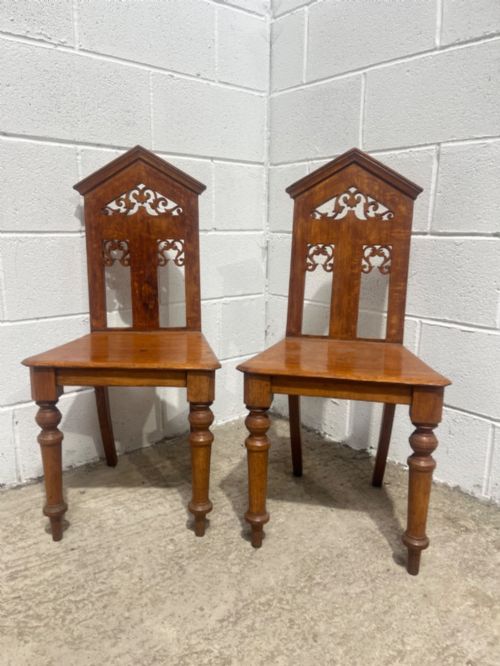
- An architectural and decorative style popular during the nineteenth century that mimics medieval ecclesiastical design. Chairs in this manner display pointed arches and tracery.
- Jacobean Revival
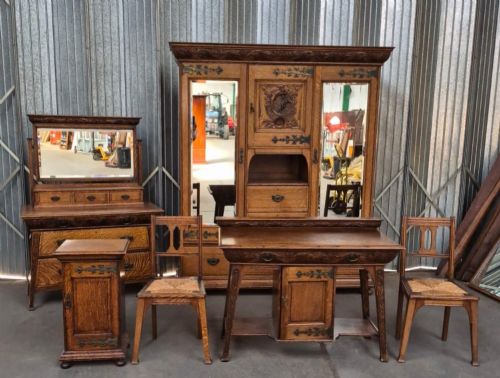
- A nineteenth-century style copying the heavy, geometric carved ornament of the early seventeenth century. Pieces often feature strapwork and turned legs.
Solid Oak Carved Chairs: Frequently Asked Questions
How do I identify a genuine 17th century wainscot chair?
Examine the construction methods and timber patination for signs of age. True early pieces show hand-cut peg joints and dry, oxidised oak surfaces accumulated over centuries.
Look closely at the panel construction in the backrest. Hand-split boards and irregular tool marks distinguish period work from later revival interpretations.
Were solid oak carved chairs used for dining?
Dining chairs appear frequently in sets from the nineteenth and twentieth centuries. These examples provide sturdy seating around large tables.
Earlier centuries favoured heavy armchairs for the head of the table while others sat on simpler forms. Matching sets from the 17th or 18th centuries remain exceptional finds.
How do I care for solid oak furniture?
Keep wooden chairs away from direct heat sources and sudden temperature shifts. Excessive dryness causes the dense oak to split at the joints.
Apply a traditional beeswax polish occasionally to nourish the timber surface. Avoid modern silicone sprays that build up residue over time.
What is a hall chair?
Hall chairs served as functional entranceway seating in large houses rather than comfortable daily lounging spots. Their wooden seats and upright backs encouraged proper posture for waiting visitors.
Carved family crests or shields frequently feature on the backrests. These decorative touches signalled the status and lineage of the household.