
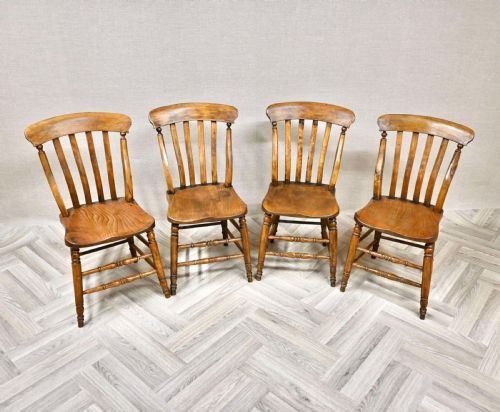


Solid Elm Seat
A solid elm seat carries the honest grain and hardy grain of centuries past, built for unpretentious daily use in farmhouse kitchens and country houses.
Solid Elm Seat
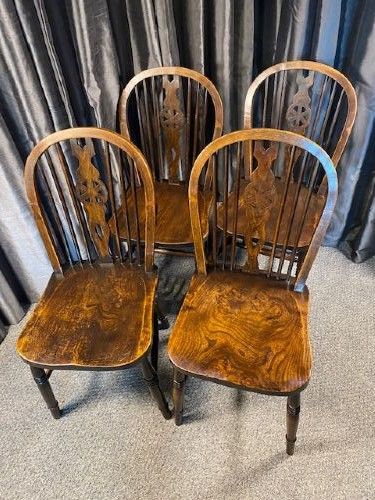
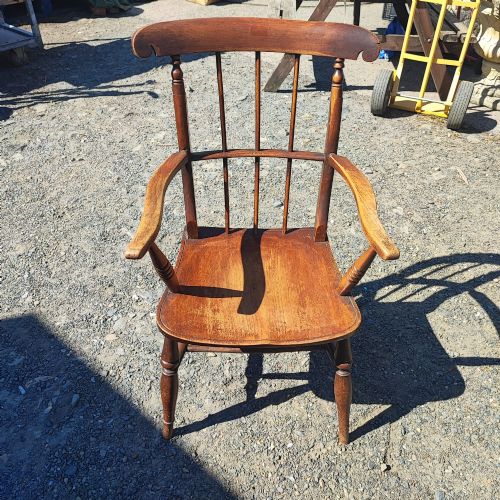
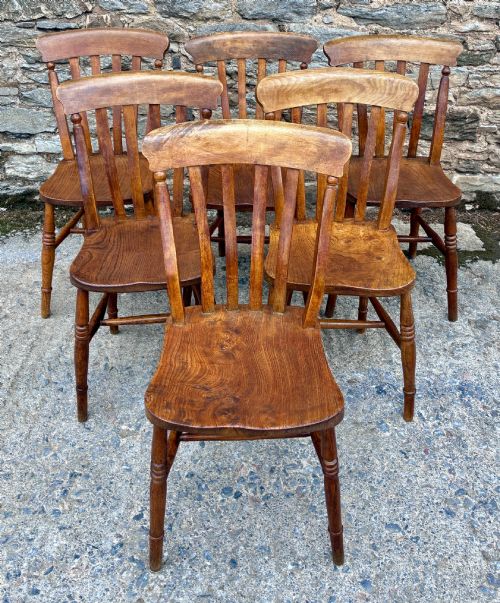
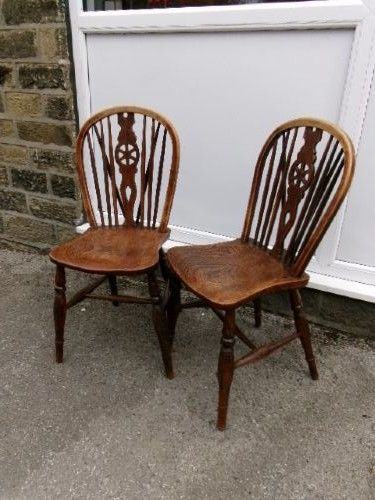
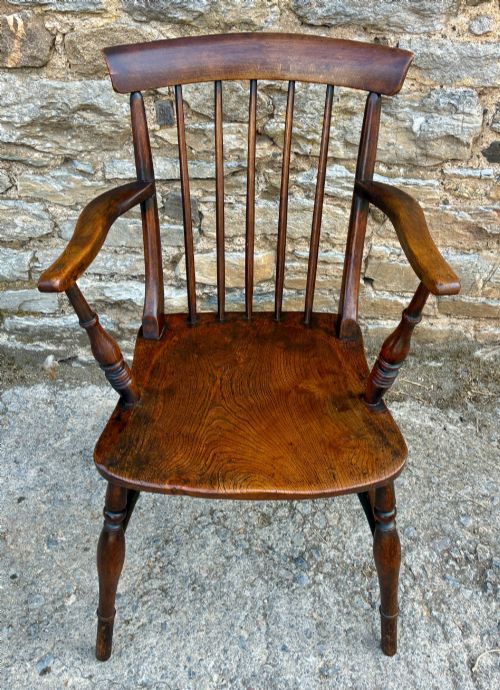
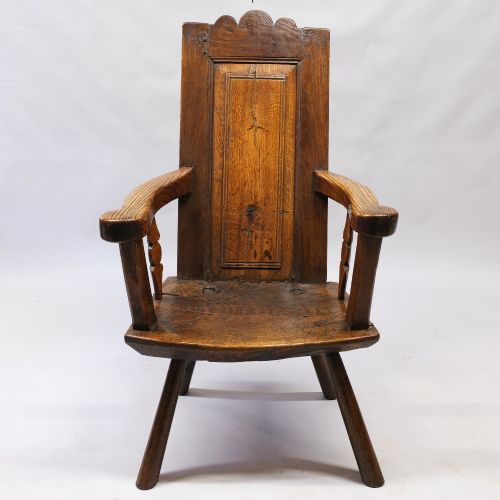
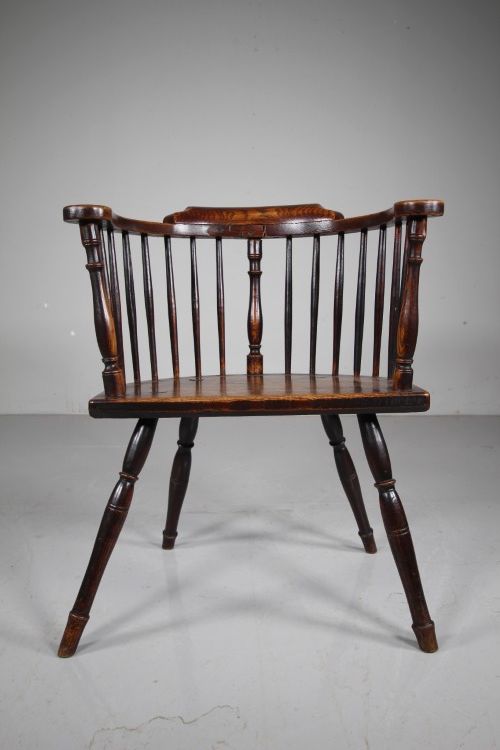
A solid elm seat sits at the heart of traditional country furniture, appearing most frequently on this page in the form of Windsor armchairs, kitchen dining chairs, and rustic settles dating from the eighteenth and nineteenth centuries. These sturdy pieces include stick backs, wheelbacks, lathbacks, and smokers bows, often paired with supporting timbers like ash, beech, and oak.
Beyond chairs, the selection extends to benches, window seats, stools, and rocking chairs, alongside occasional farmhouse refectory tables found in the archives. Originating largely from English vernacular workshops, these items reflect enduring utilitarian designs shaped by generations of rural makers.
Materials and construction methods
Makers relied on elm for seats due to its interlocking grain, which resists splitting when driven through with thick spindle legs and arm supports. This tough primary timber was frequently combined with ash and beech for turned spindles, bows, and underframes, utilising traditional bodger techniques where green wood components dried and locked tightly together.
Surface finishes were kept practical, relying on friction polish, wax, or simple oils that highlighted the varied figuring of the wood over decades of handling.
Elm's stubborn grain famously defeated many an apprentice's chisel, ensuring that surviving rustic seats bear the stubborn character of the tree itself.
Distinctions in quality and execution
Quality rests upon the sculptural depth of the saddle seat and the harmony of the timber's grain pattern, where deeply dished planking demonstrates superior craftsmanship. The balance of the turning in the spindles and the integrity of the wedged tenon joints also separate robust vernacular pieces from lesser utilitarian items.
The survival of matching sets, original surface patination, and the skillful integration of contrasting woods like ash and beech further elevate the standing of individual examples.
The Solid Elm Seat Glossary
- Windsor chair
- A wooden chair featuring a thick solid timber seat into which the legs and back spindles are independently inserted. This form is renowned for its robust construction and comfort.
- Smokers bow
- A low-backed armchair with a continuous curved arm rail supported by turned spindles, often fitted with a generous solid wooden seat. It is frequently found in offices and farmhouse parlours.
- Saddle seat
- A wooden chair seat shaped with hollowed depressions to mirror the contours of the body. This sculptural carving enhances comfort during prolonged sitting.
- Stick back
- A chair back constructed from plain turned or cleft vertical spindles rather than a pierced splat. This design provides sturdy, minimalist support.
- Settle
- A high-backed wooden bench with solid arms and a closed base, designed to block draughts in traditional hallways and kitchens. Many examples include integrated storage boxes beneath the seat.
Solid Elm Seat: Frequently Asked Questions
What is a solid elm seat?
A solid elm seat is the thick wooden foundation of a traditional country chair, bench, or stool, carved from a single slab of elm timber.
Because elm possesses a tangled, interlocking grain that resists splitting, it became the preferred material for heavy-use seating in farmhouses and vernacular homes.
Why were different woods used with elm?
Elm was chosen specifically for seats because its interlocking fibres resisted cracking under pressure, but it was heavy and difficult to turn on a lathe for thin spindles.
Cabinetmakers therefore combined elm seats with straight-grained ash or beech for the legs, stretchers, and bentwood bows to ensure structural stability.
How should I care for antique elm furniture?
Antique elm requires consistent indoor humidity levels to prevent the solid timber planks from drying out or splitting along the grain.
Applying a traditional beeswax polish periodically helps nourish the wood and maintain the deep historical patination built up over generations.